Home›Free Printable Coloring Pages
By: Papaya Ink Team · Last updated: October 19, 2026
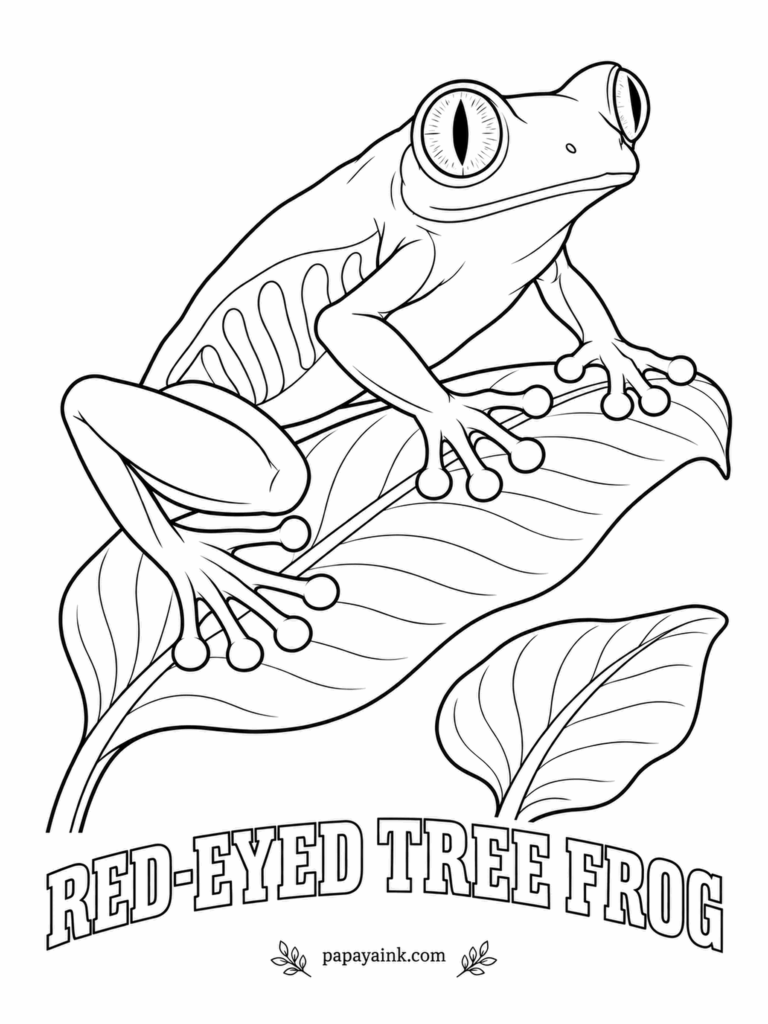
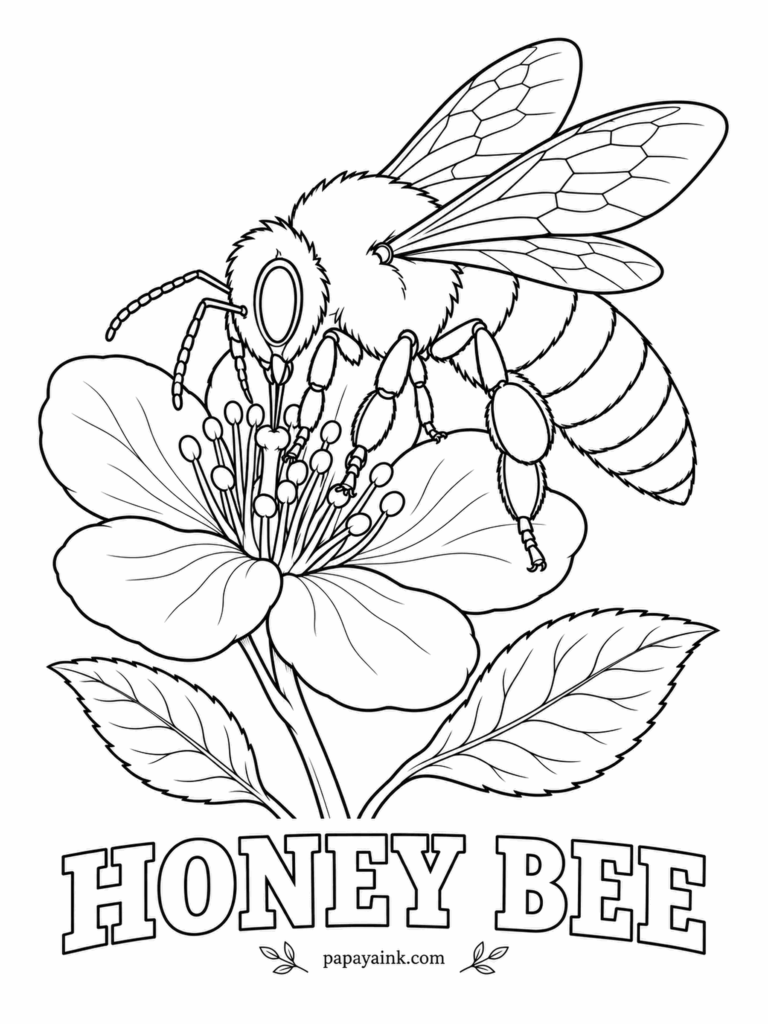
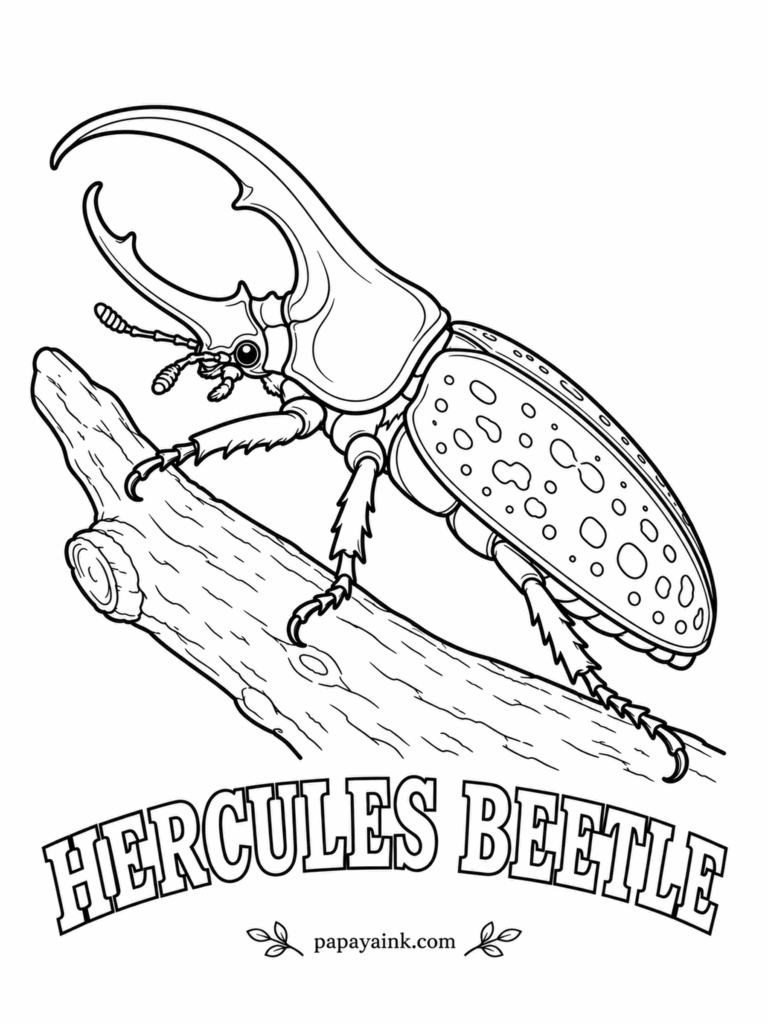
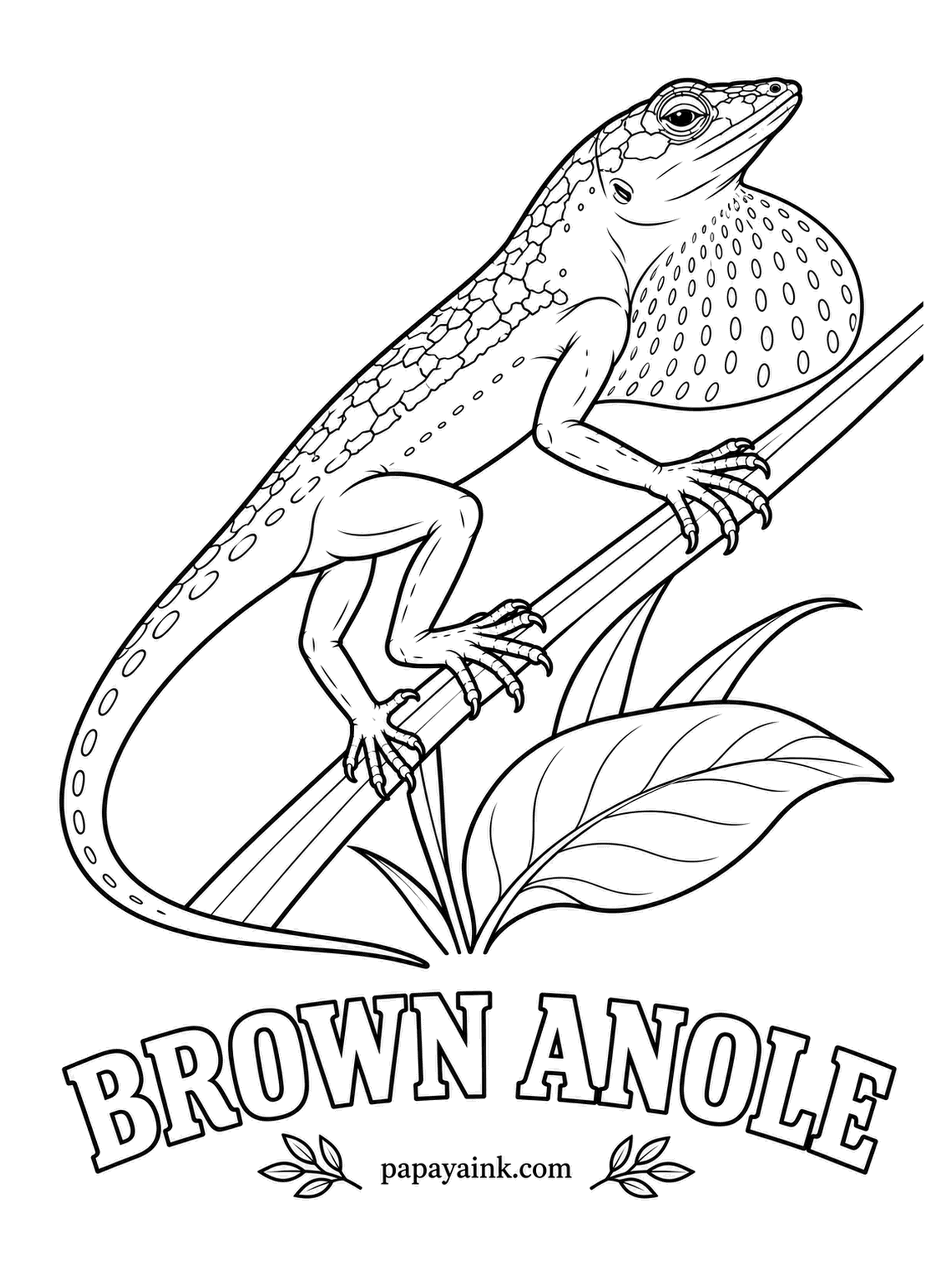
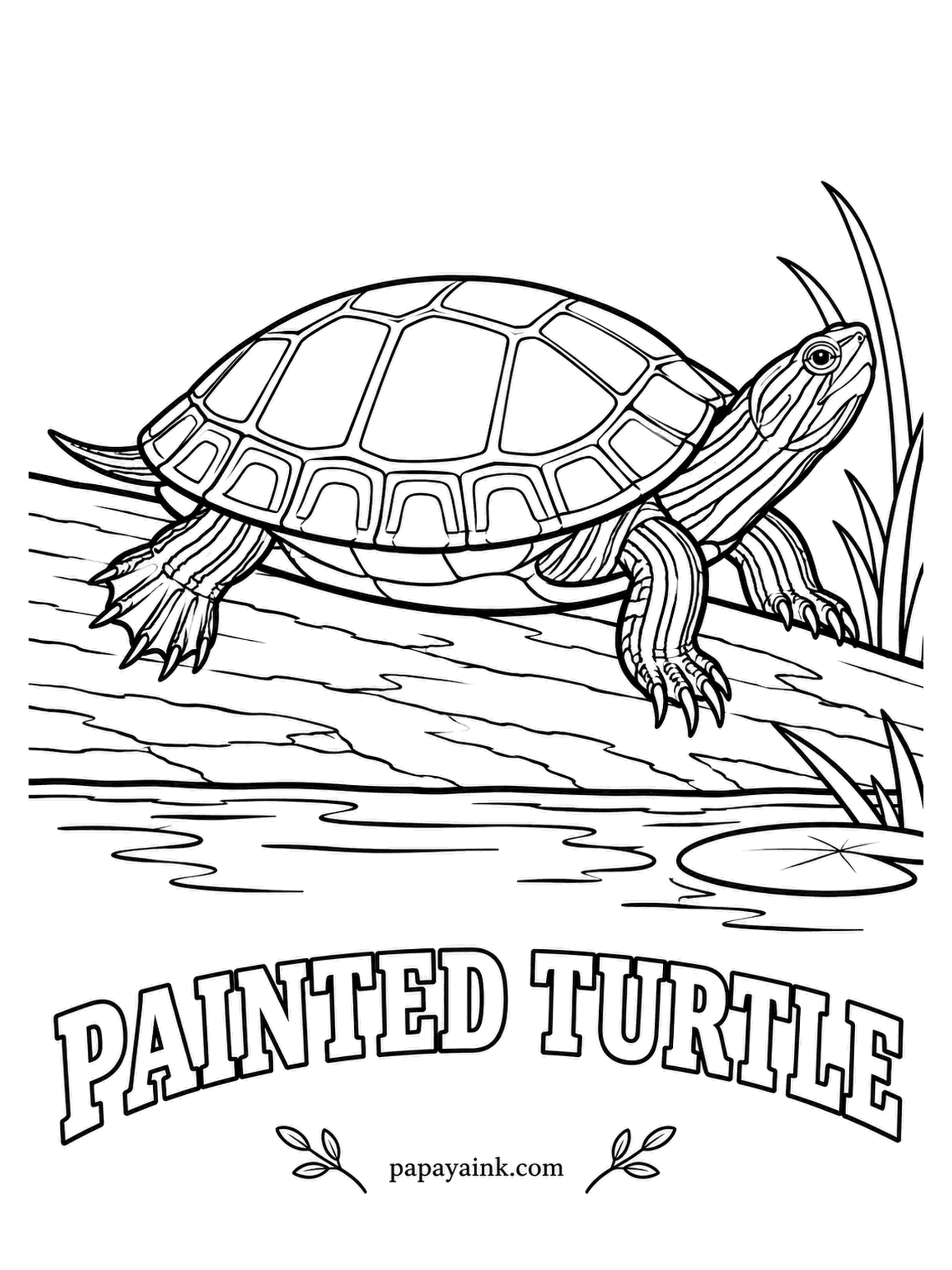
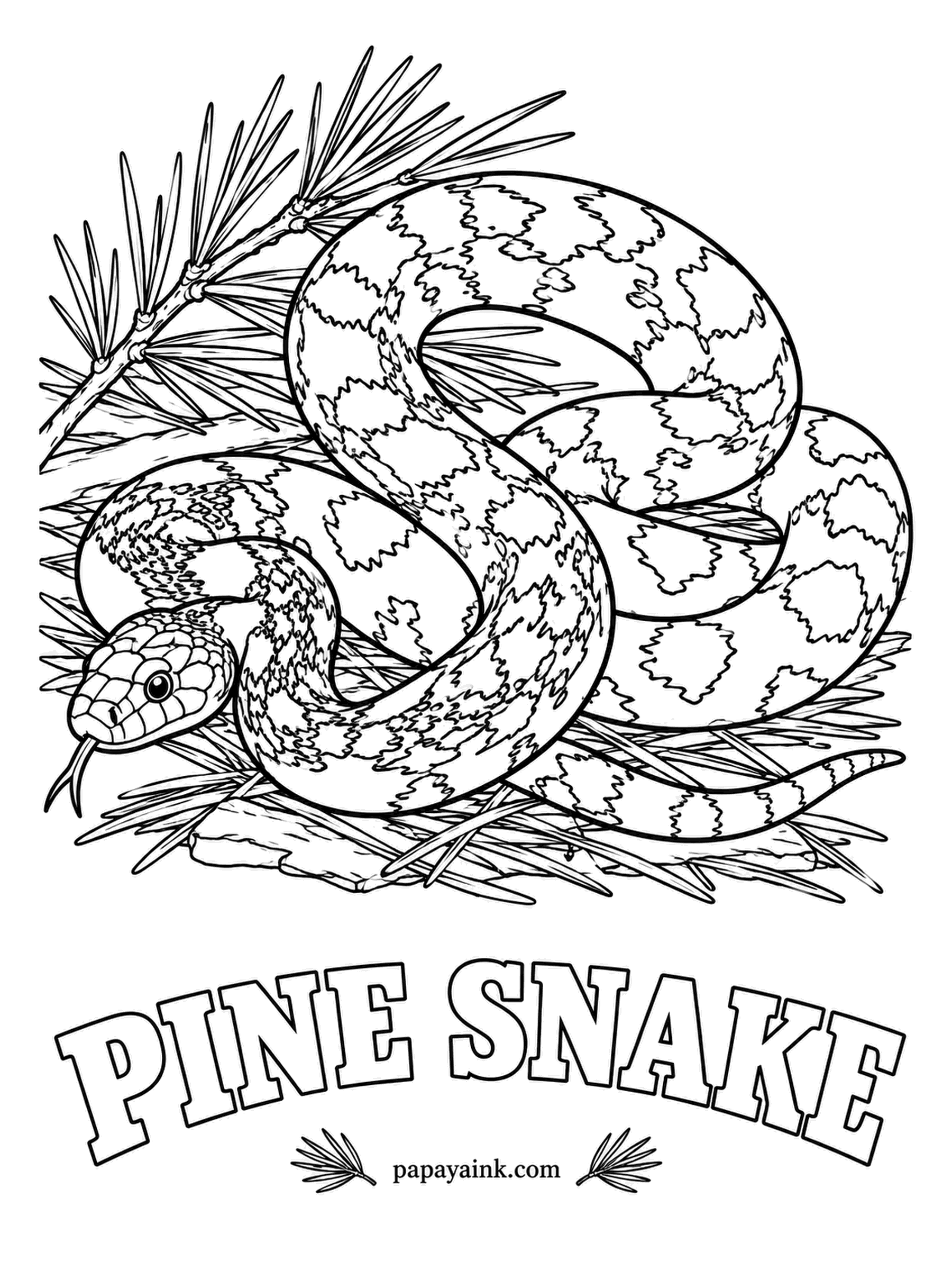
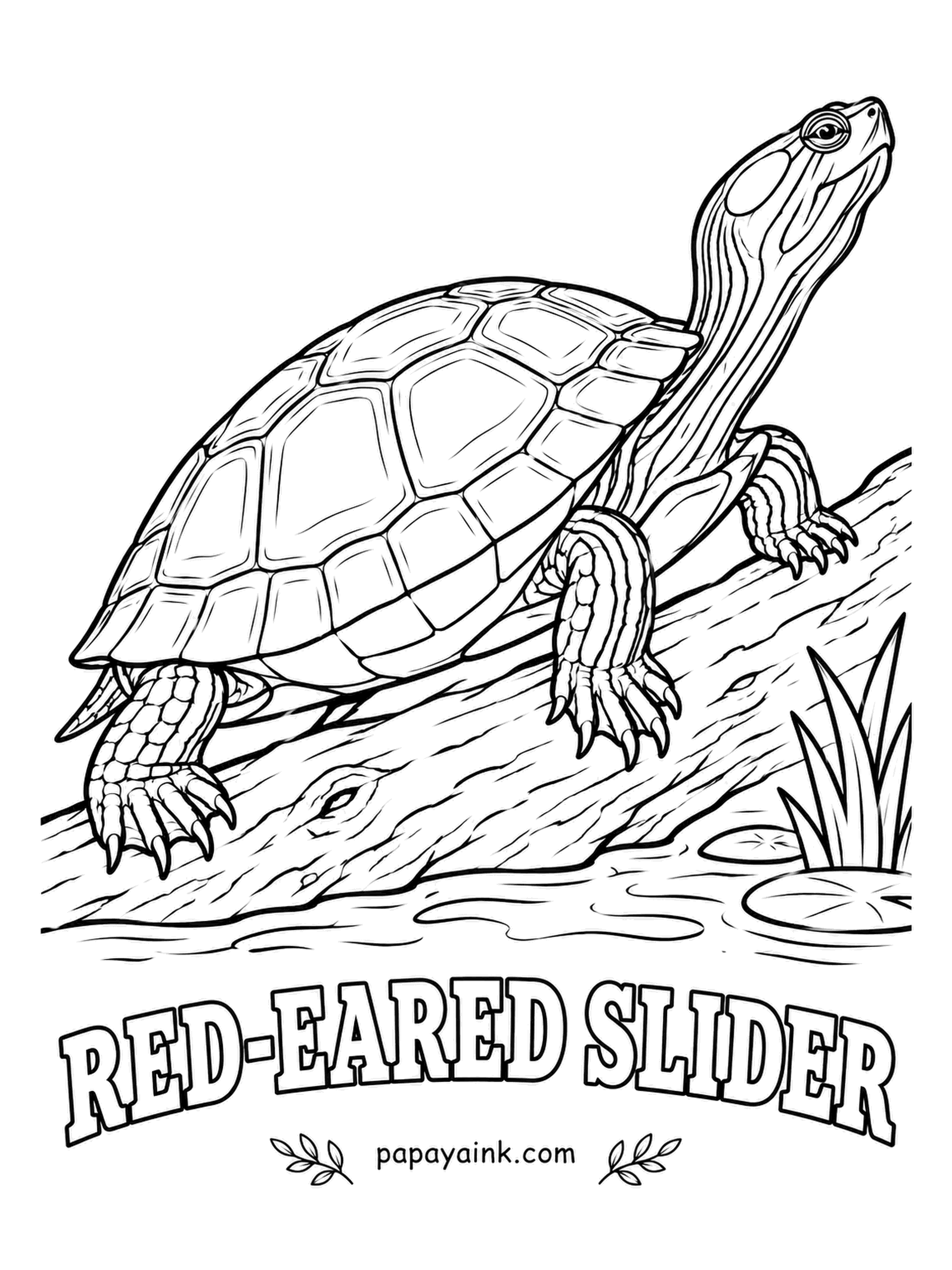
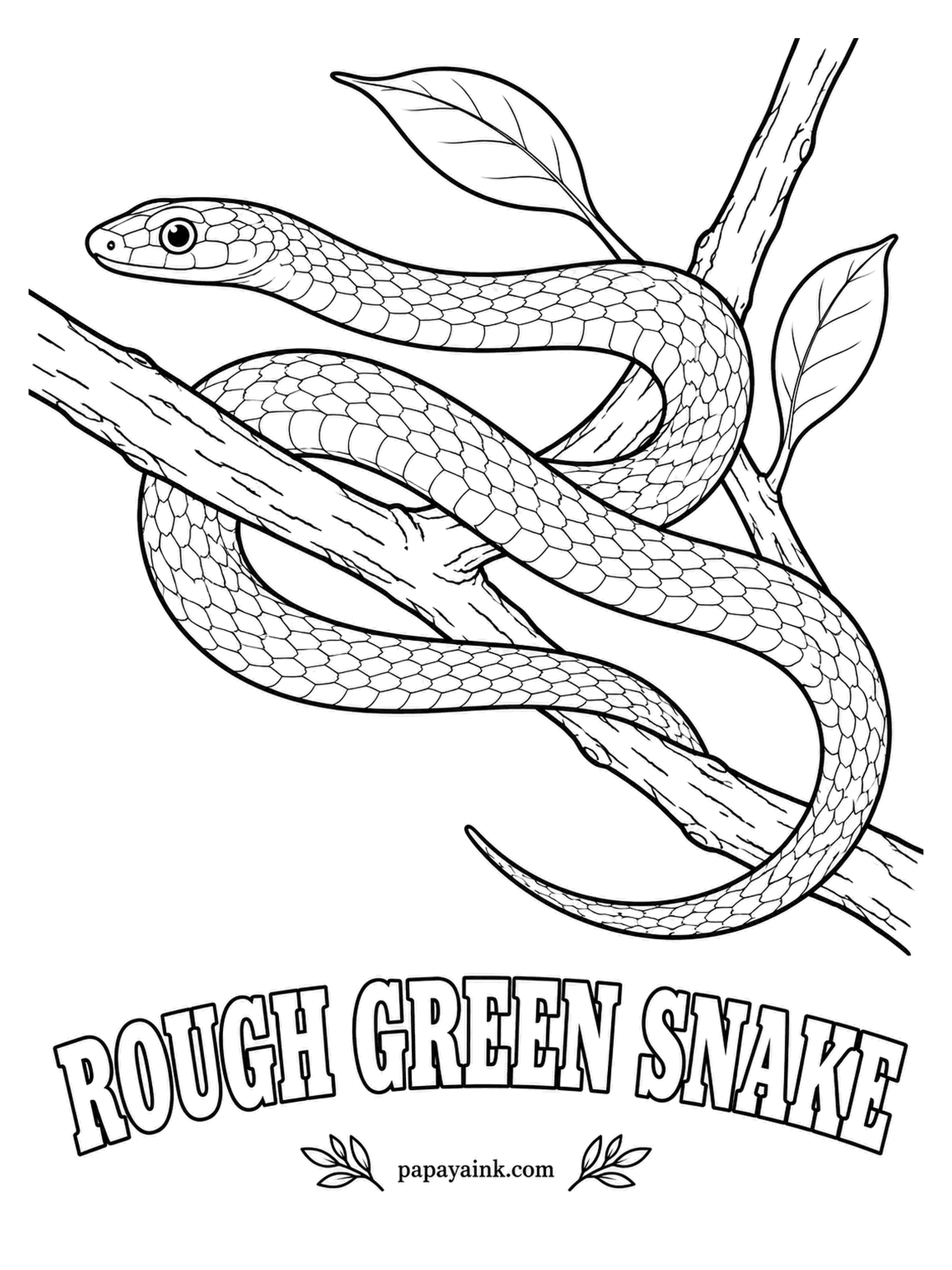
Most animals leave the pattern up to you. Reptiles arrive with it: a bearded dragon is a mosaic of tiny tiles, a corn snake is a string of saddle blotches, a day gecko is lime green with red freckles. Every sheet here is an original Papaya Ink drawing of a real species, with its name lettered along the bottom, so you color a leopard gecko and learn why it is called that at the same time. Lizards, geckos, skinks, snakes and tortoises from the American Southwest, Australia, Madagascar and Southeast Asia all share the page, and the scale patterns are drawn the way the animal actually wears them – which is exactly what makes them satisfying to fill in.
Click any picture and the sheet opens as a PDF in a new tab, ready to print or save. Each one is laid out for US Letter paper and fits A4 just as well; the lines are bold enough for a home printer and the white margins are already inside the file, so nothing gets clipped at the edge.
Scales reward a slow hand. Lay down a light base color over the whole body first, then go back and darken every other scale or just the ridges, and the animal gains texture without any blending at all. Reptiles are also a good excuse to ignore nature: a tokay gecko looks right in blue and orange, but it looks just as good in whatever colors happen to be sharpened. For the busier sheets, fine-tip pencils beat markers – the small scales are where the detail lives.
Show me
Showing only black & white pages.
Showing only pages with a color sample. 79 other pages are hidden.
No black & white pages here yet – showing everything.
No pages with a color sample here yet – showing everything.


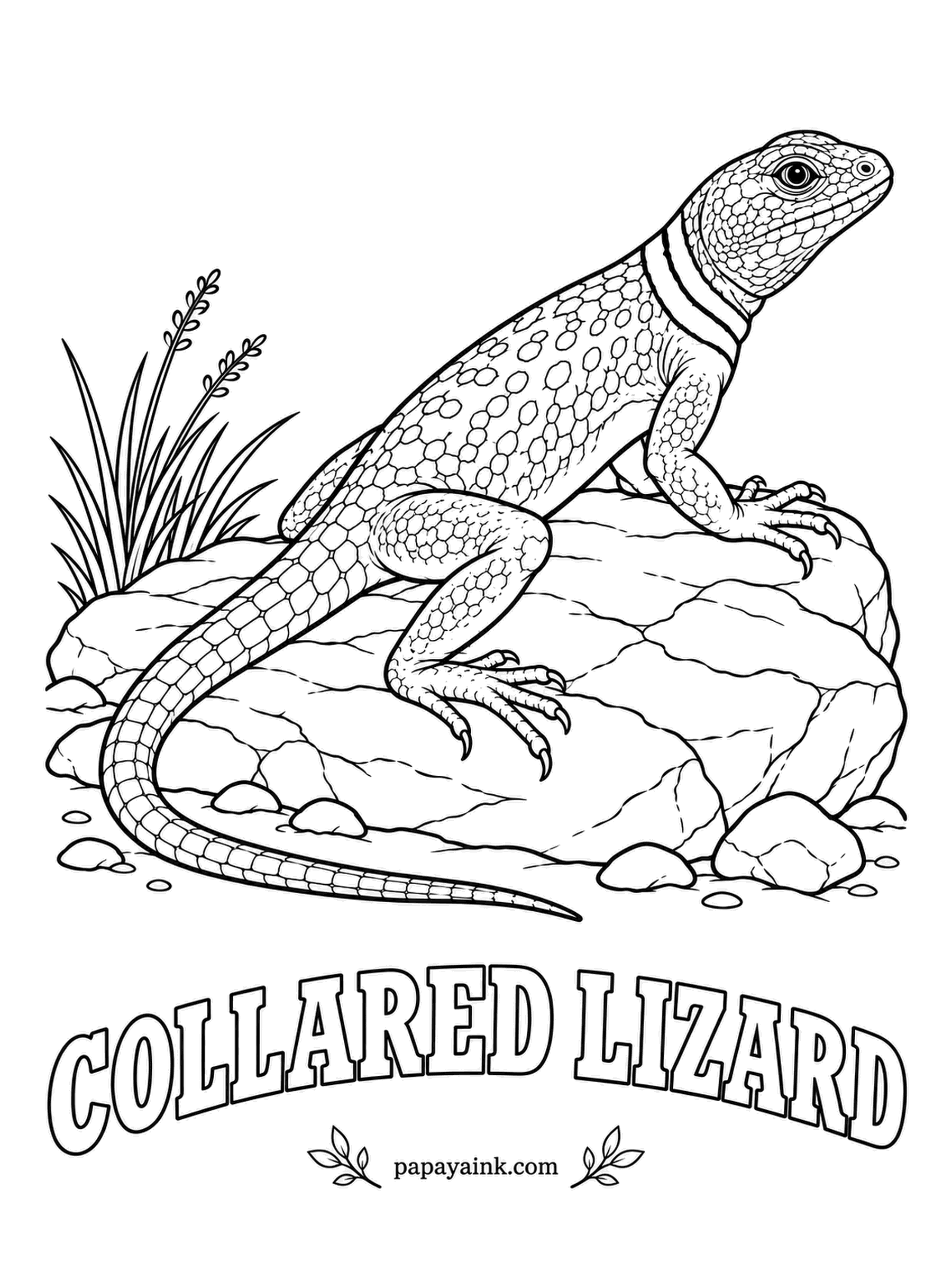


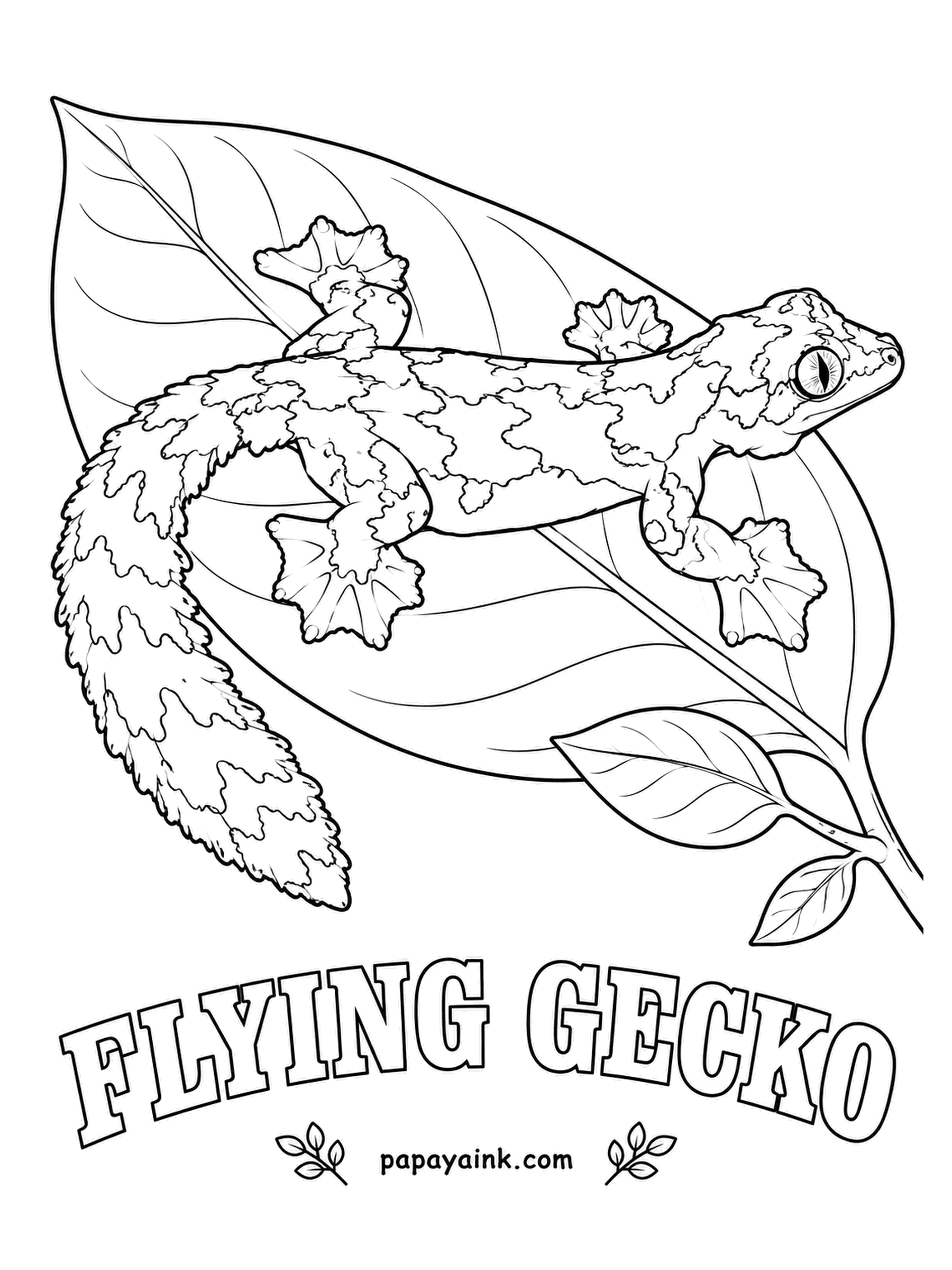


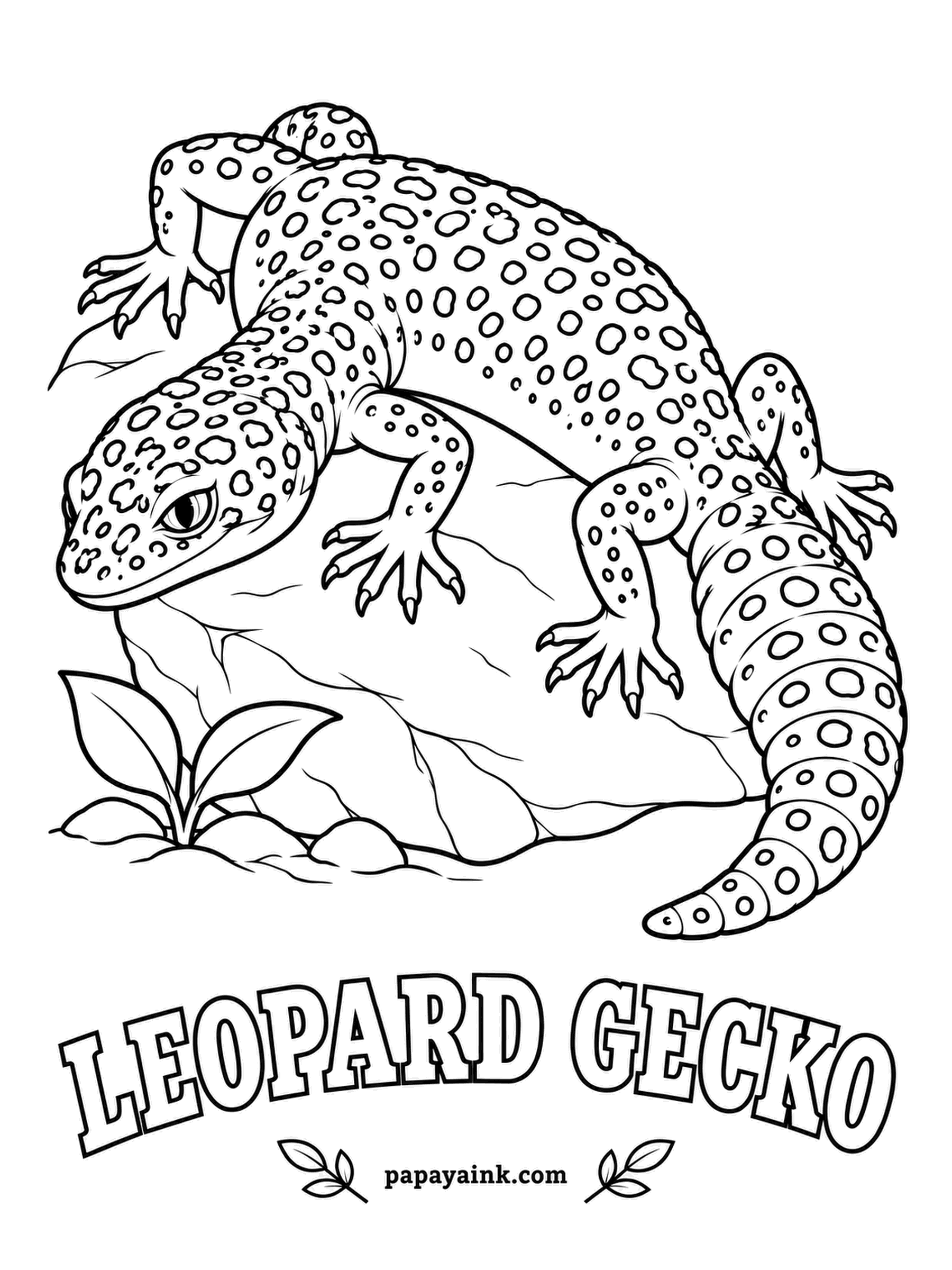

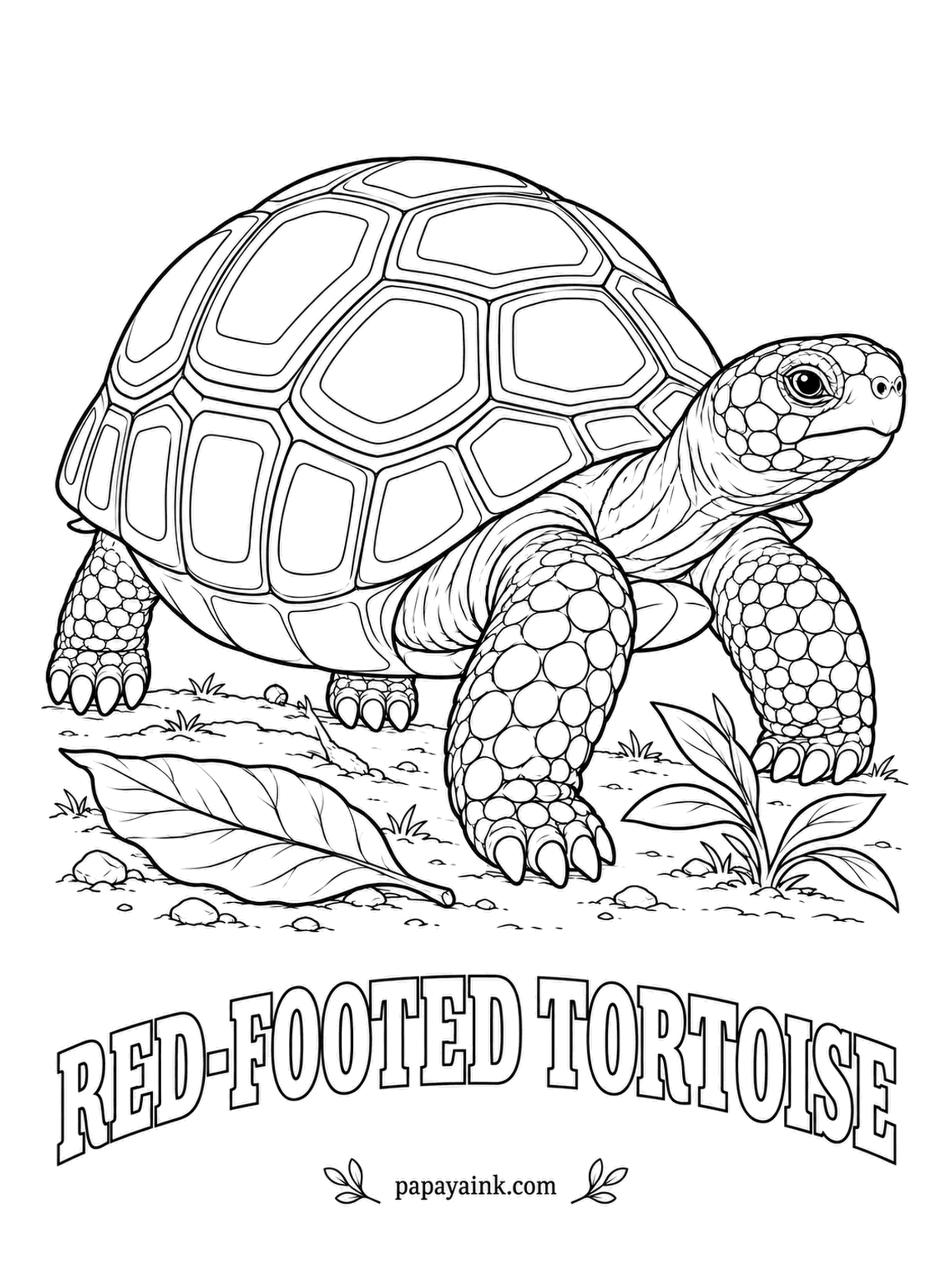
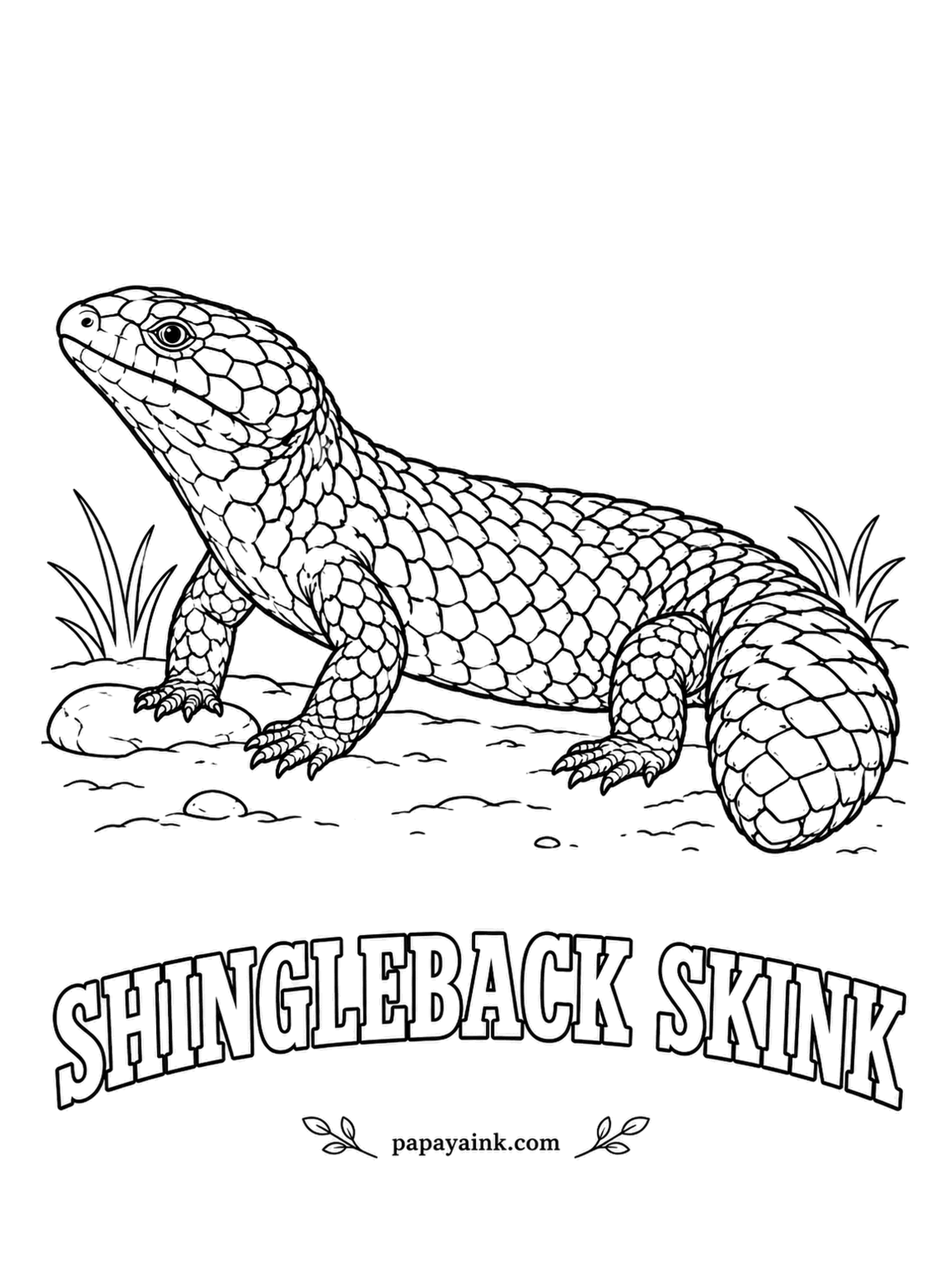
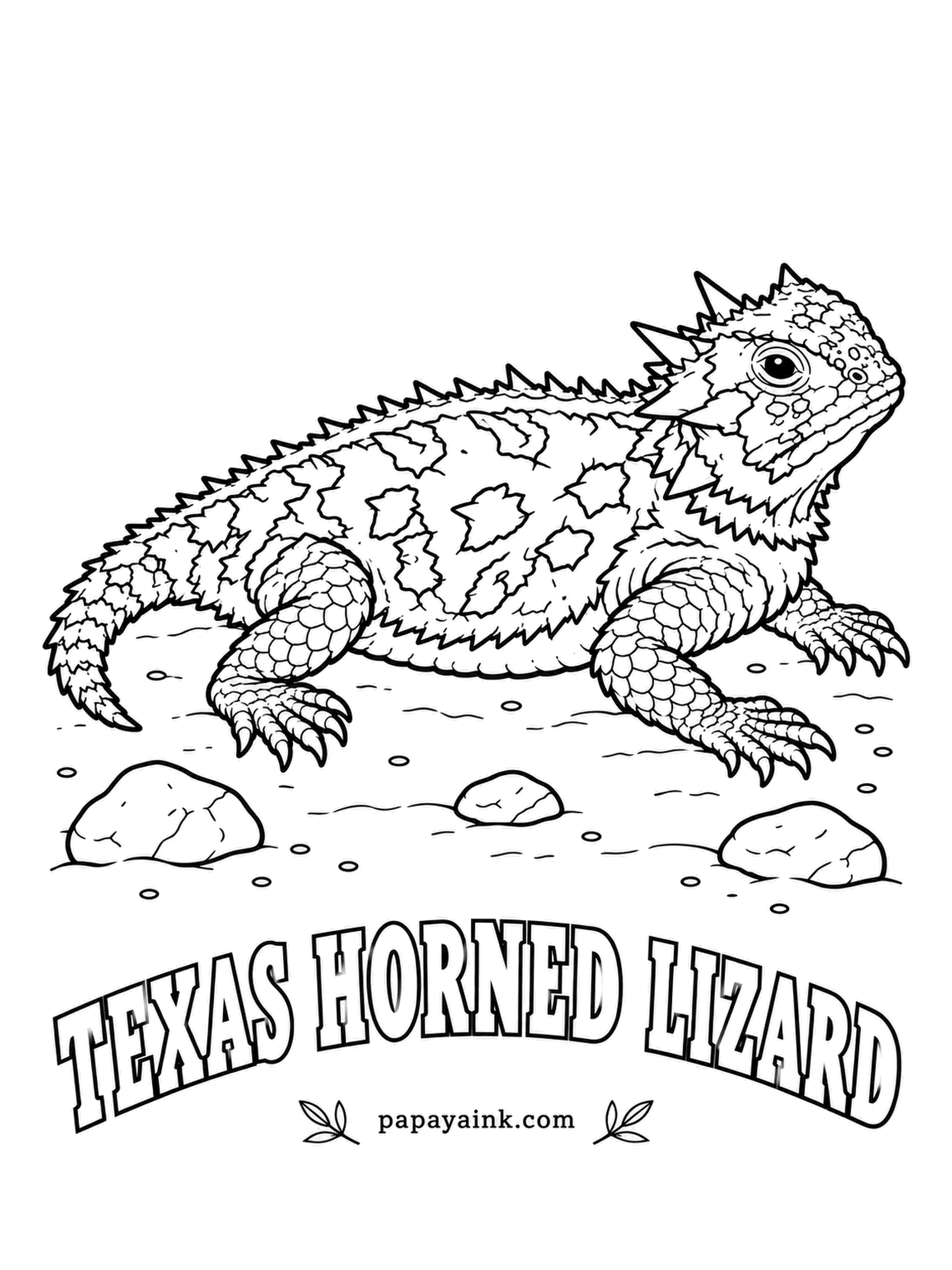

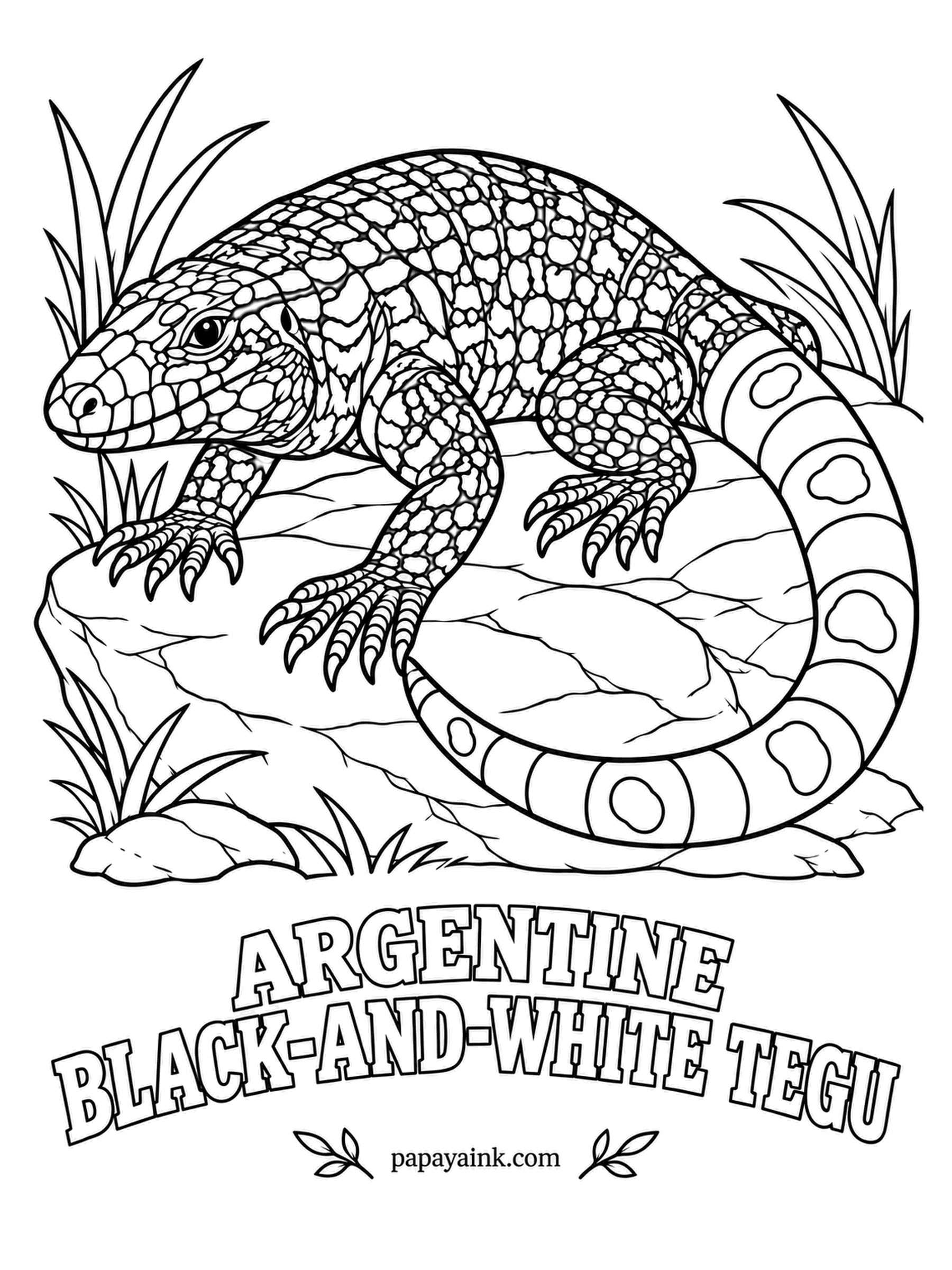
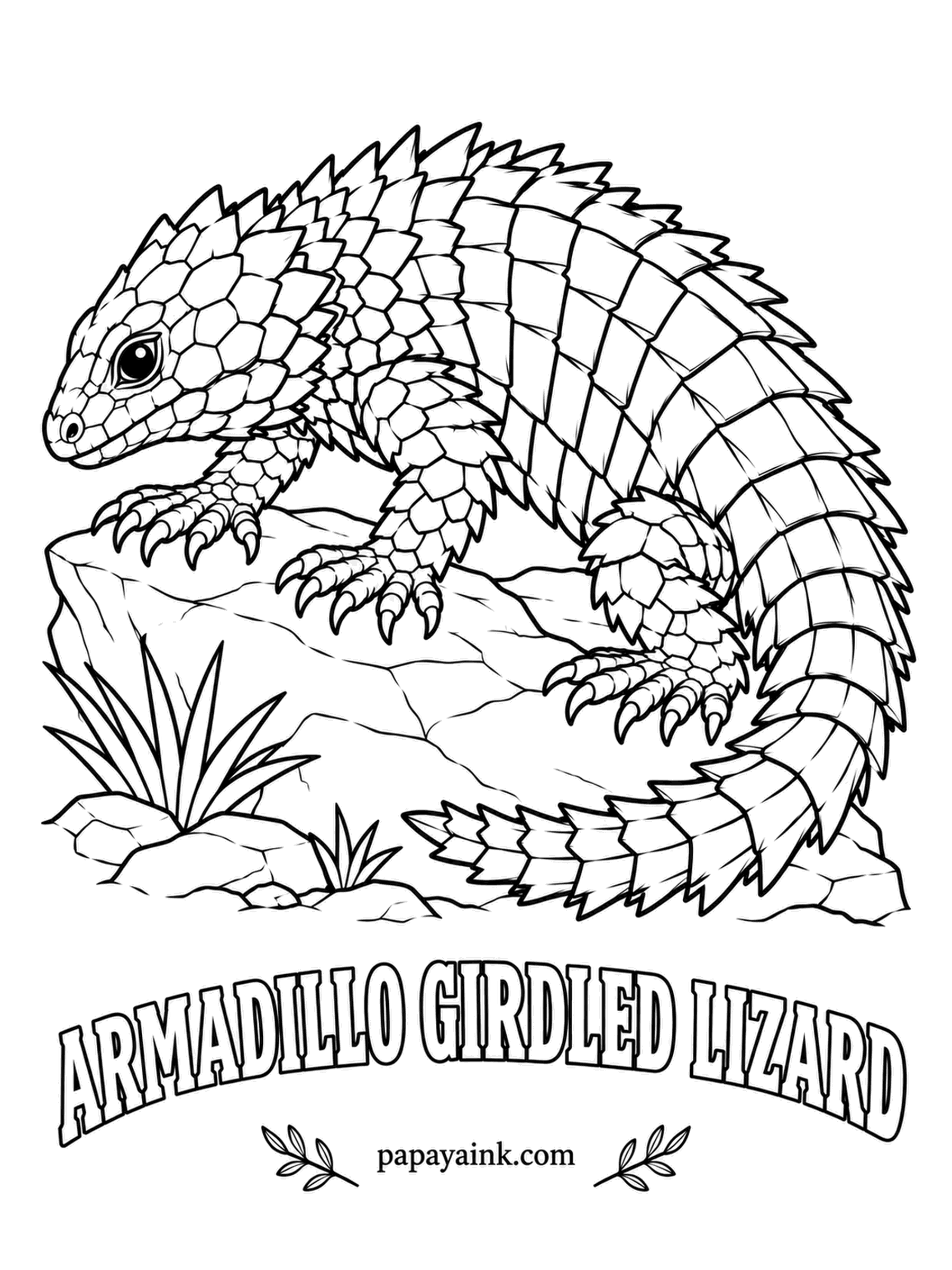


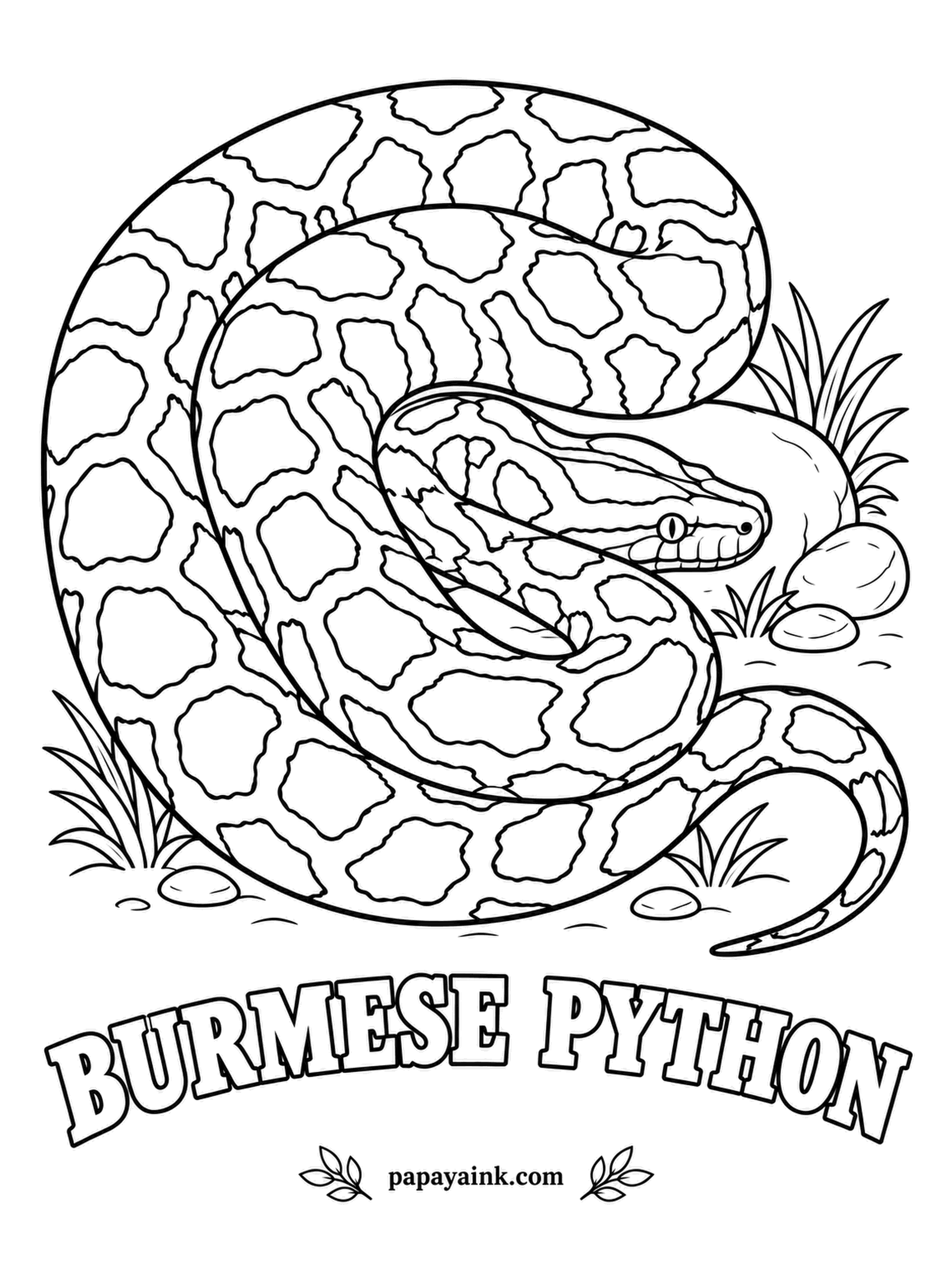


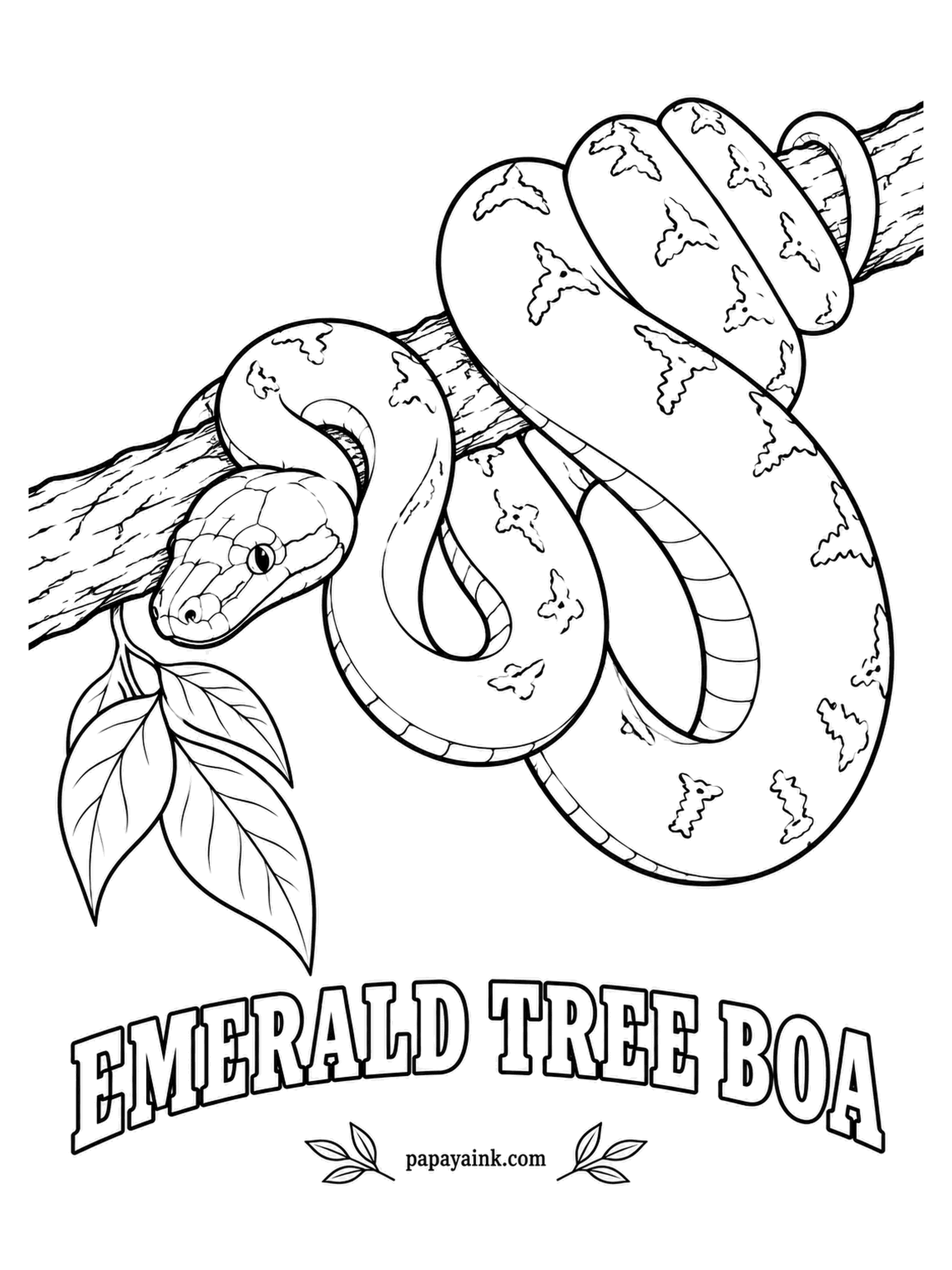


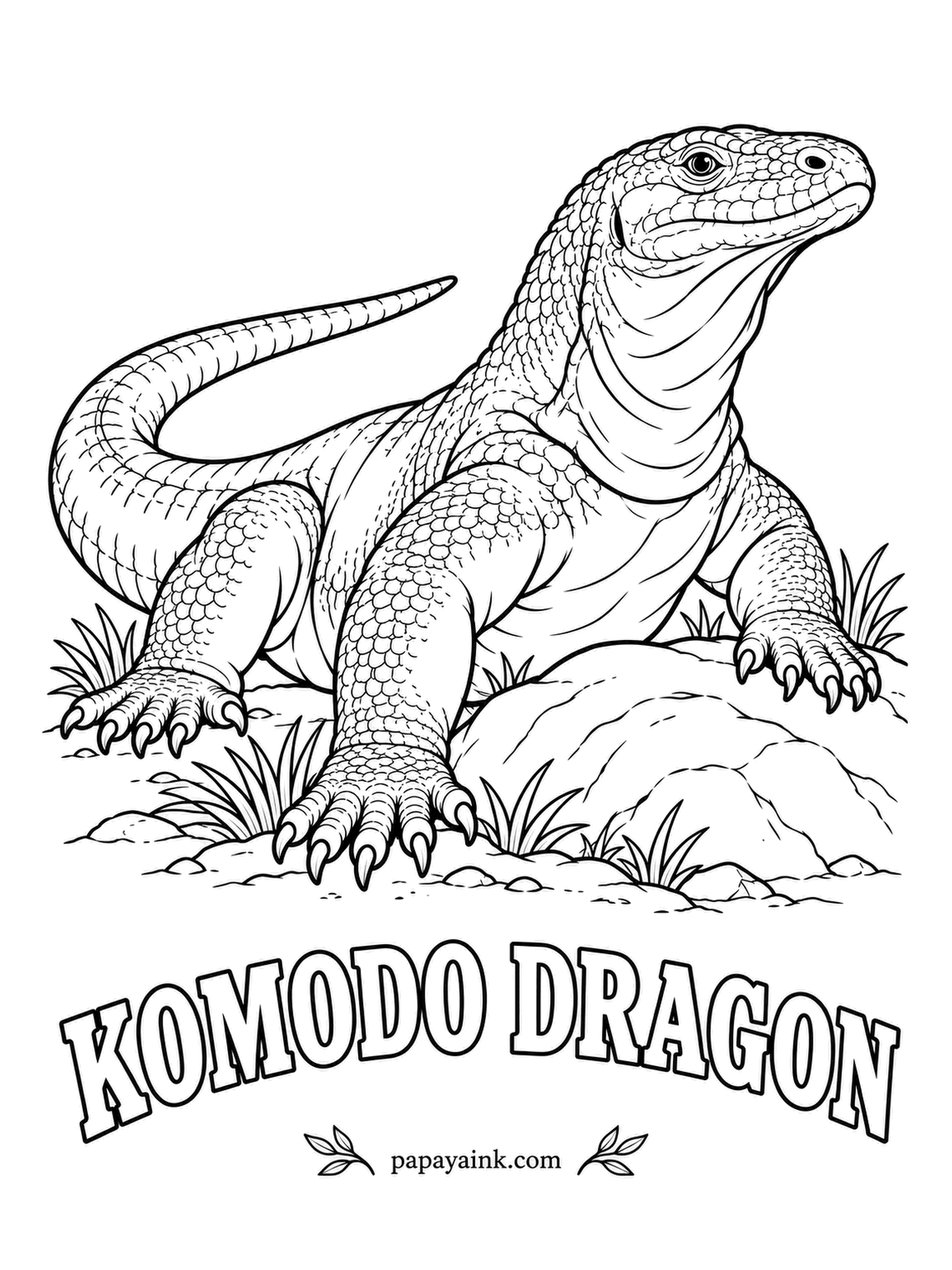
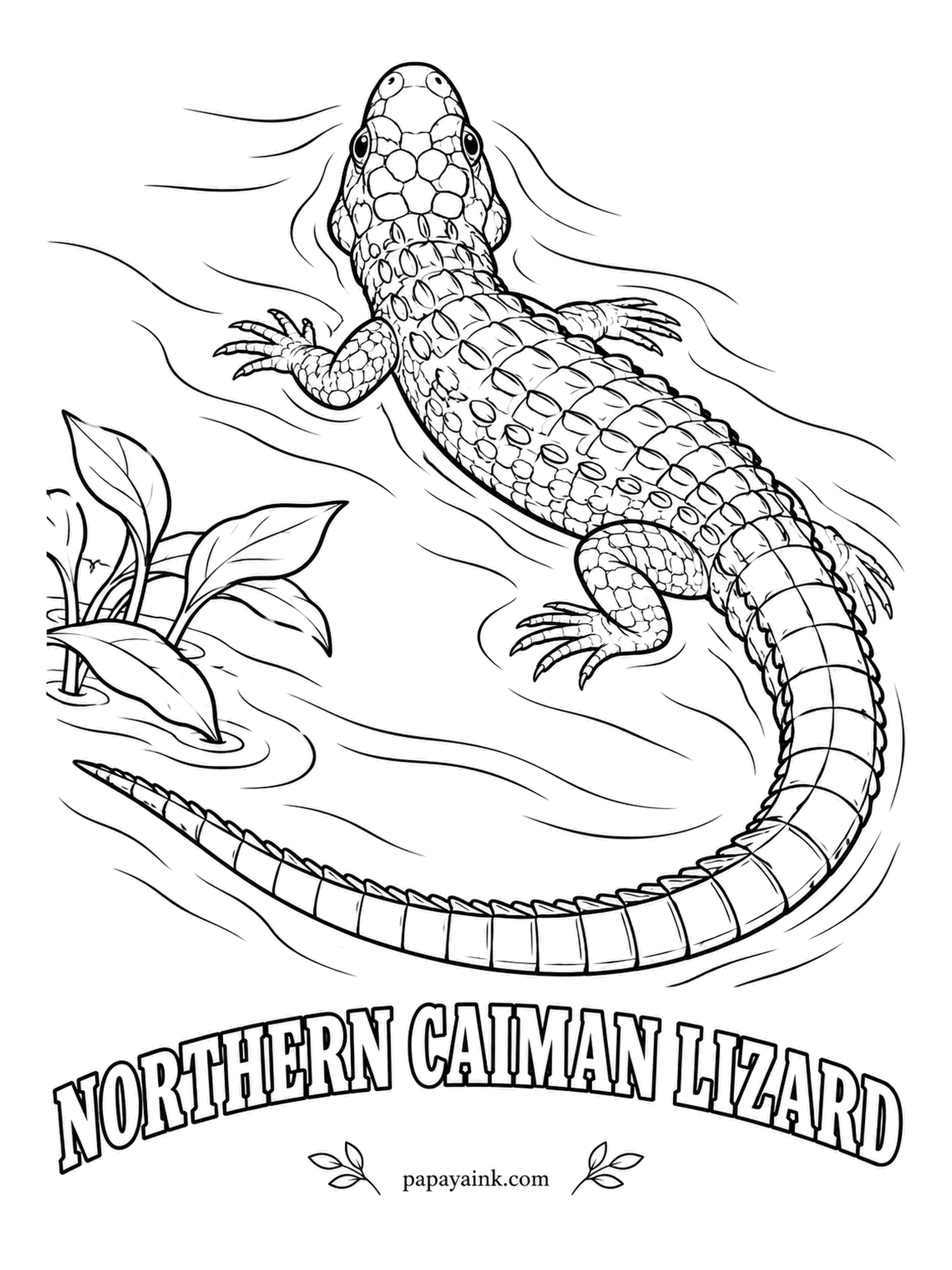


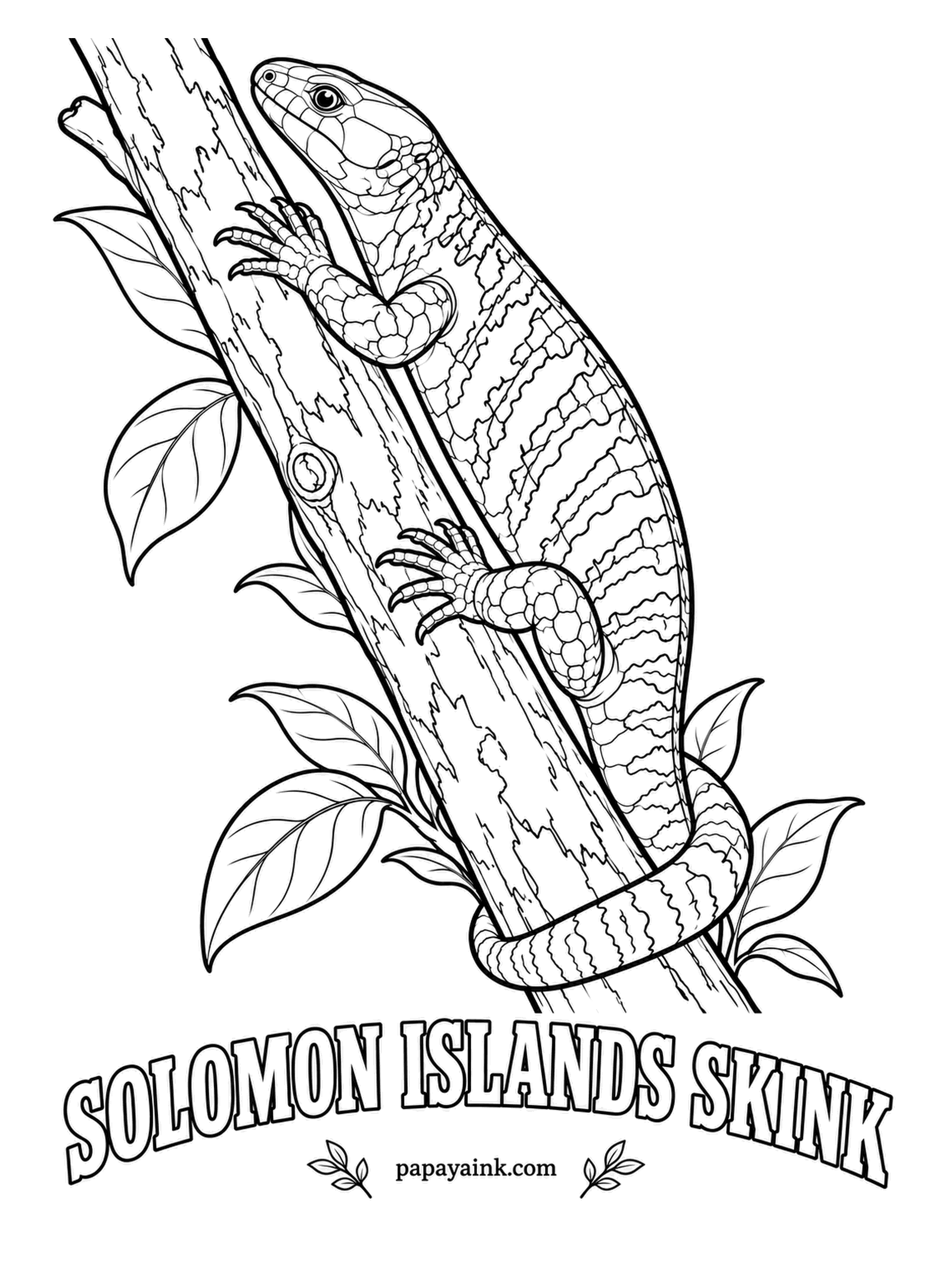

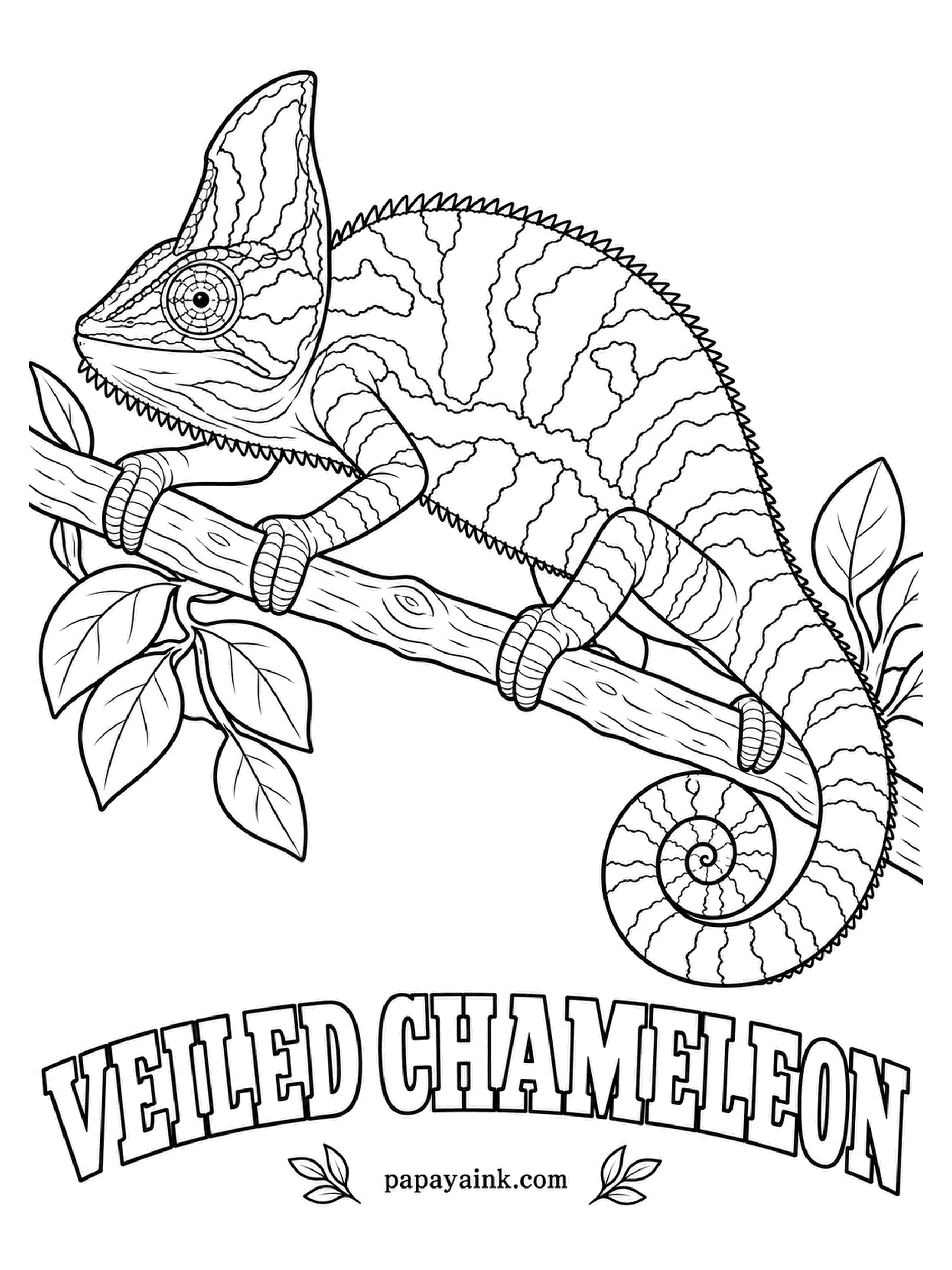
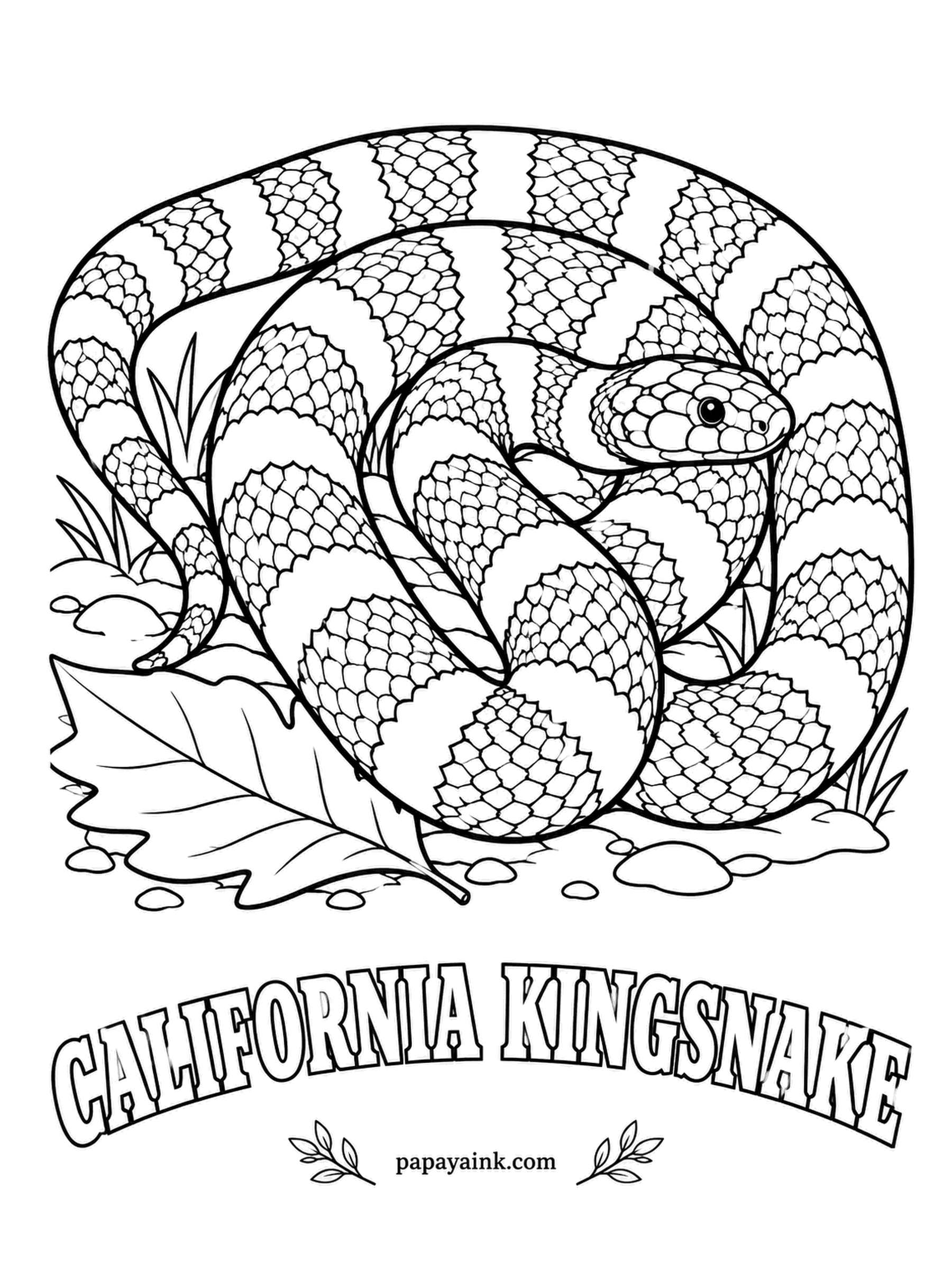
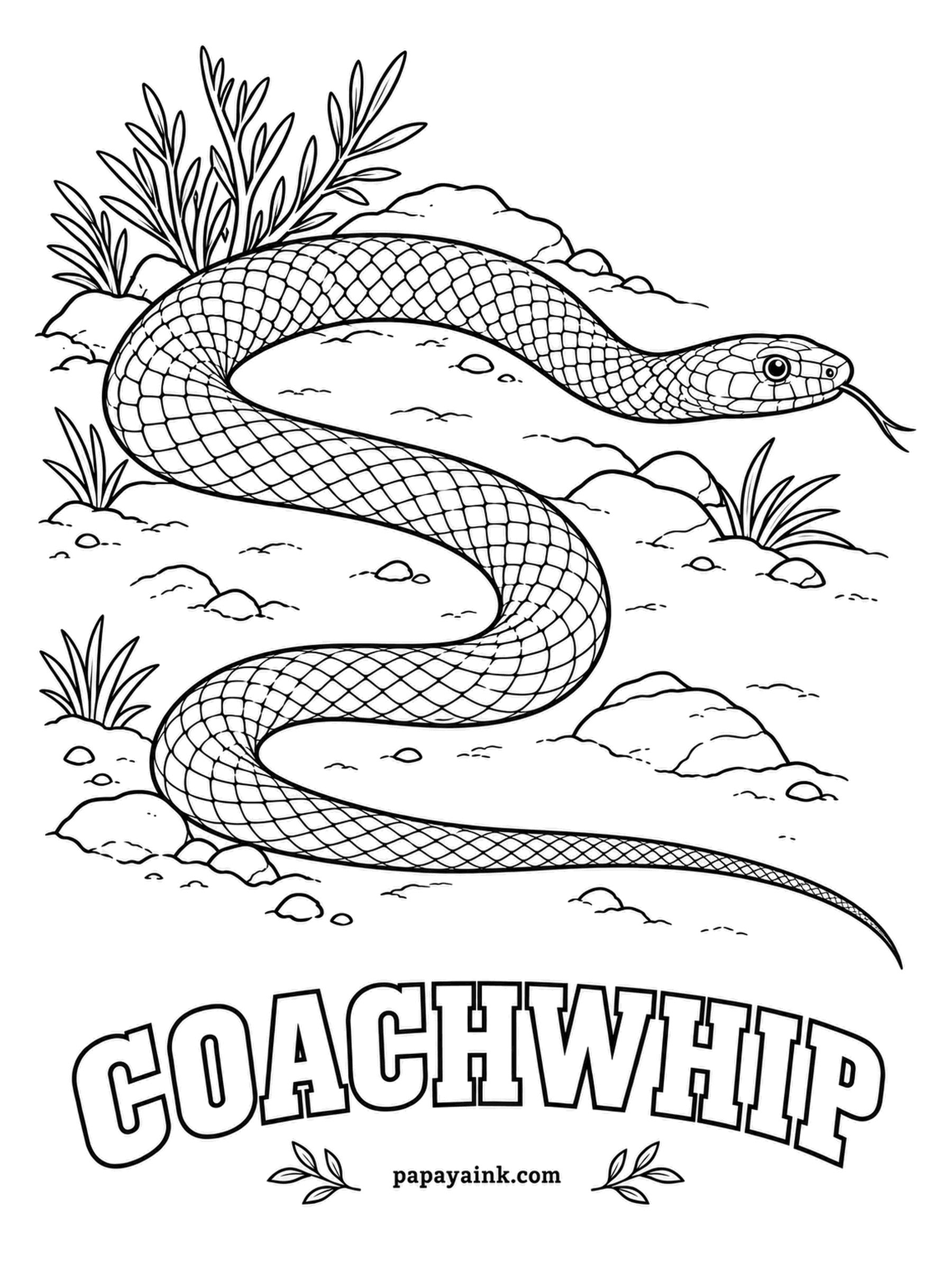
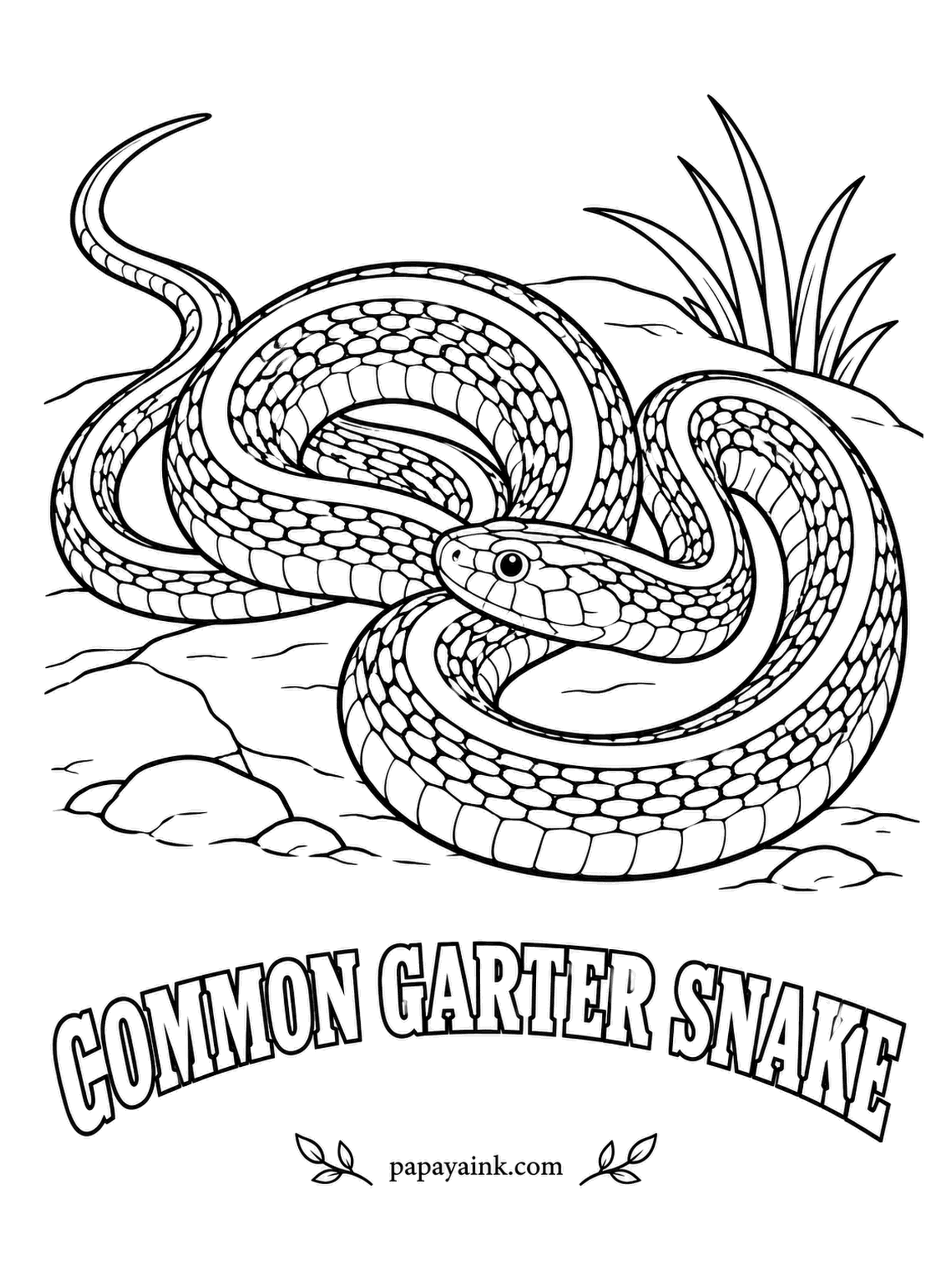


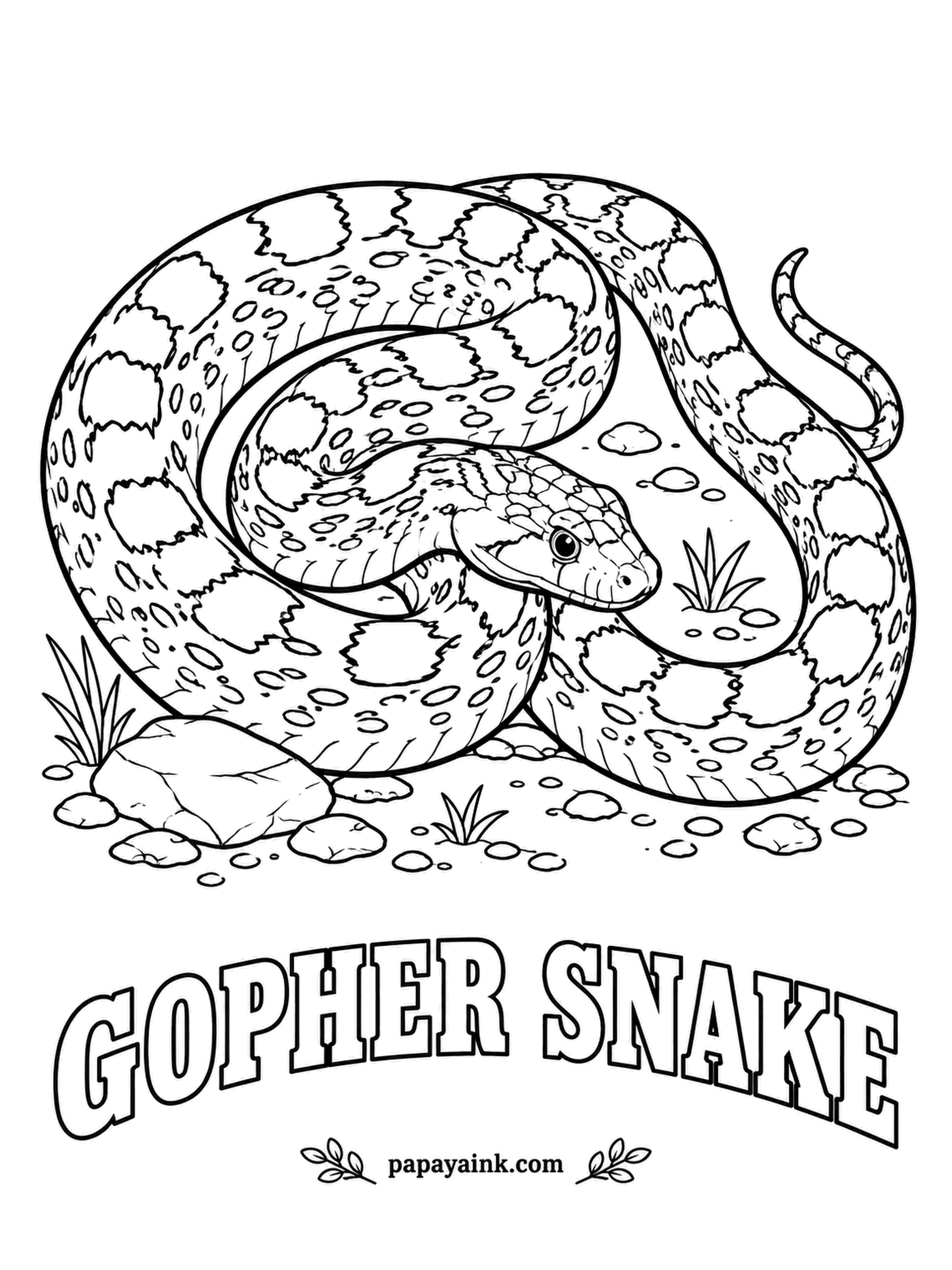
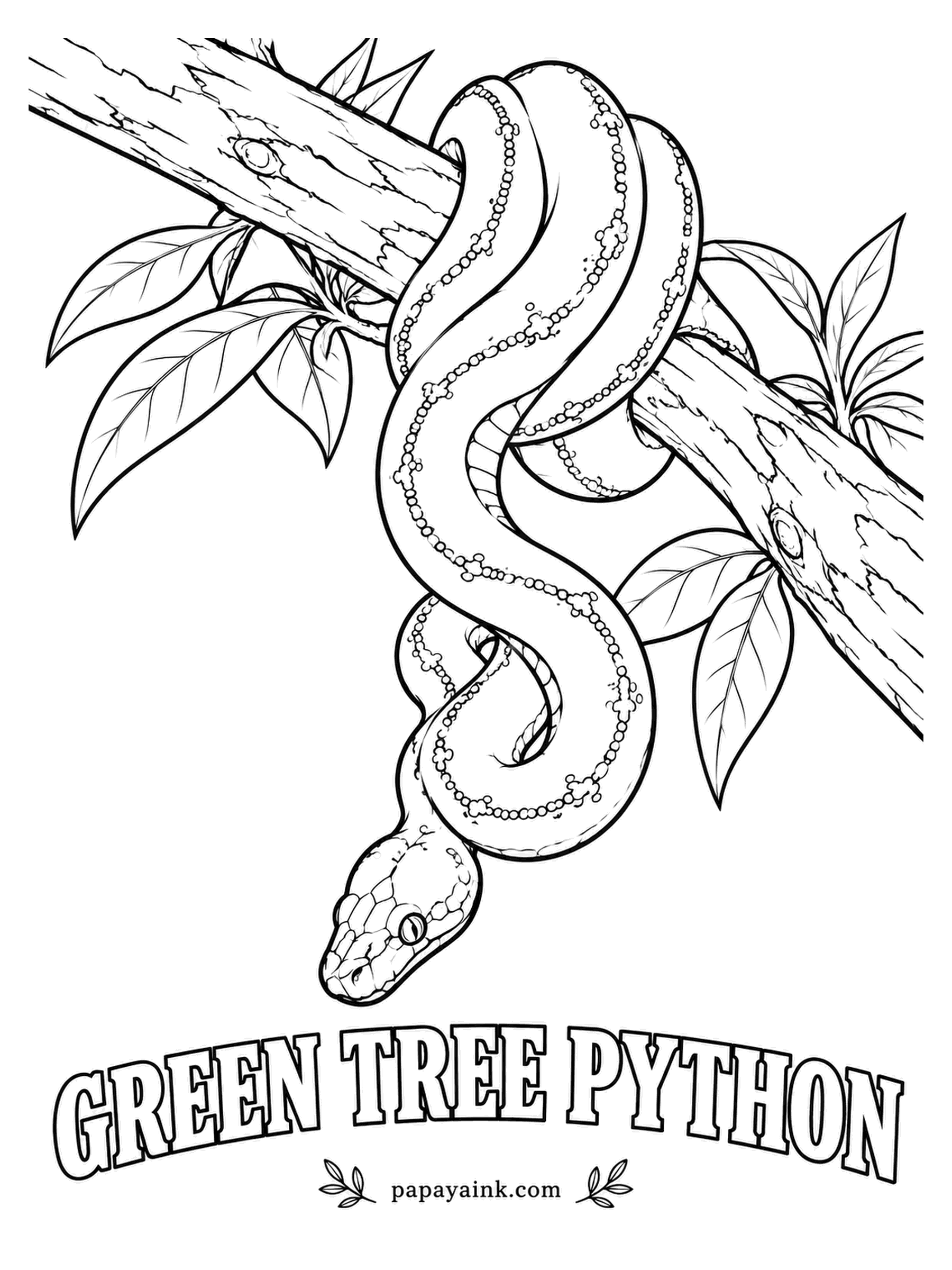
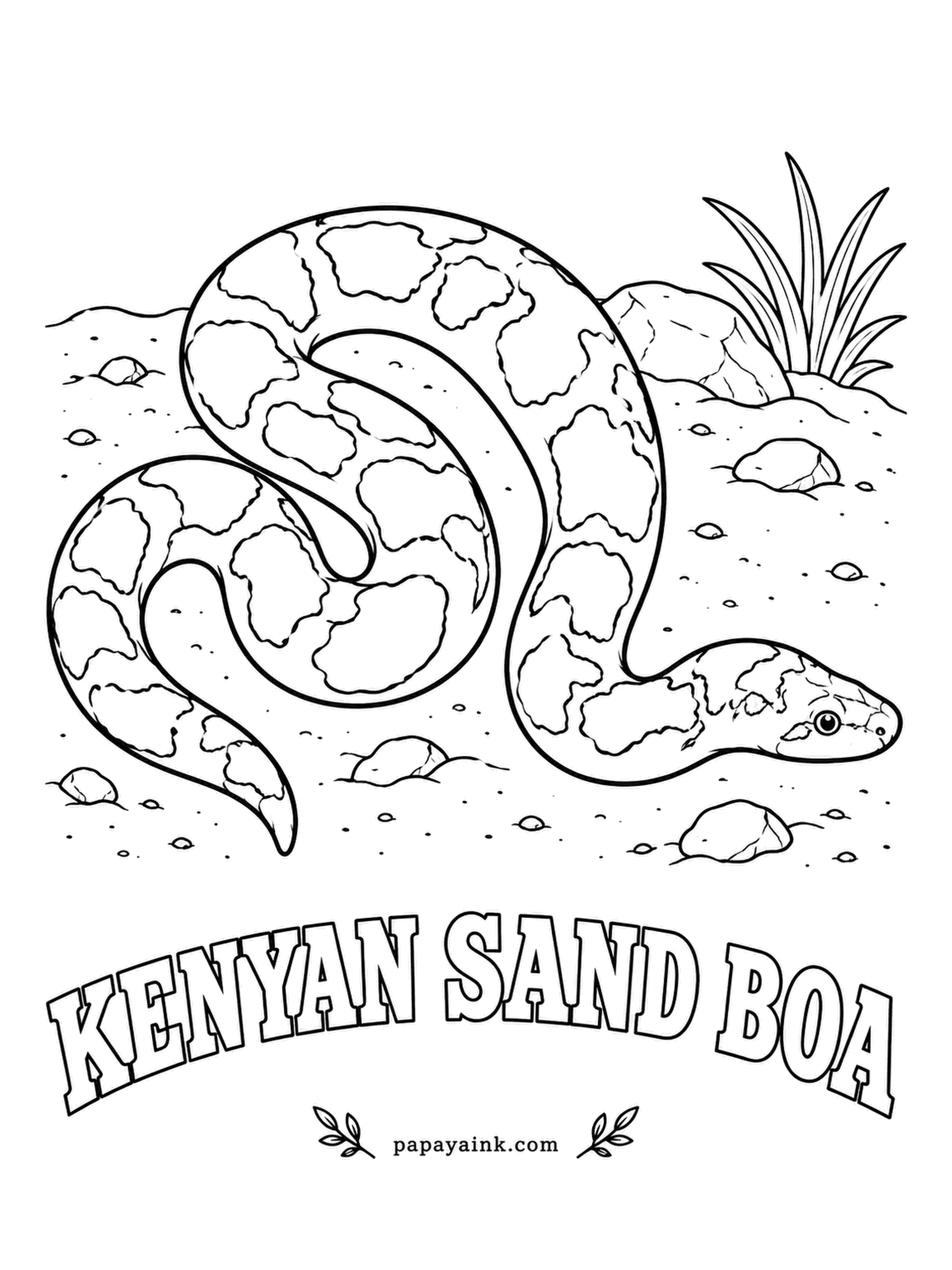



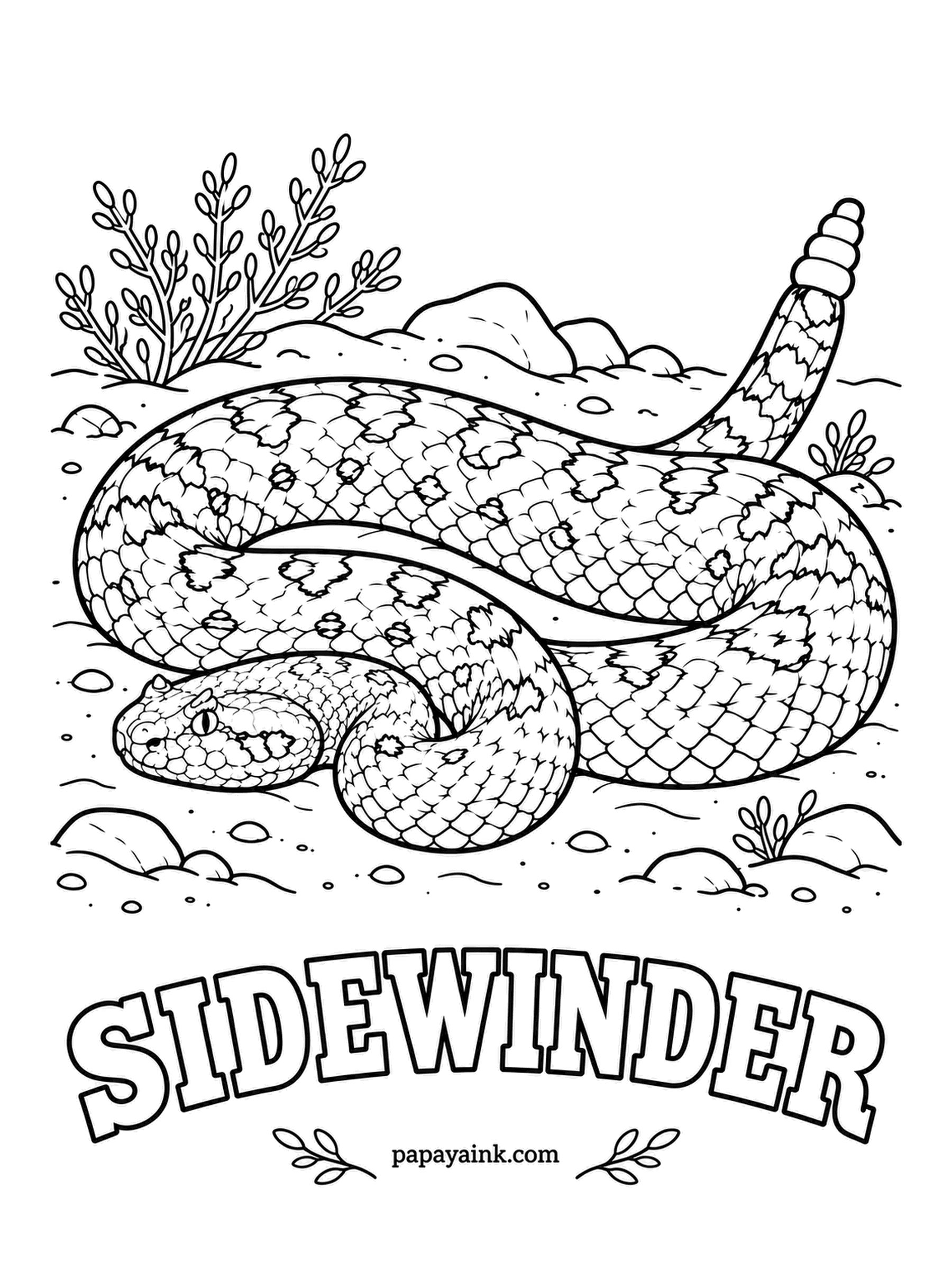
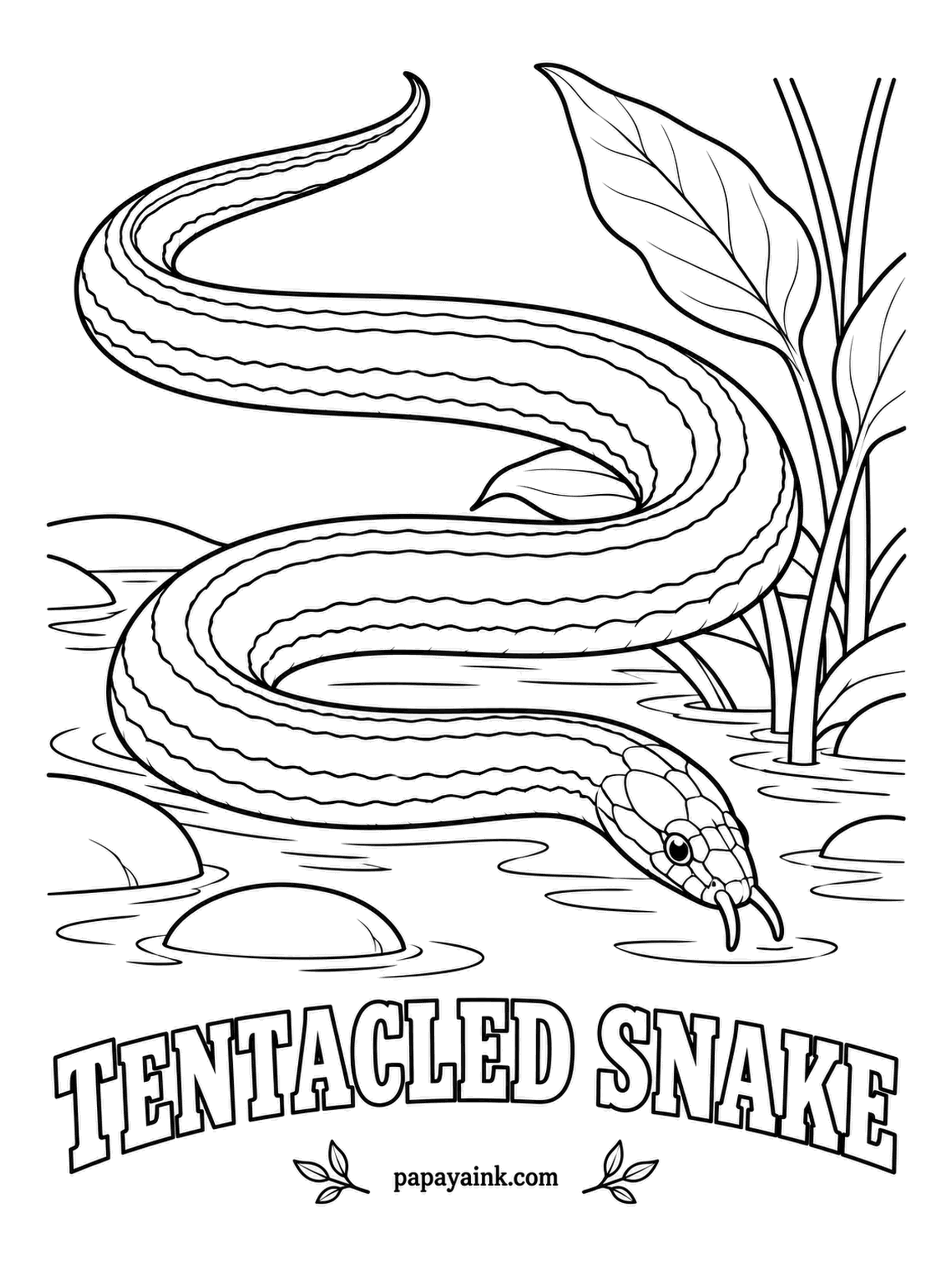


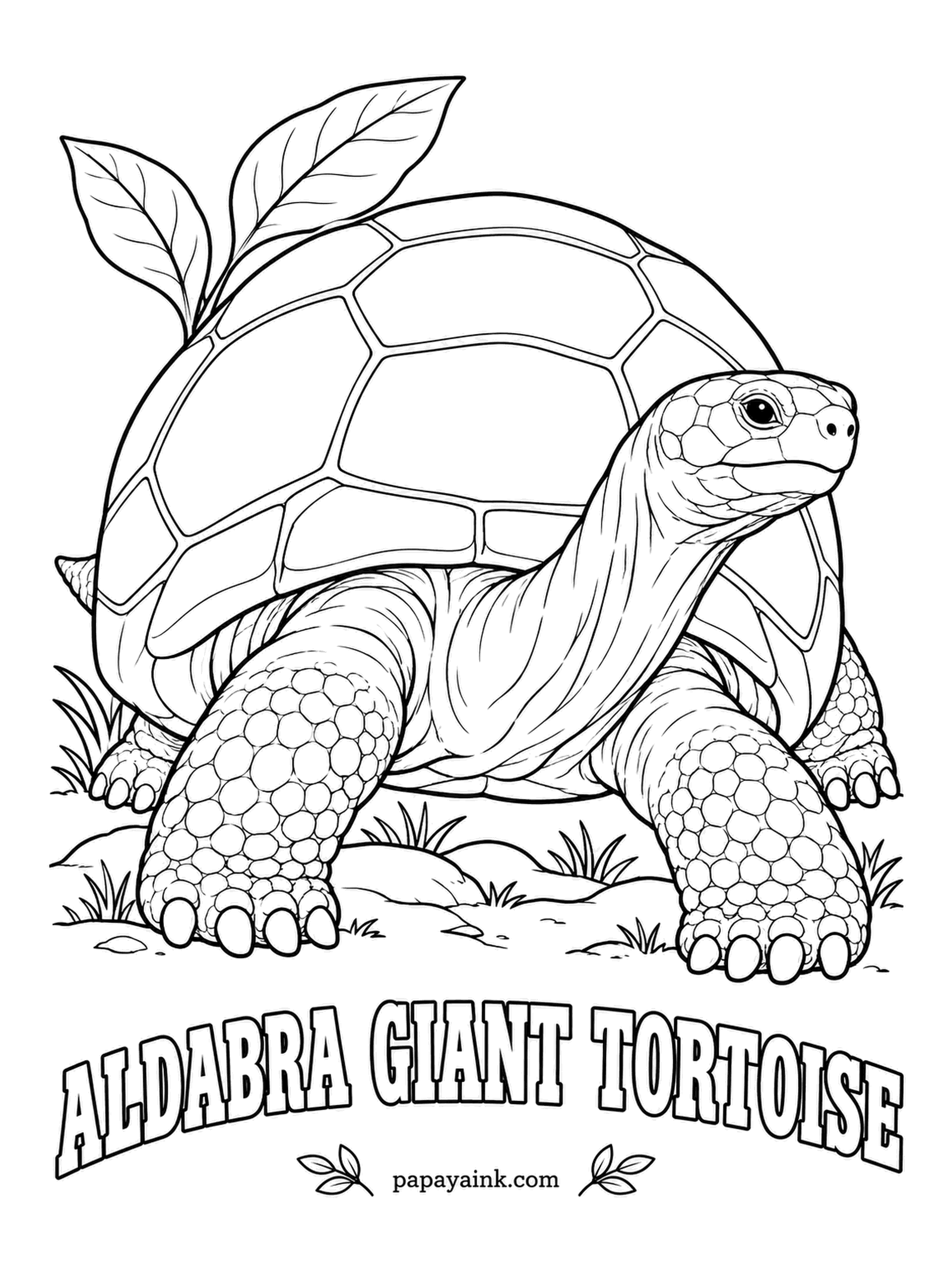

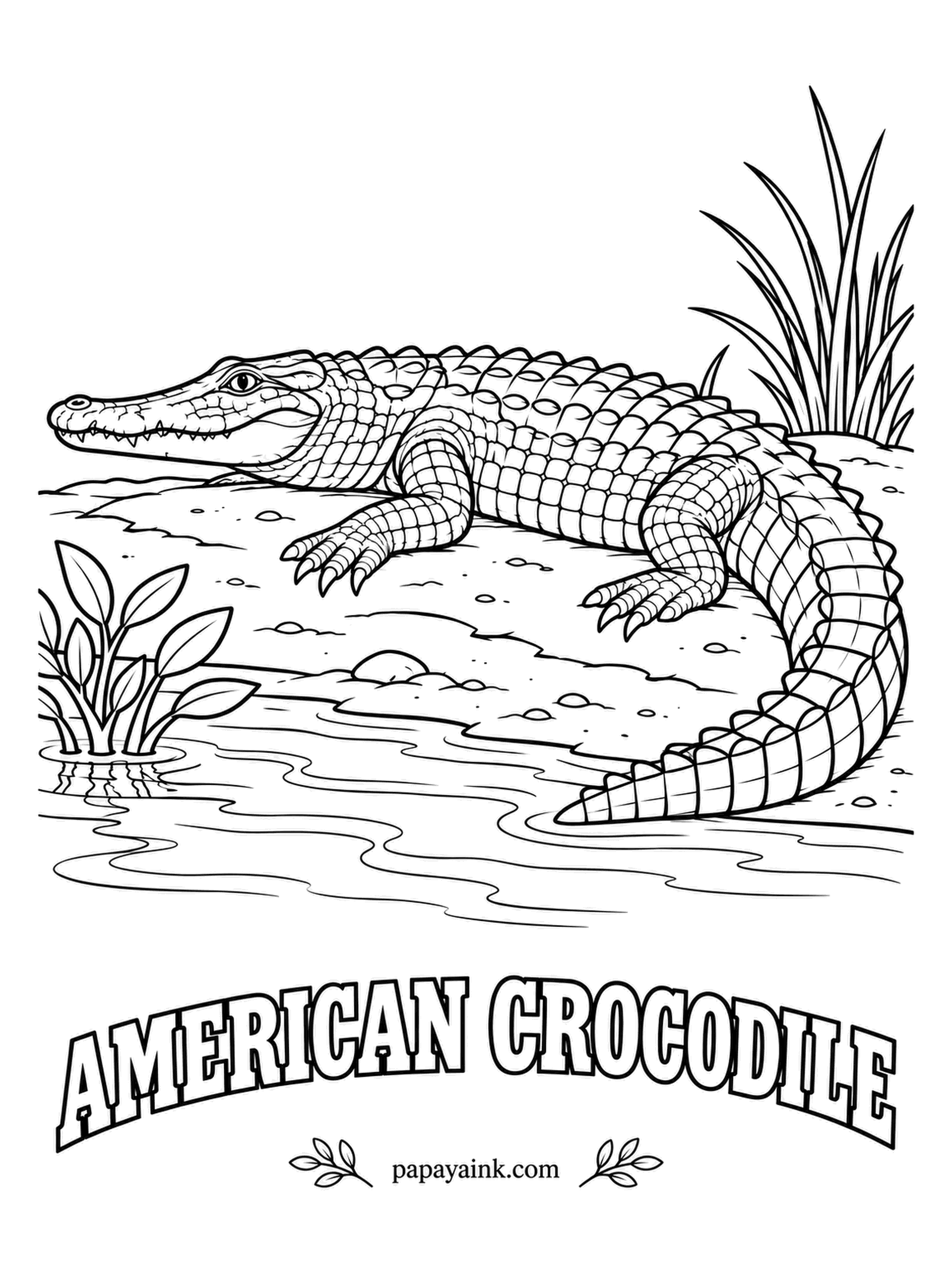

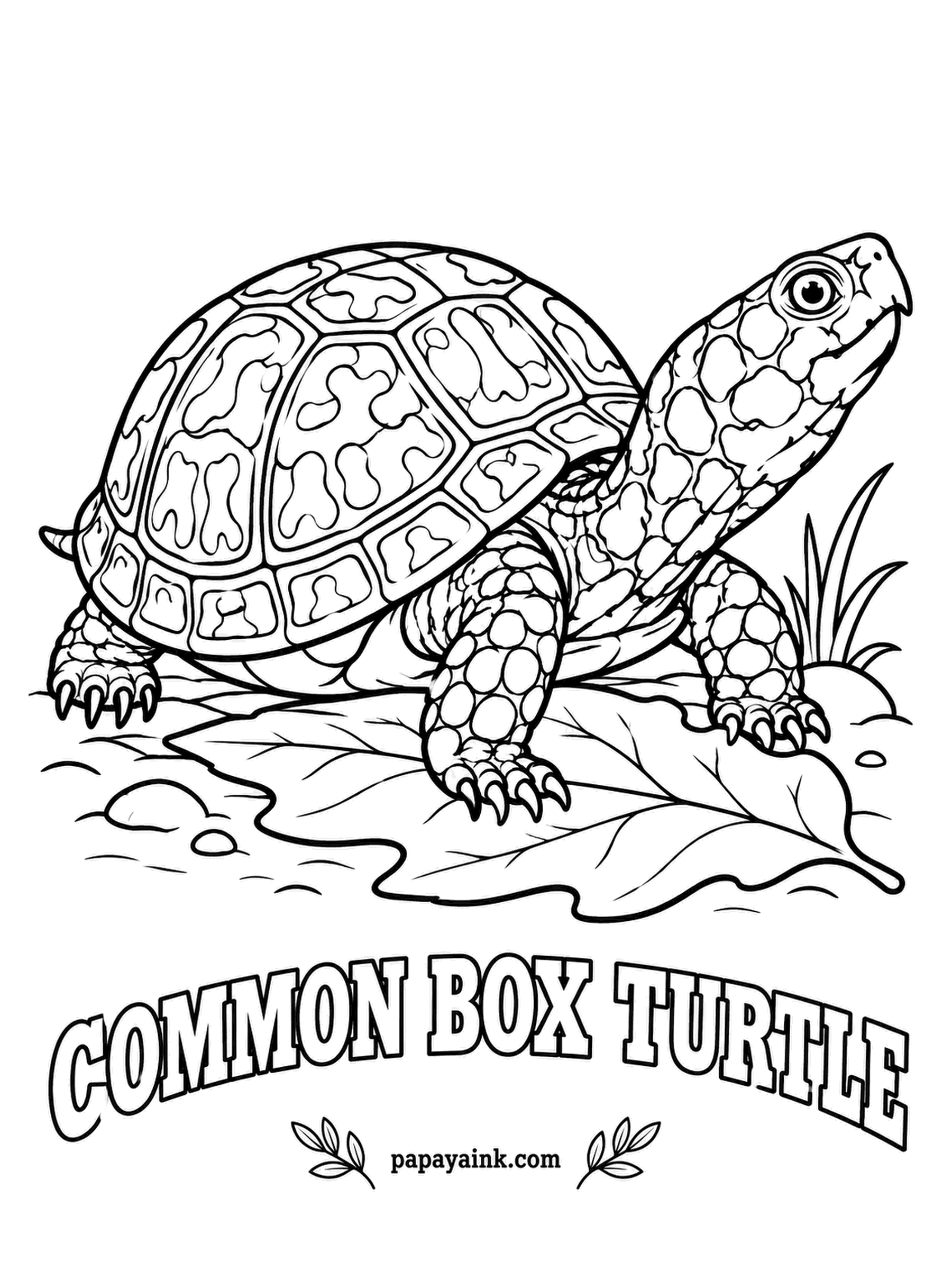
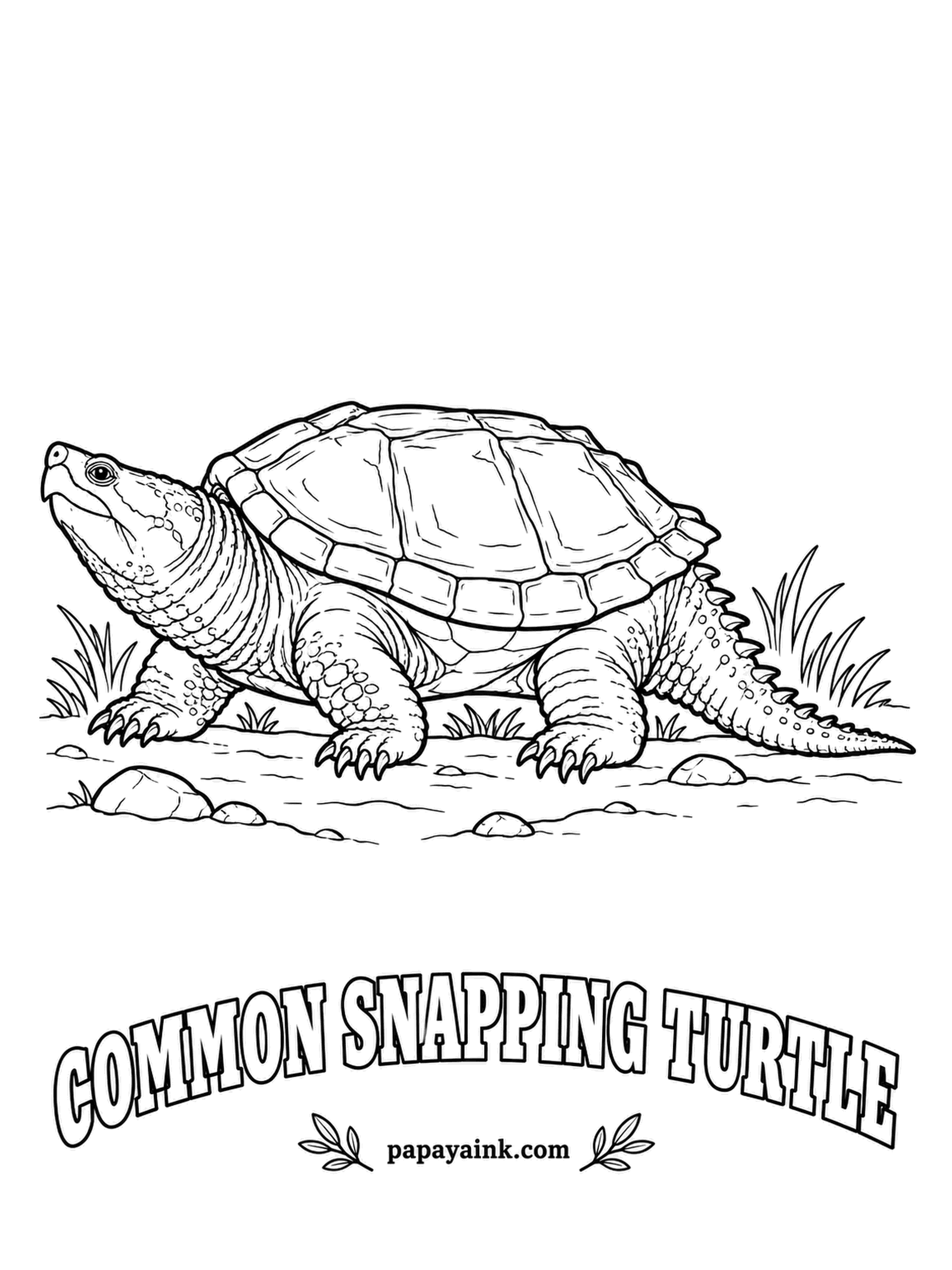
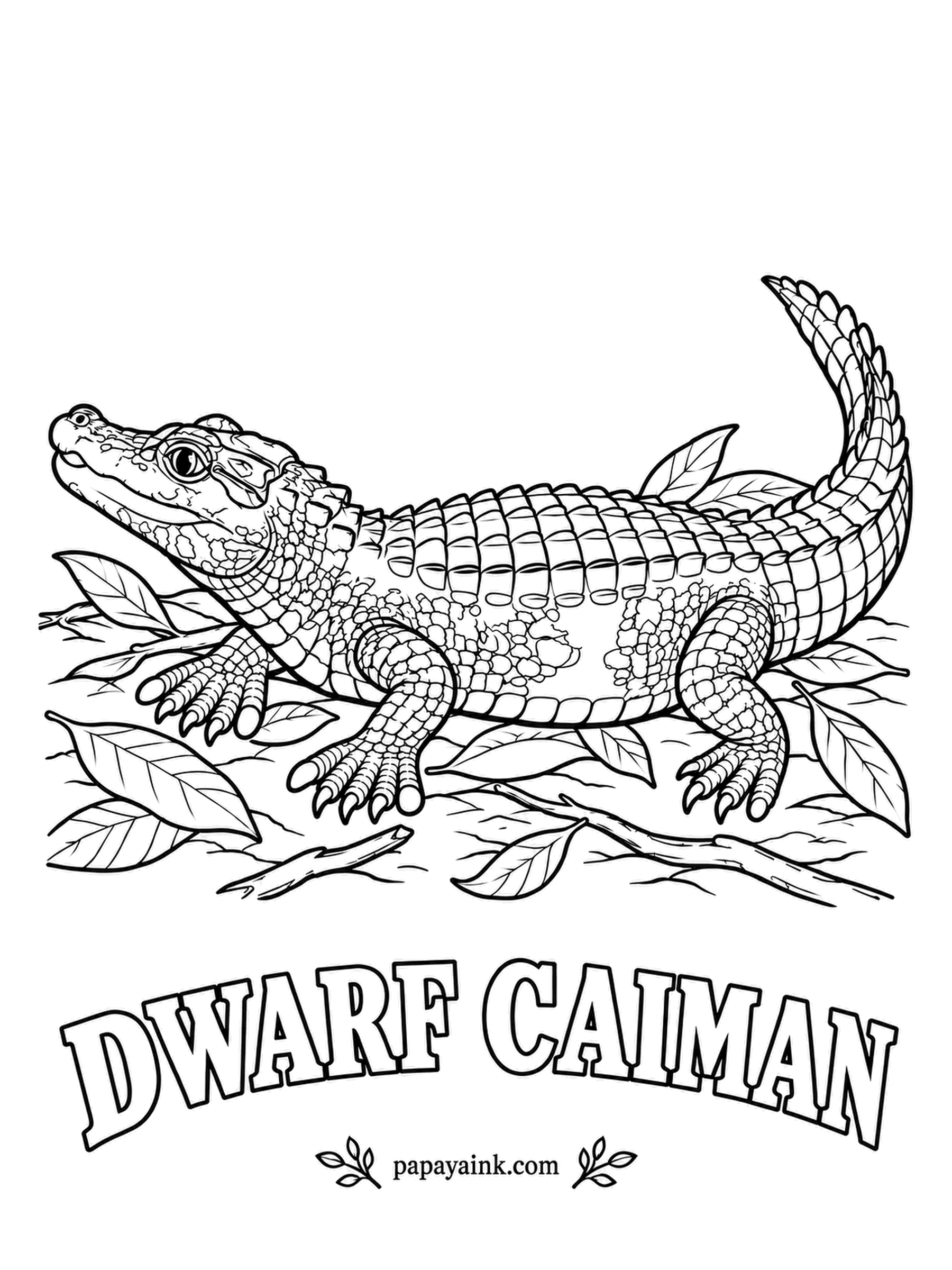

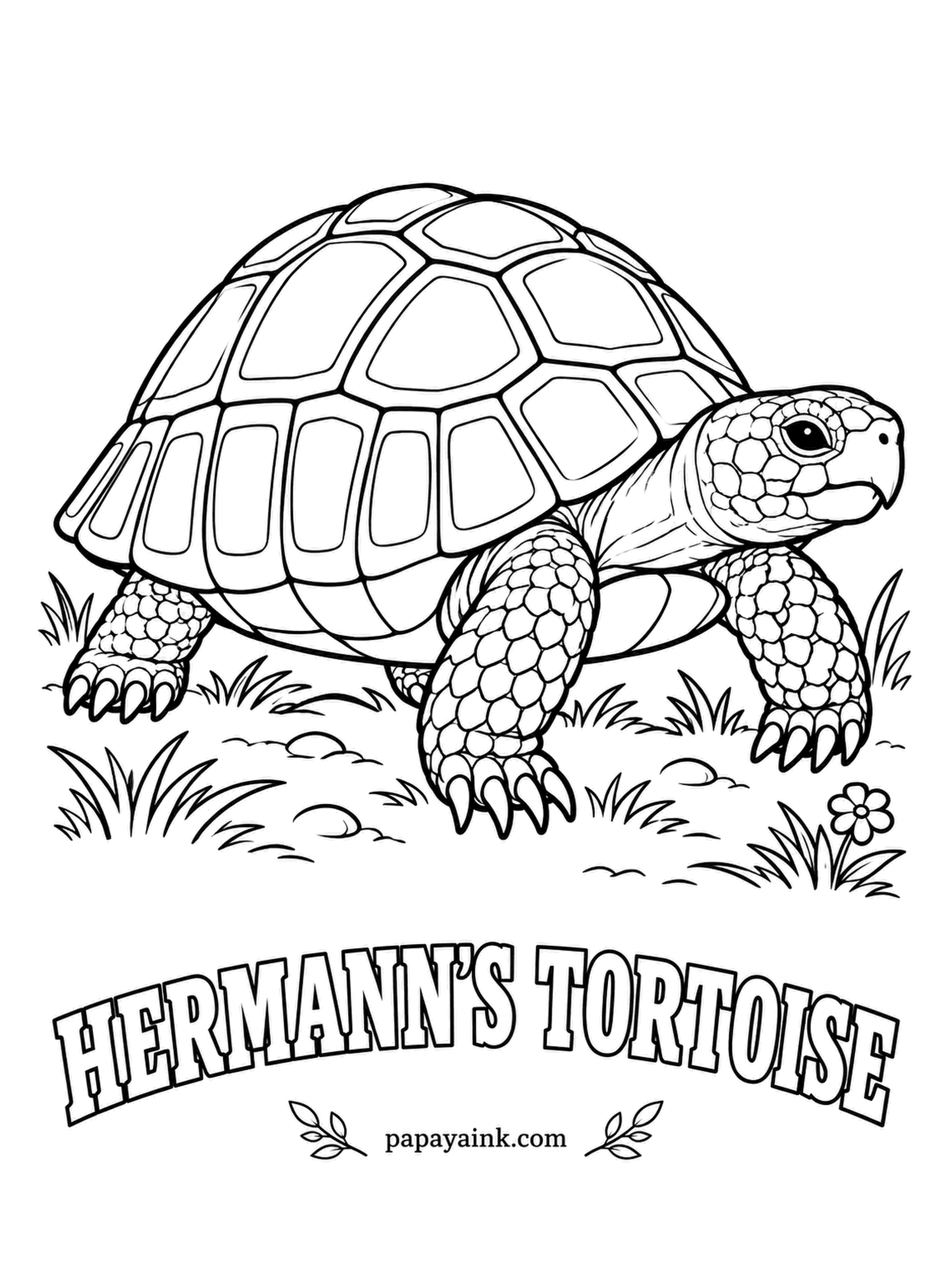

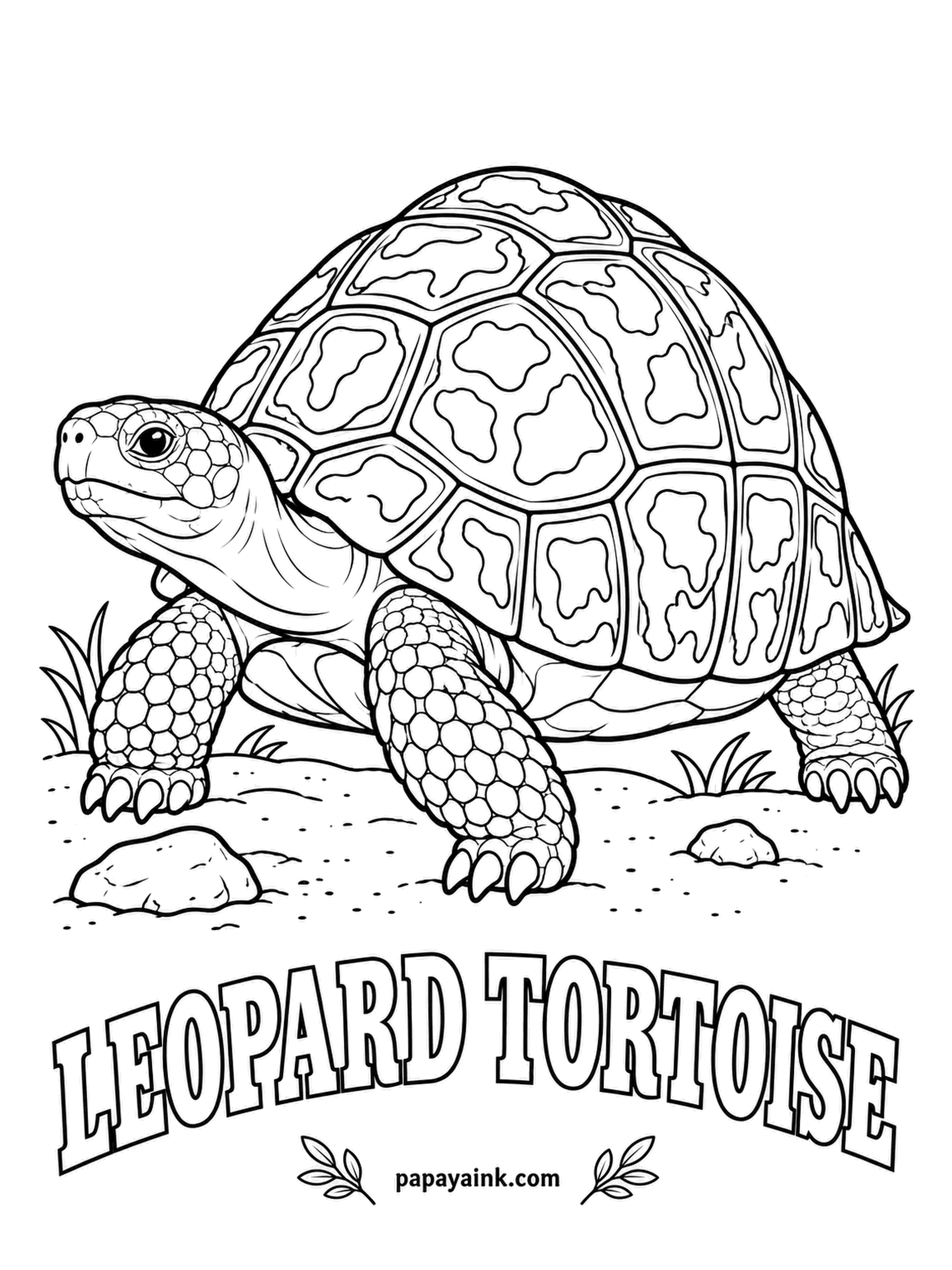

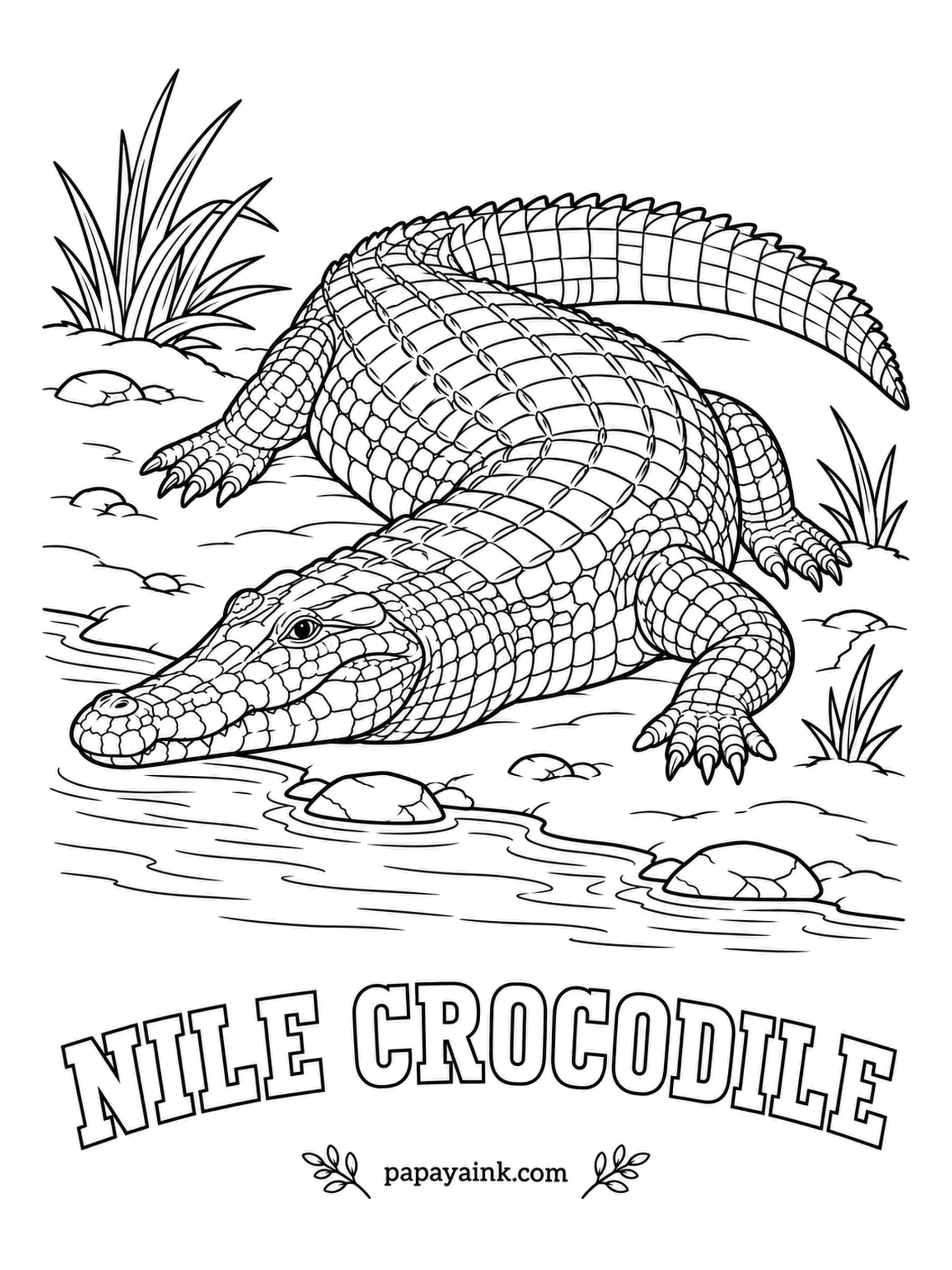
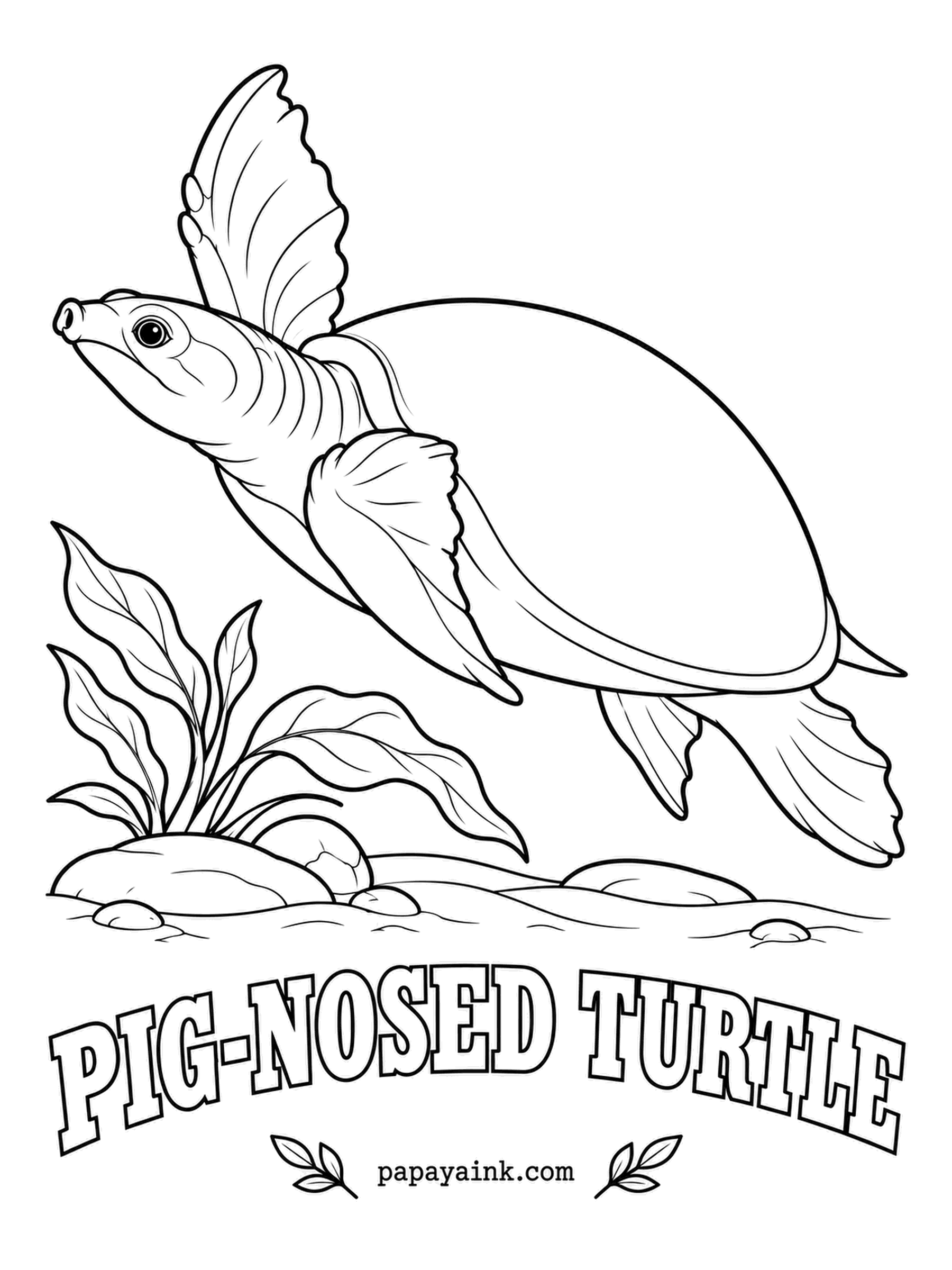
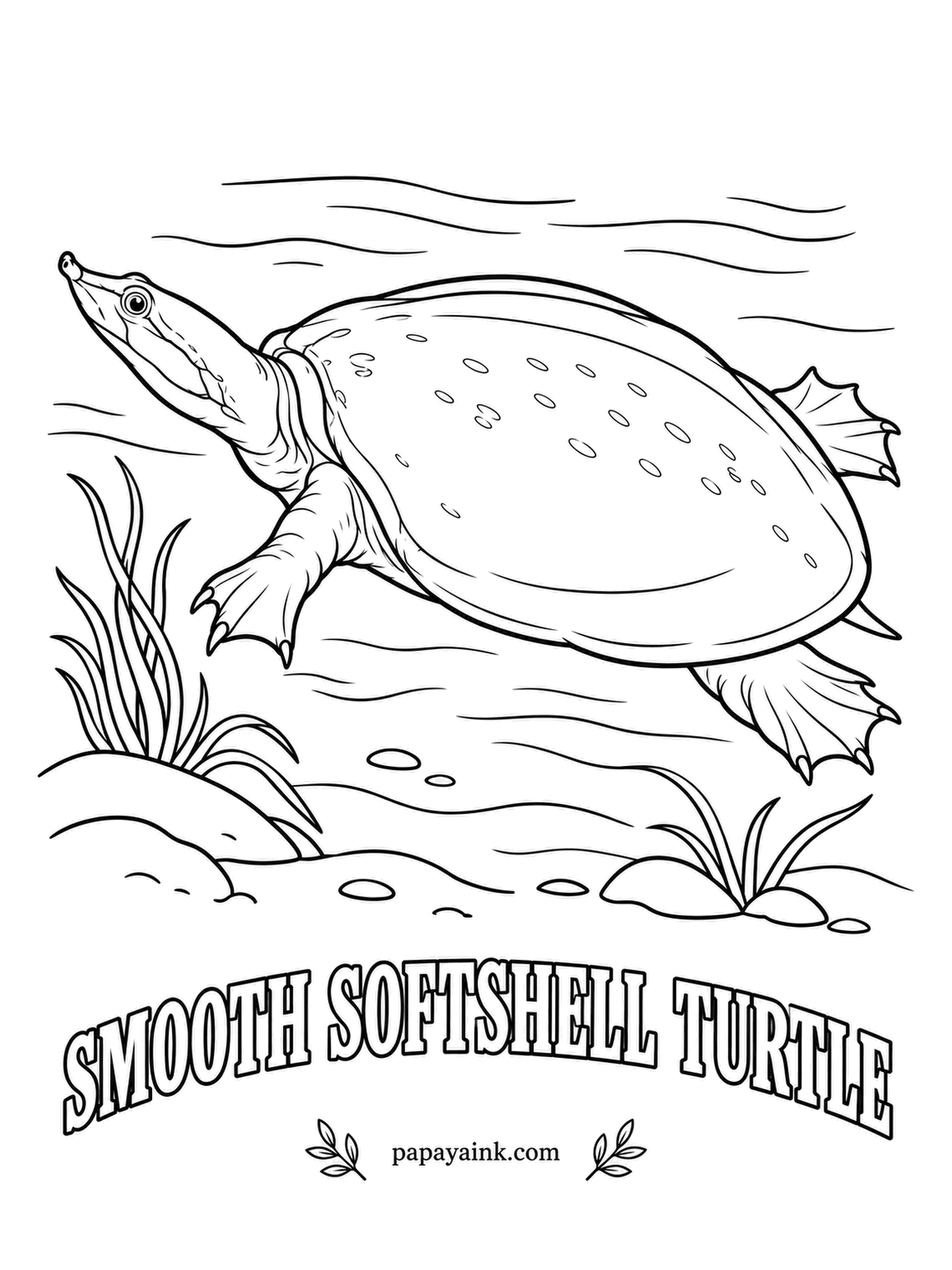
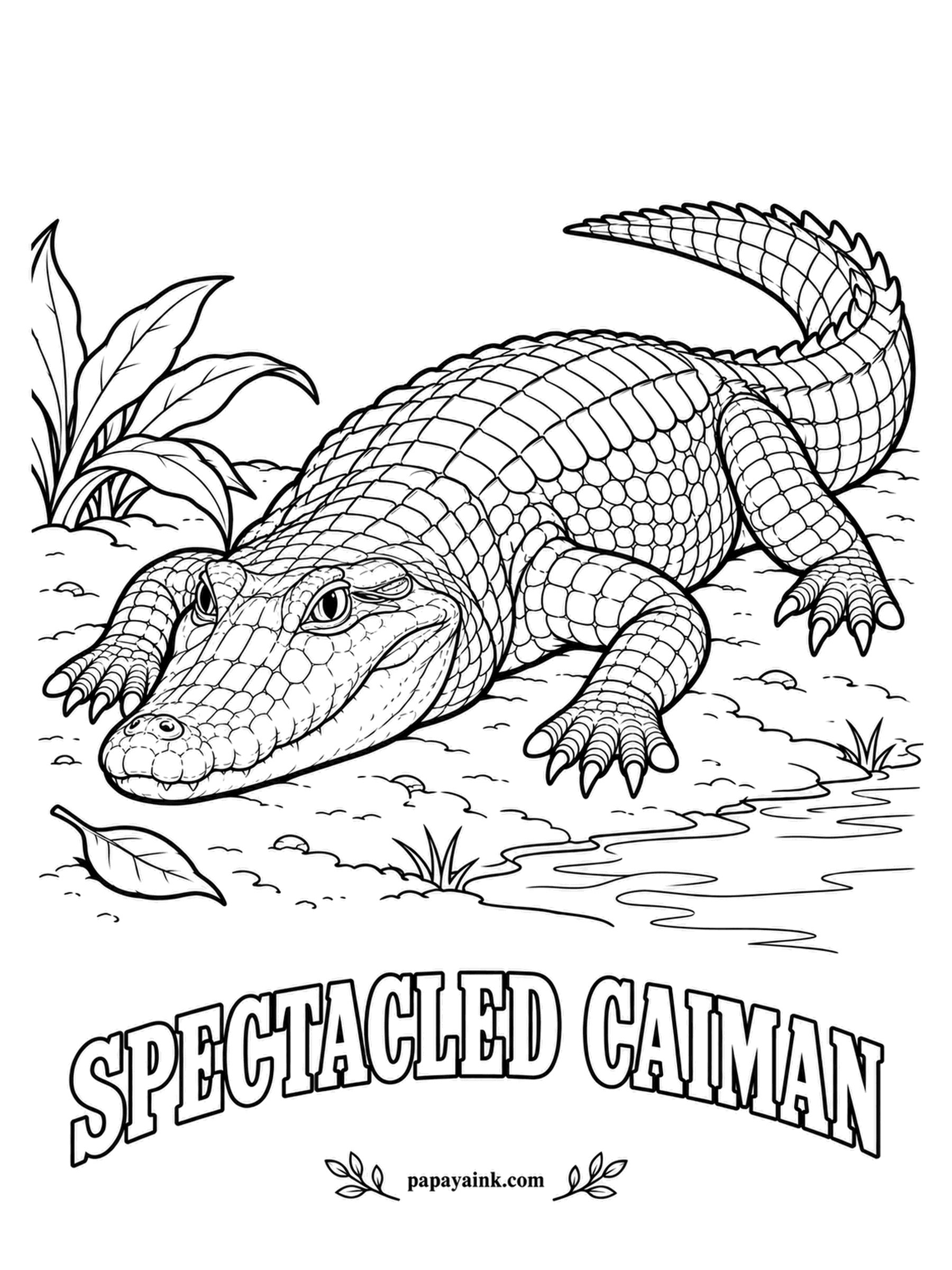
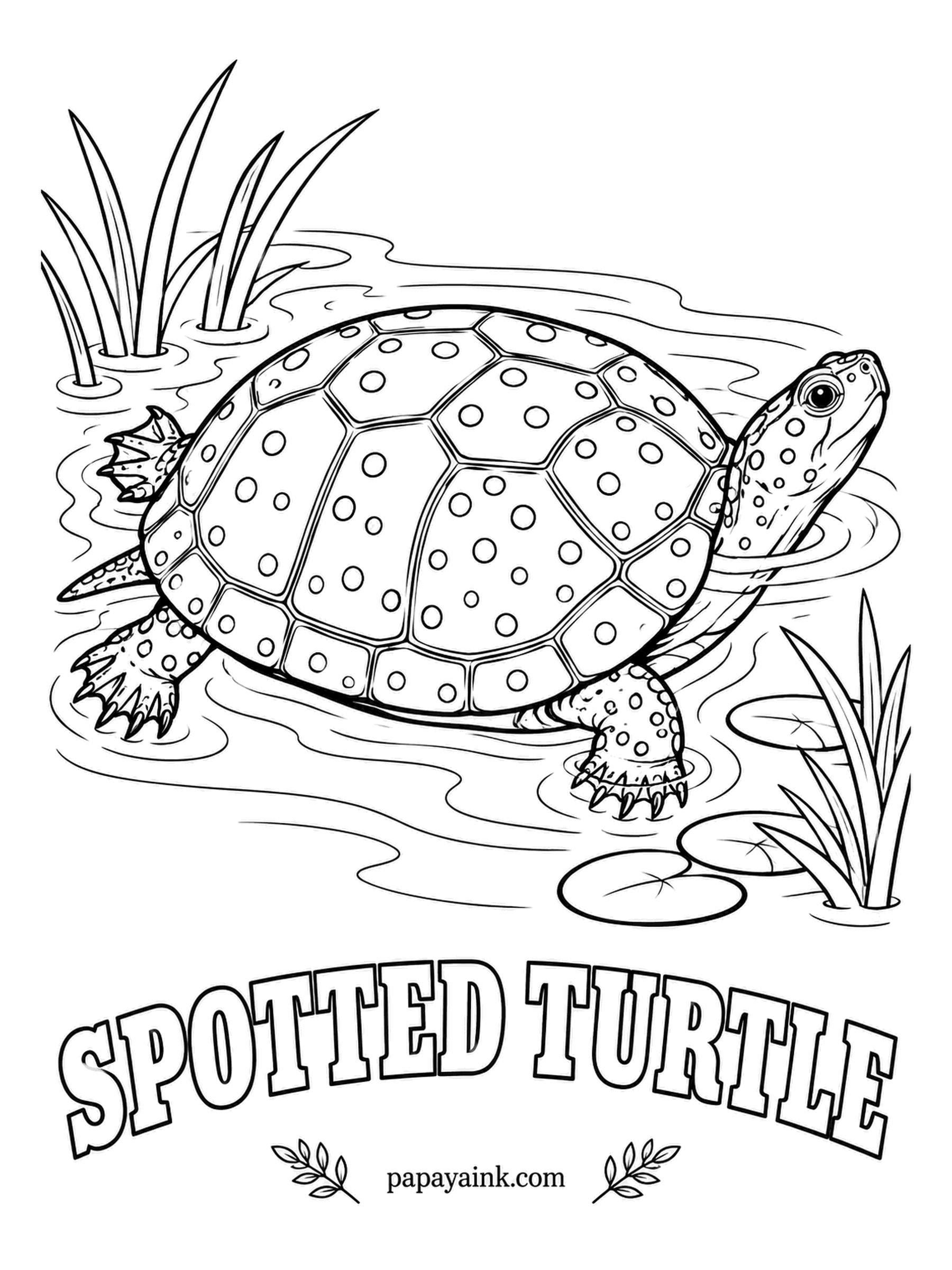
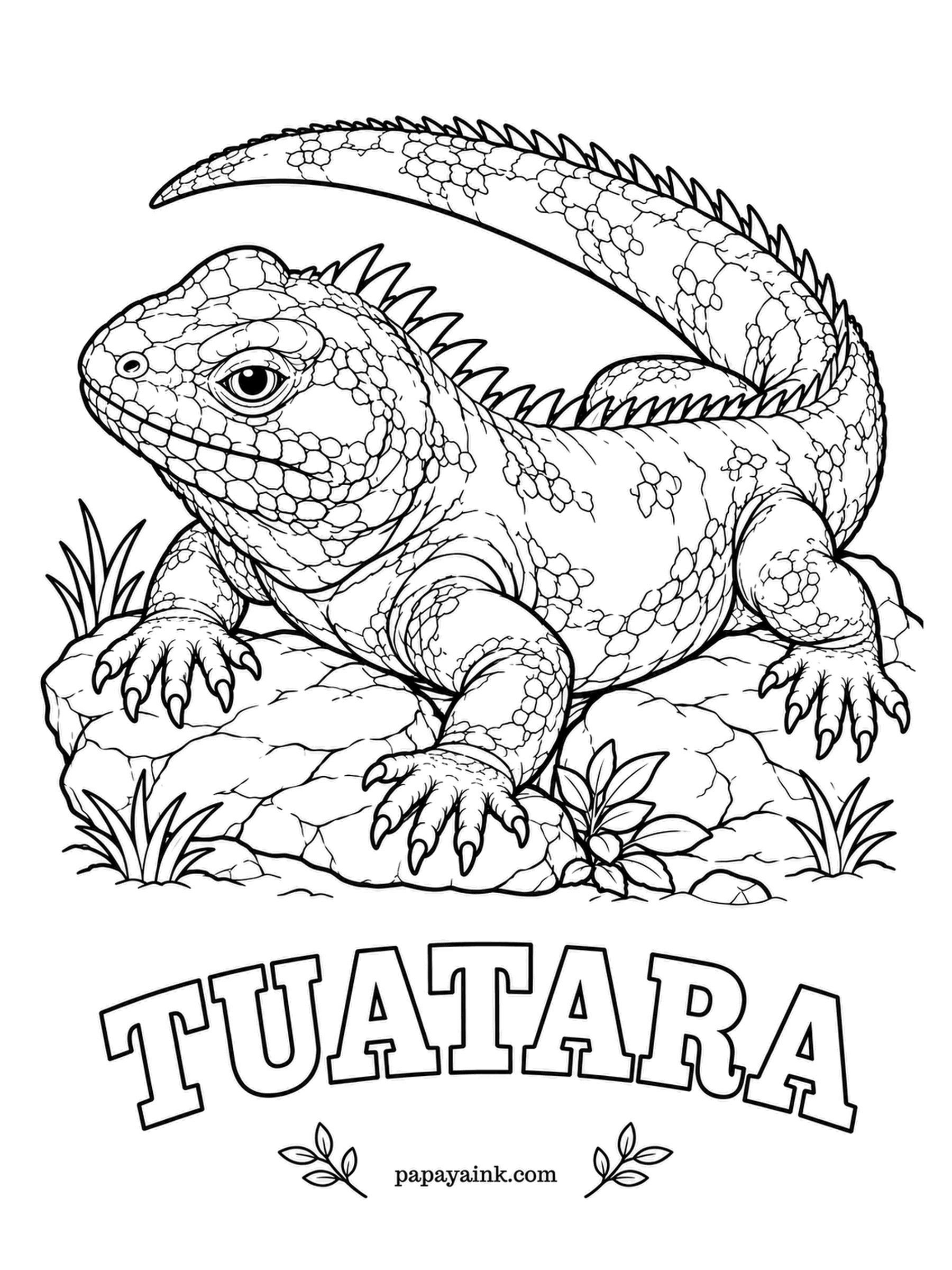

Fun Things to Make with These Coloring Pages
- Scale stamping – once a lizard is colored, dip the eraser end of a pencil in a slightly darker paint and press one dot onto every few scales. The repeated dots give the skin a bumpy look that pencils alone cannot.
- Terrarium window – color a sheet, cut the reptile out and glue it inside a shoebox laid on its side, with a sandpaper floor, a twig and a stone. Cover the open front with plastic wrap for a glass-tank effect.
- Field guide booklet – fold several colored sheets in half, staple them along the spine and write two facts under each species on the facing page. The names are already lettered on every sheet, so the index writes itself.
- Bookmark tails – the long tails on snake and lizard sheets make natural bookmarks. Color, cut the tail out with a half inch of margin, laminate or cover with clear tape, and punch a hole for a ribbon.
- Camouflage test – color one gecko in true bark colors and another in neon, then tape both to a tree trunk outdoors and photograph them from ten steps away. The lesson in camouflage teaches itself.
- Metallic highlights – after coloring, trace the ridge of every third scale with a gold or copper gel pen. Reptile skin catches light along the scale edges, and the metallic line reads as a real sheen.
- Sorting game – color a set of sheets, trim each to the picture, and sort them into piles: climbers, ground dwellers, desert, rainforest. It works as a quiet classroom activity and the cards survive repeated handling.
- Window silhouette – color the animal only, leave the background white, then cut around the outline and tape it to a sunny window. The scale pattern glows through the paper like a stained-glass panel.