Home›Easy Coloring Pages — Free Printable PDF
 By: Papaya Ink Team · Last updated: November 23, 2026
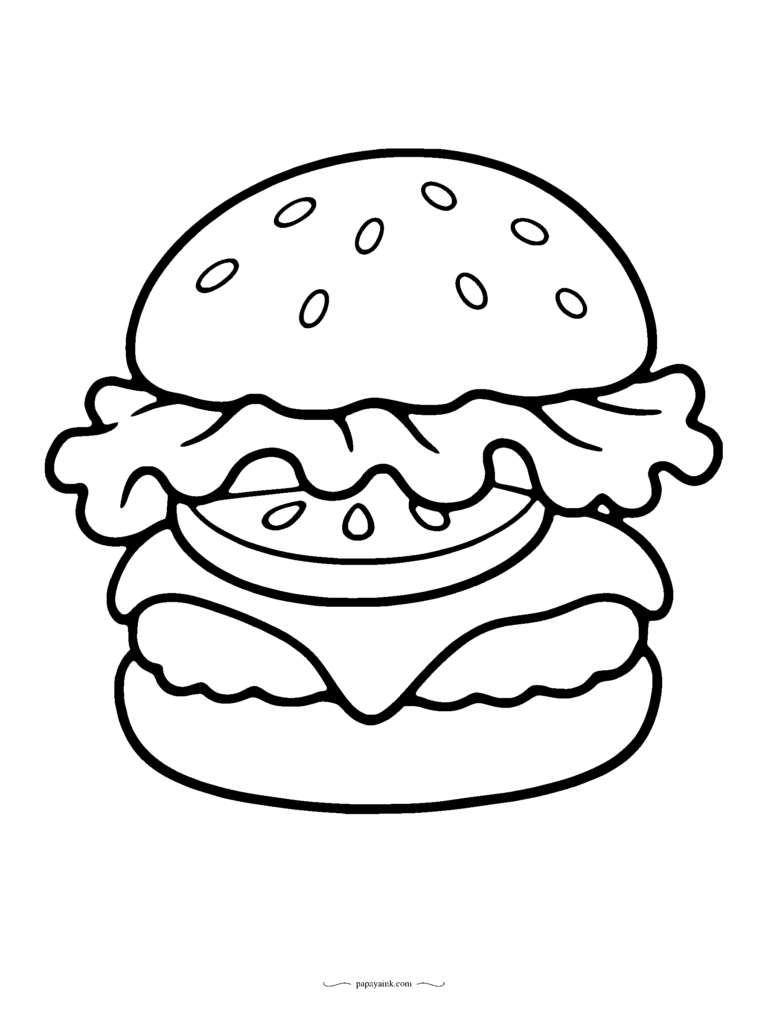
Easy fruit and vegetable coloring pages show fresh produce the way it looks at a farmers market or on a cutting board: whole, cut in half, sliced or gathered in a basket. Every drawing has a bold black outline and big open shapes, so there is plenty of room for a marker to move across the skin of an apple or the flesh of a melon and stay inside the lines. Fruit and vegetables come in almost every color there is, which makes them a pleasure to fill in.
Show me
Showing only black & white pages.
Showing only pages with a color sample. 77 other pages are hidden.
No black & white pages here yet – showing everything.
No pages with a color sample here yet – showing everything.
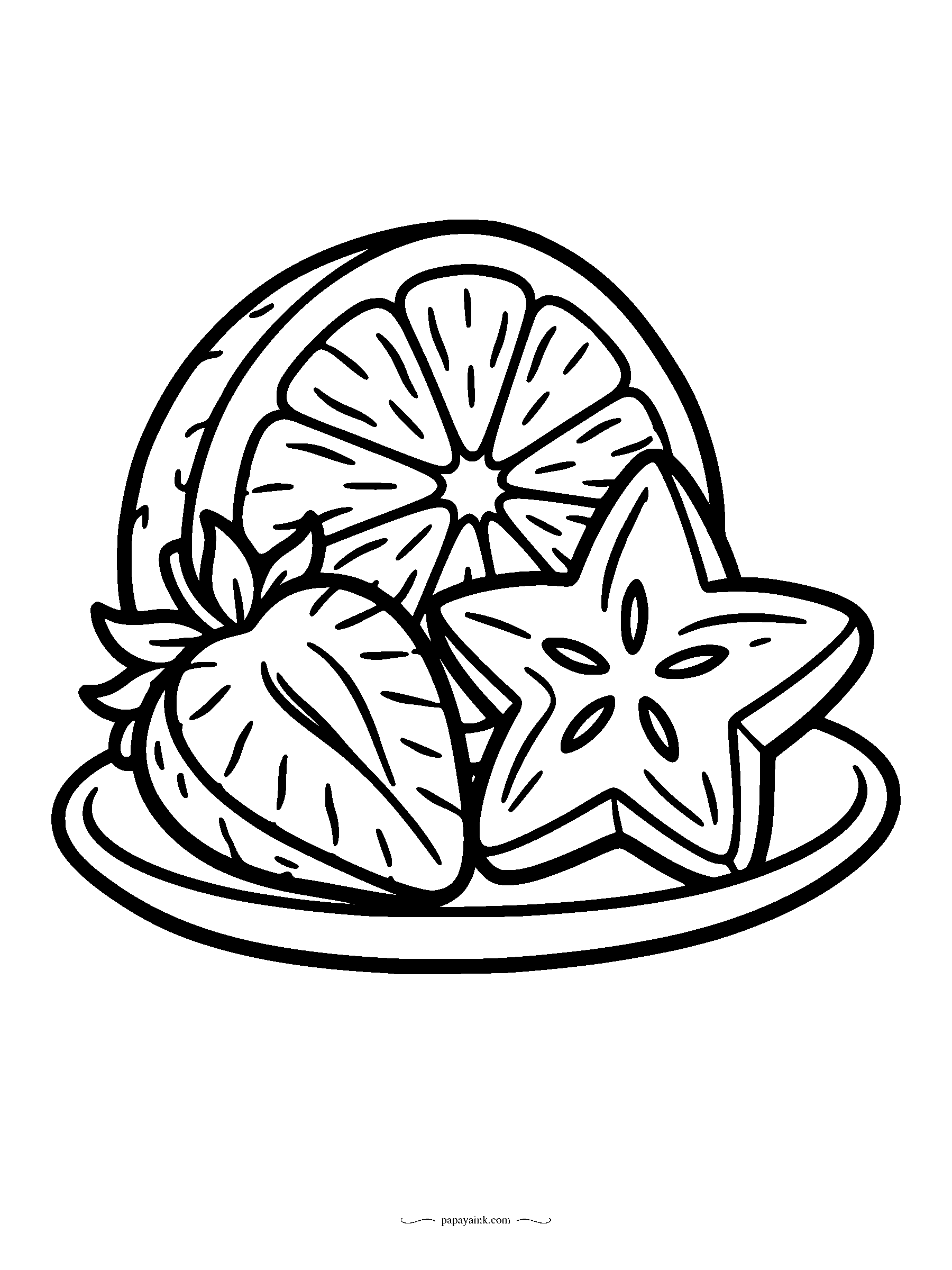
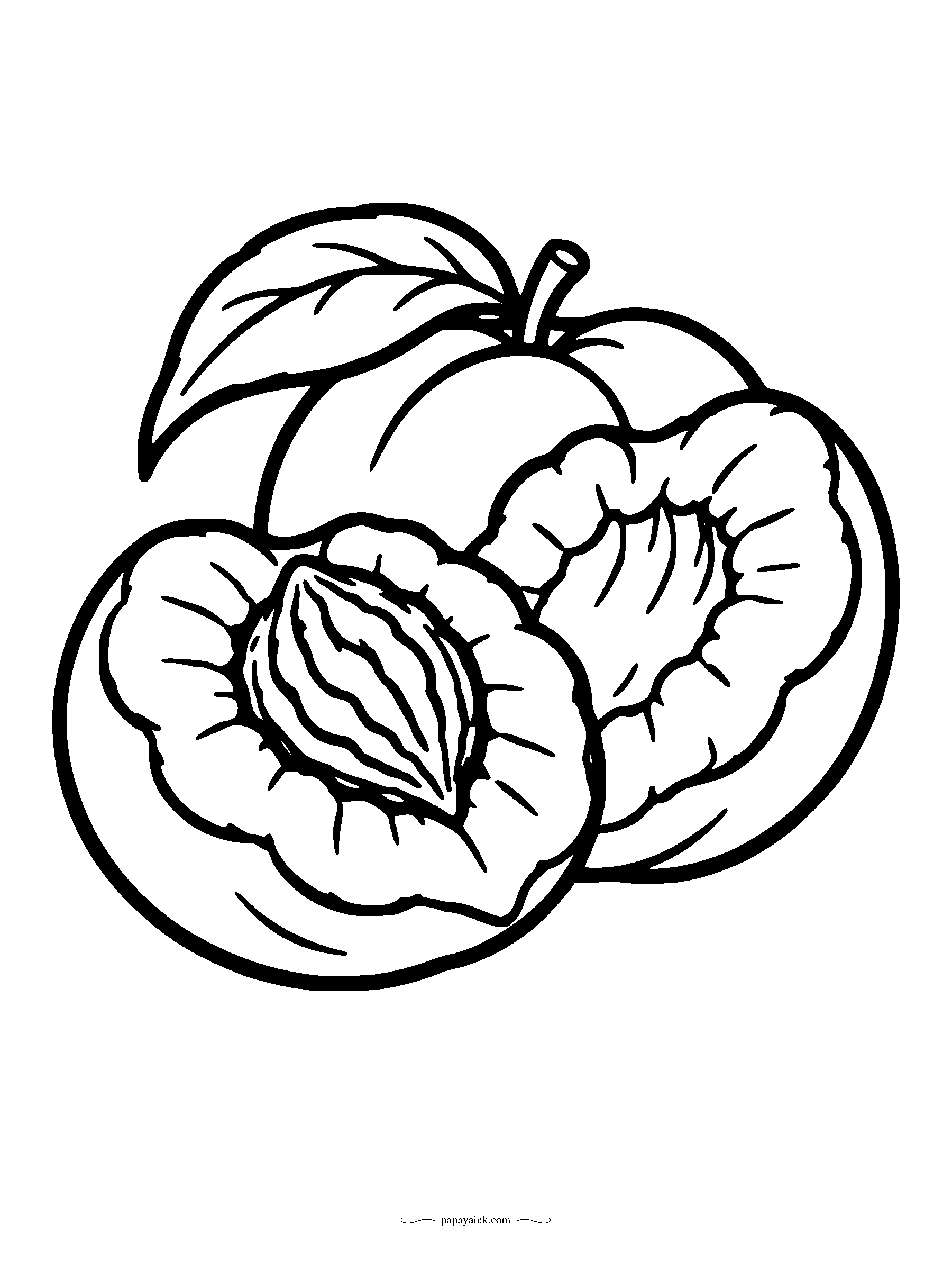
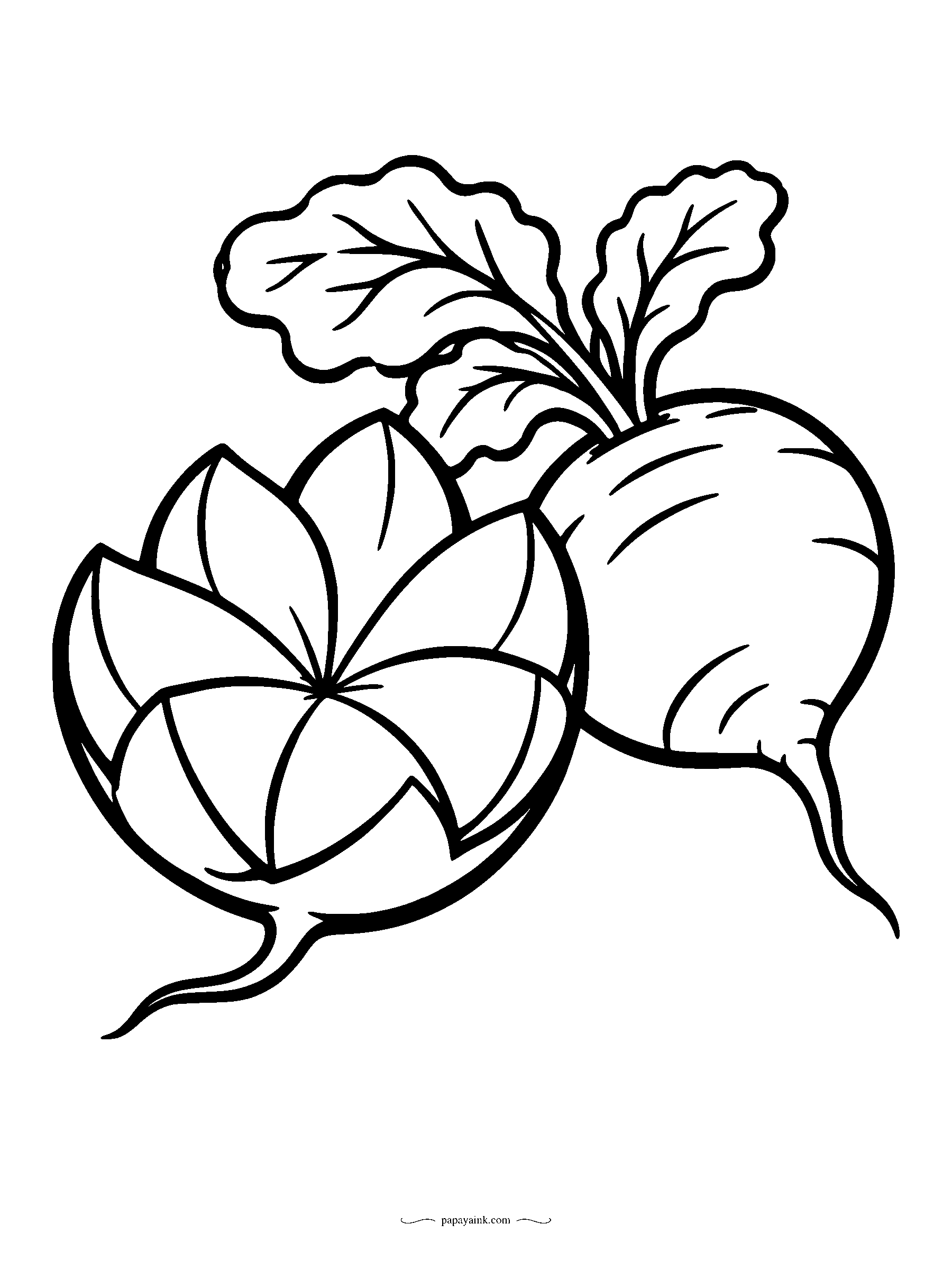
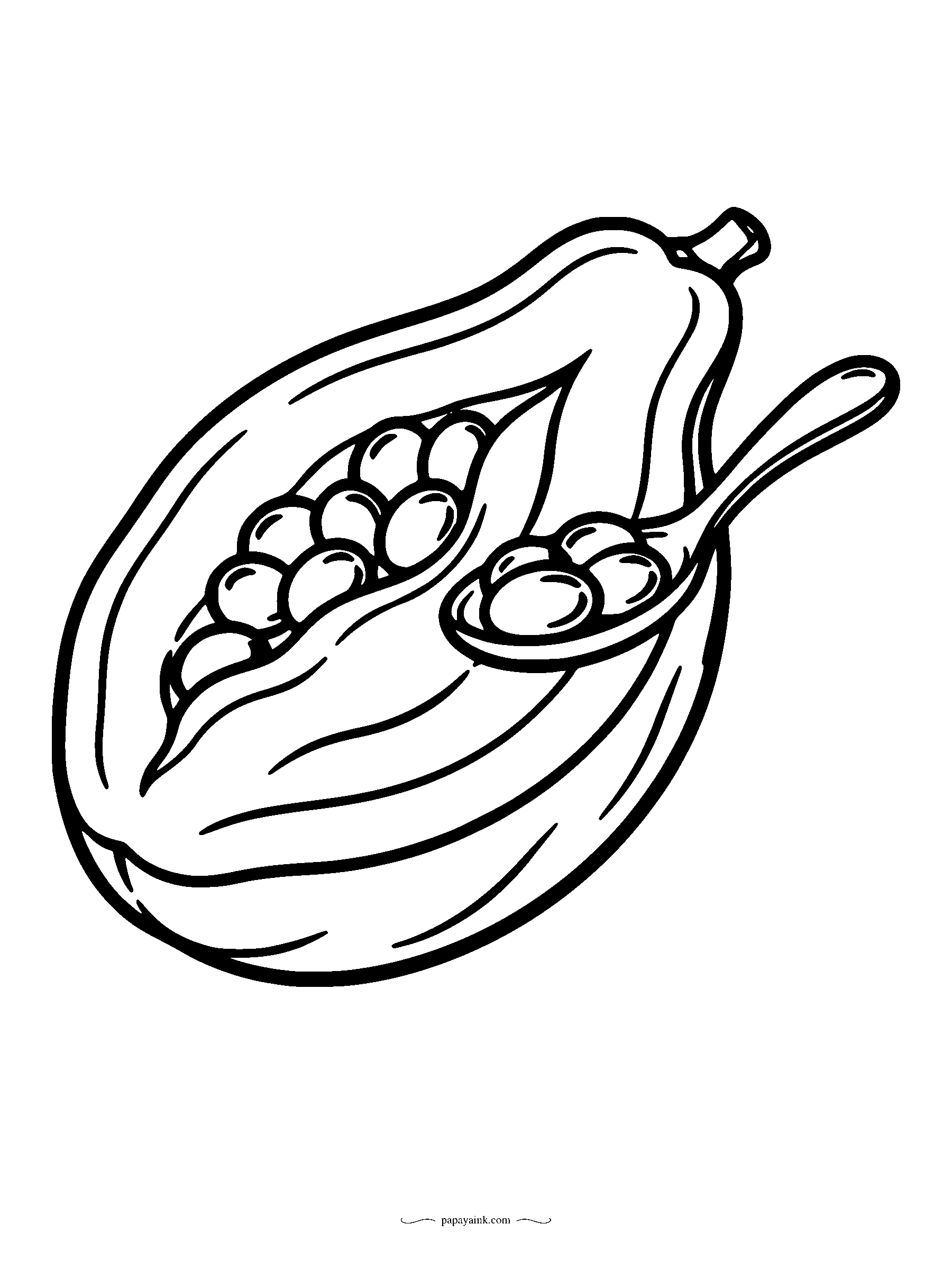
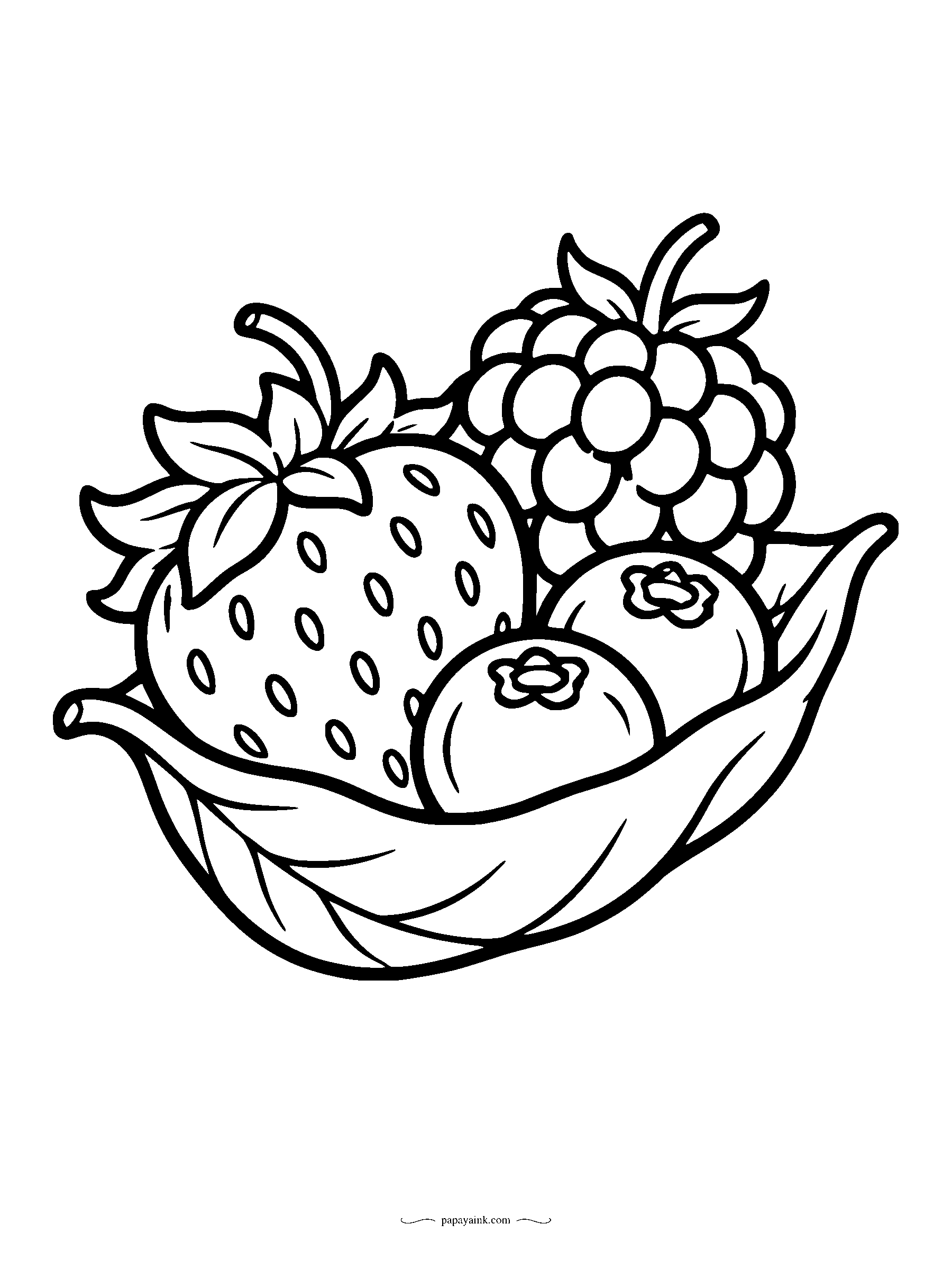
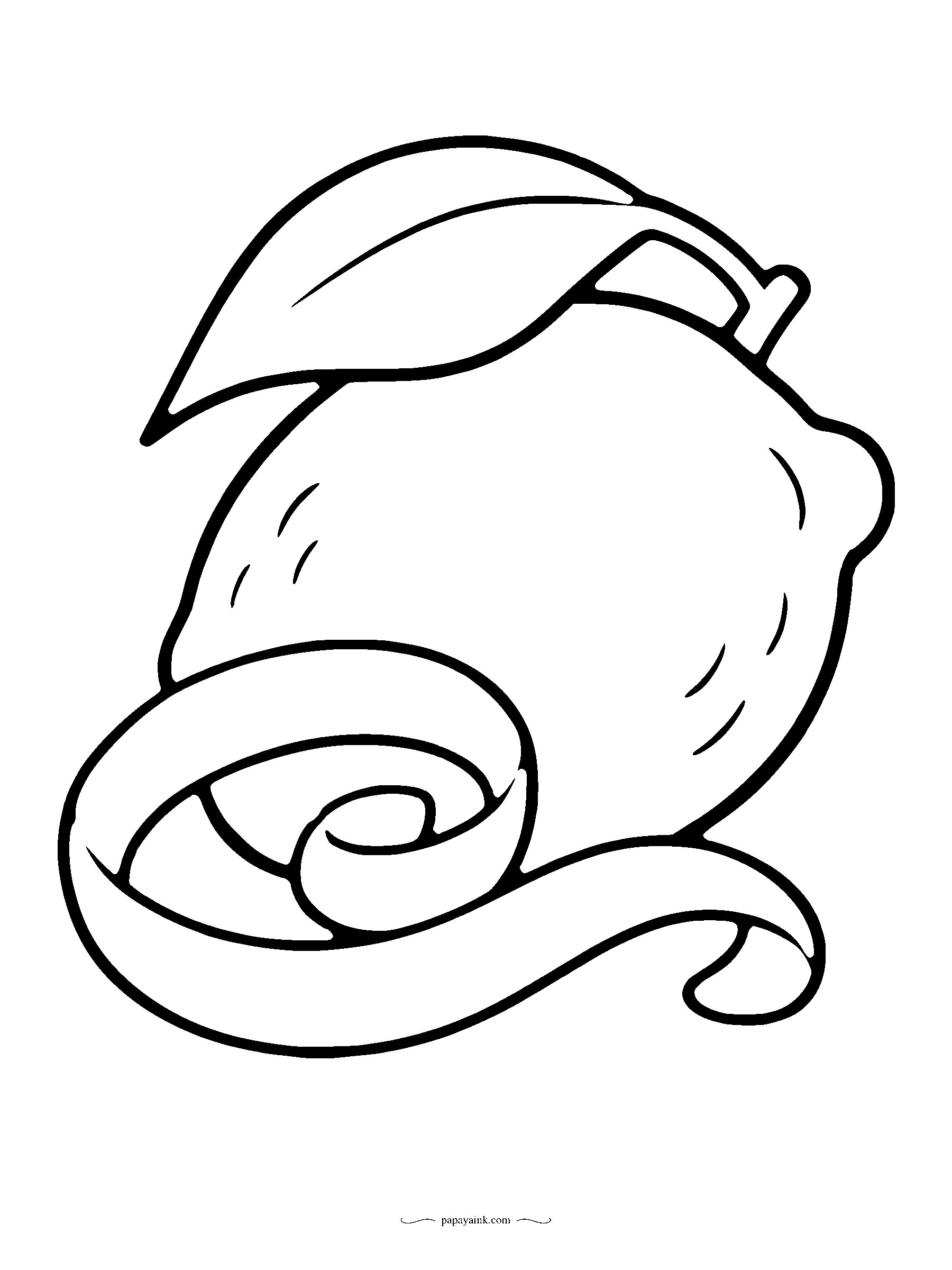
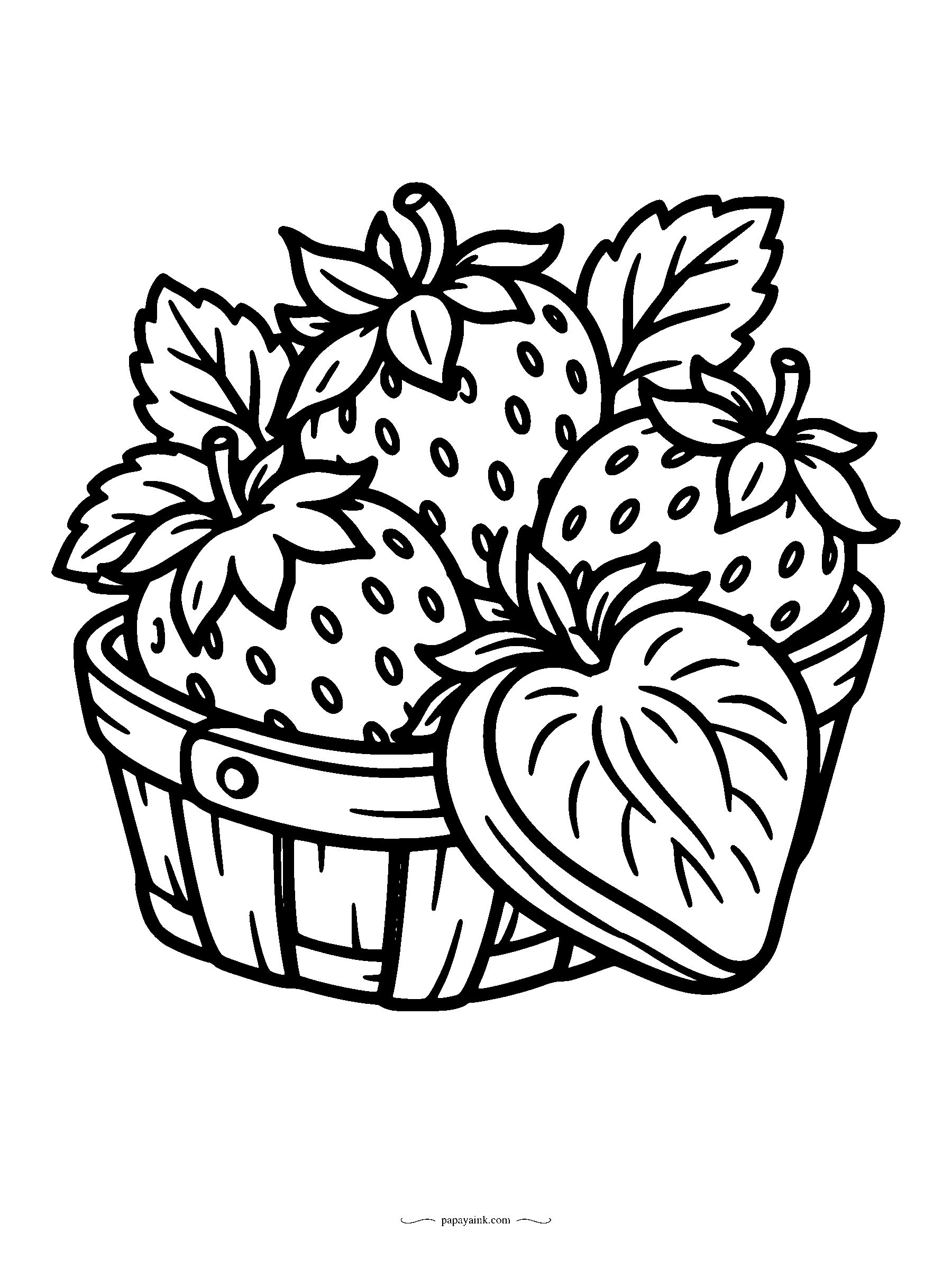
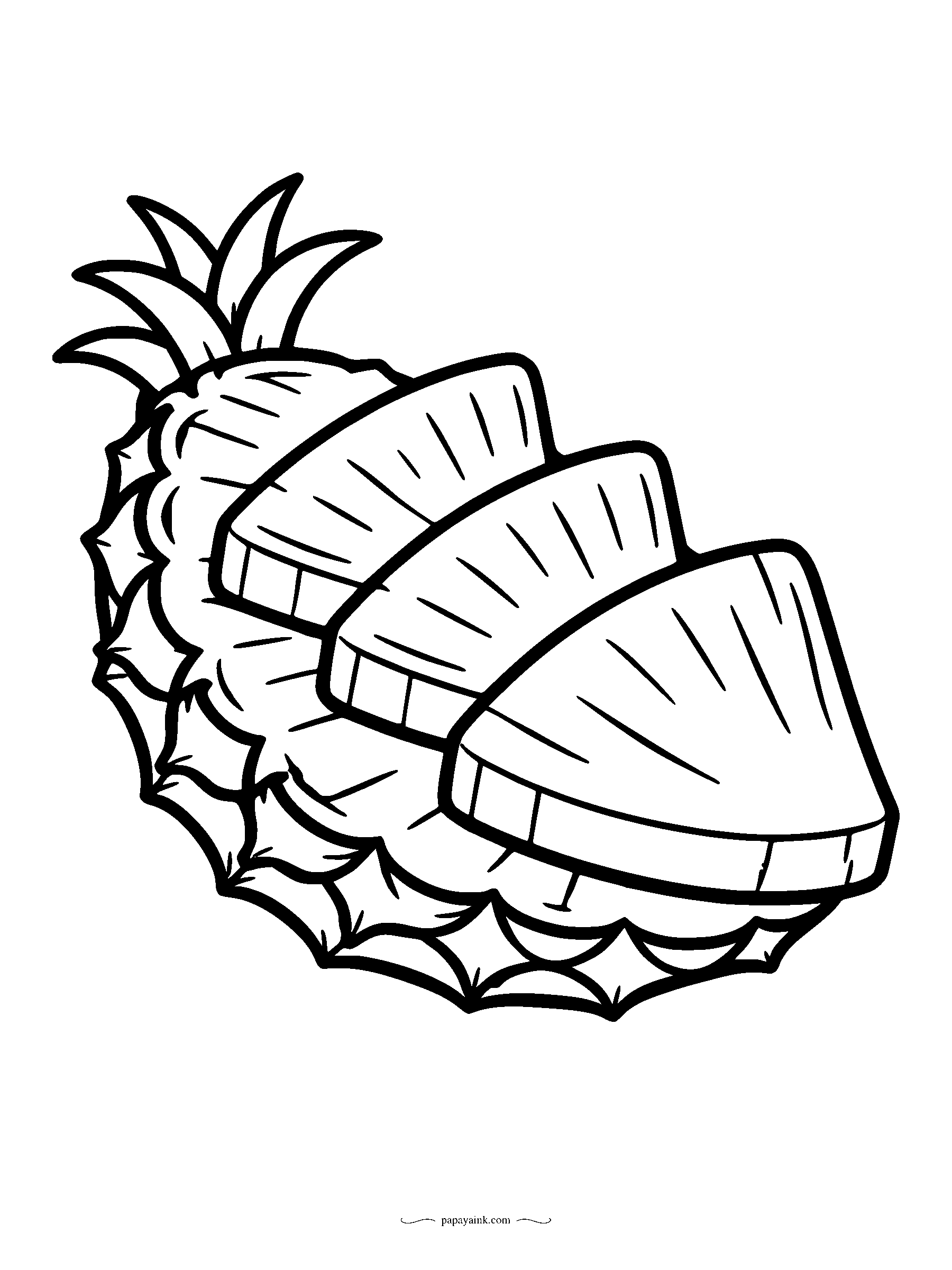
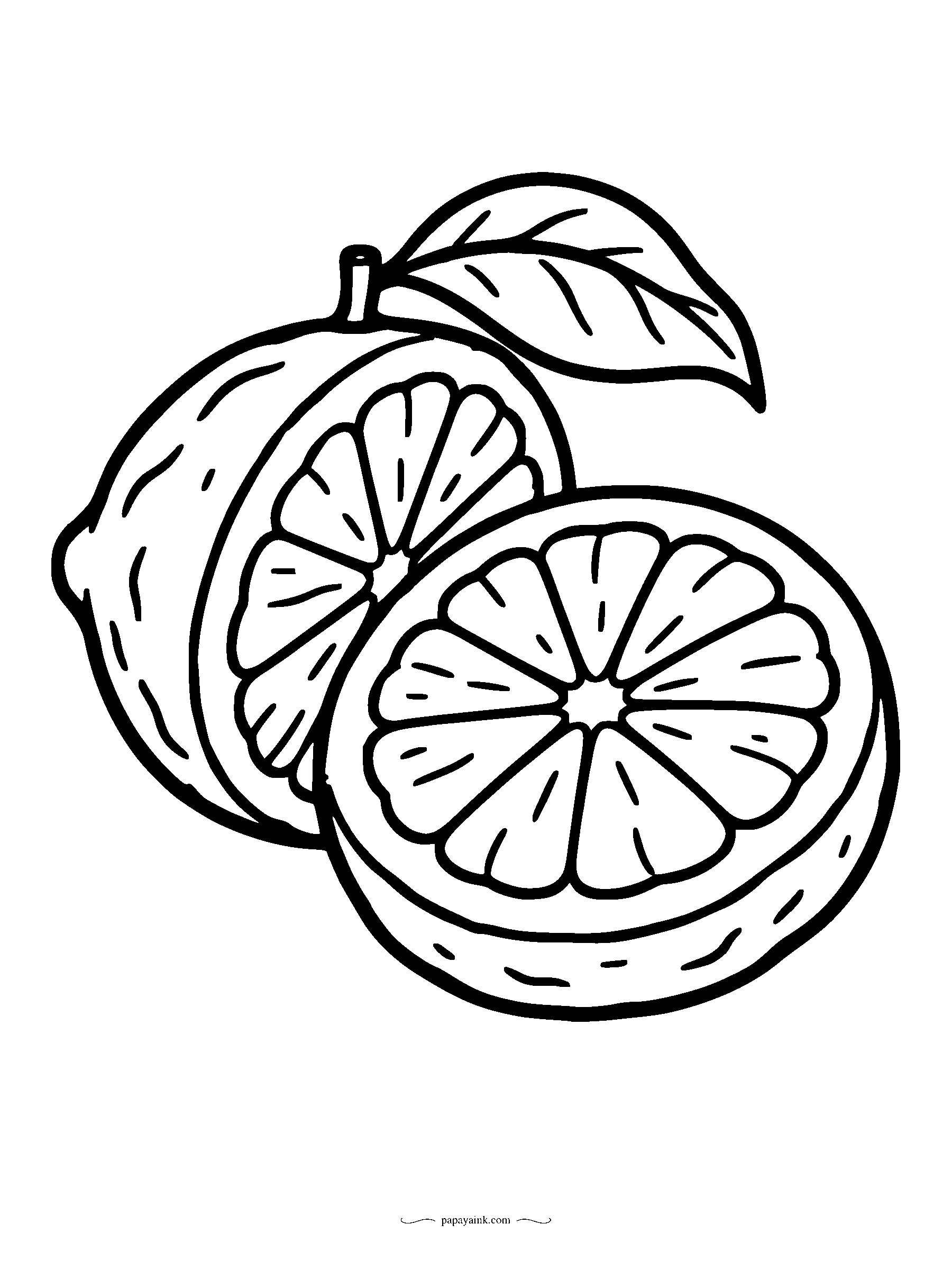
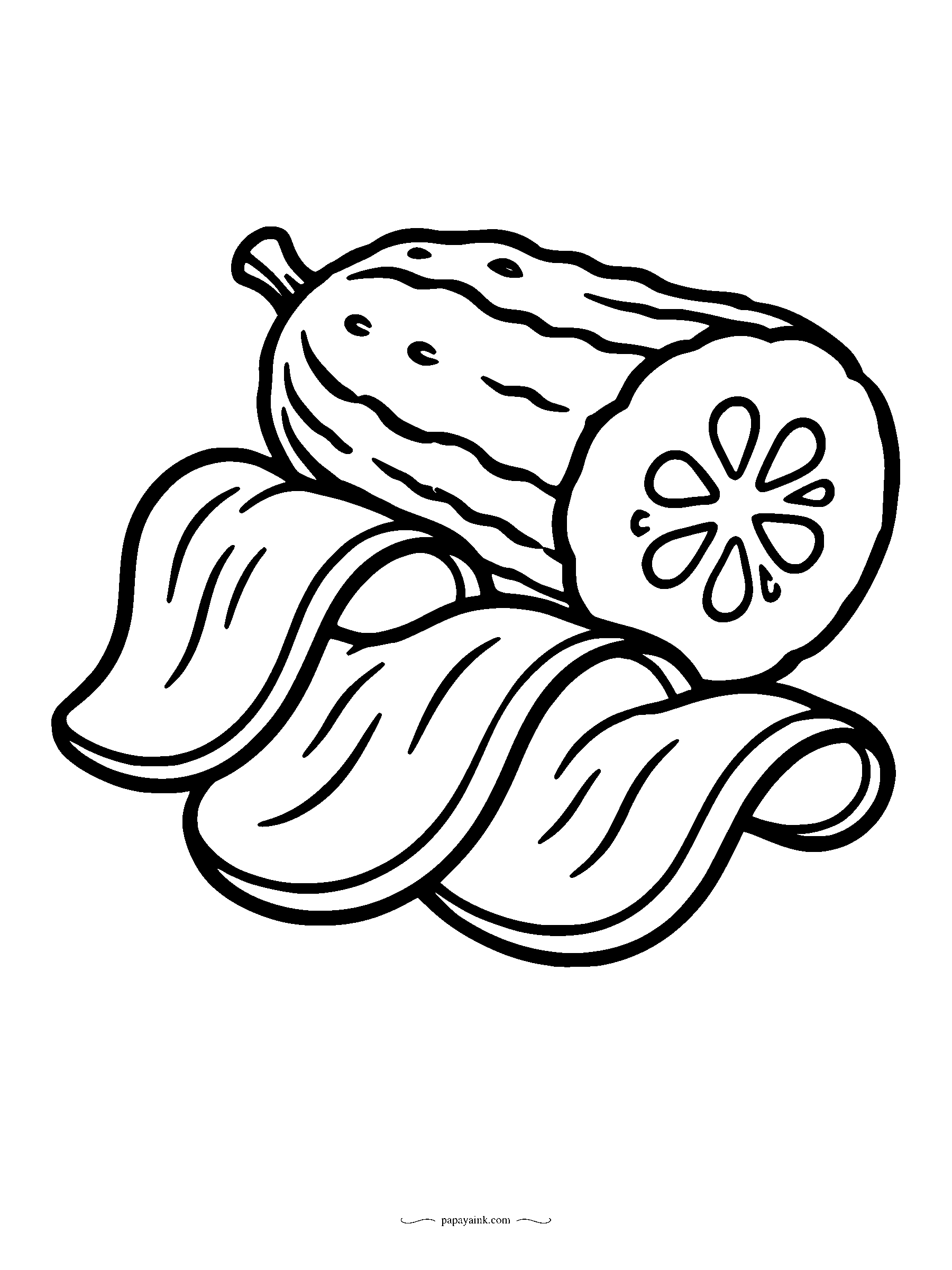
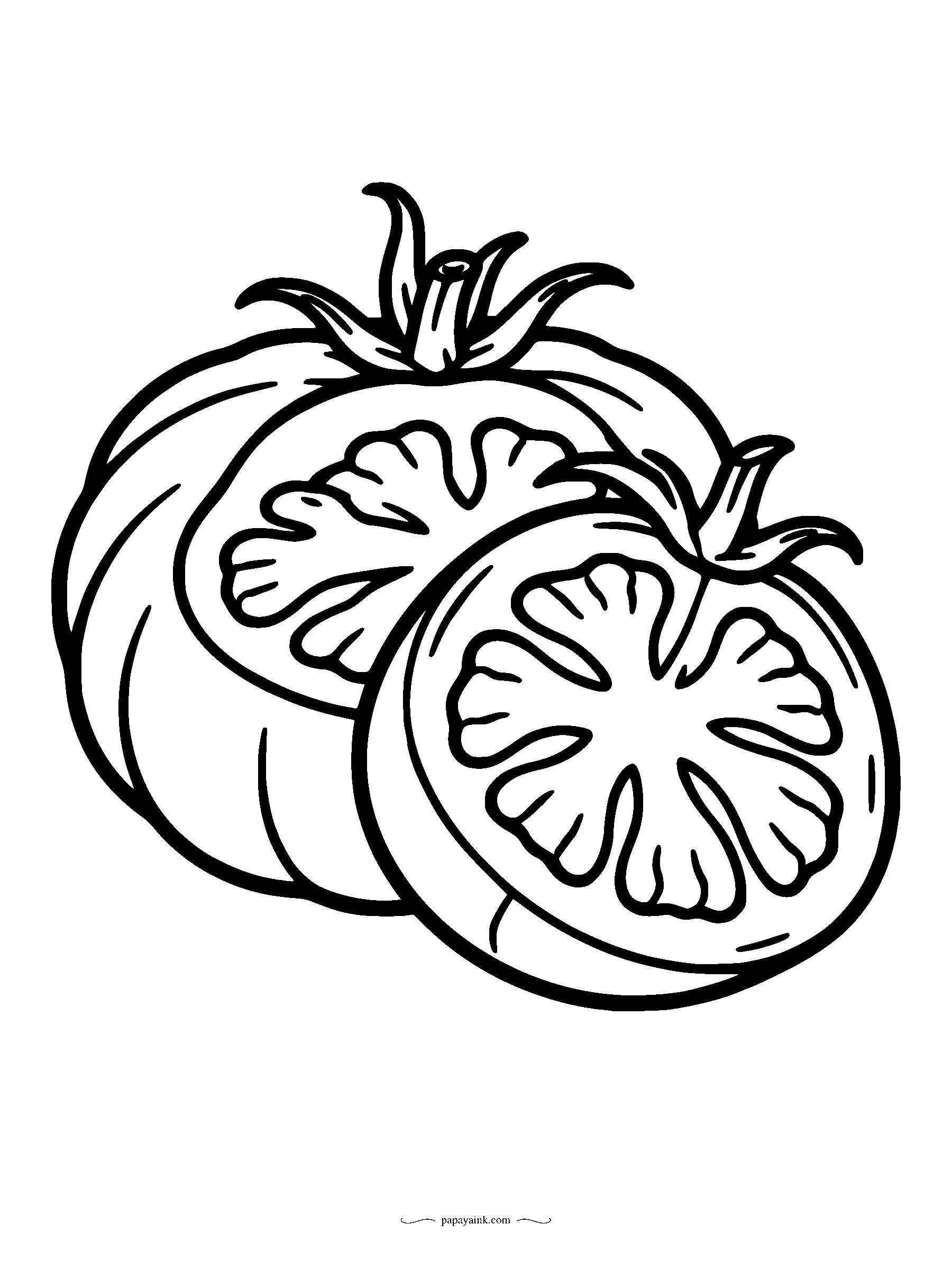
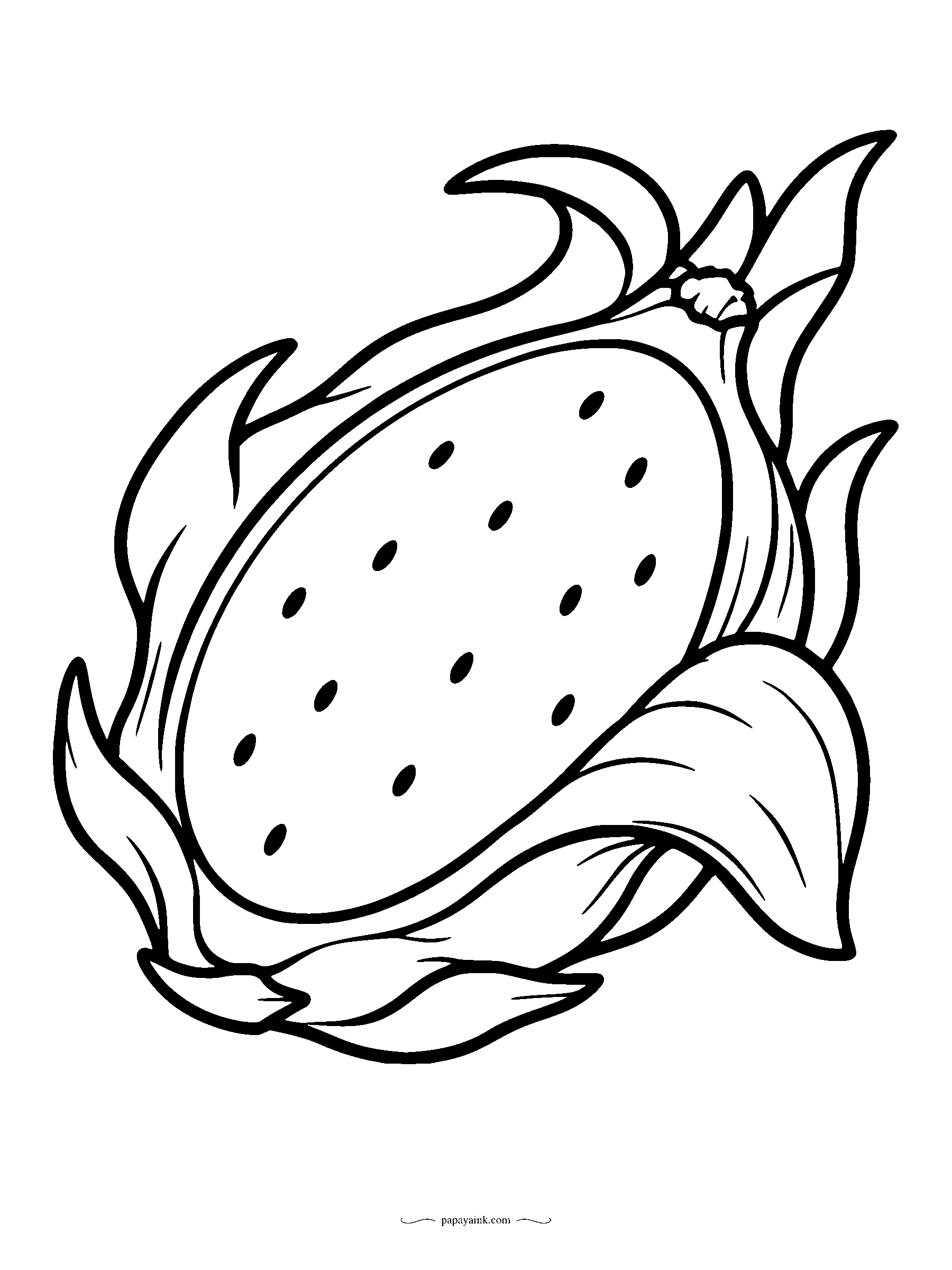
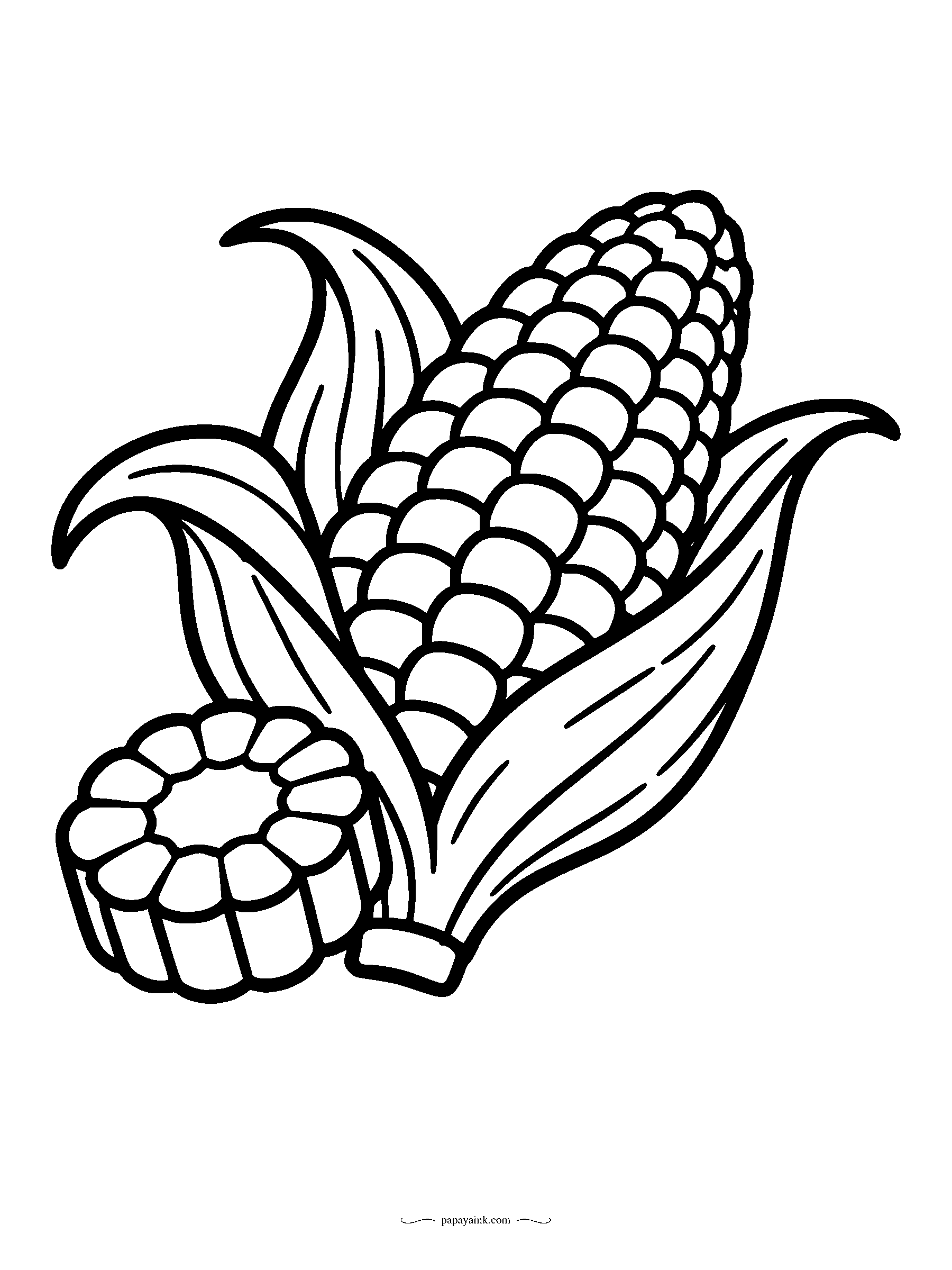
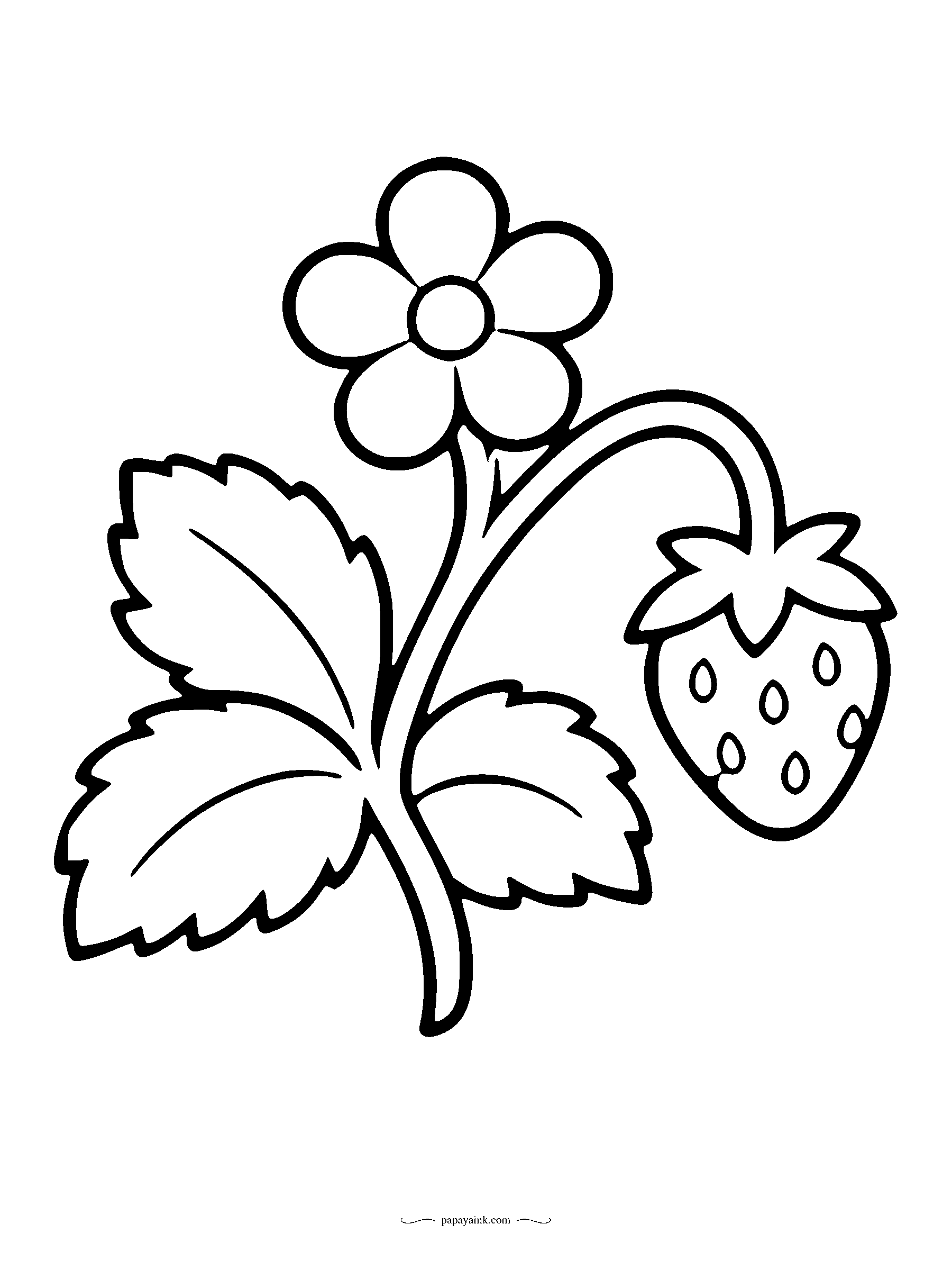
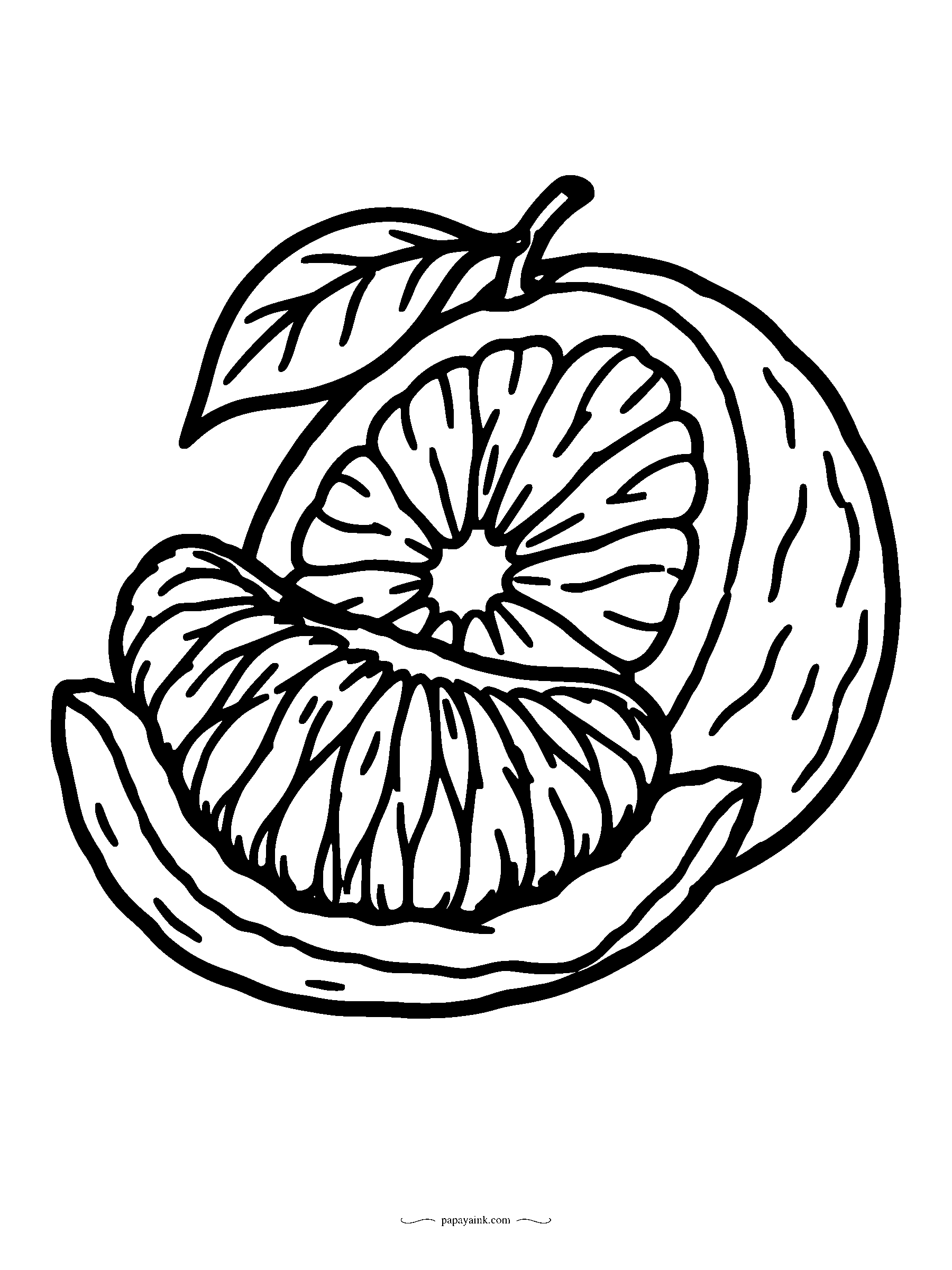
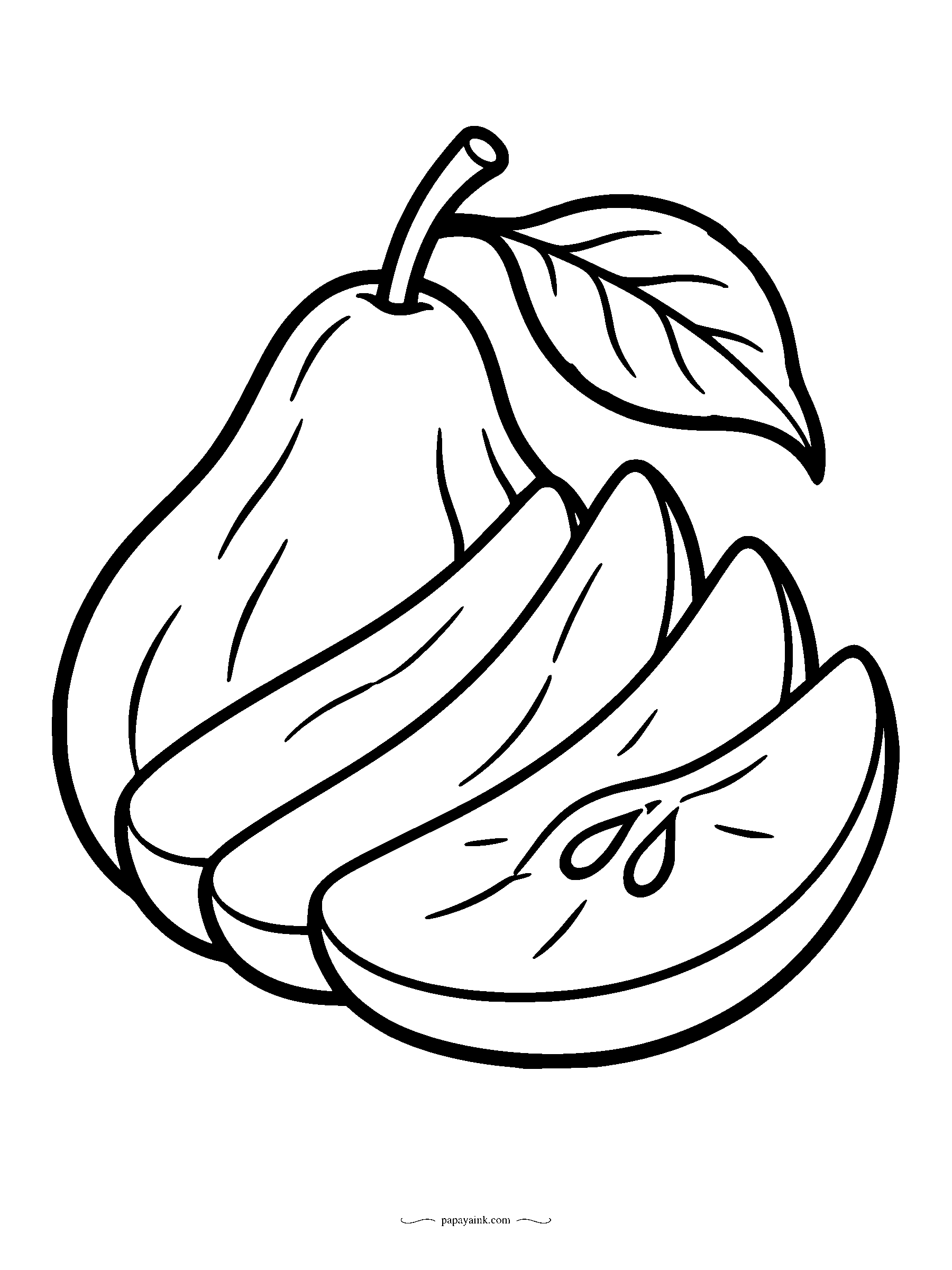
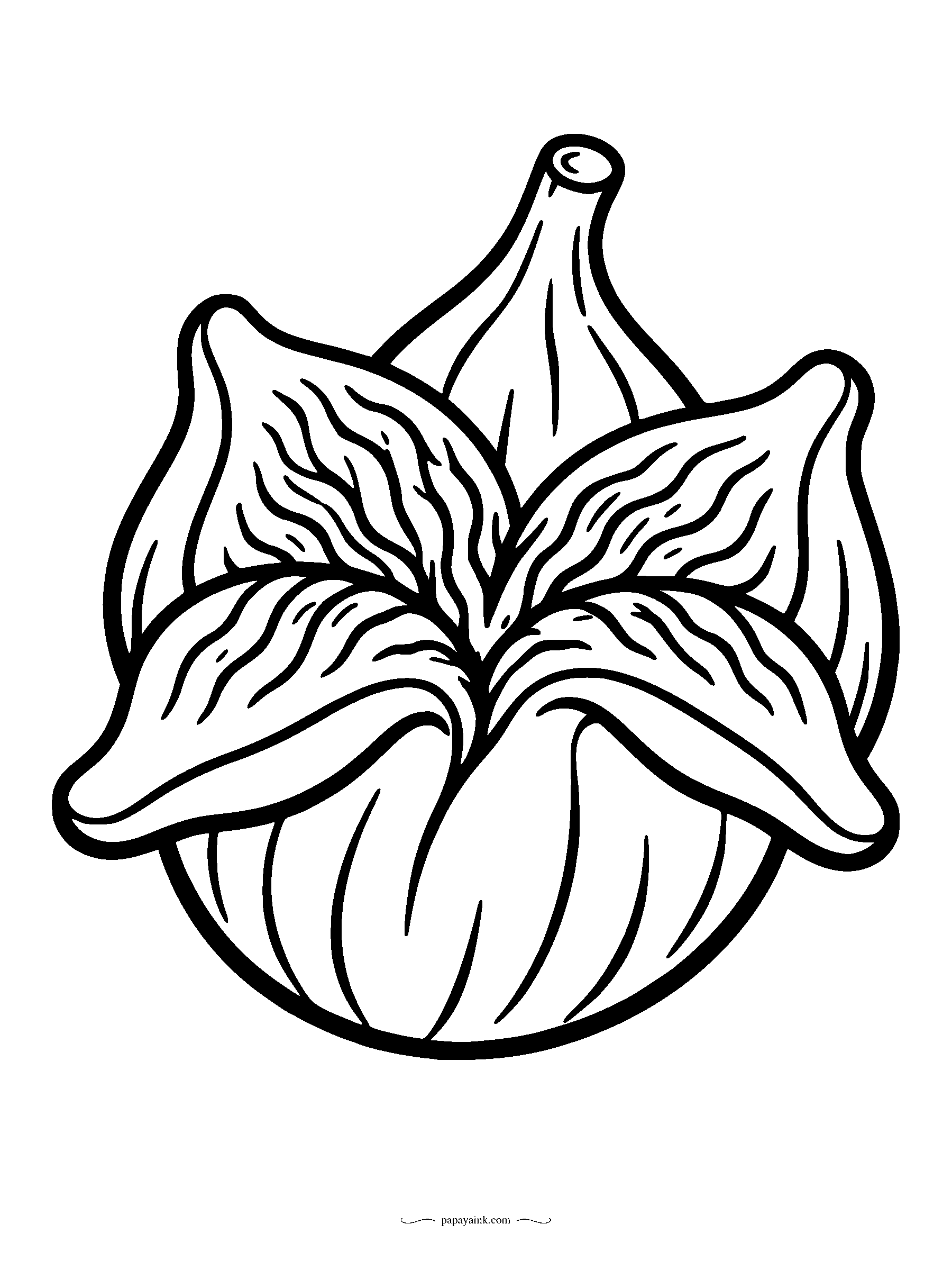
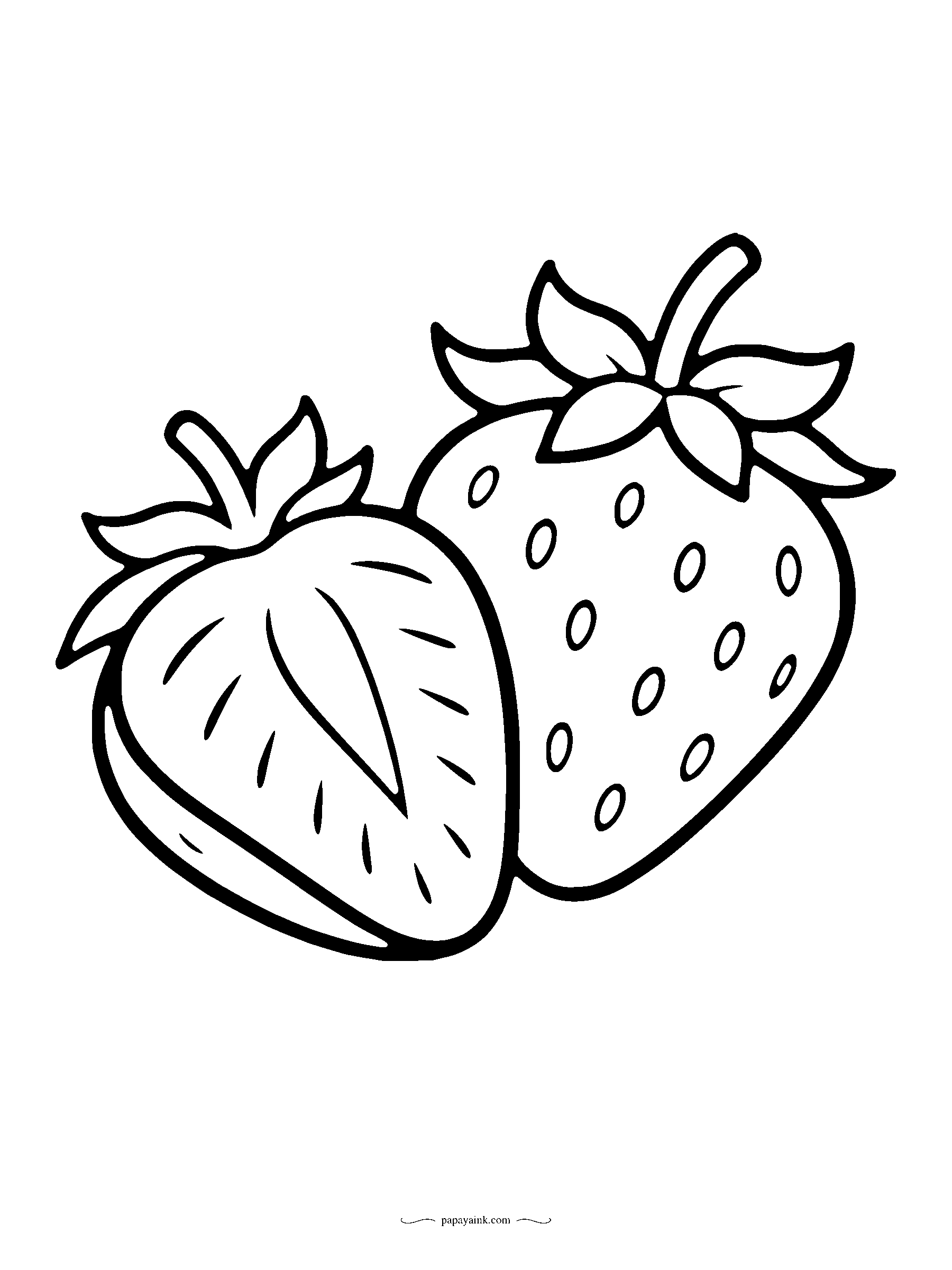
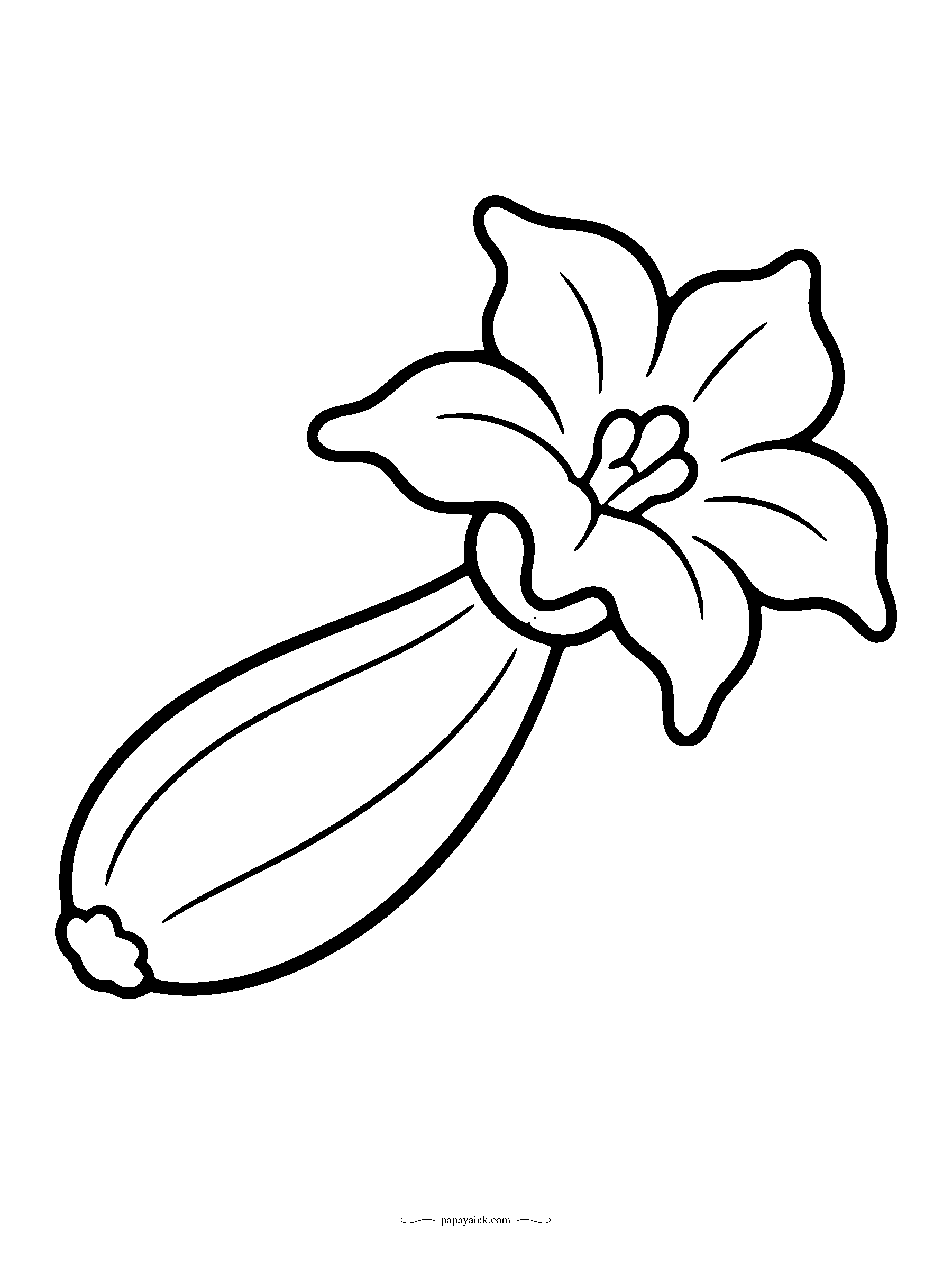
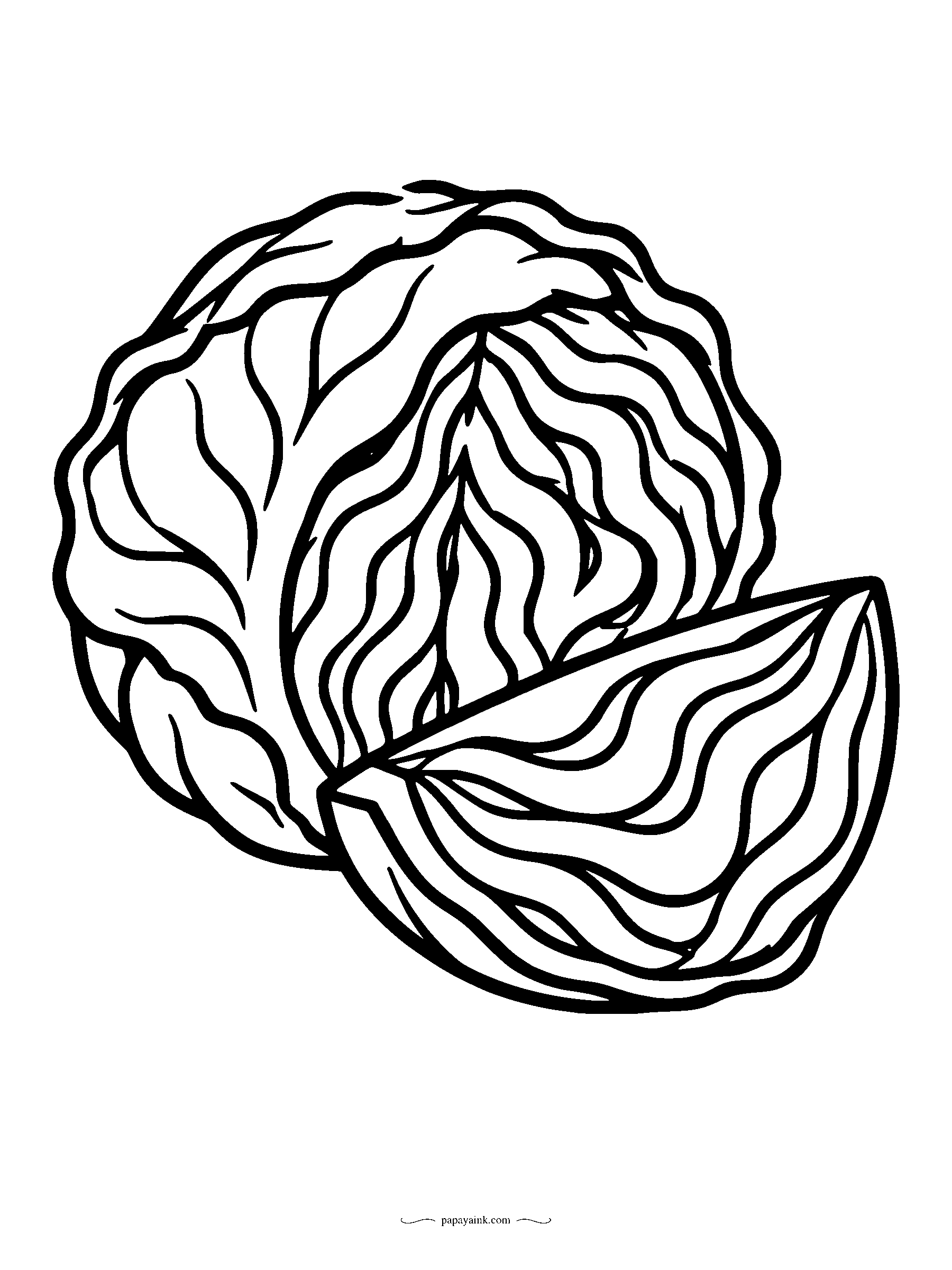
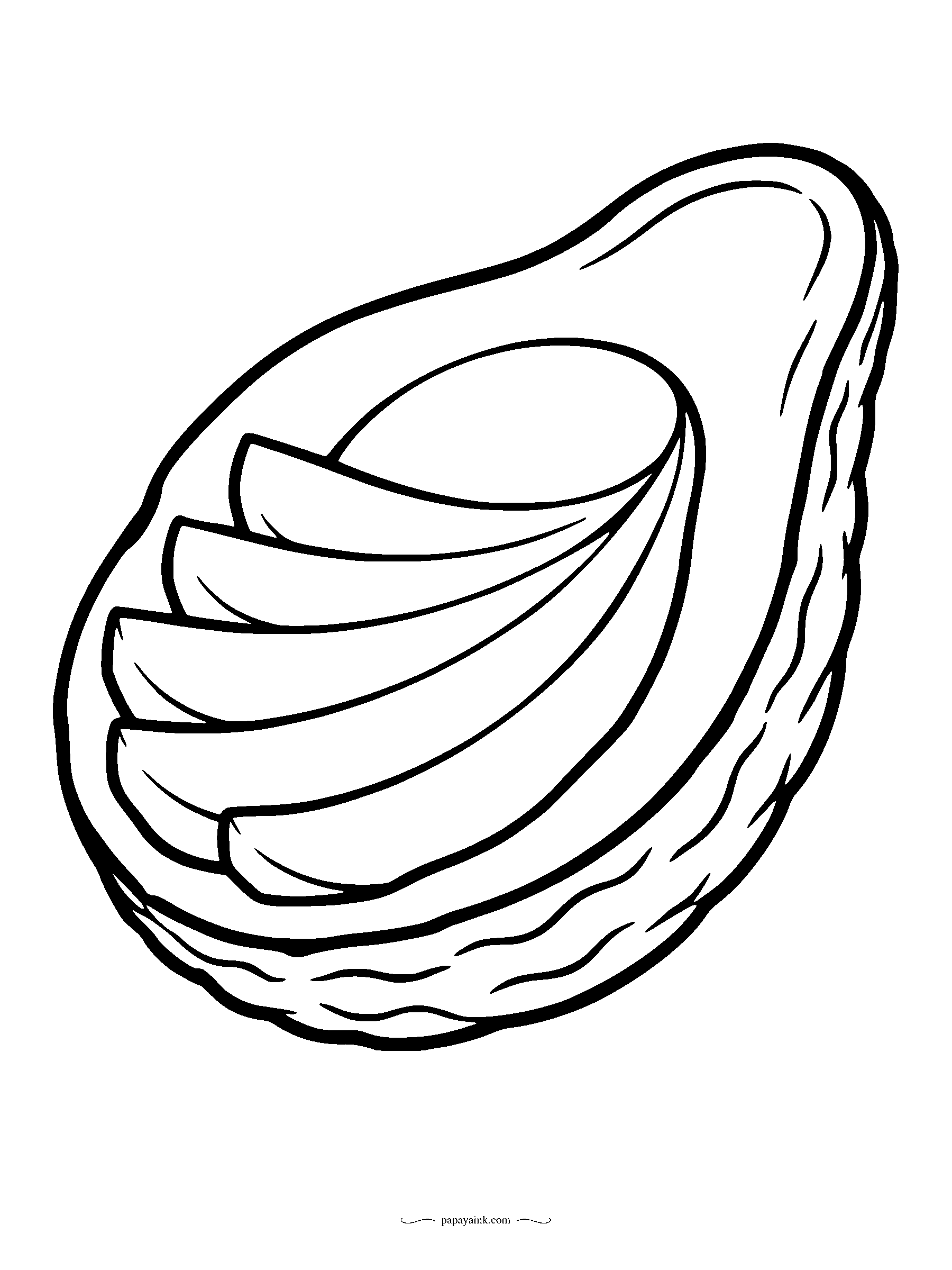
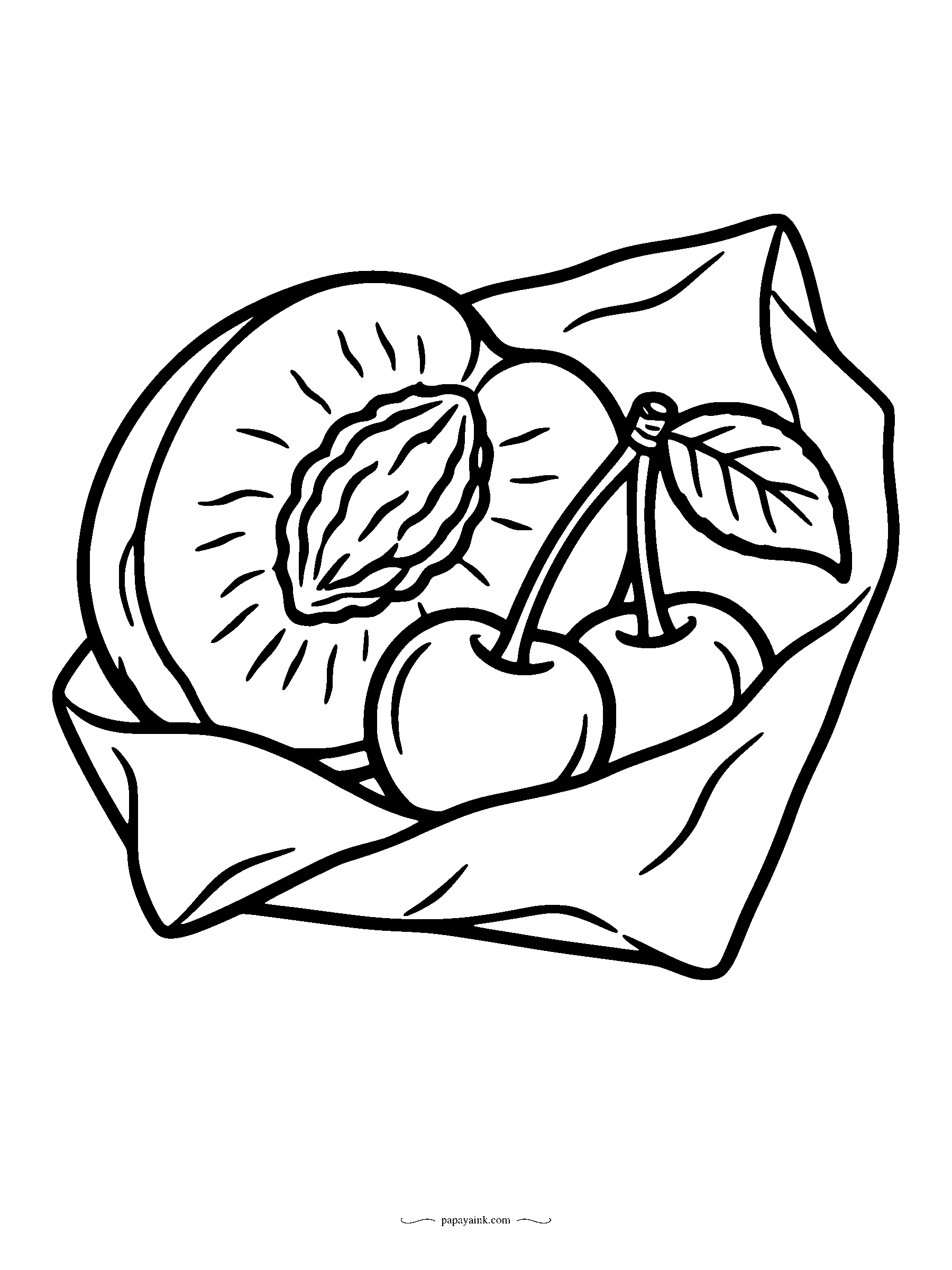
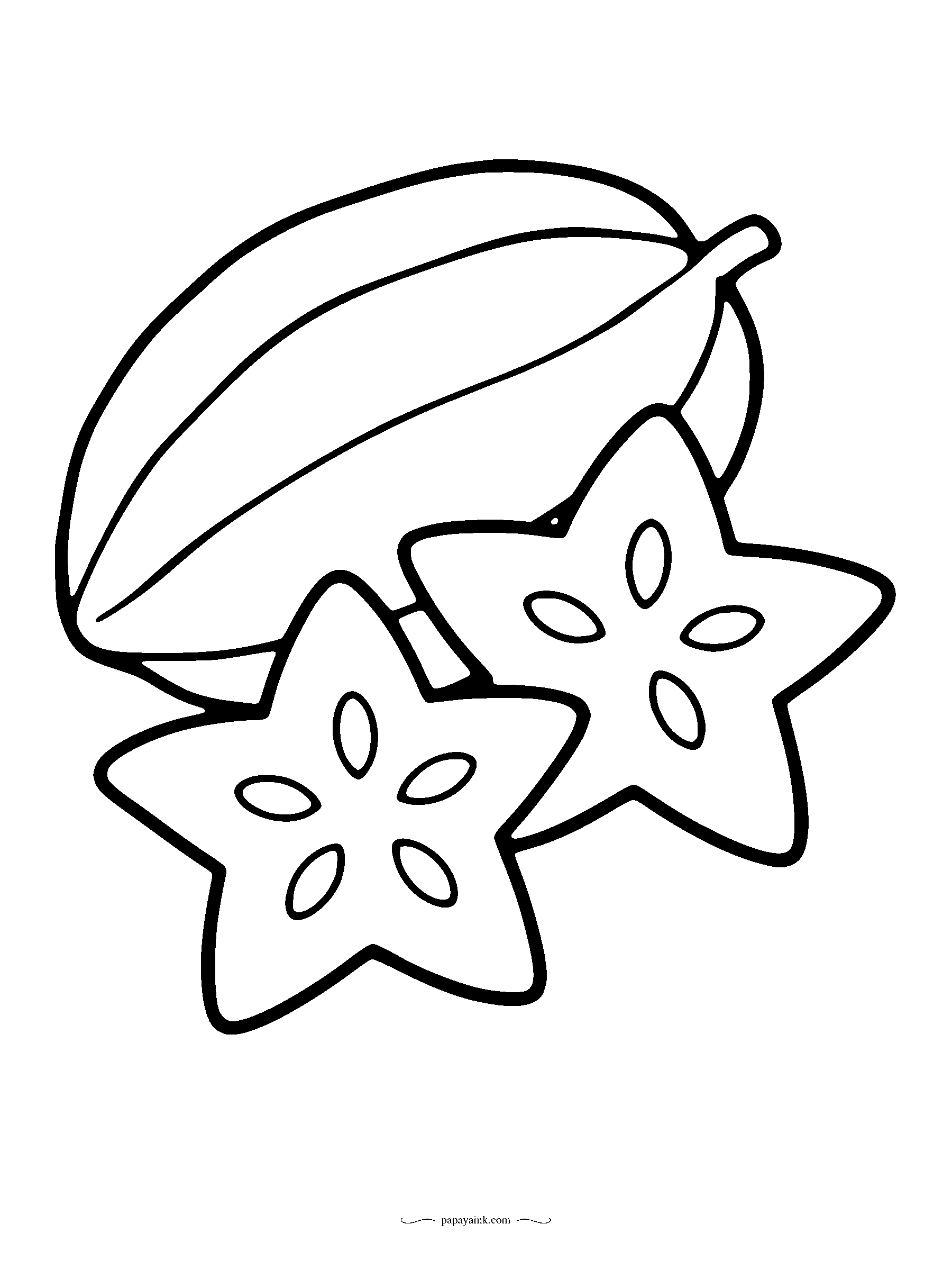
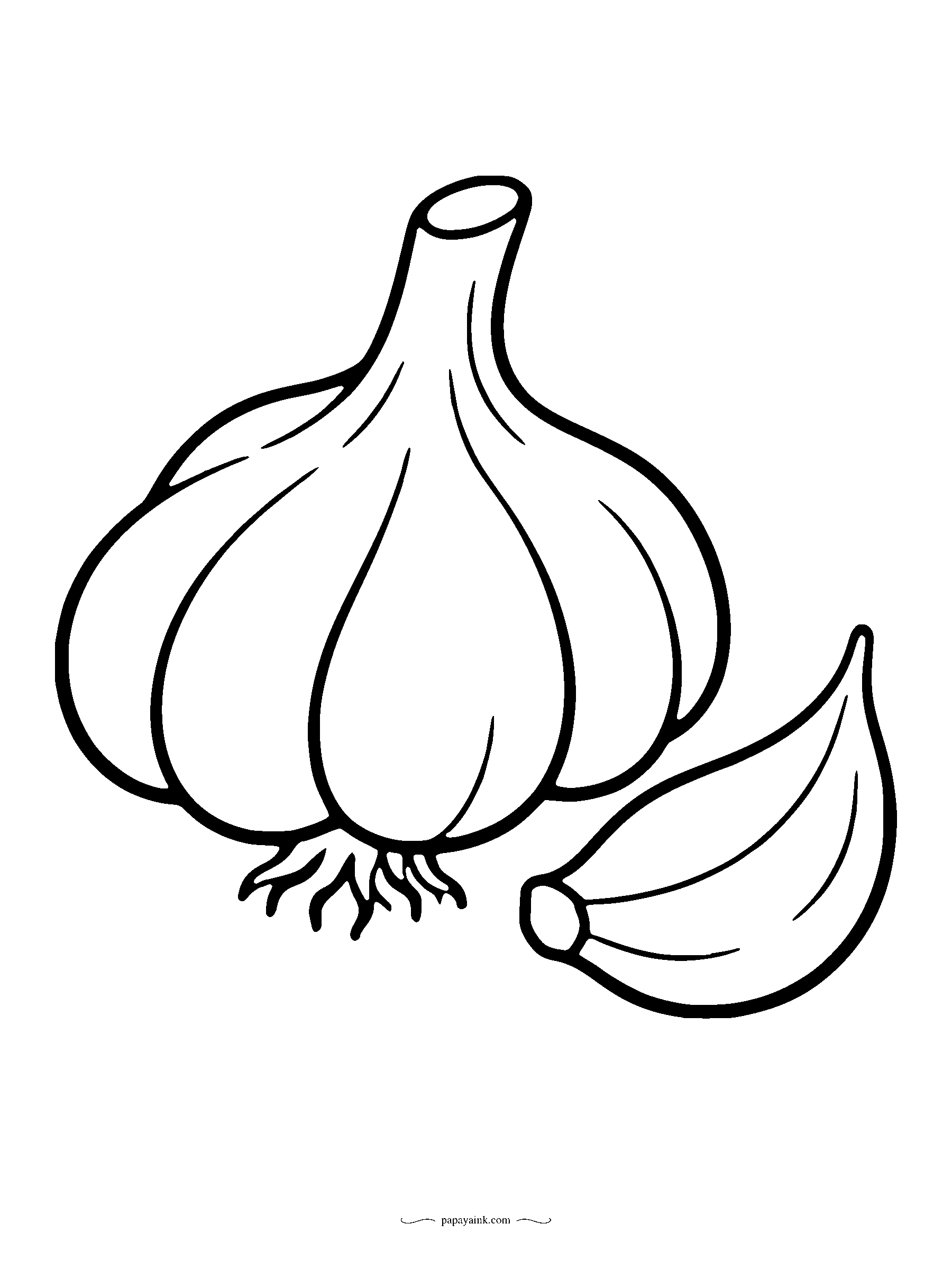
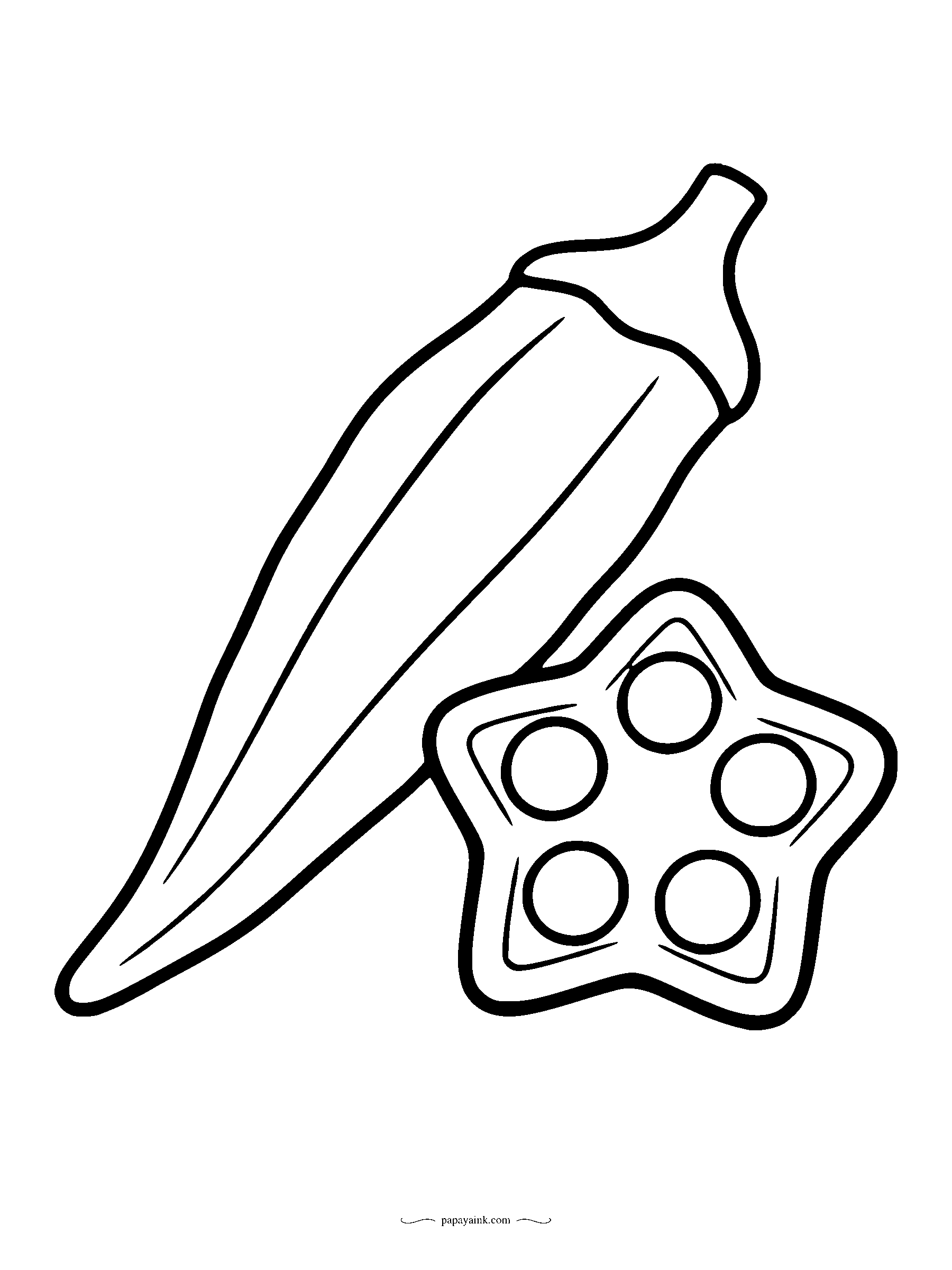
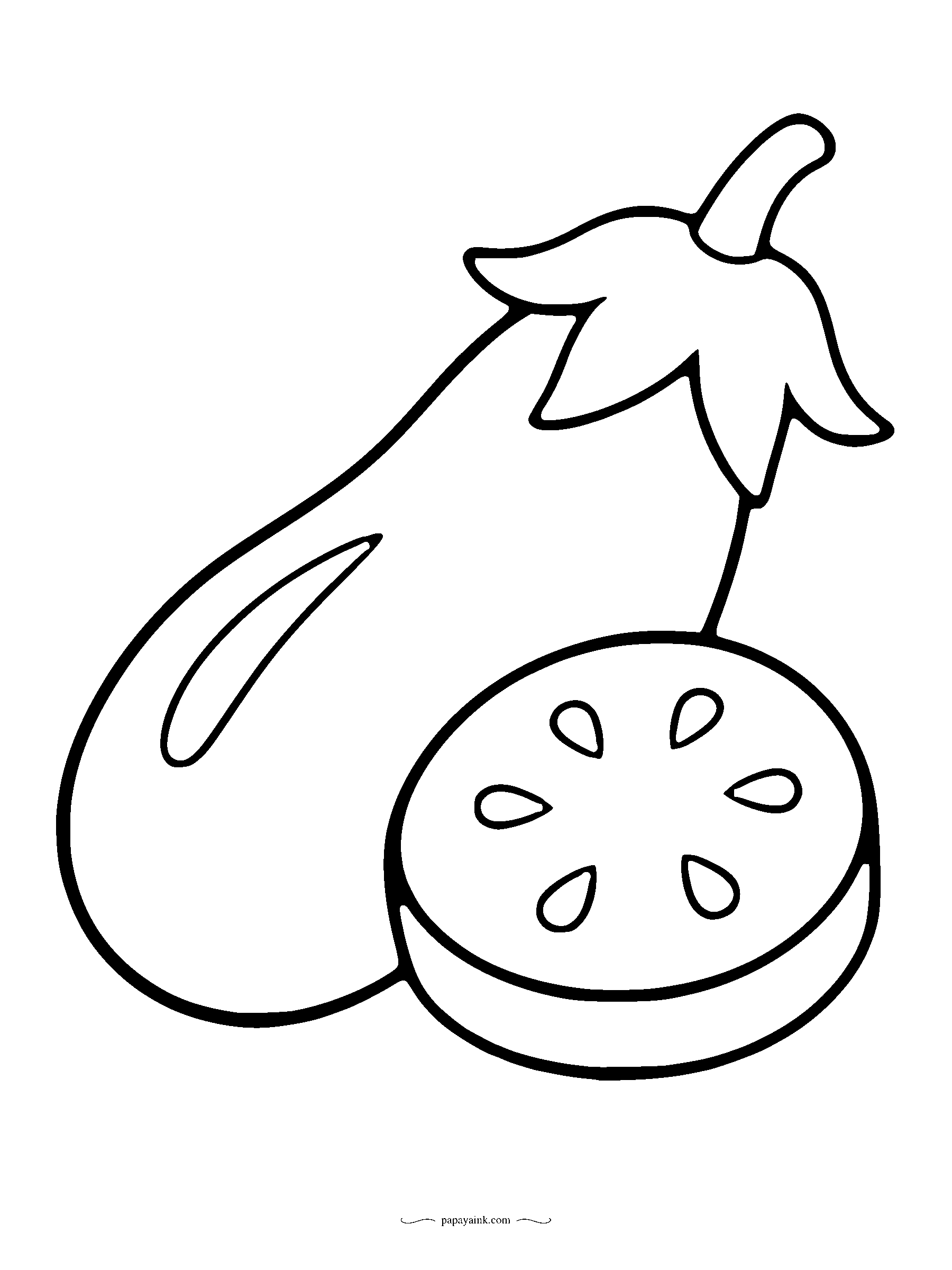
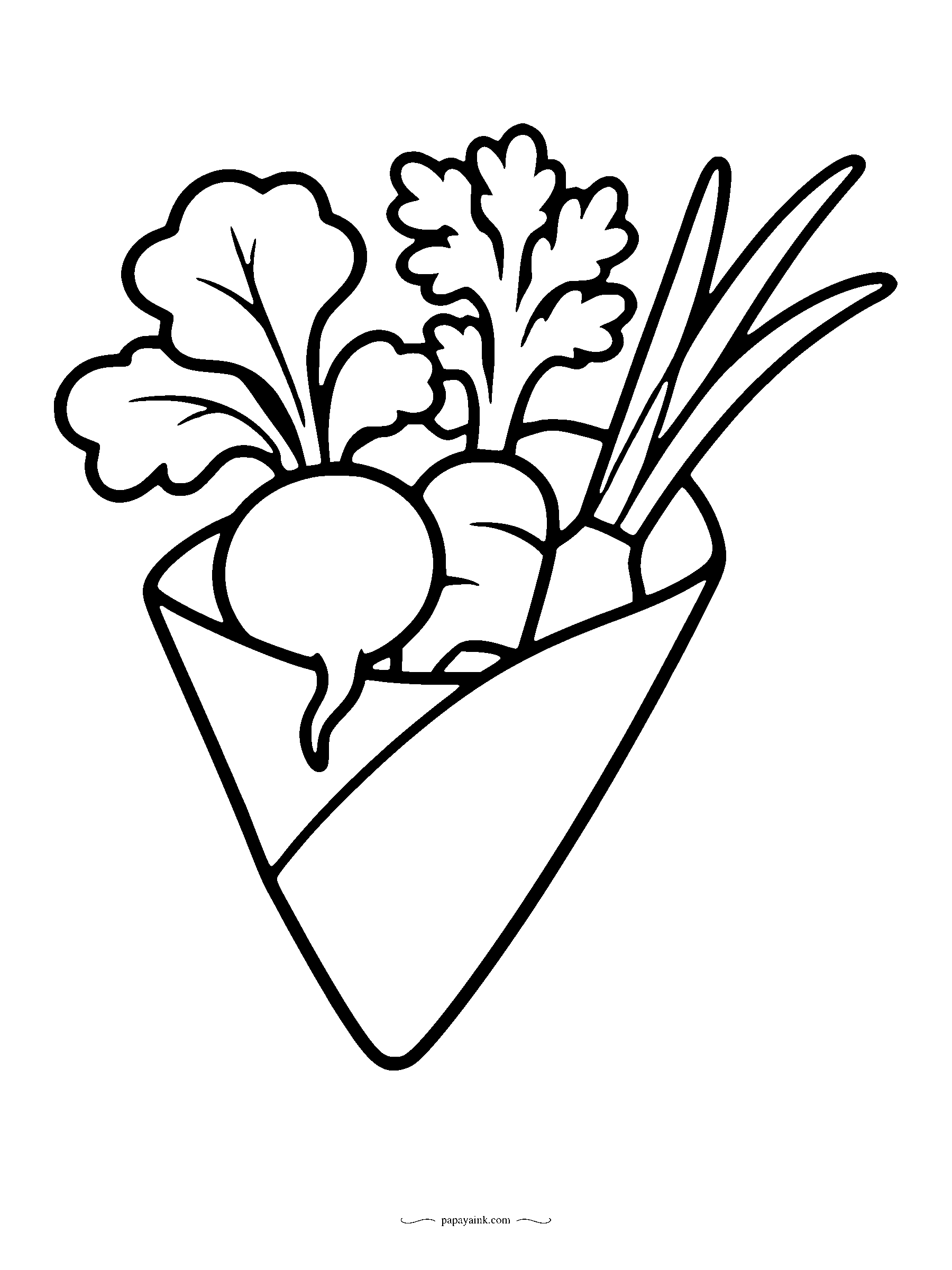
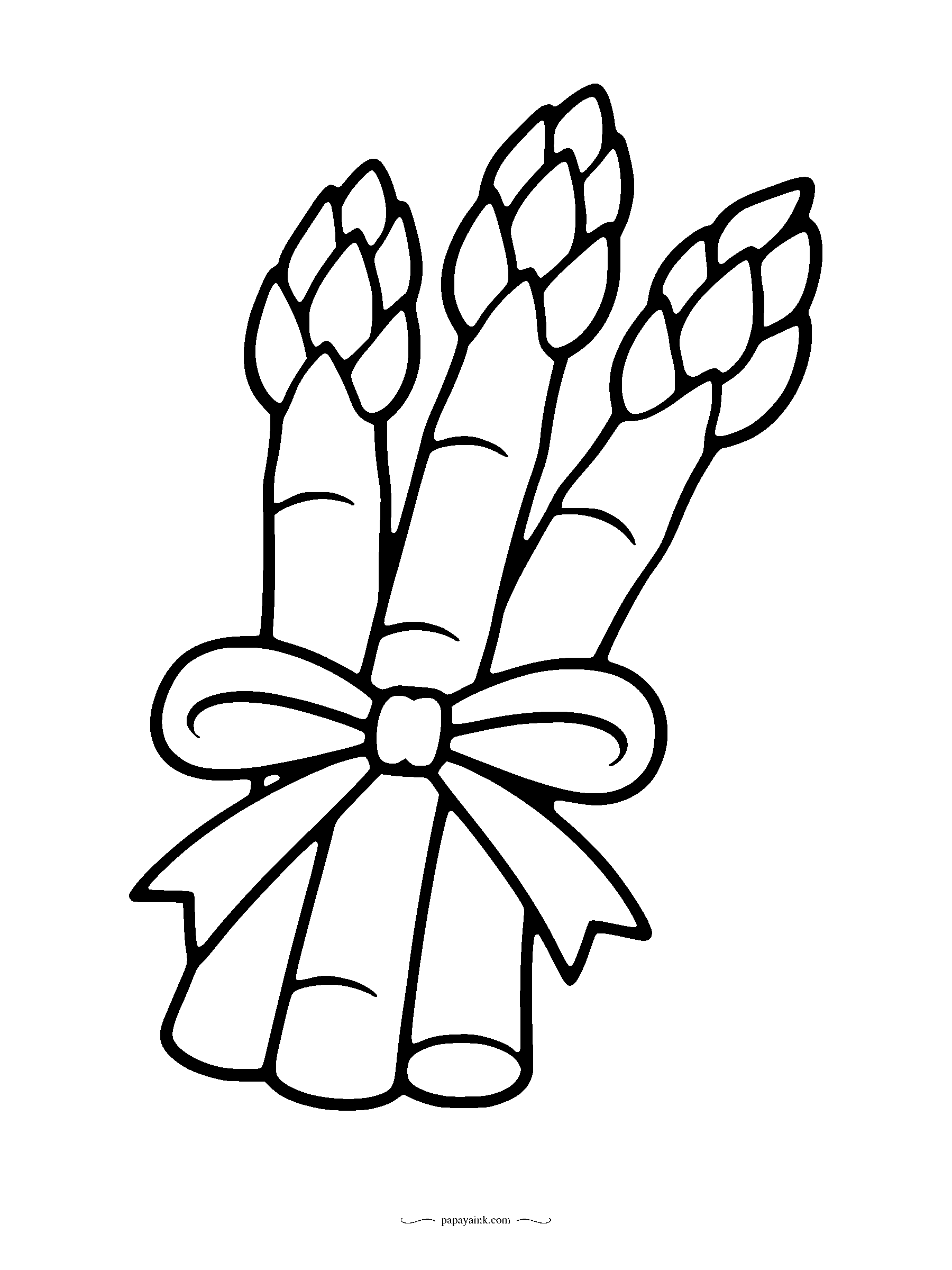
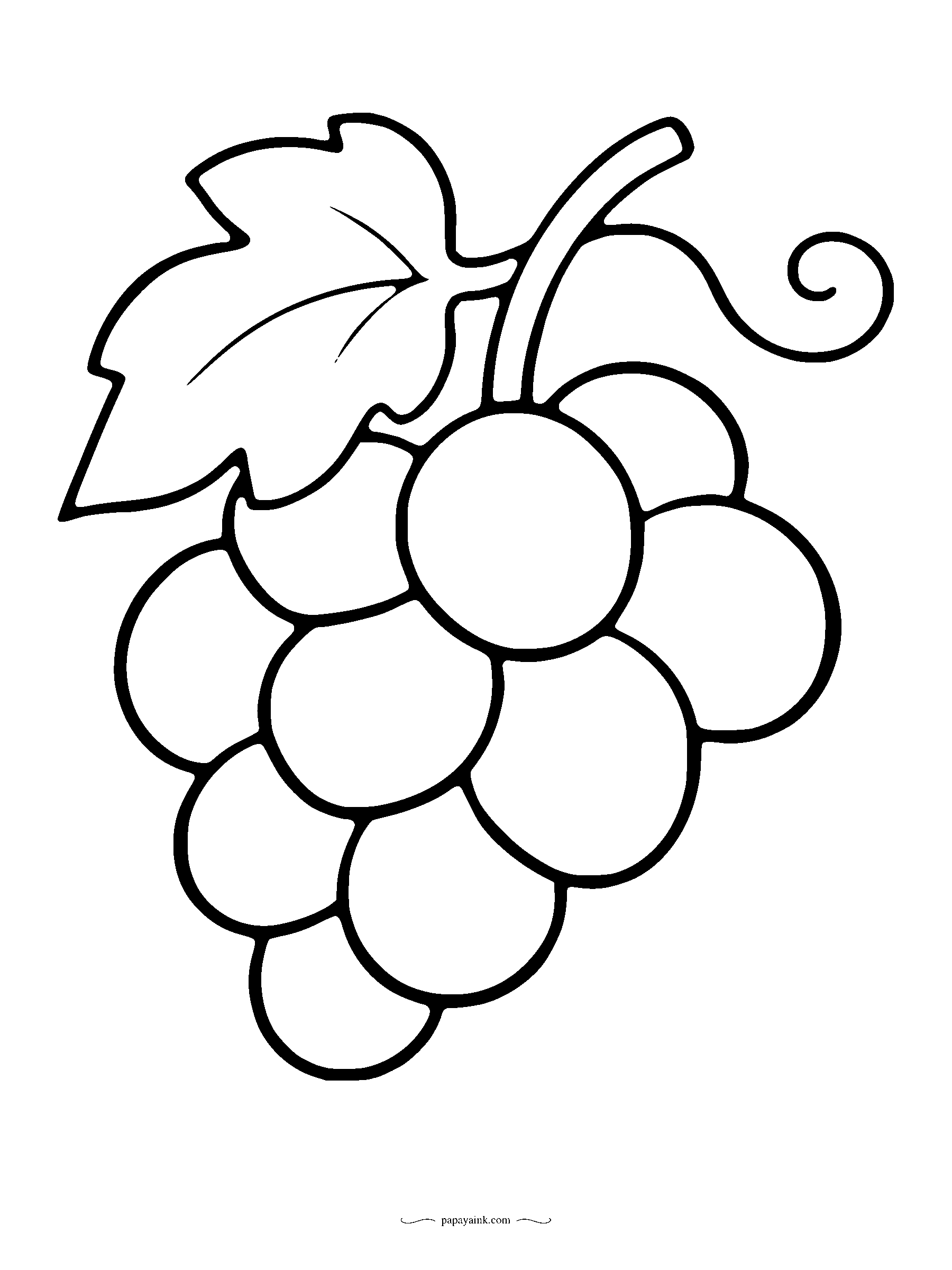
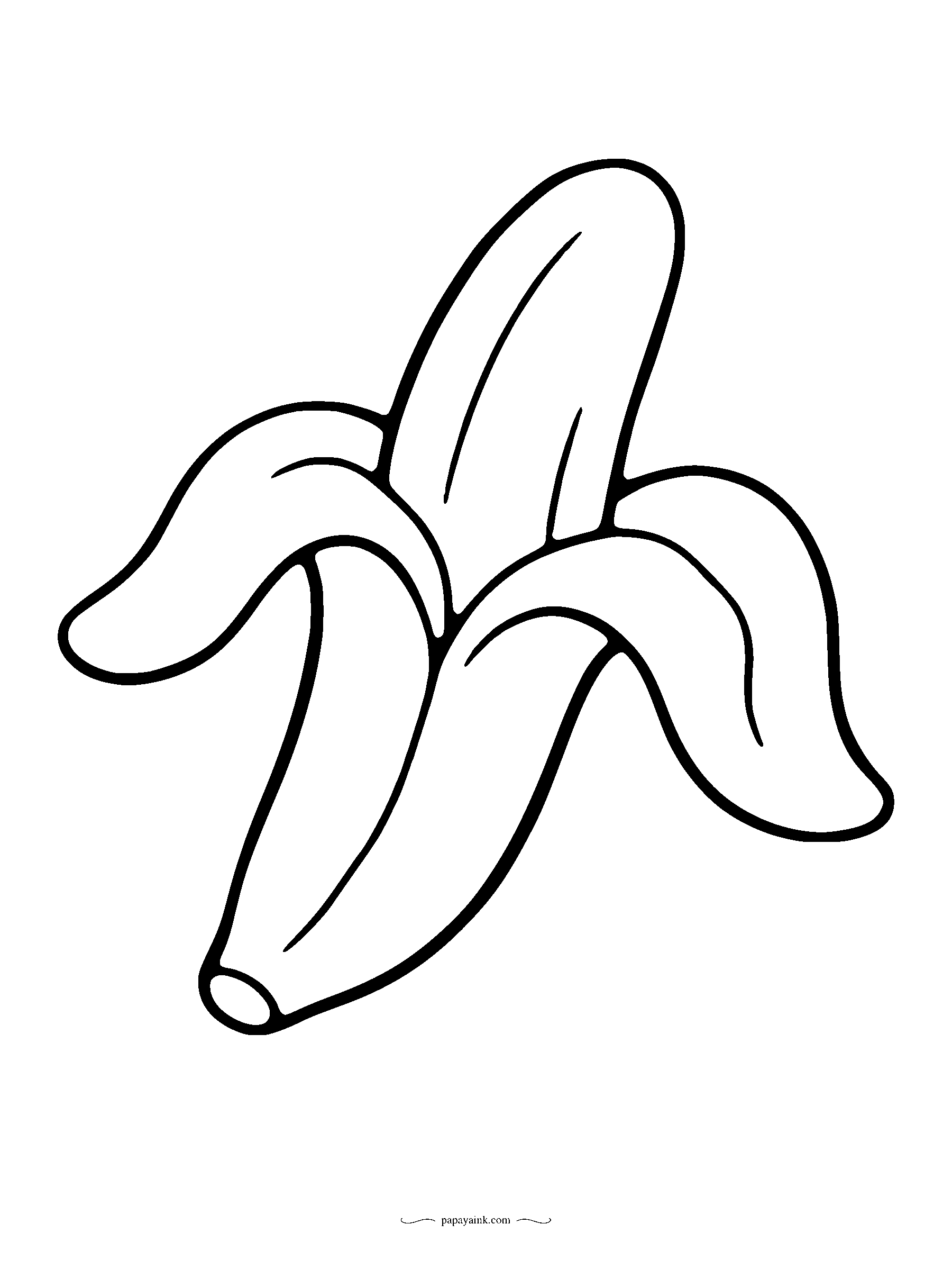
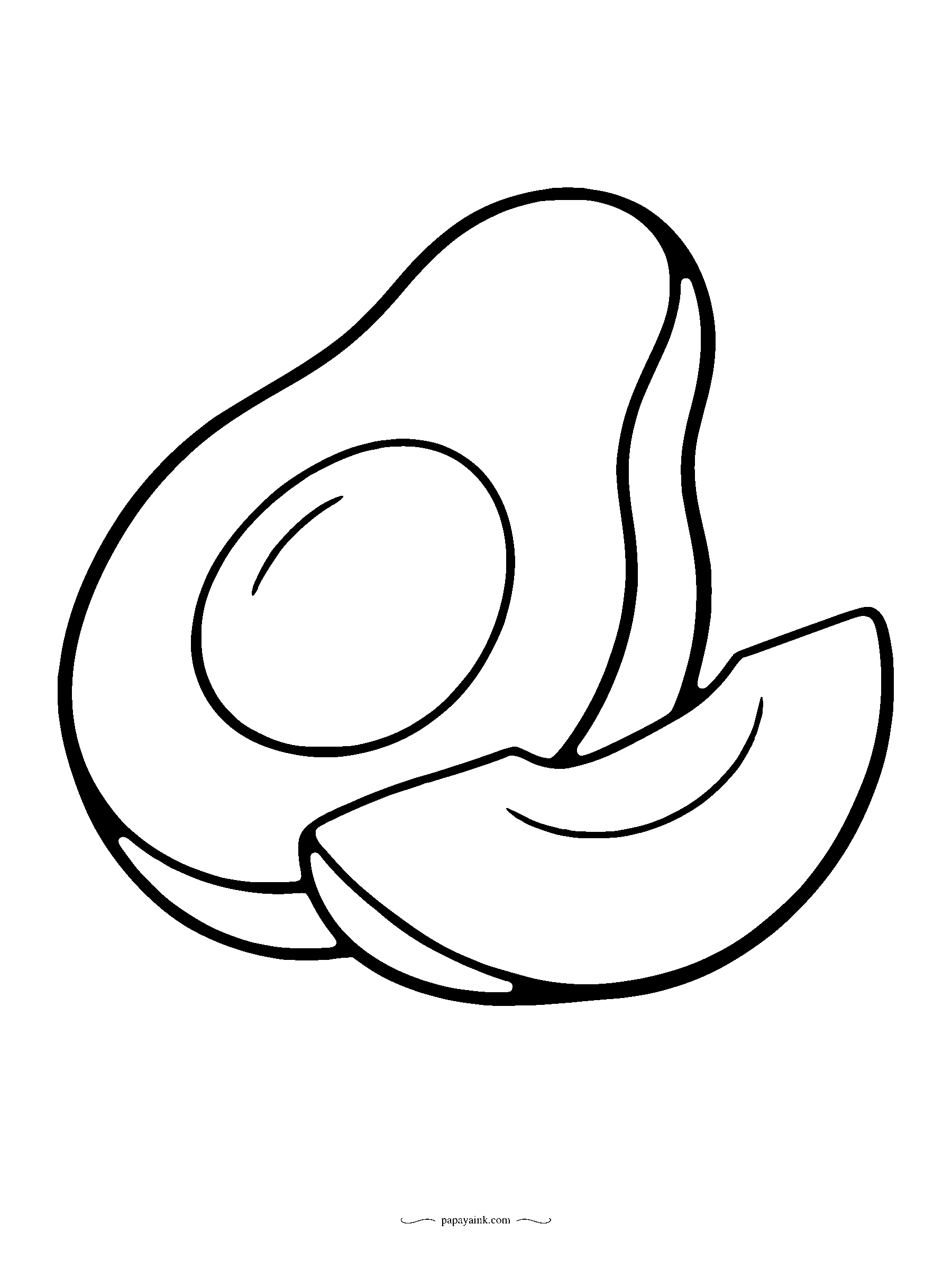
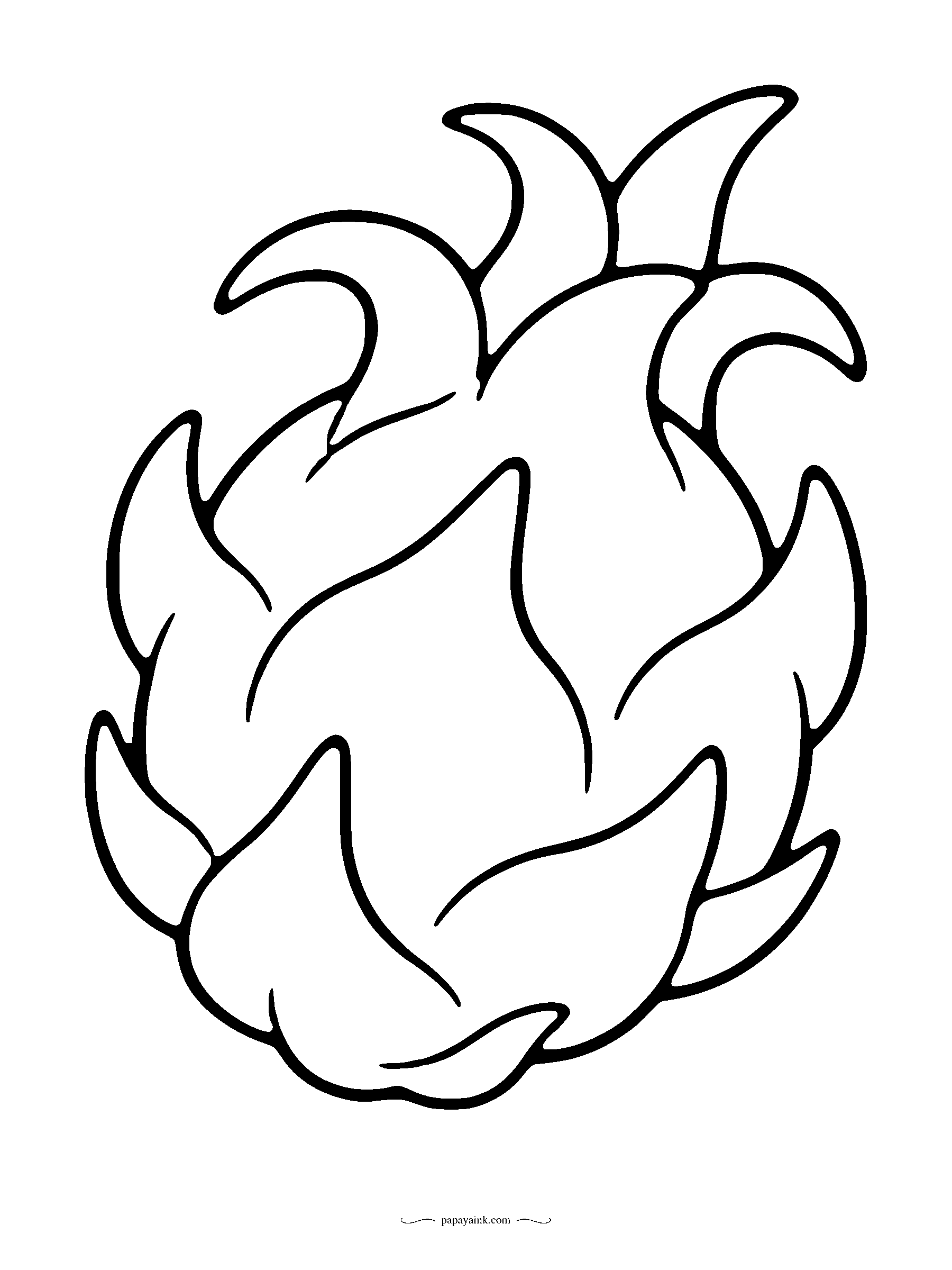
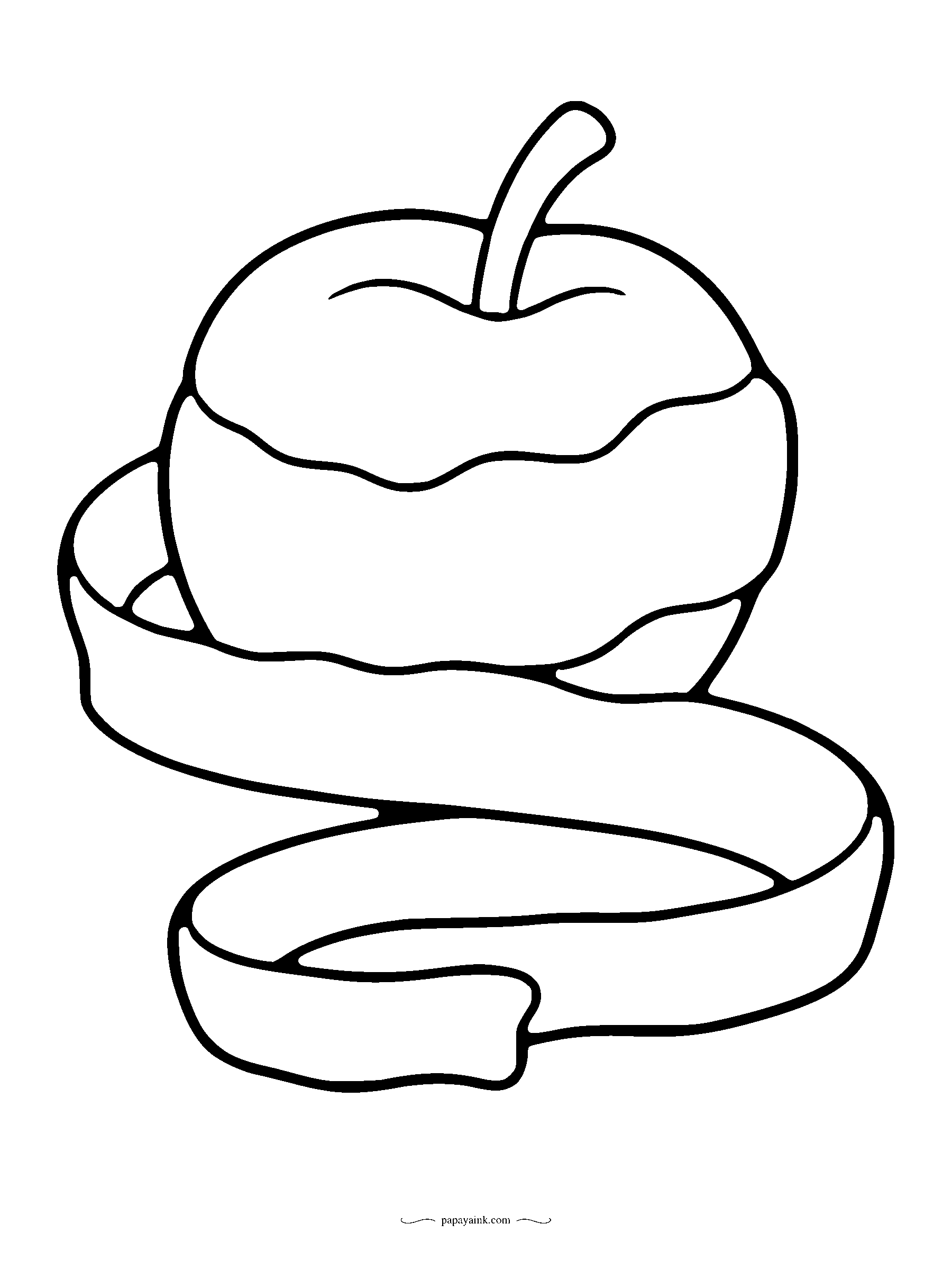
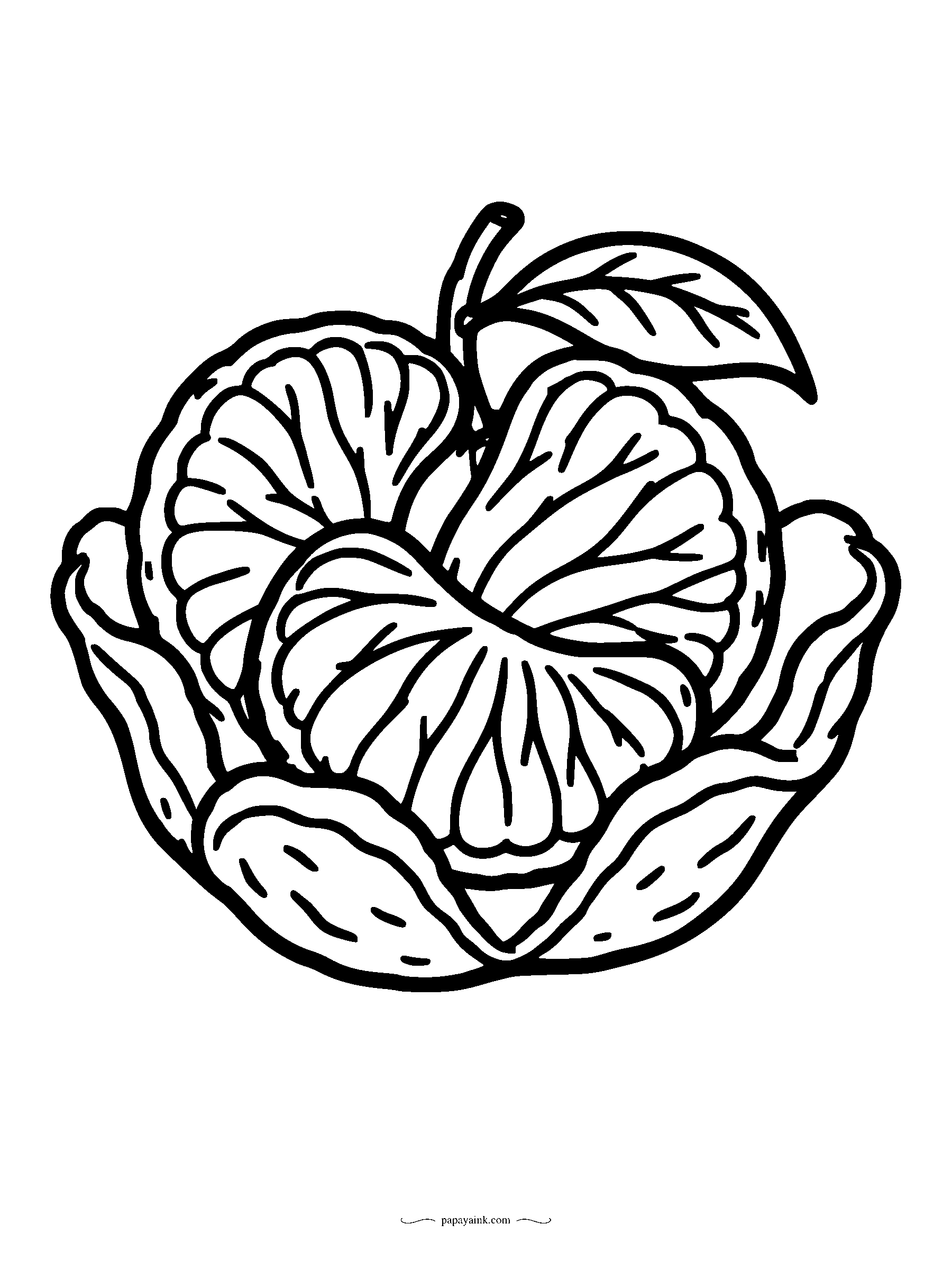
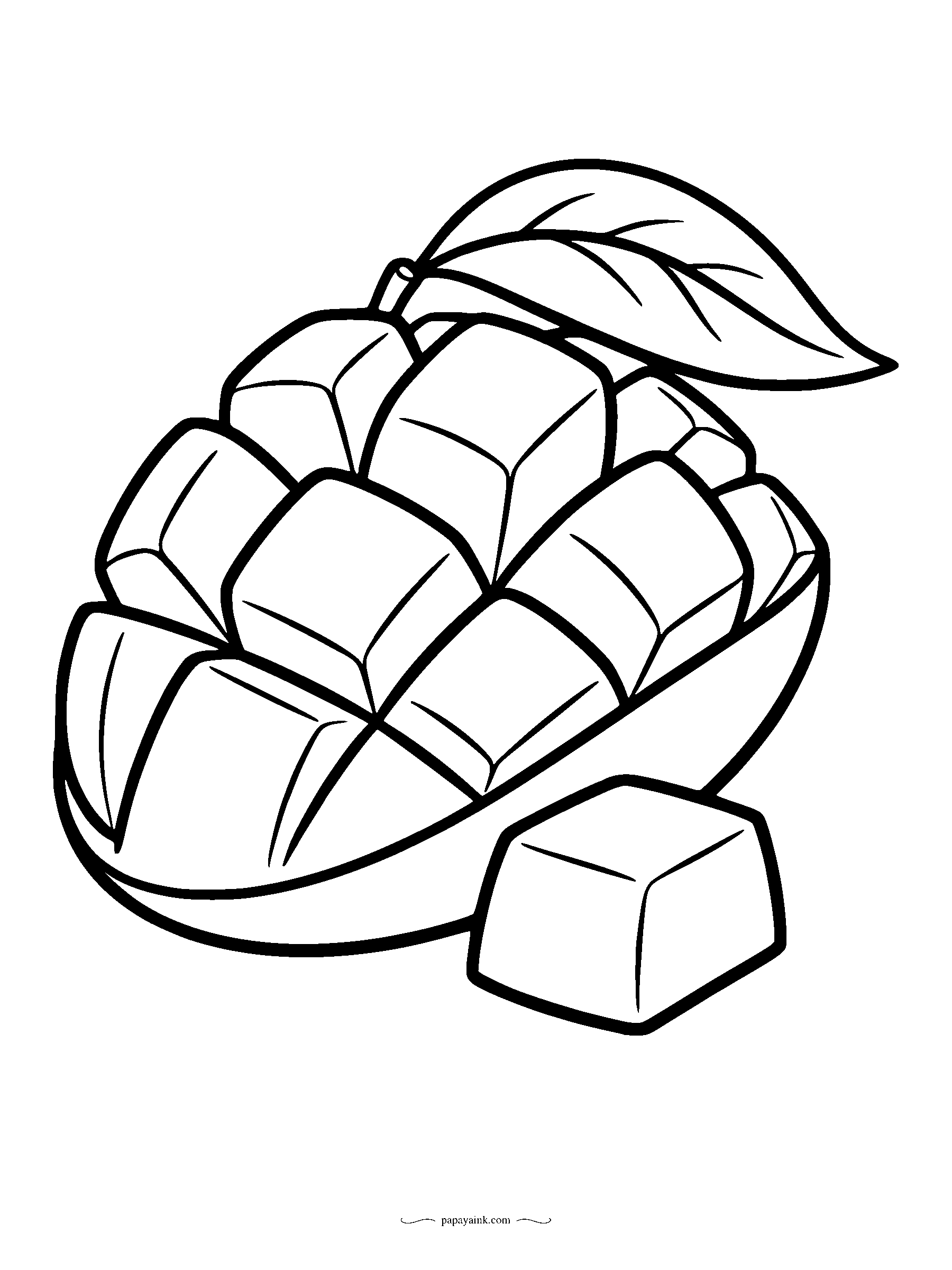
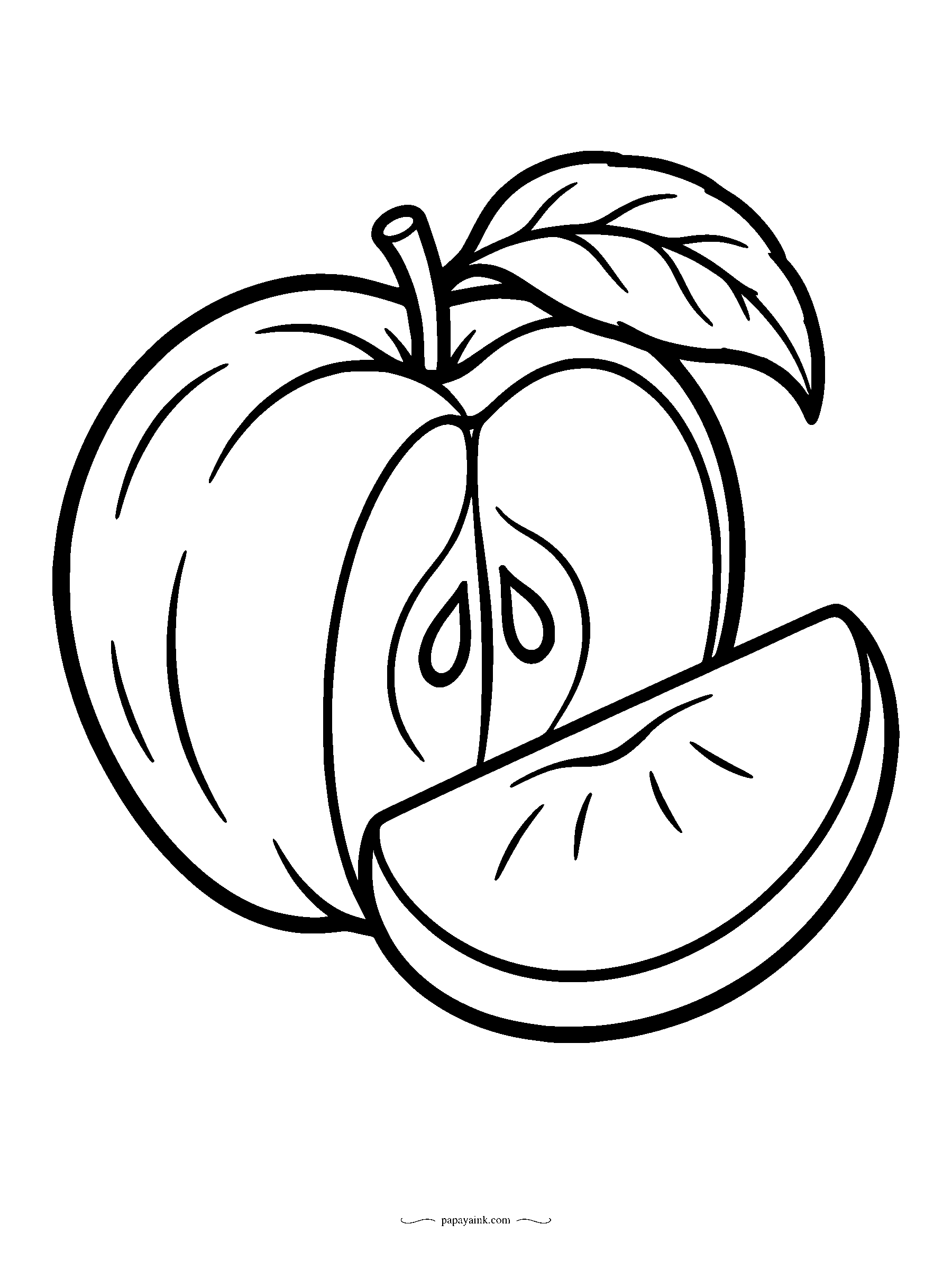
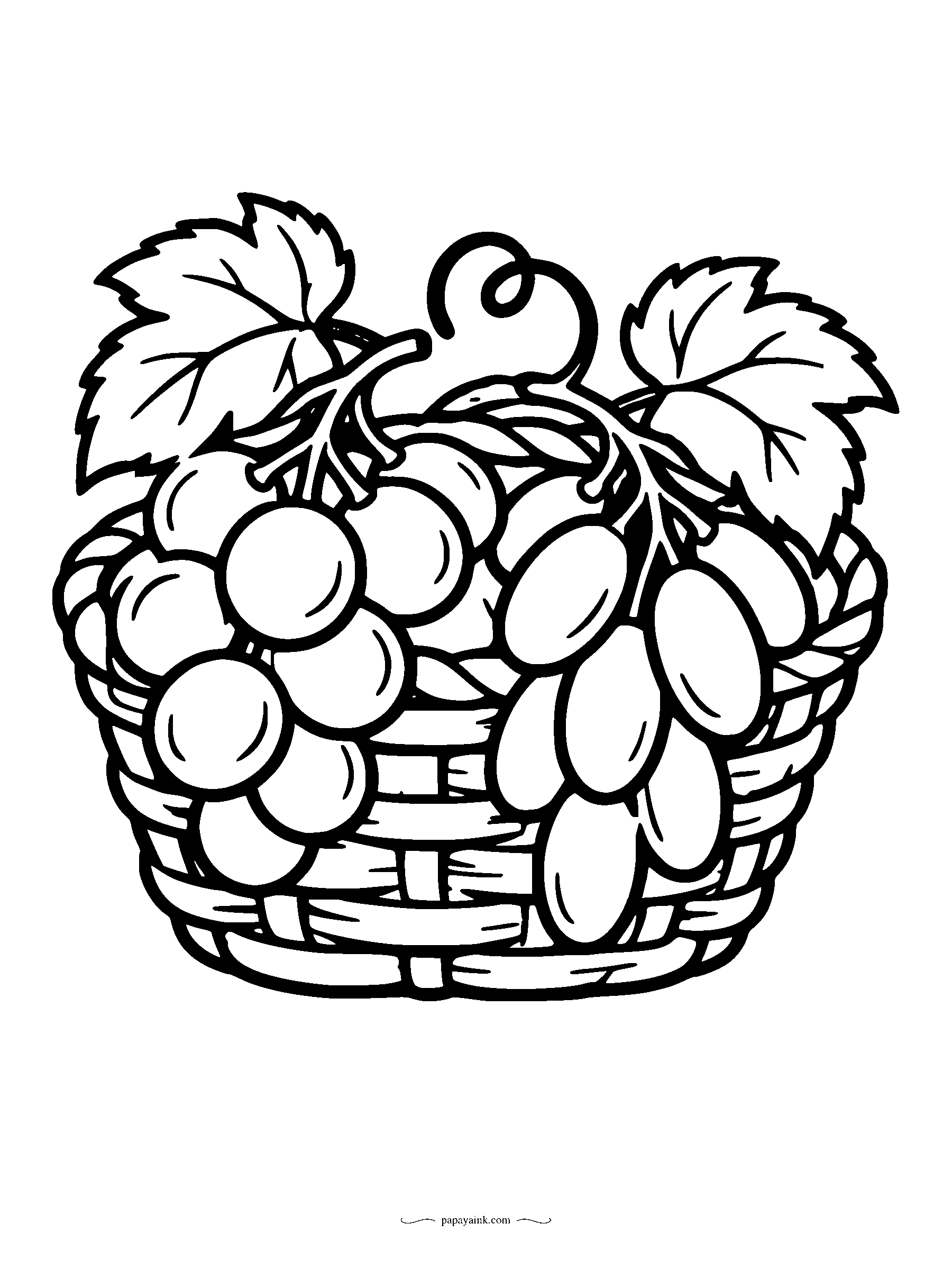
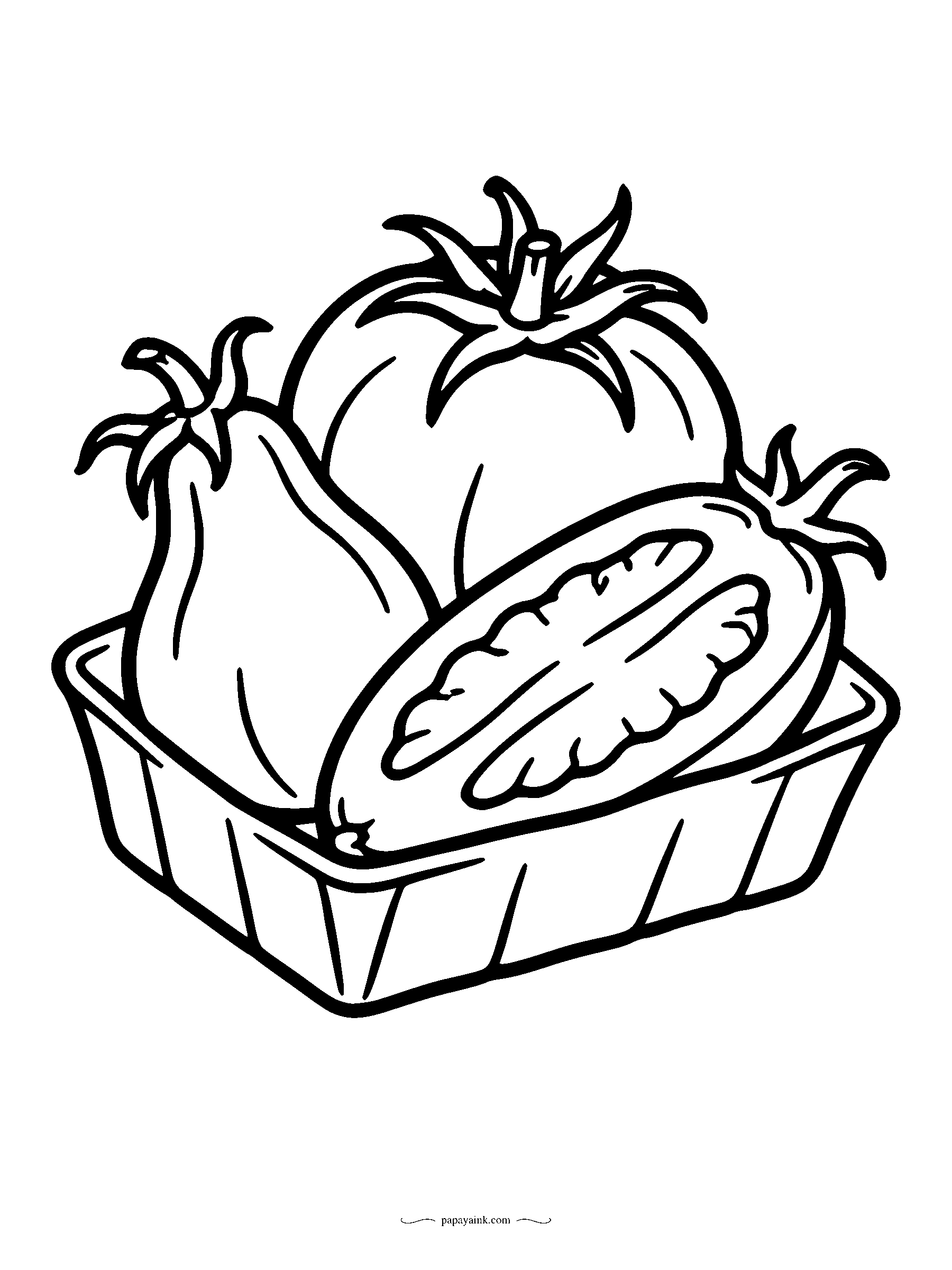
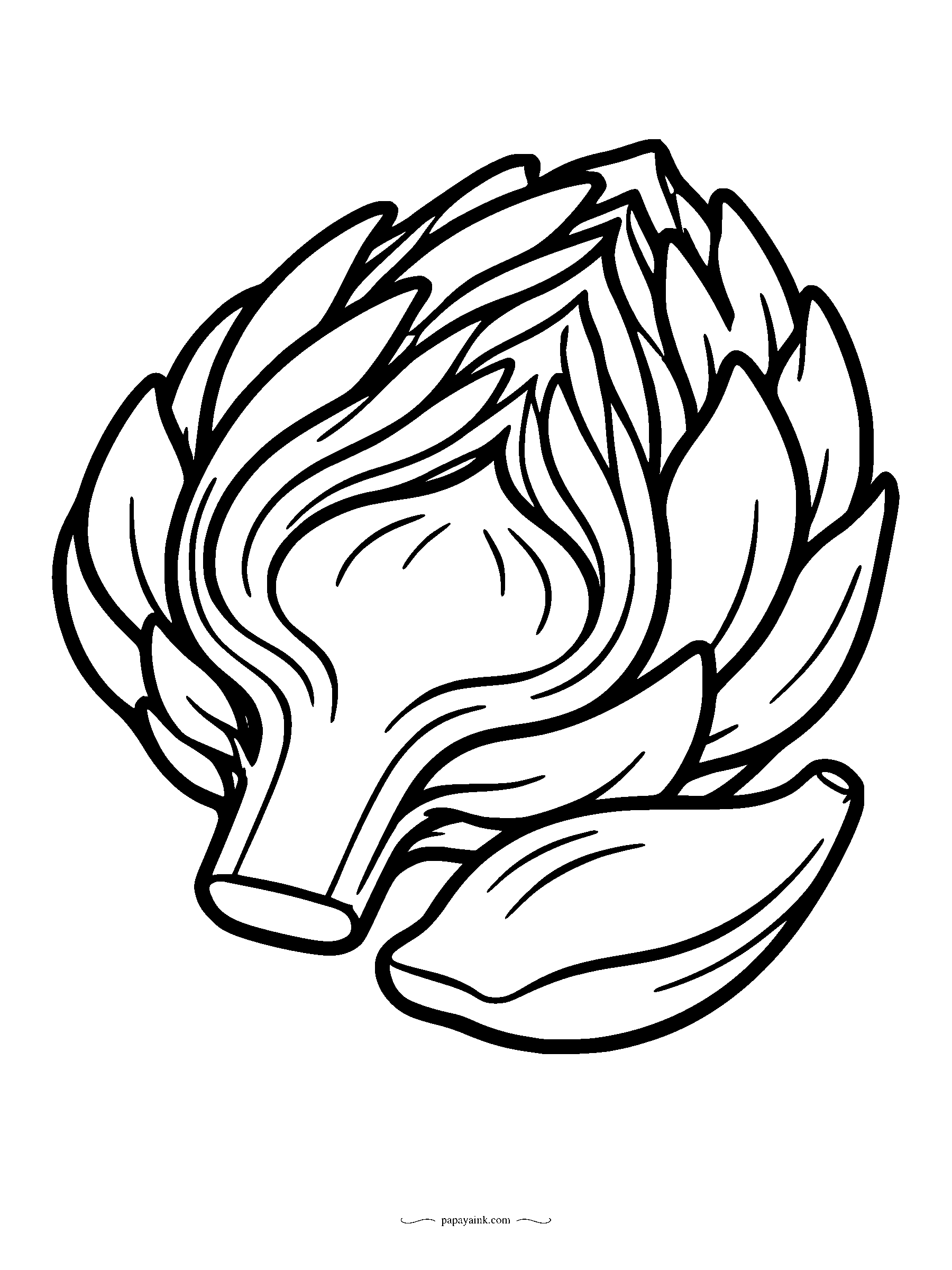
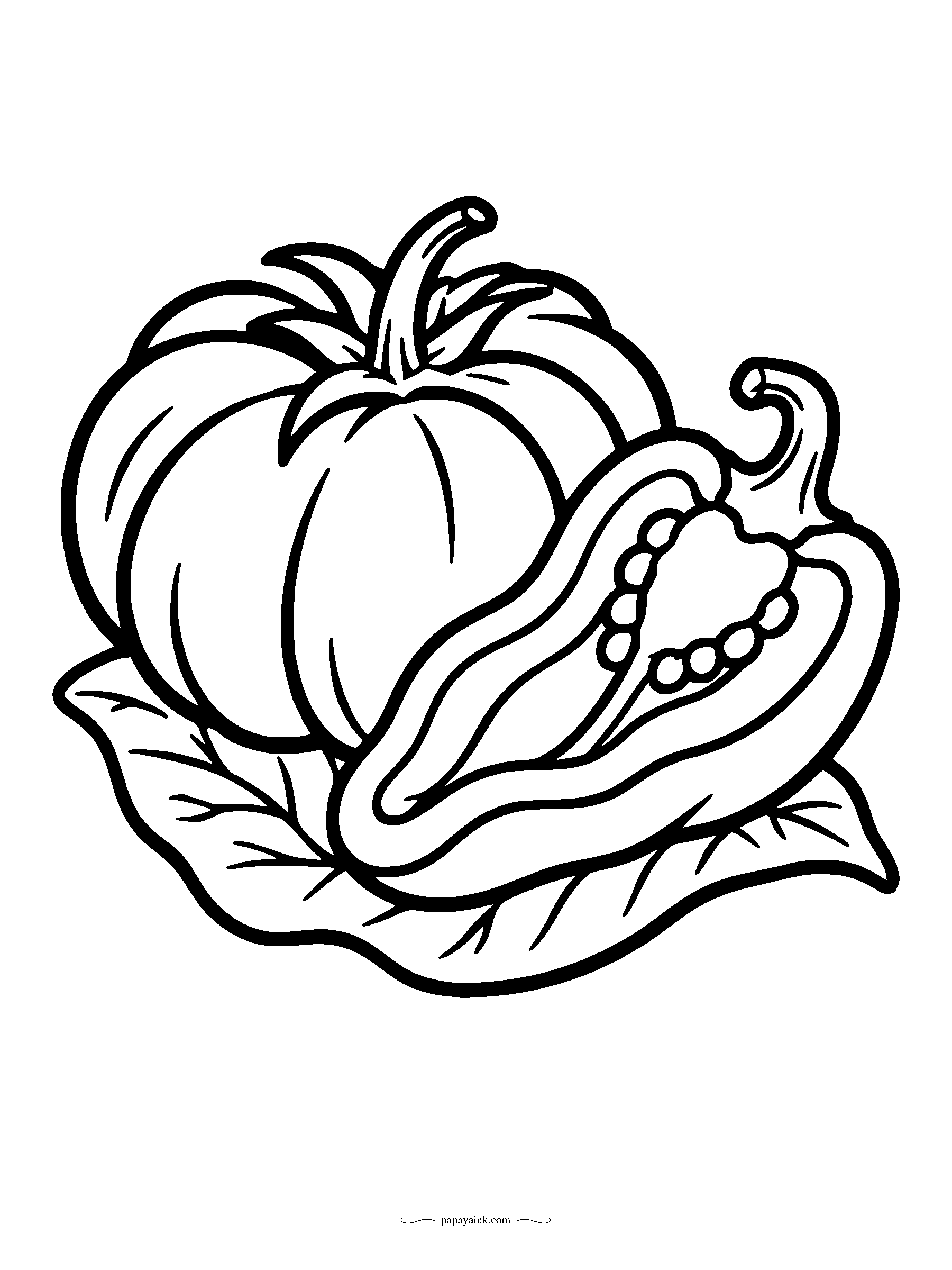
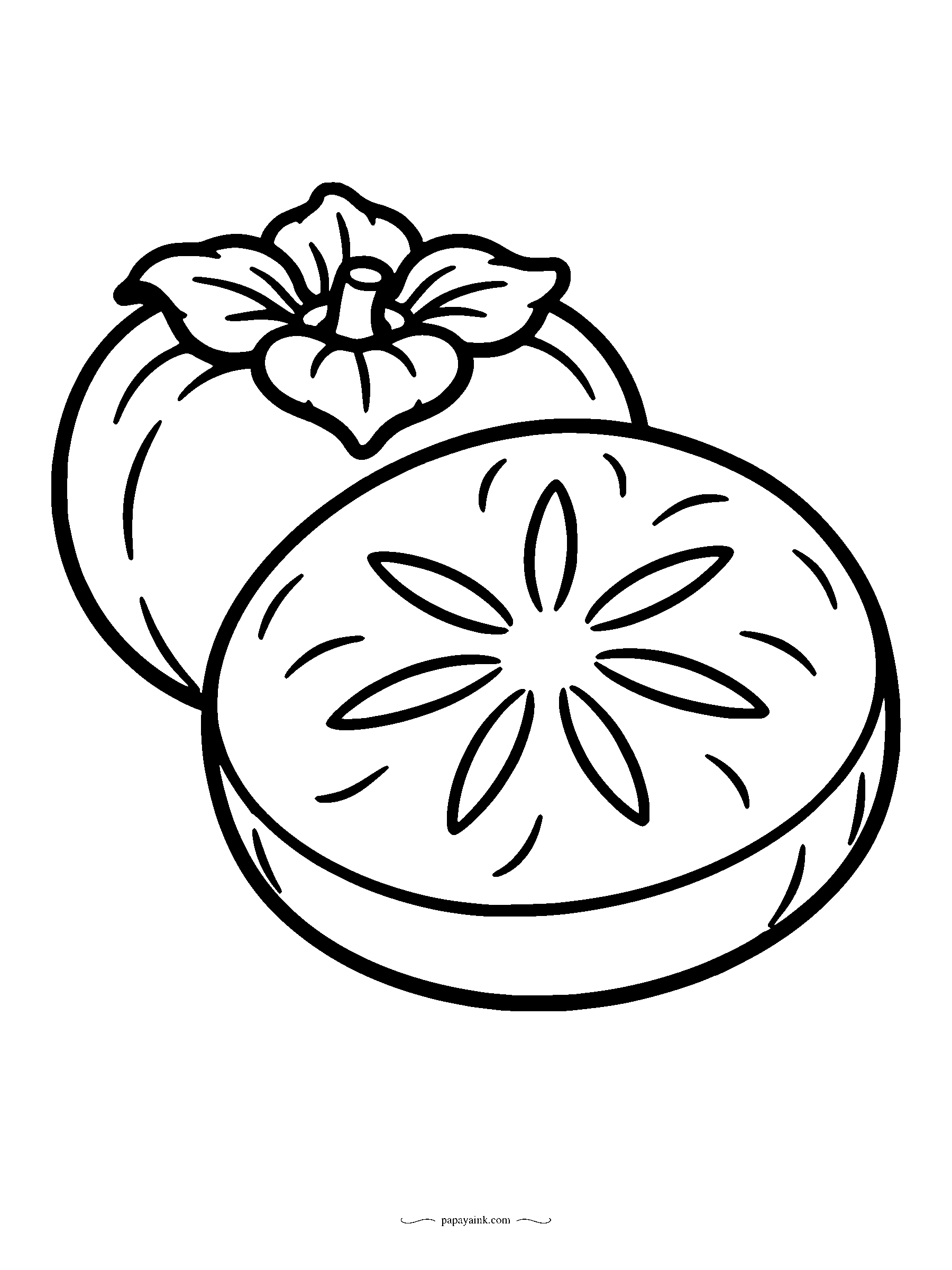
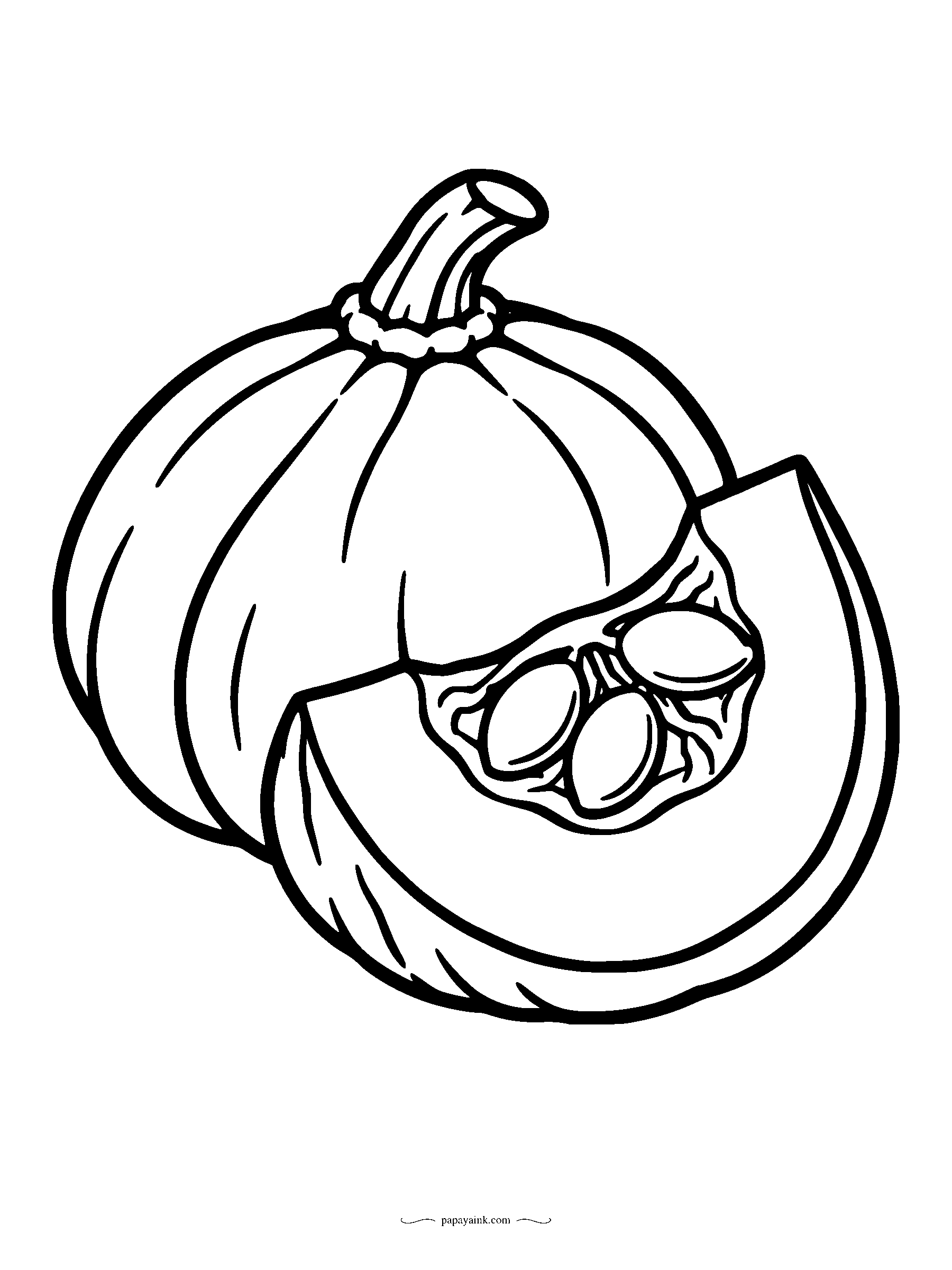
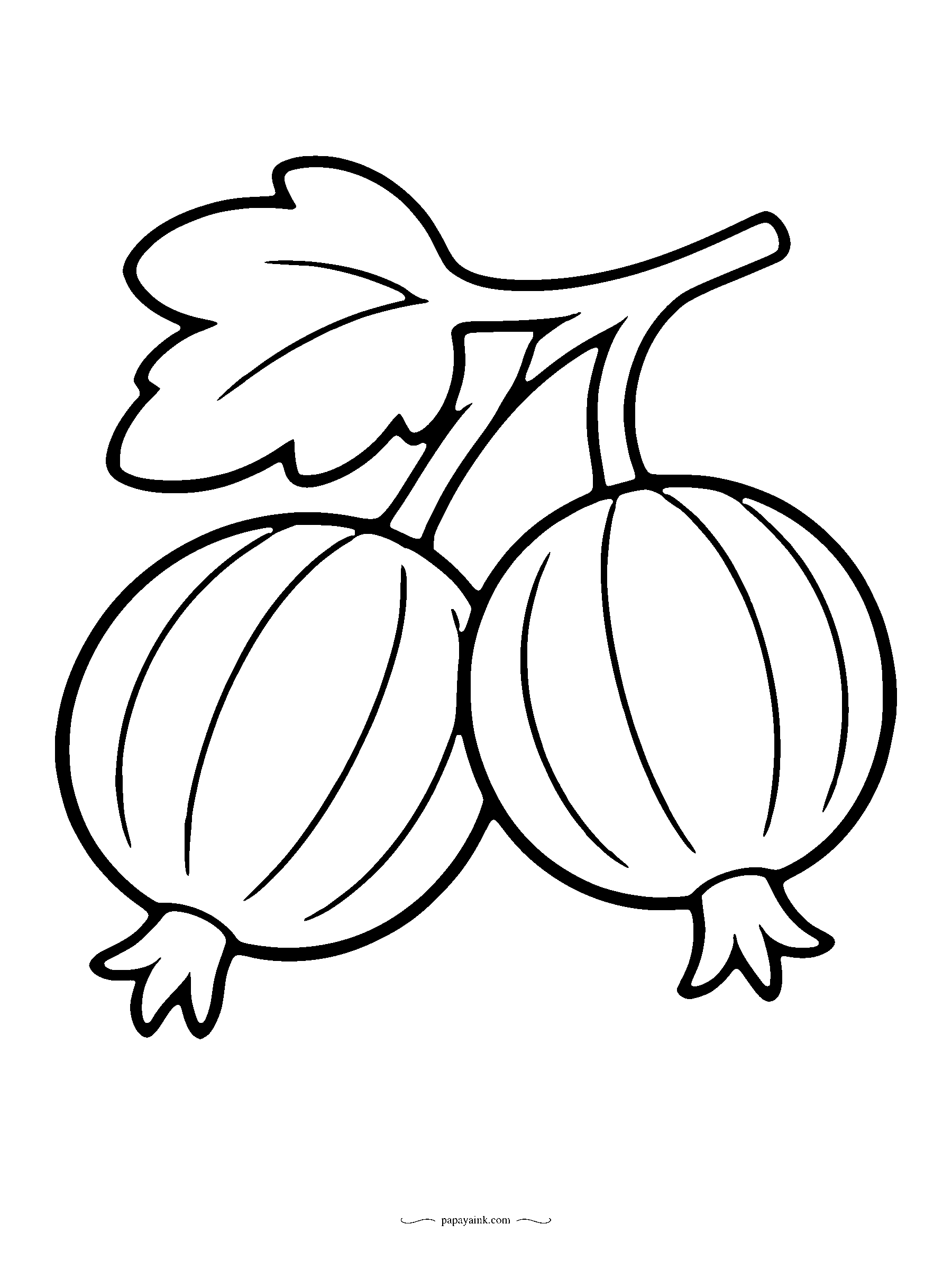
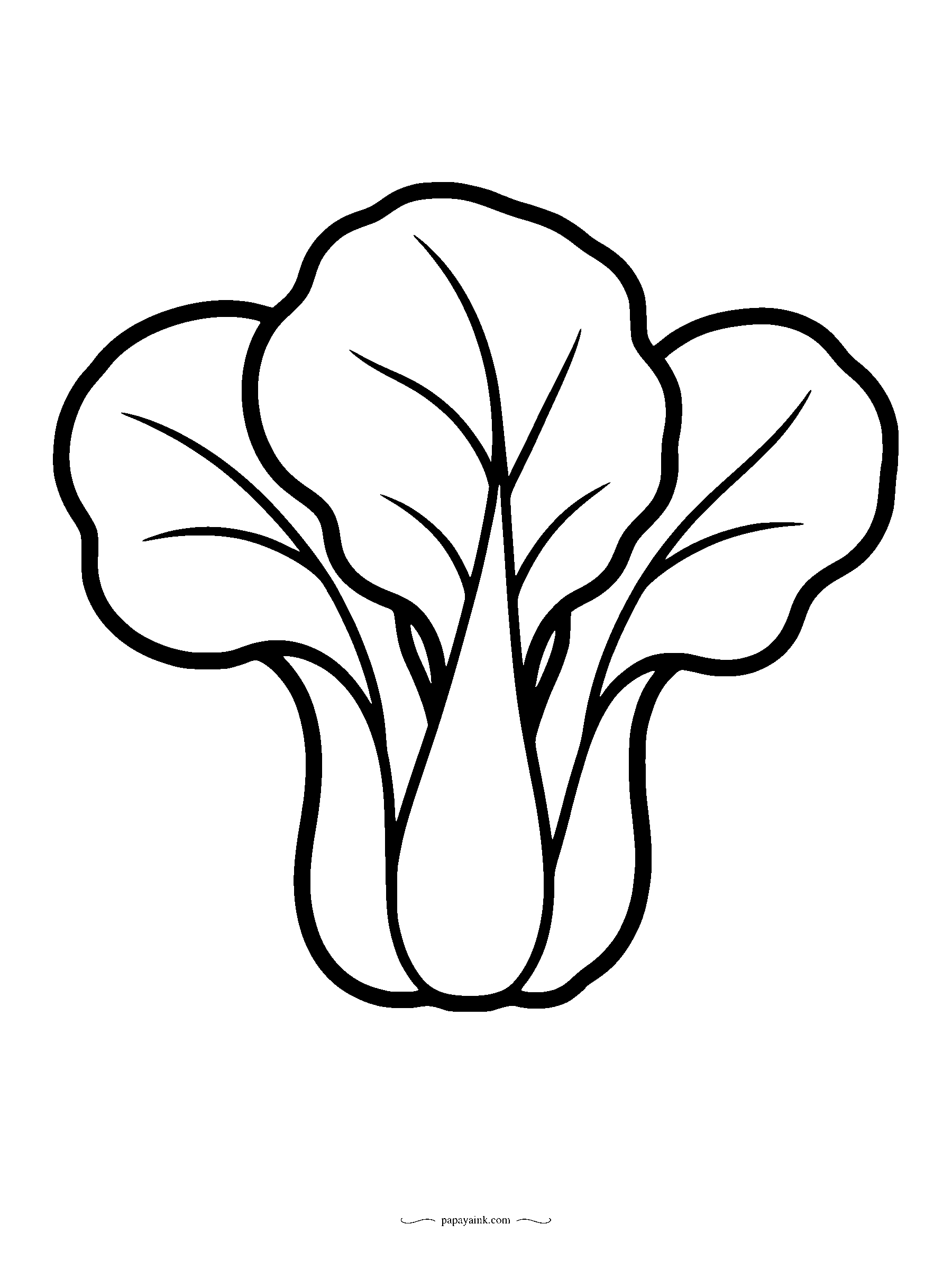
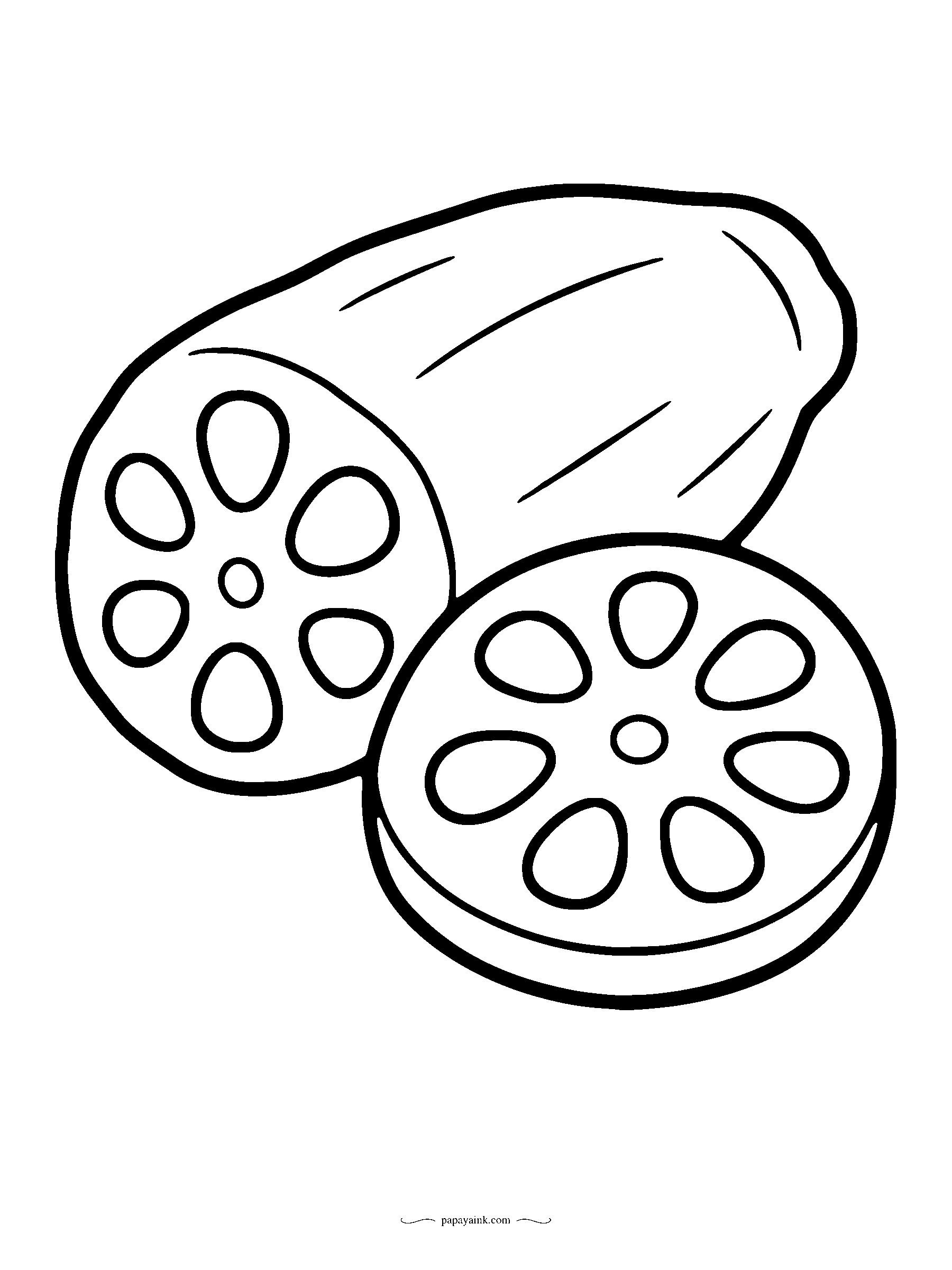
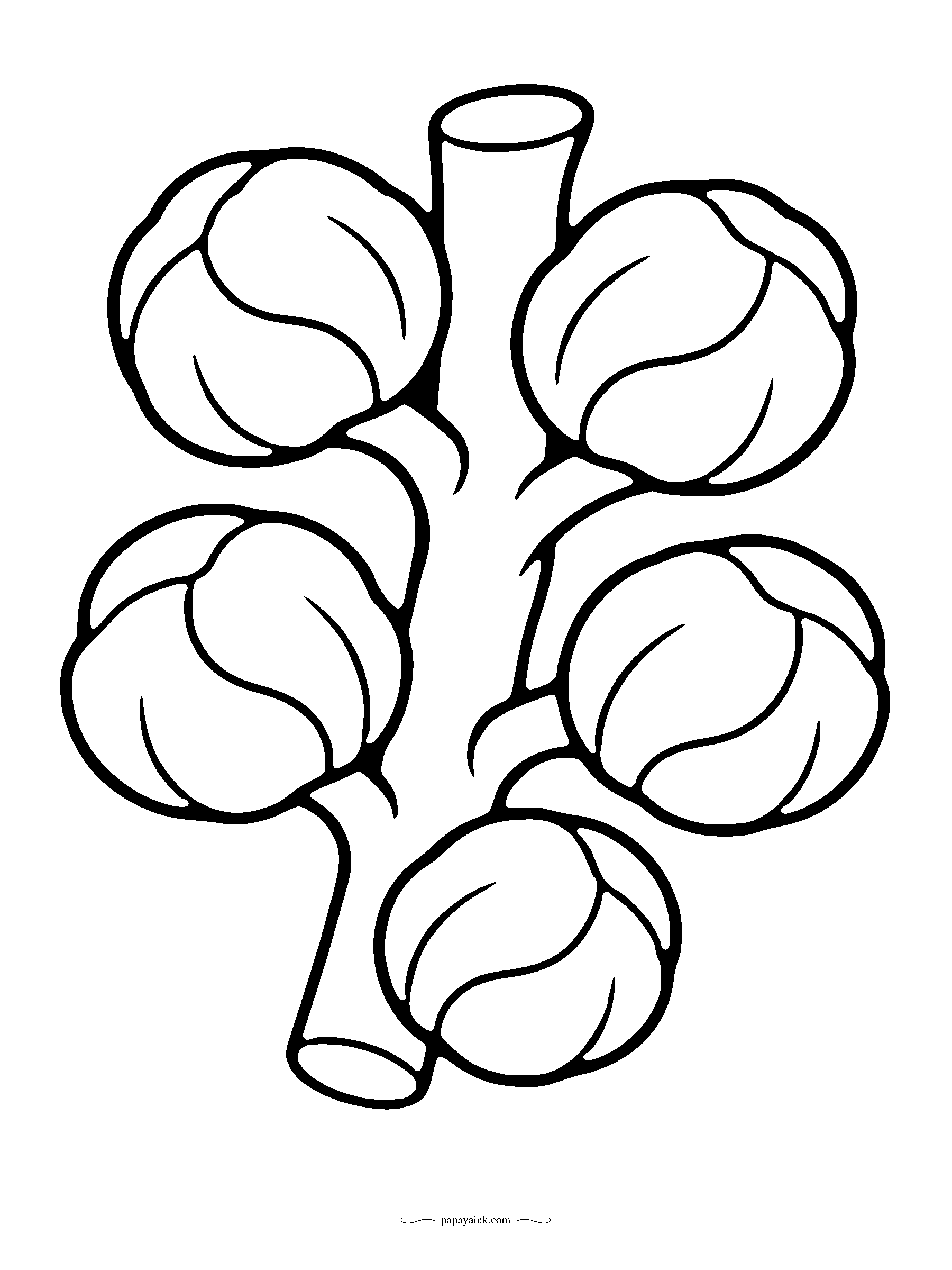
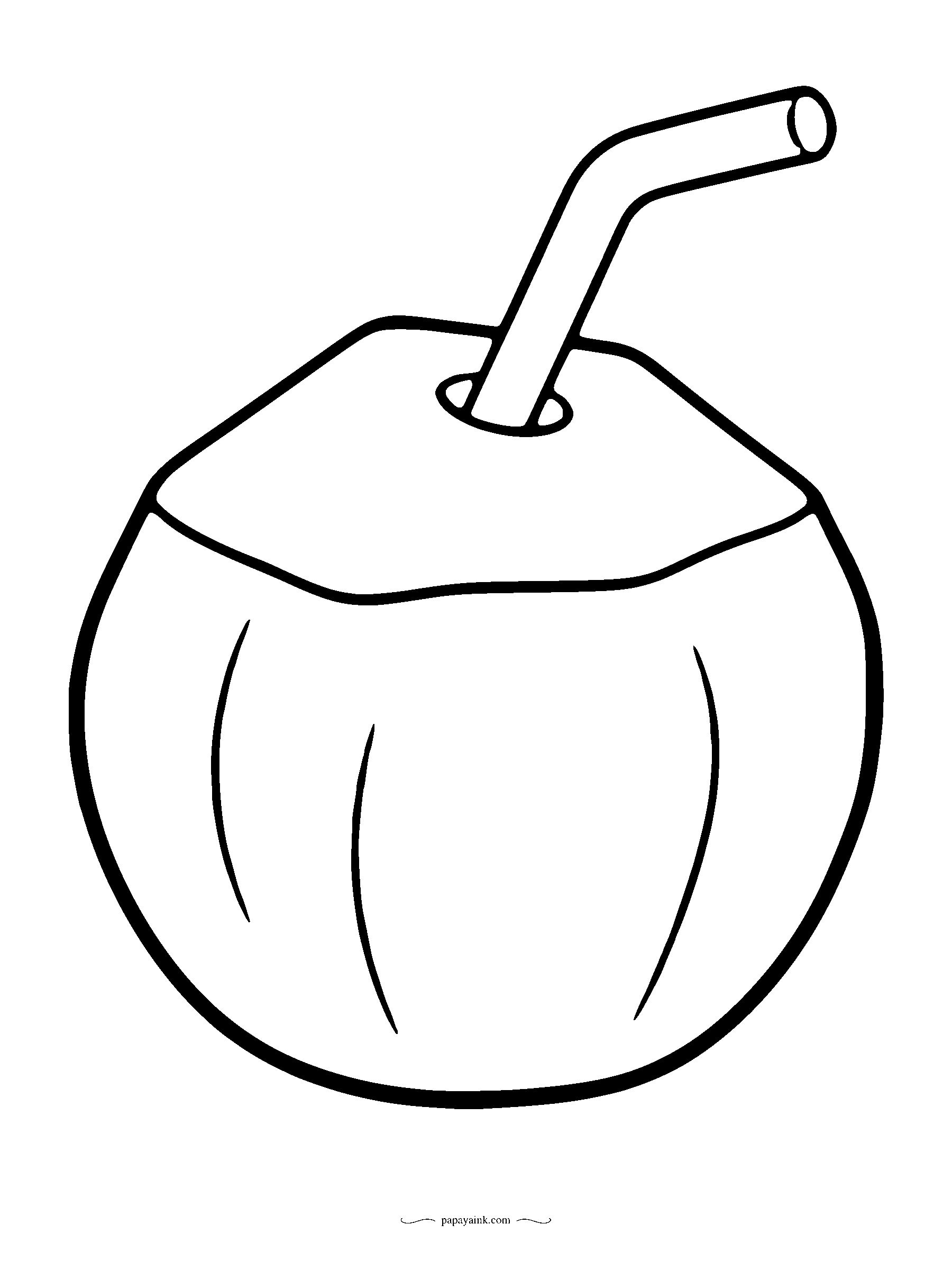
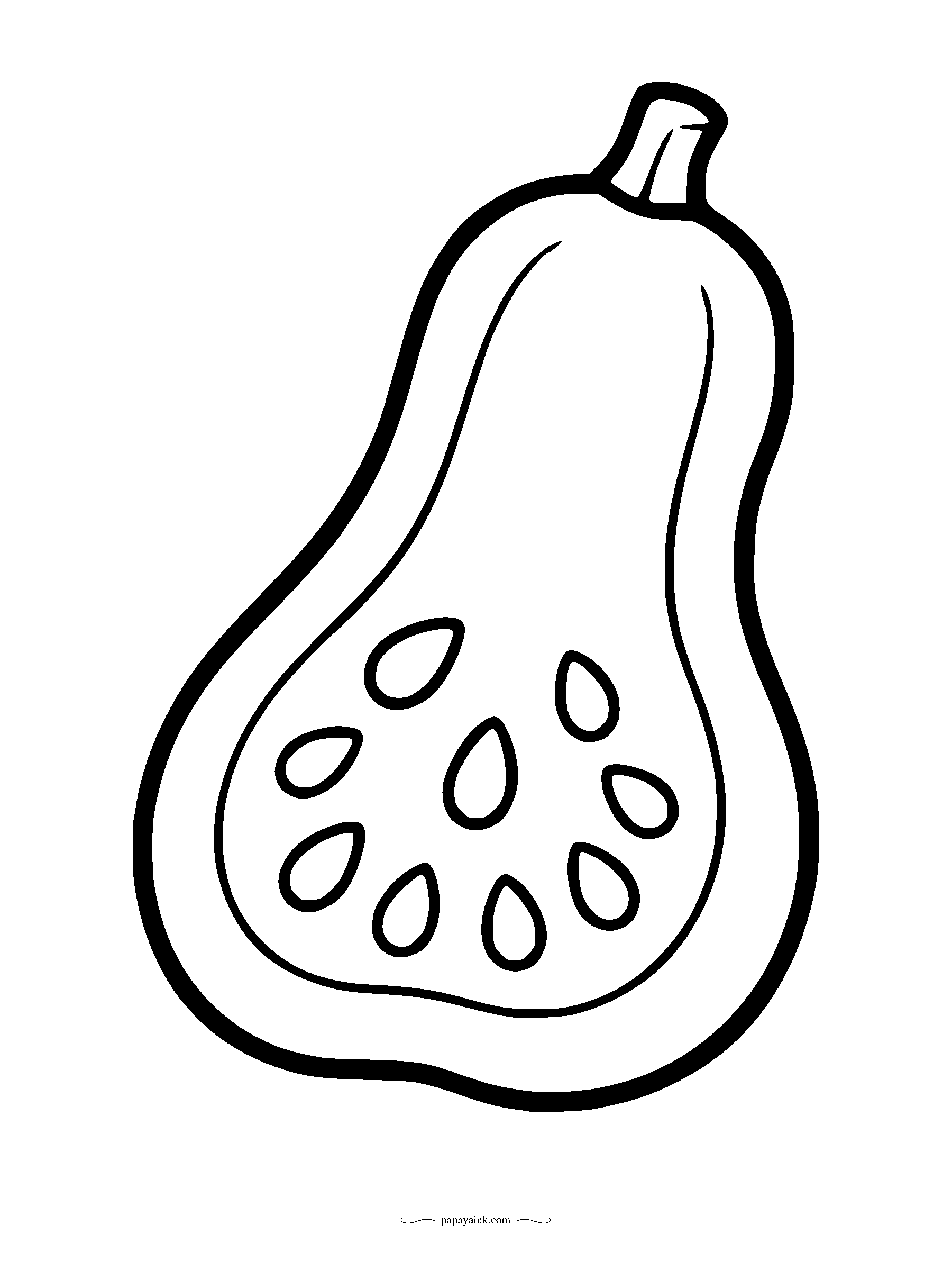
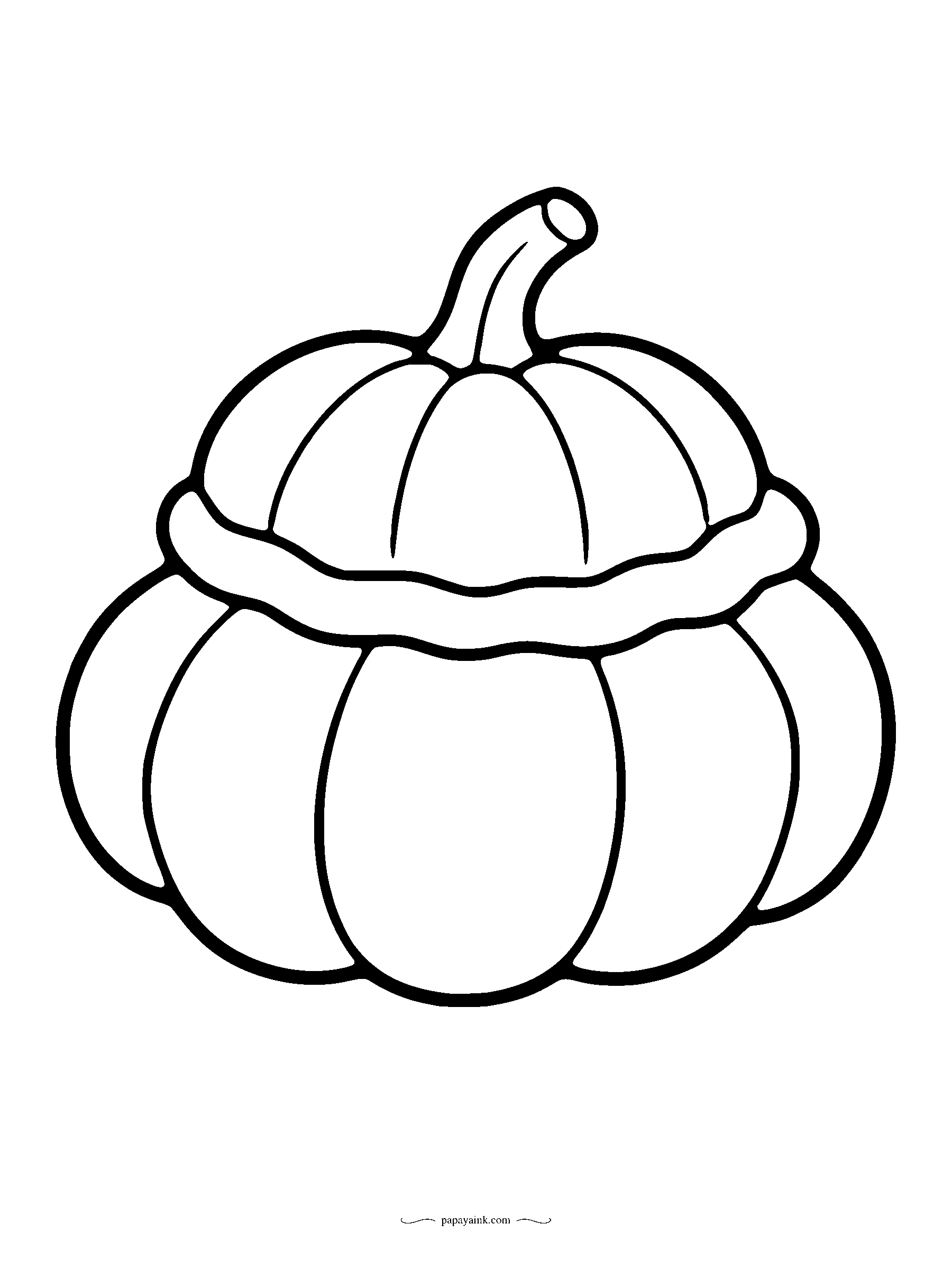
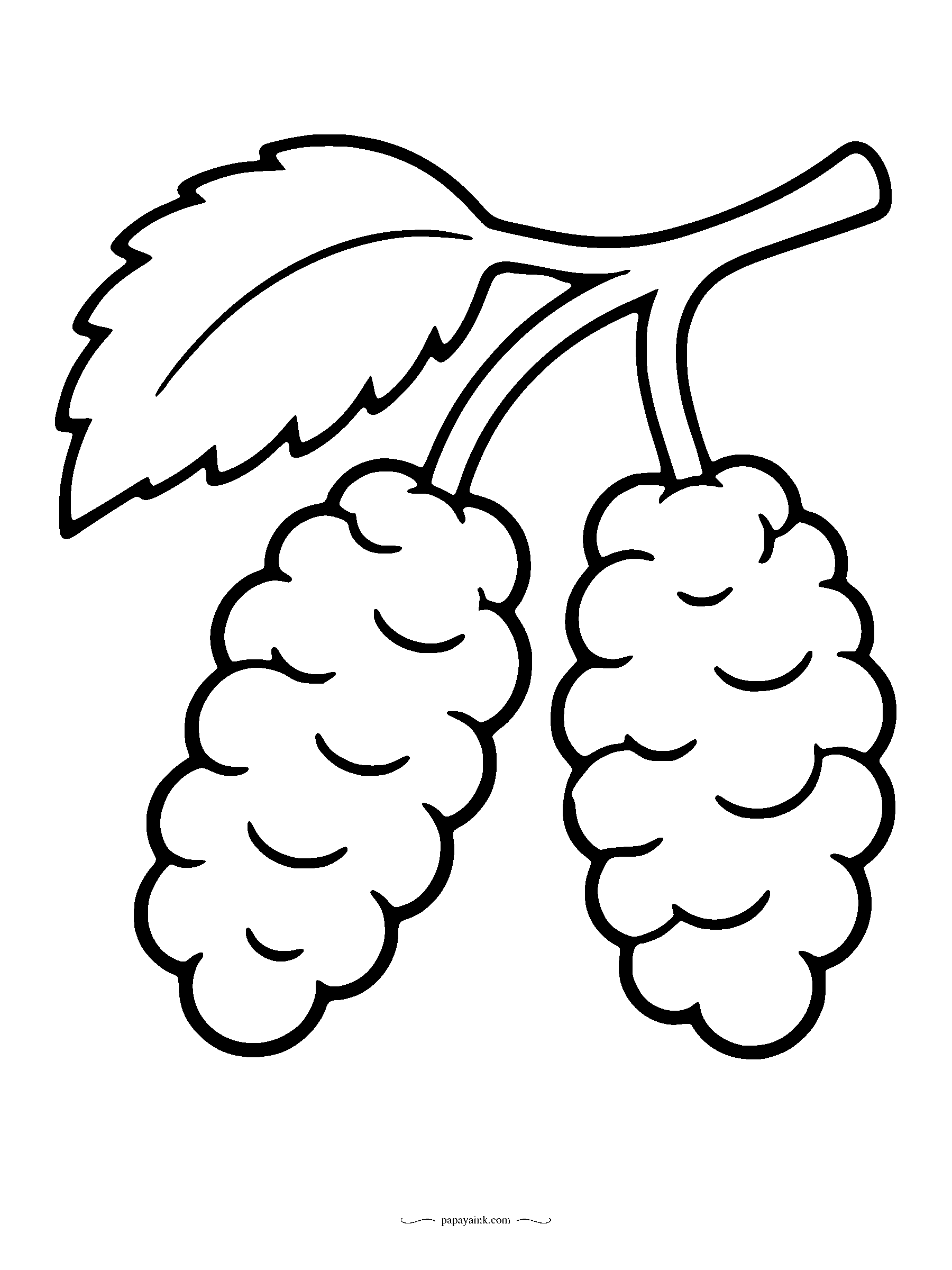
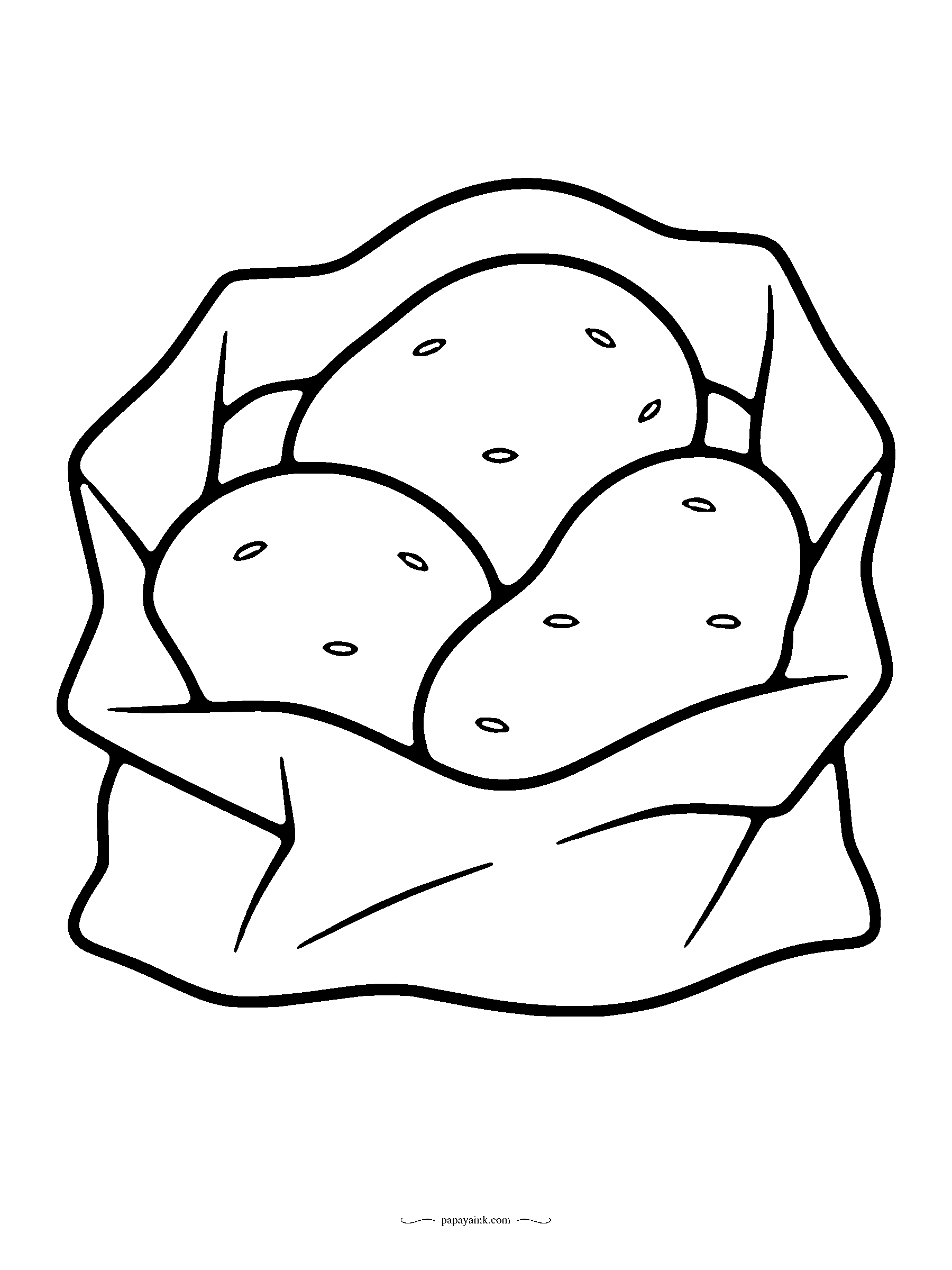
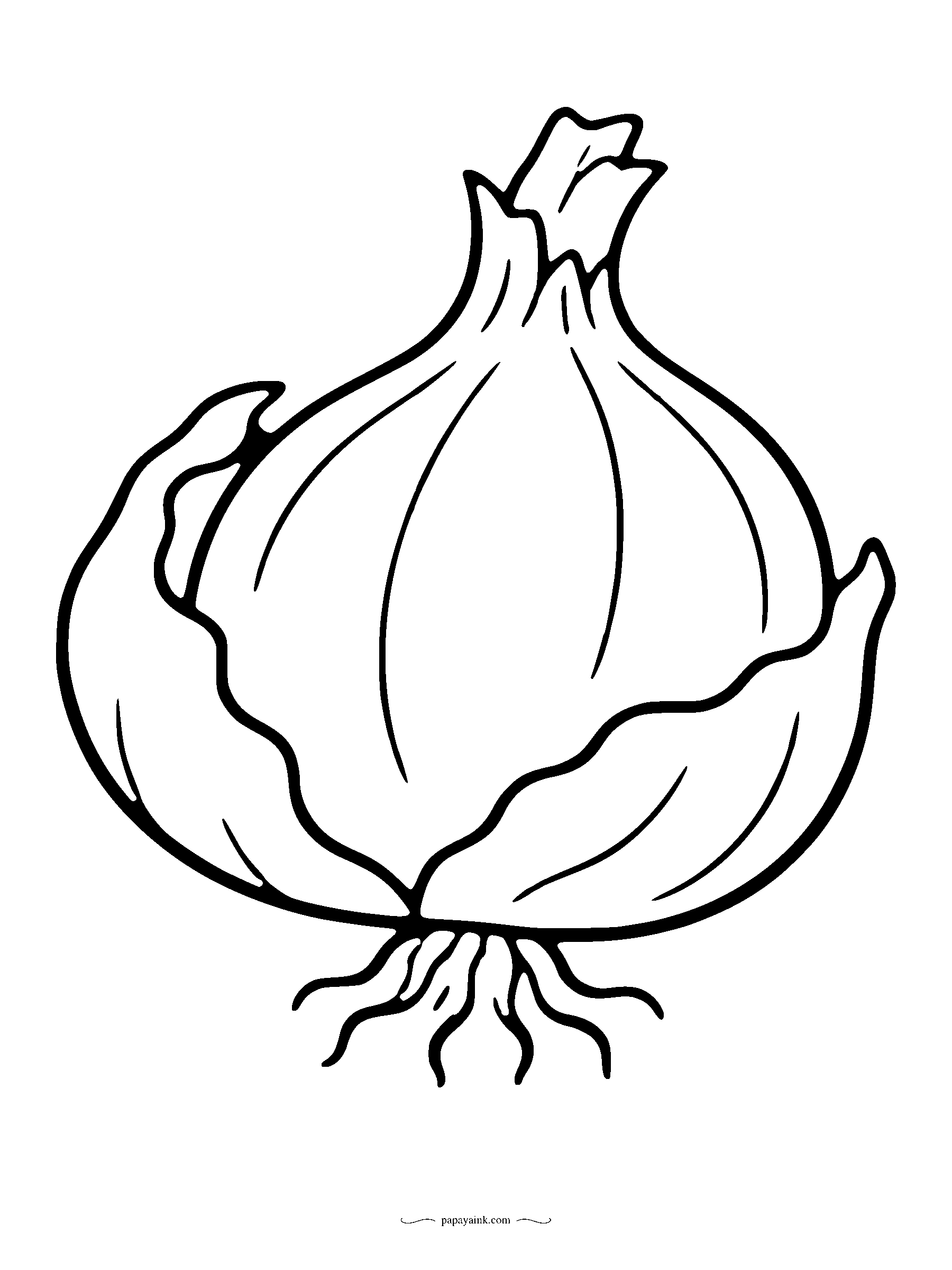
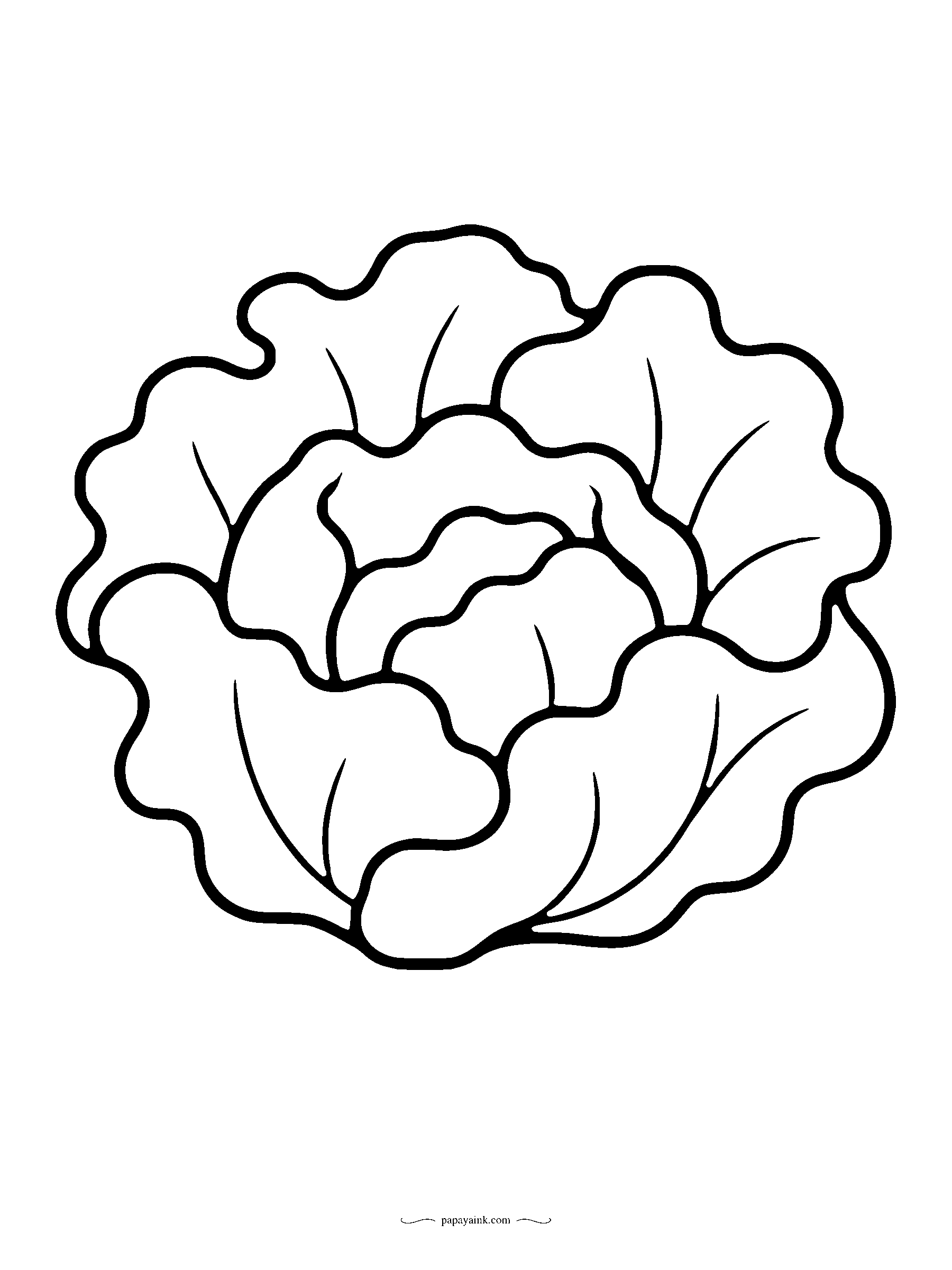
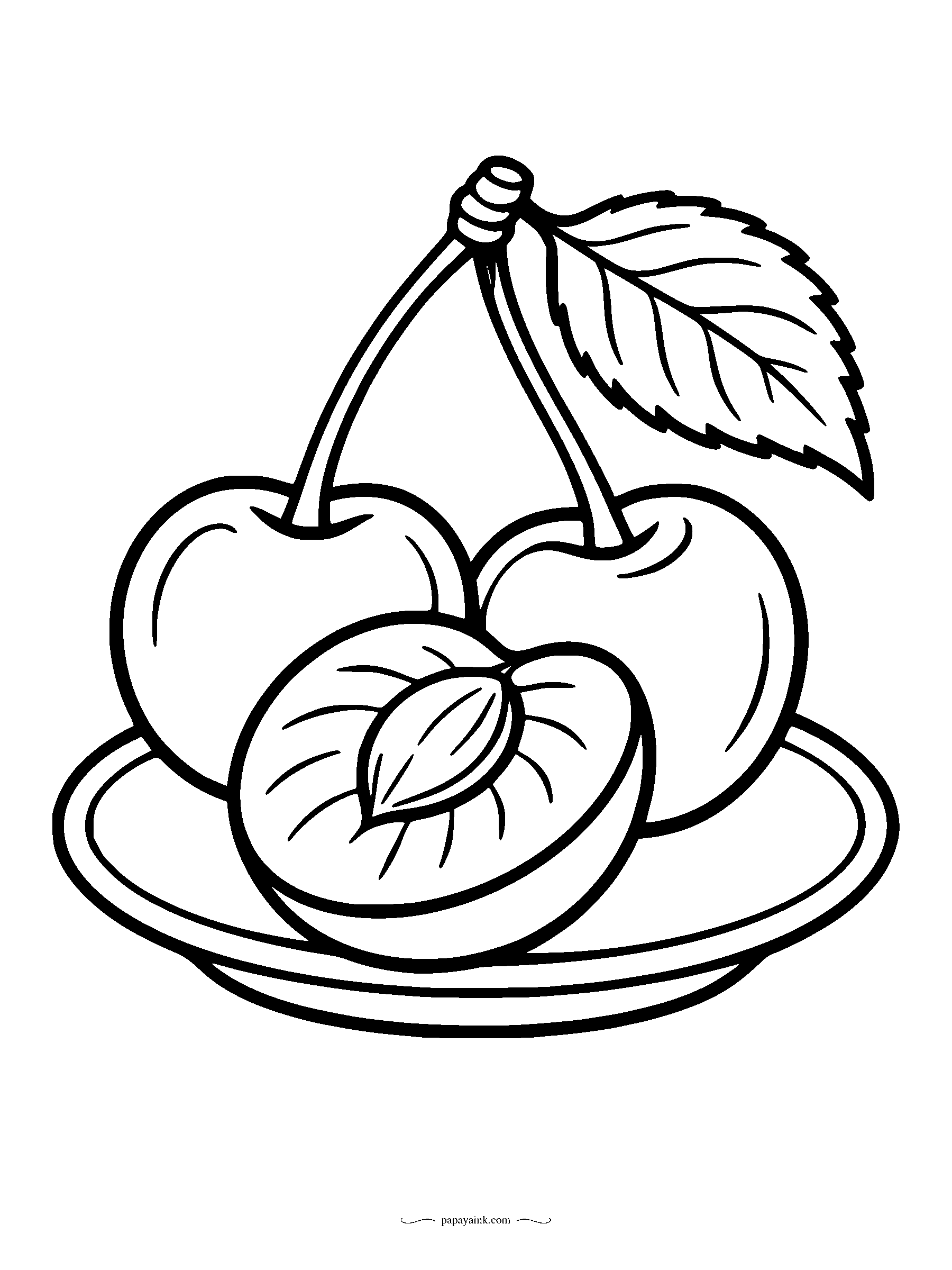
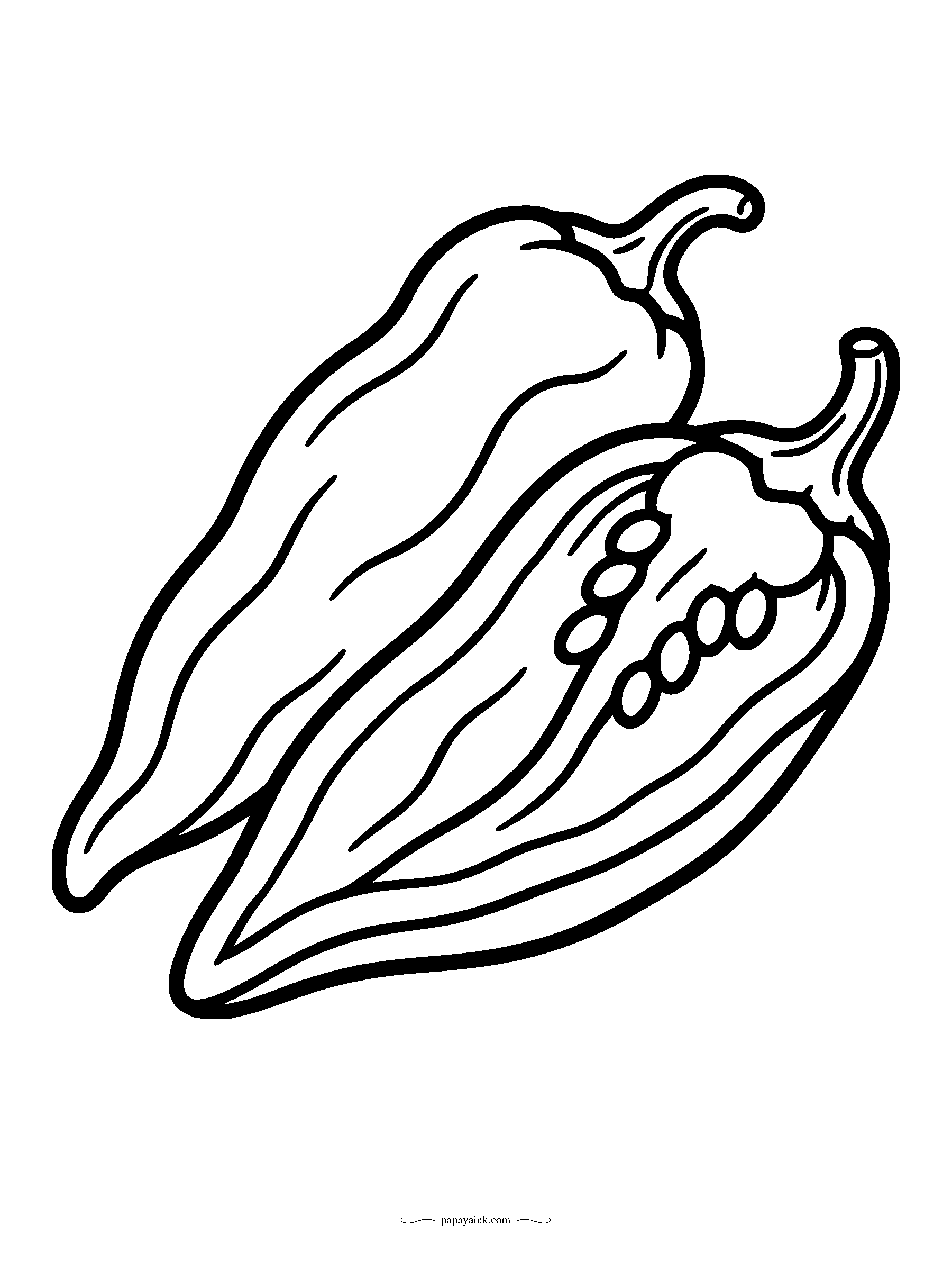
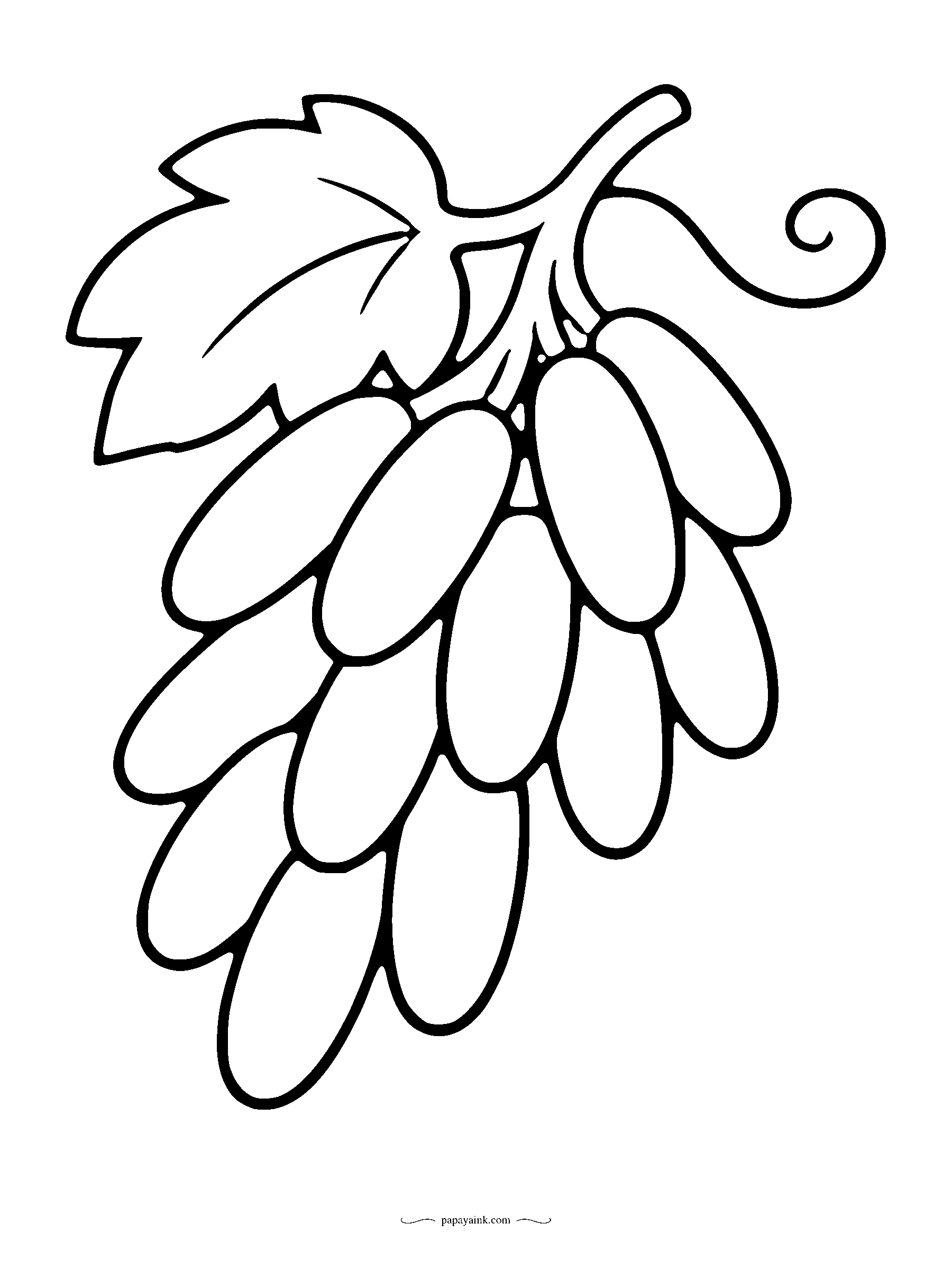
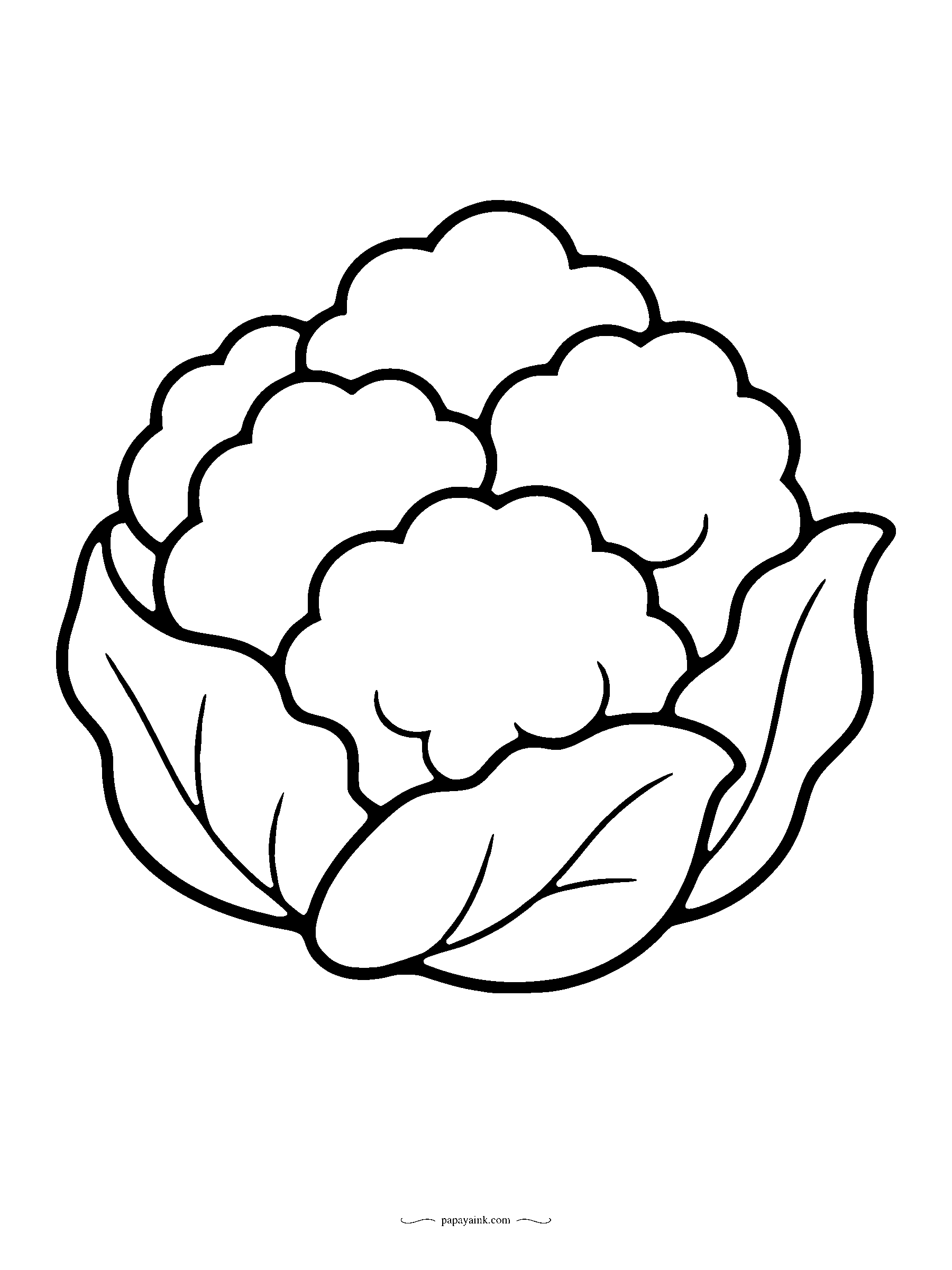
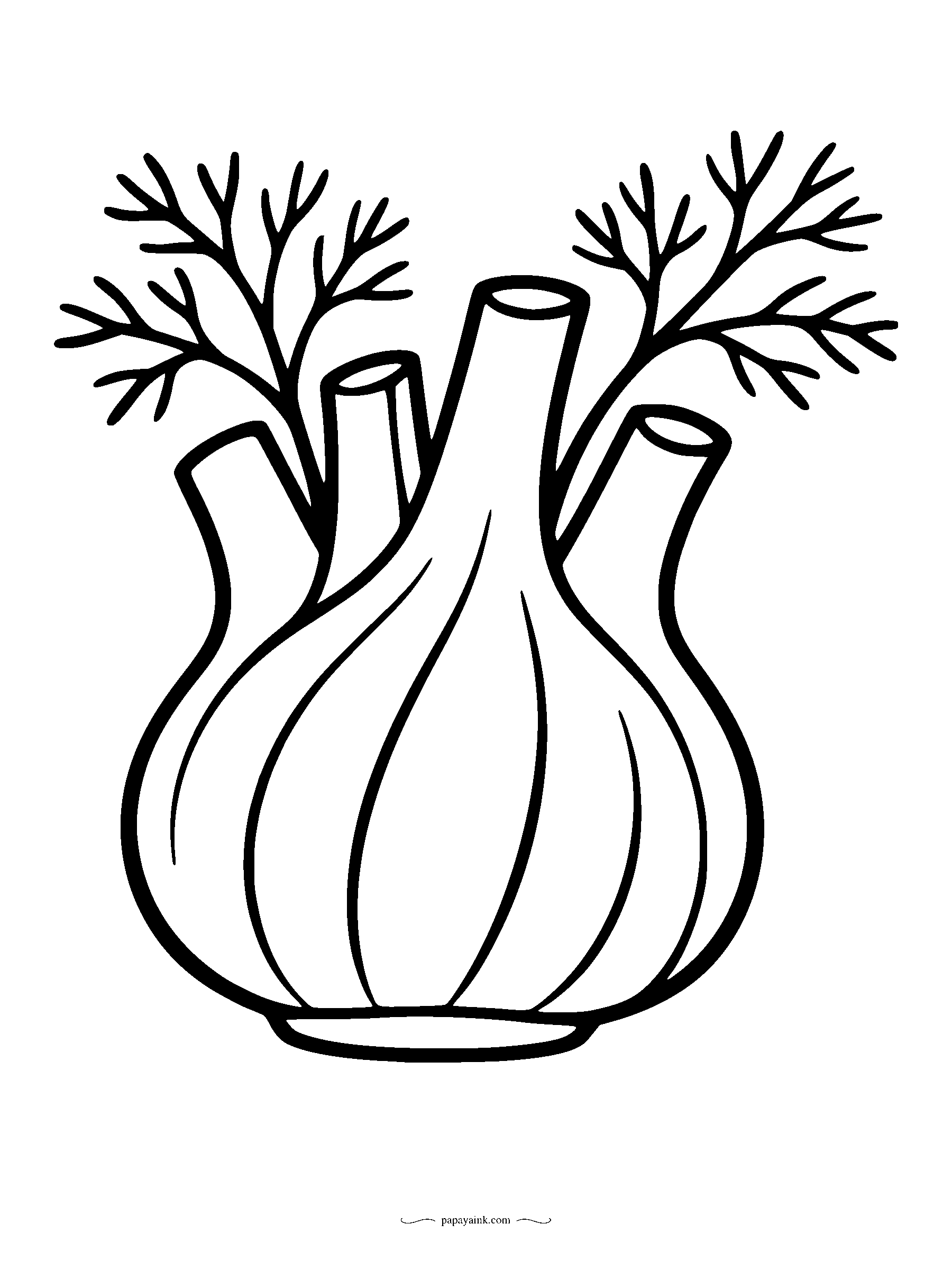
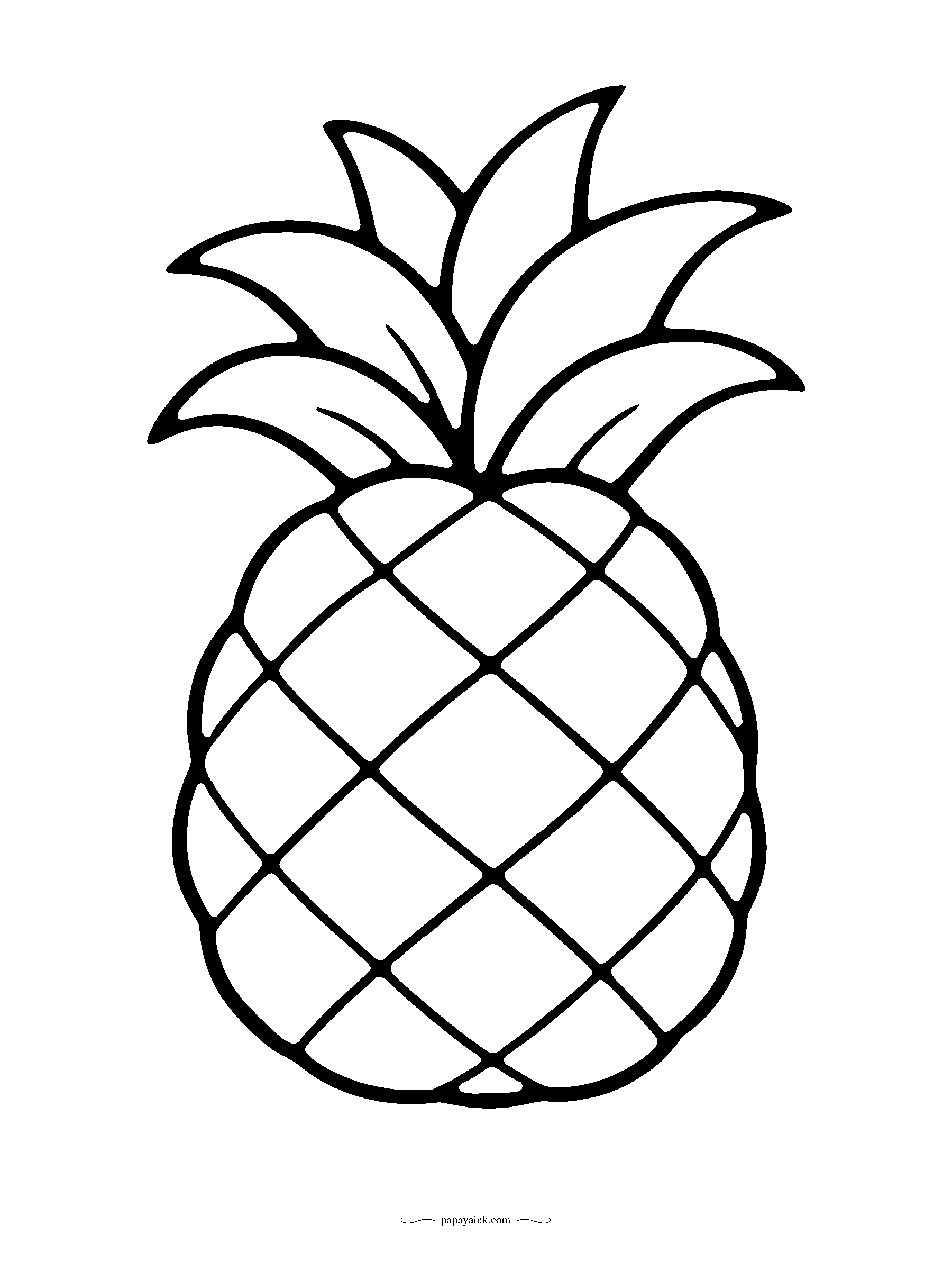
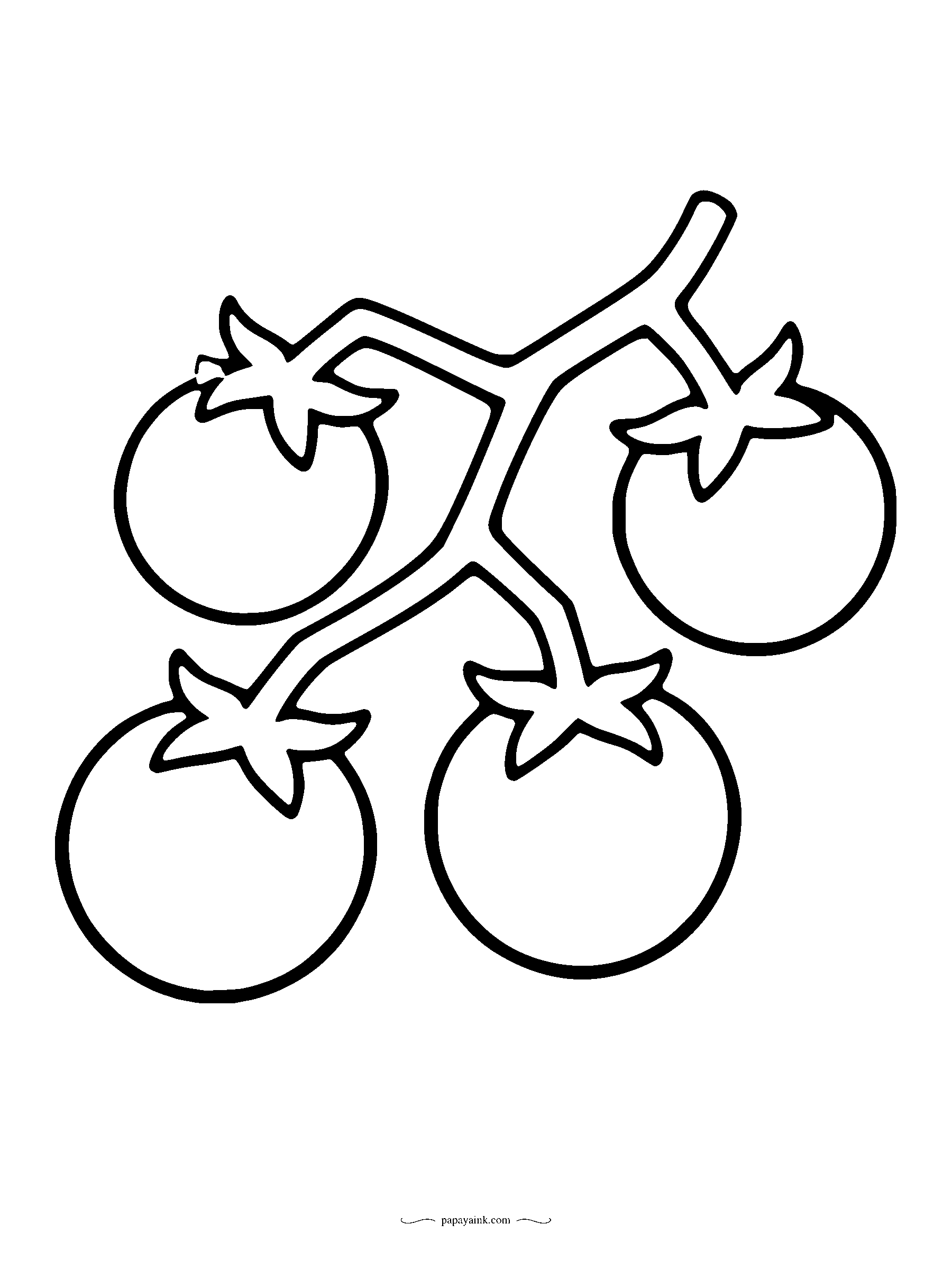
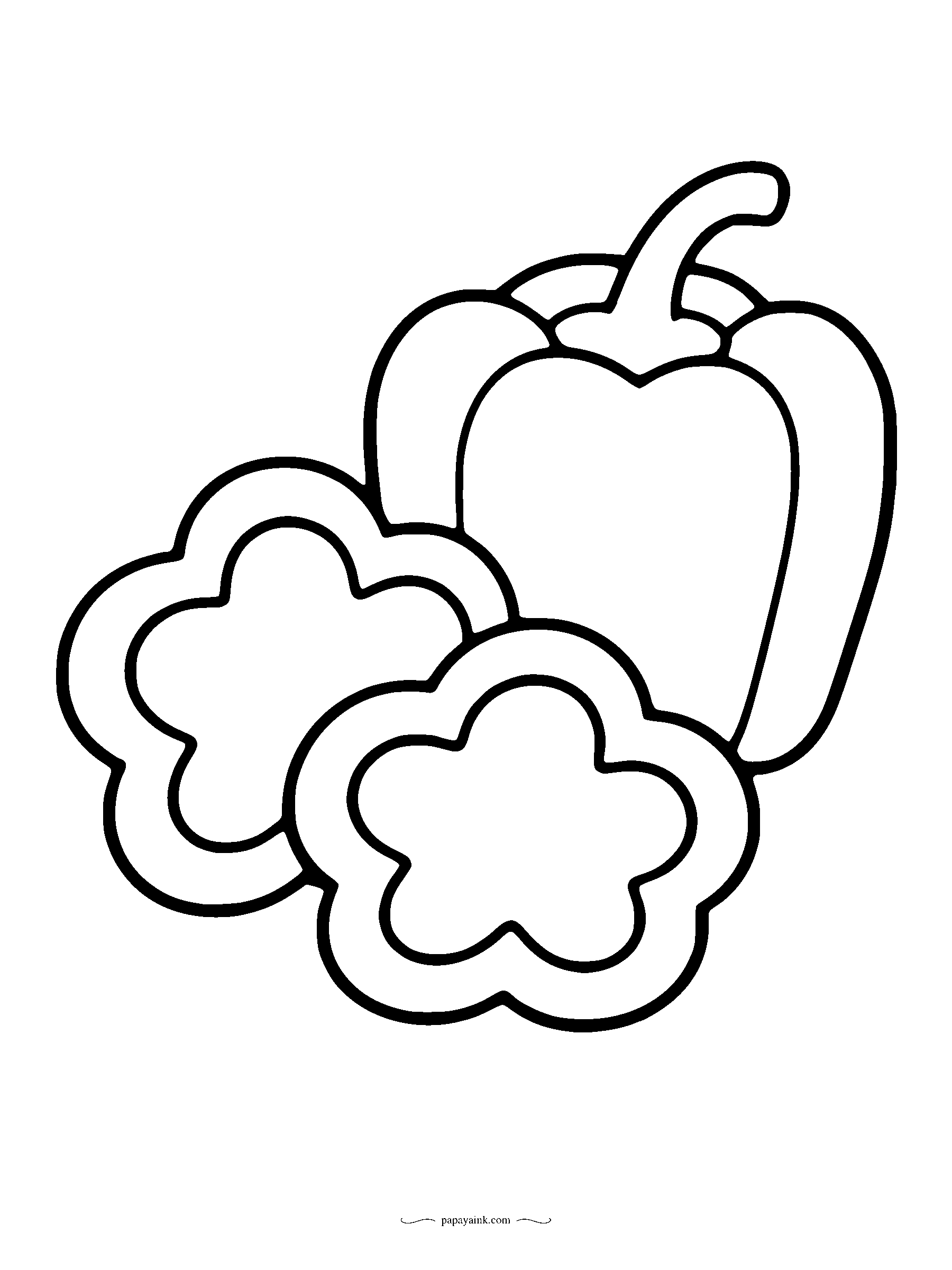
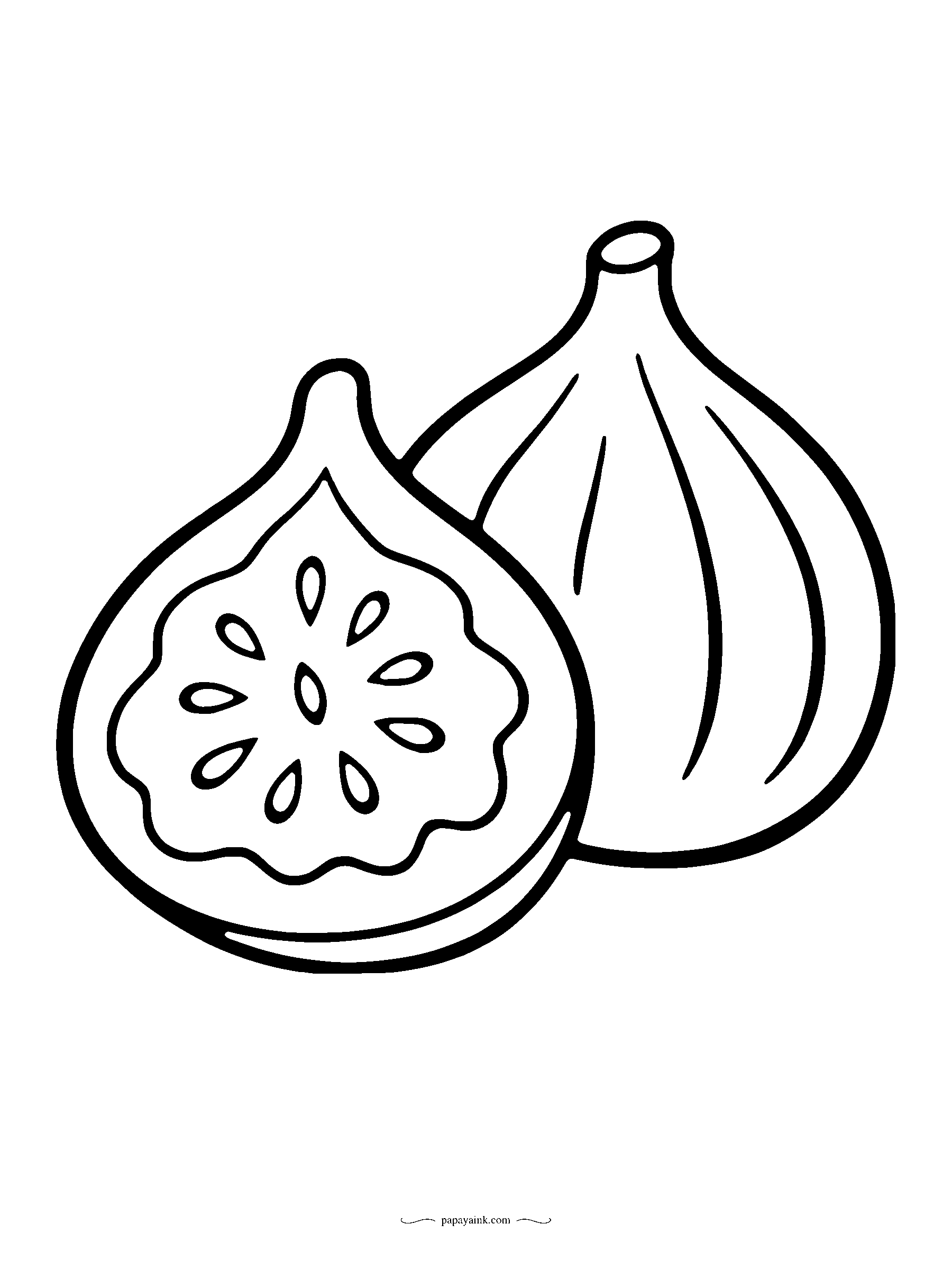
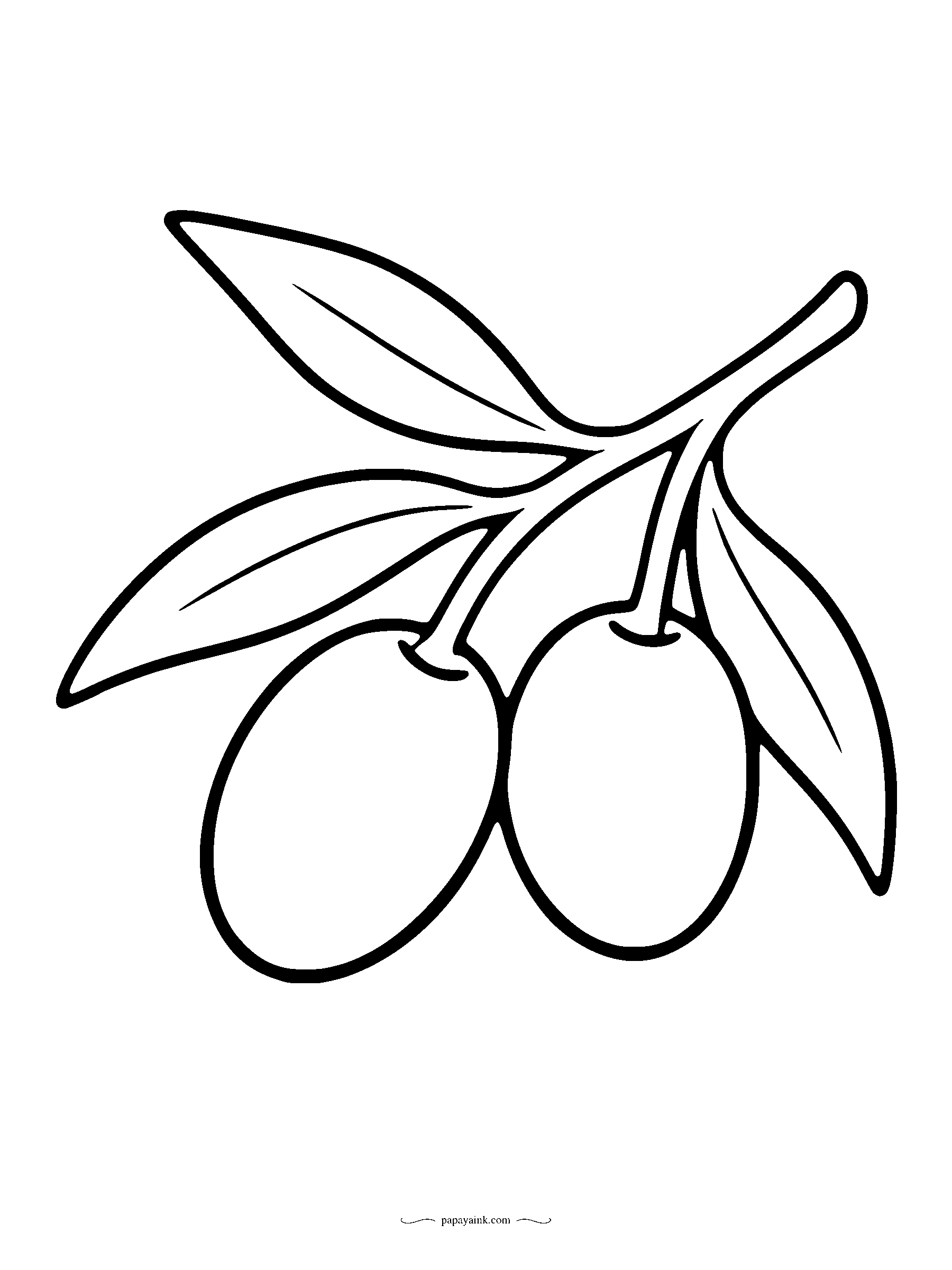
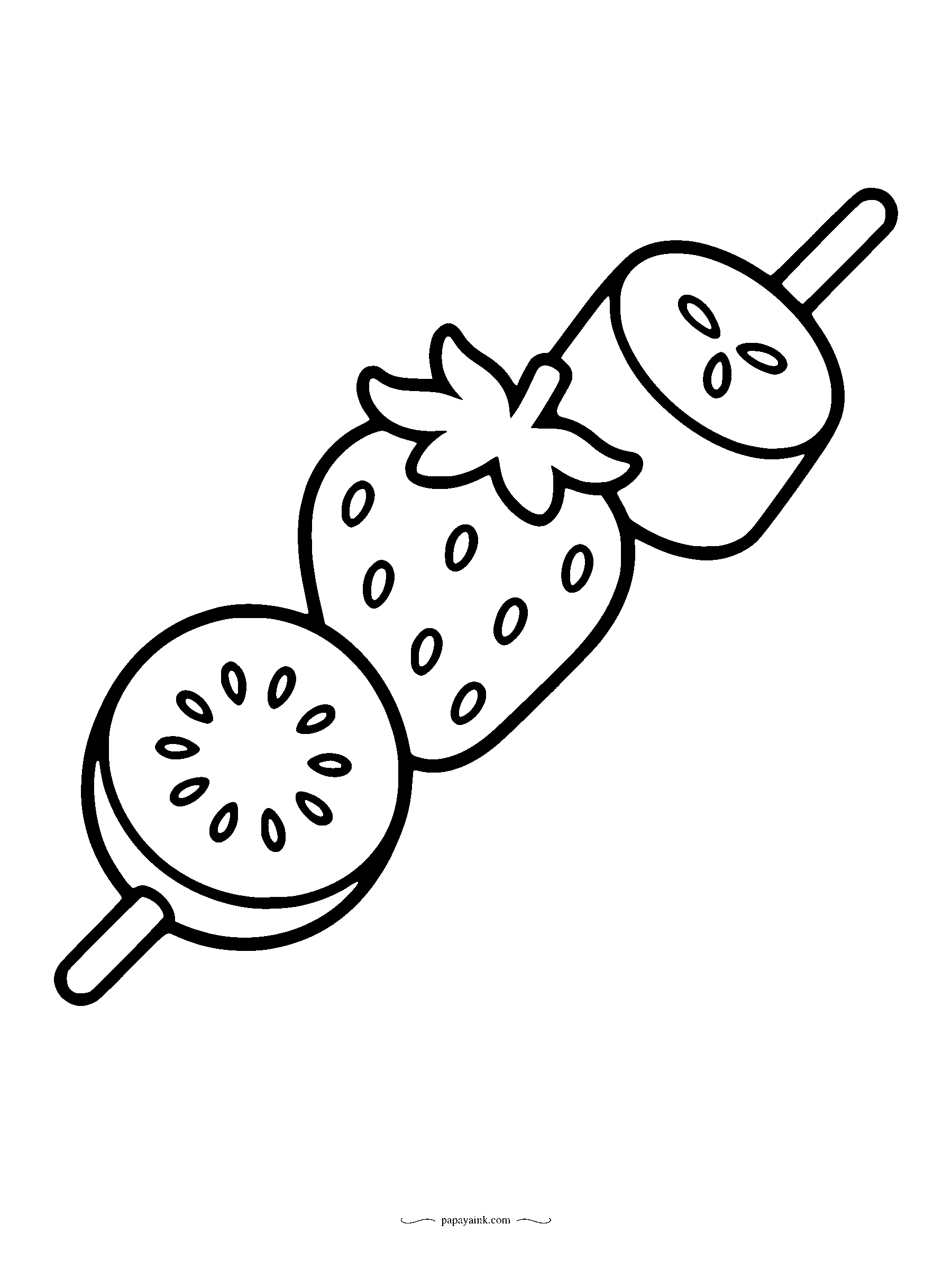
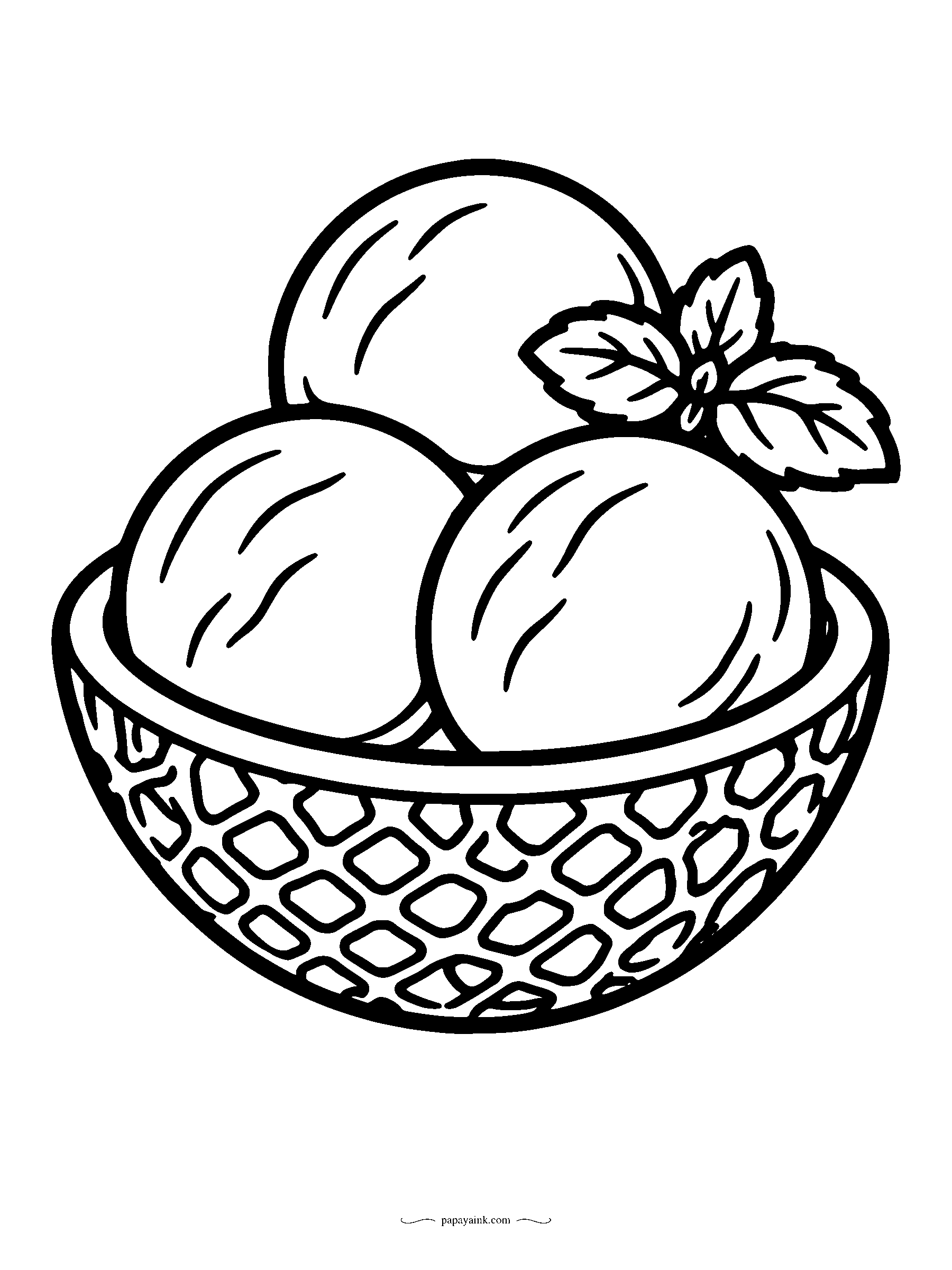
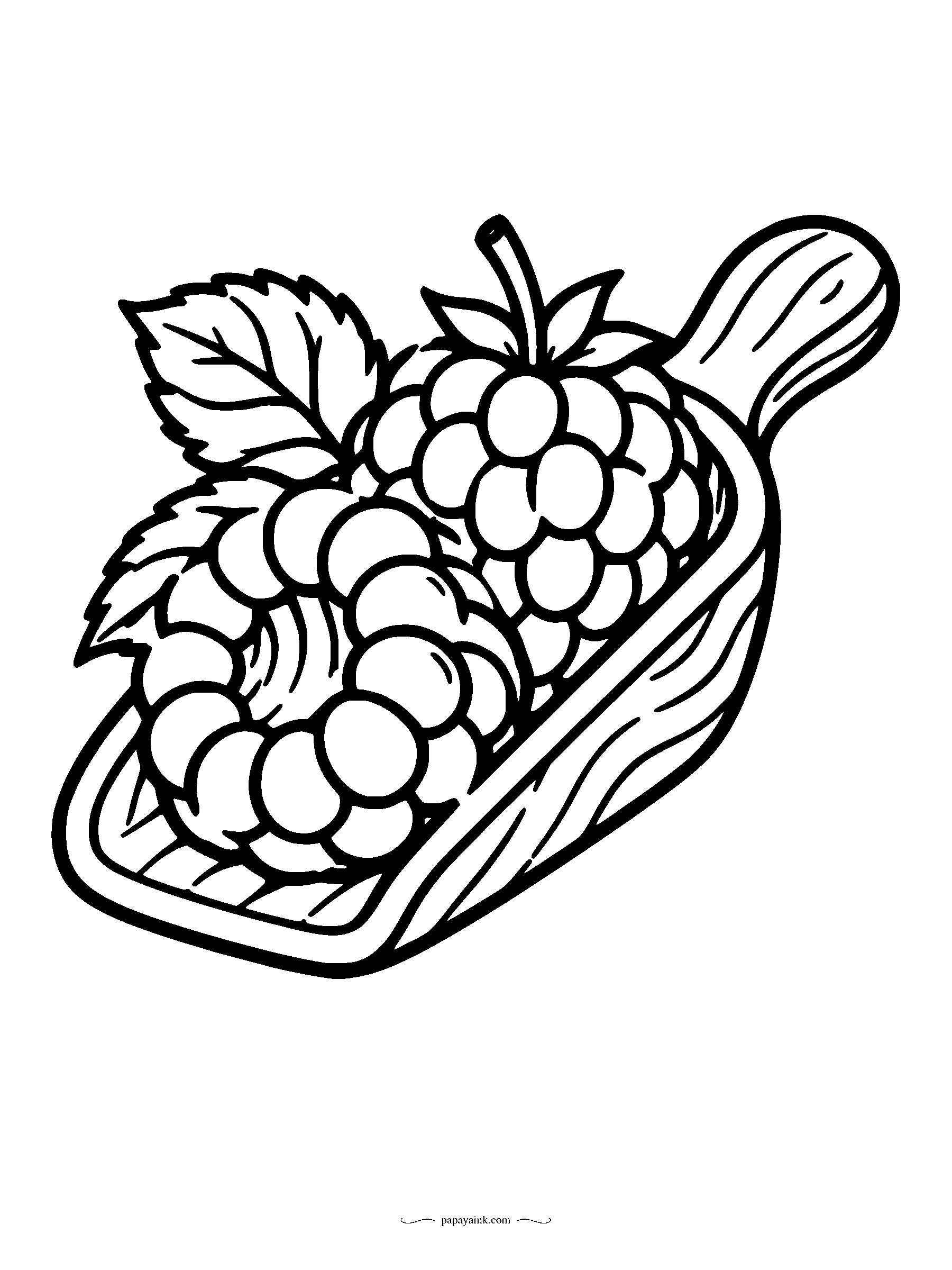
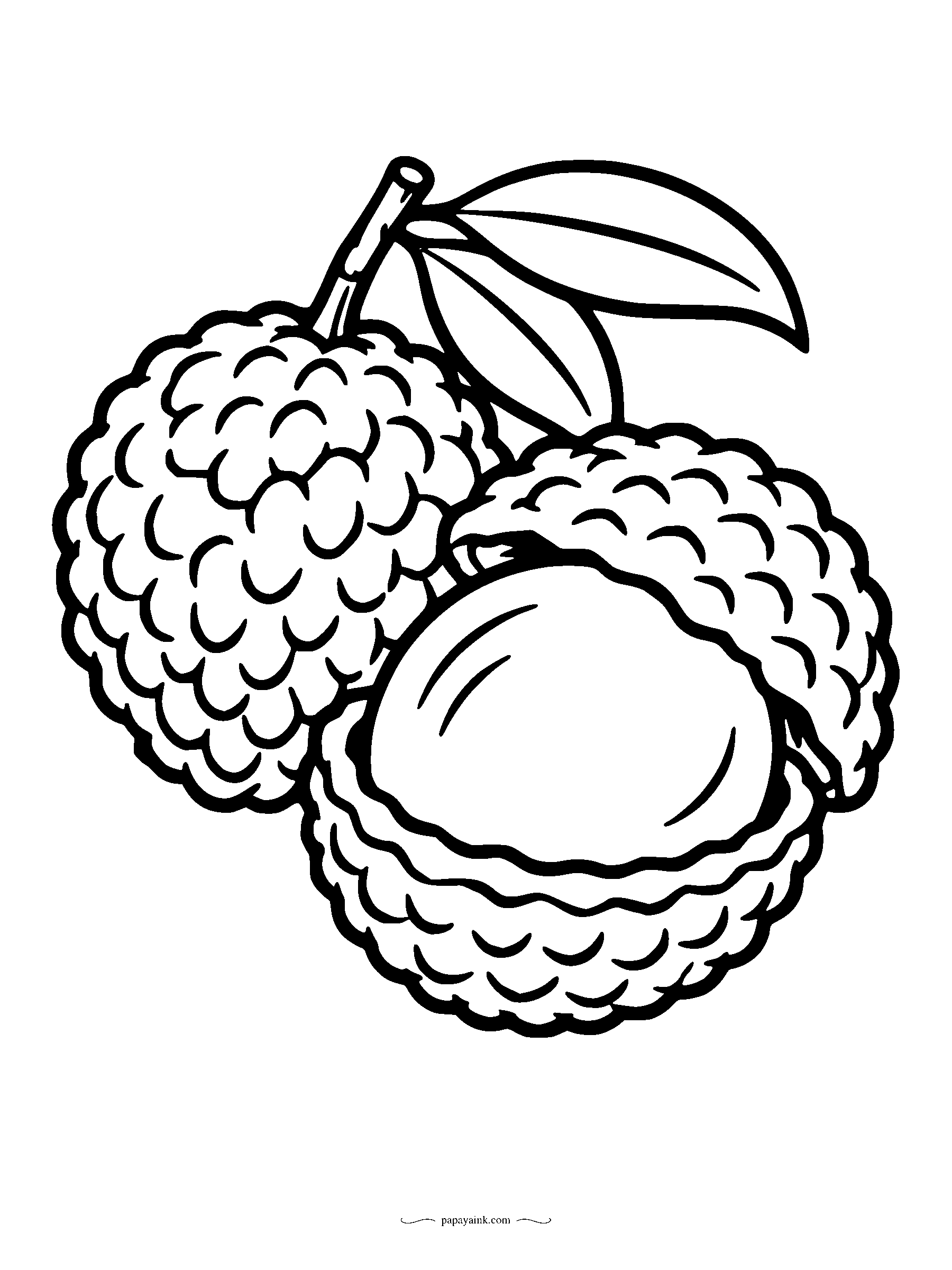
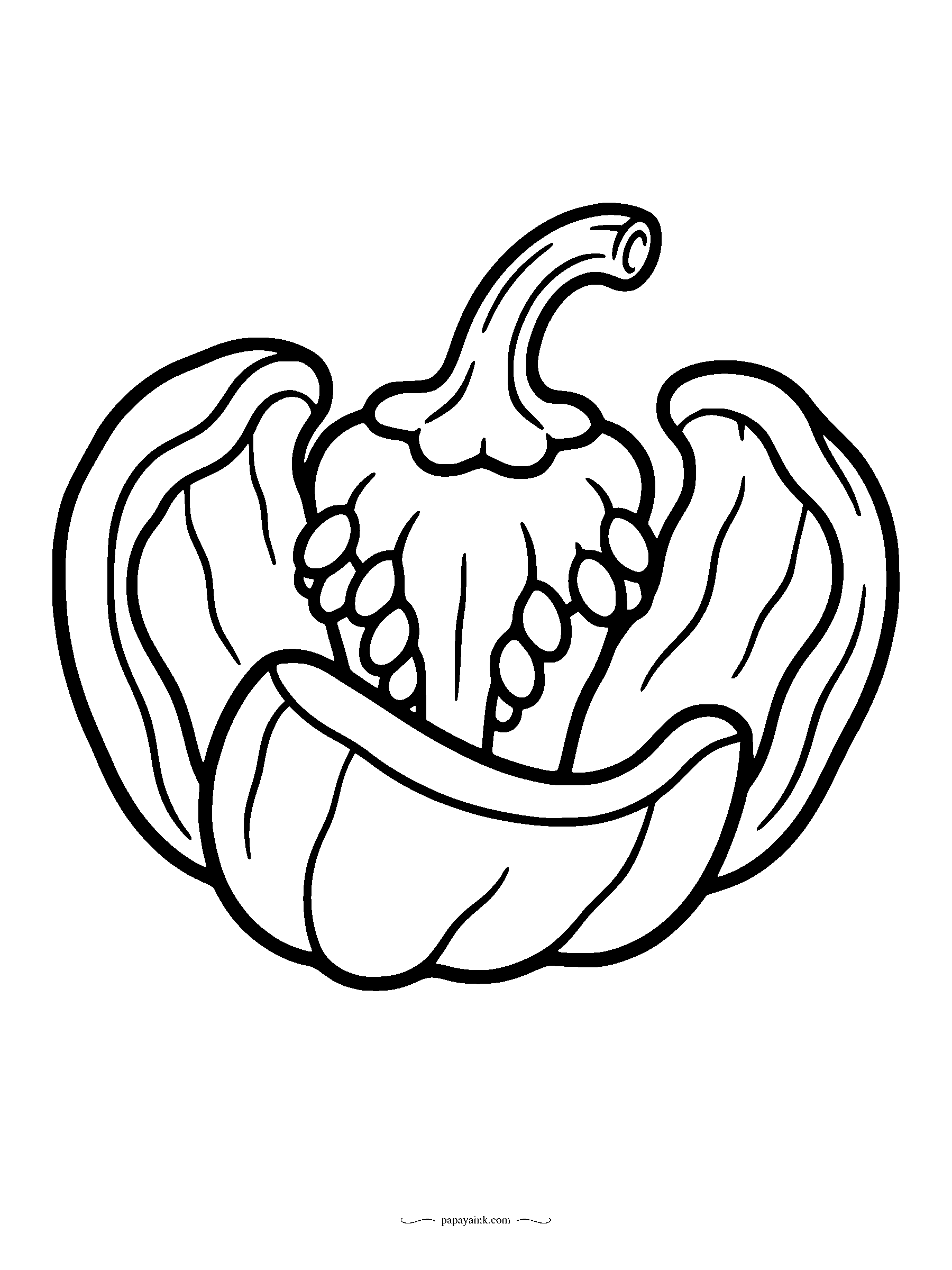
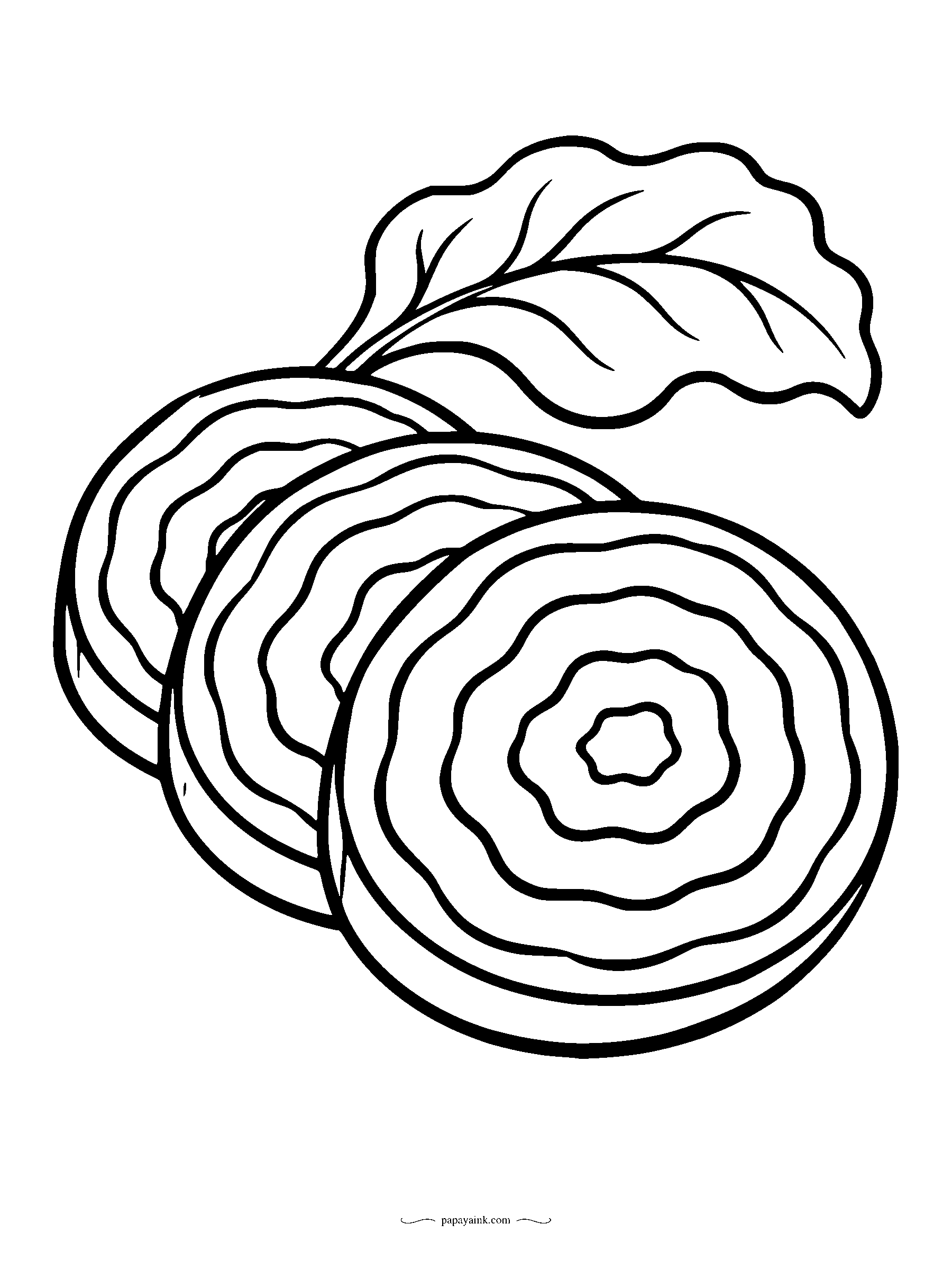
About Easy Fruit and Vegetable Coloring Pages
Fresh Produce in Bold Outline
These pages treat fruit and vegetables as subjects in their own right. Each sheet has one item, or a small group, drawn large with a thick black line and placed in the middle of the page. Surfaces are left open, with only a few marks for seeds, veins or stripes, so the color you choose does most of the describing.
Fruit: Whole, Halved and Sliced
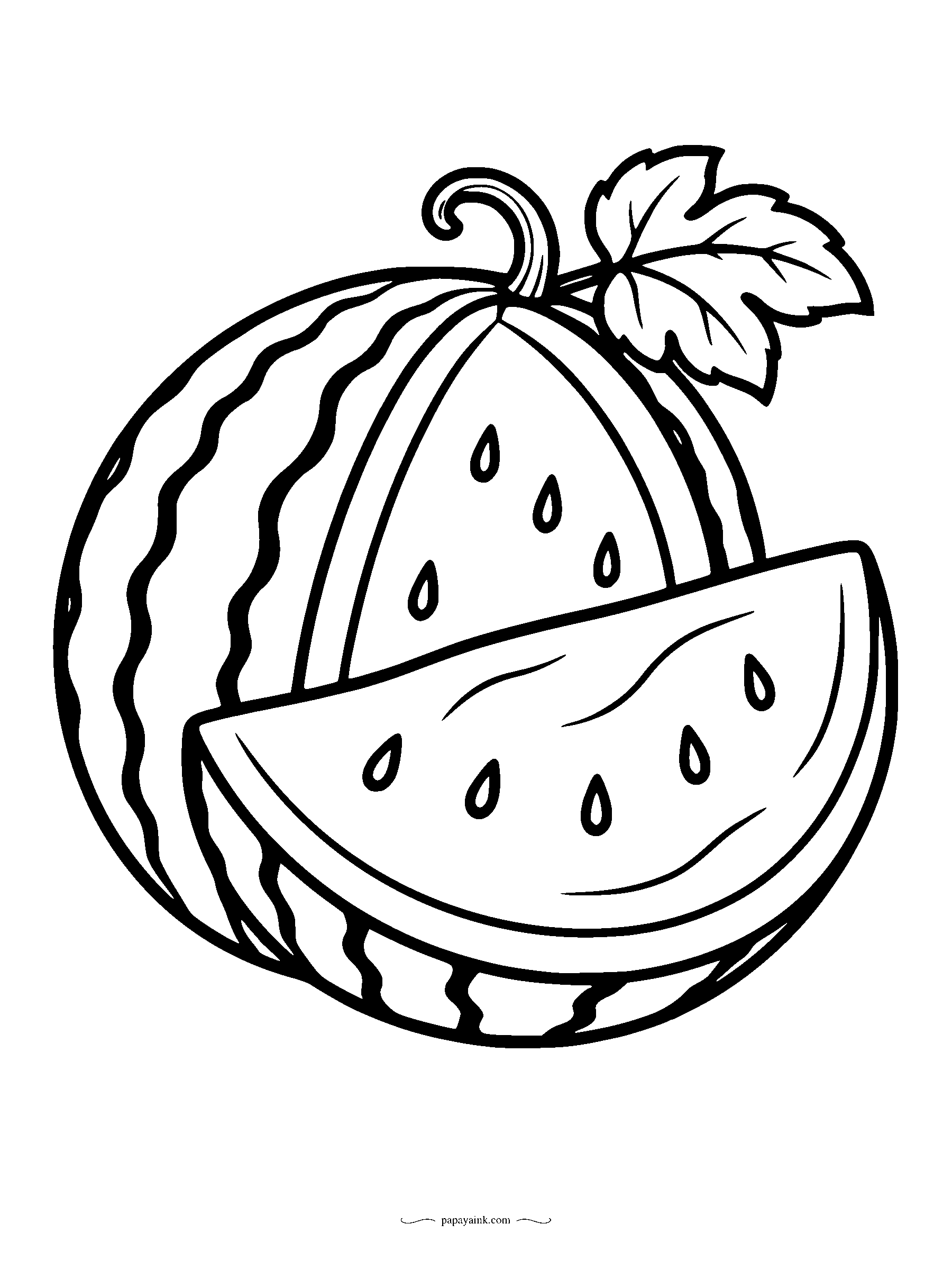
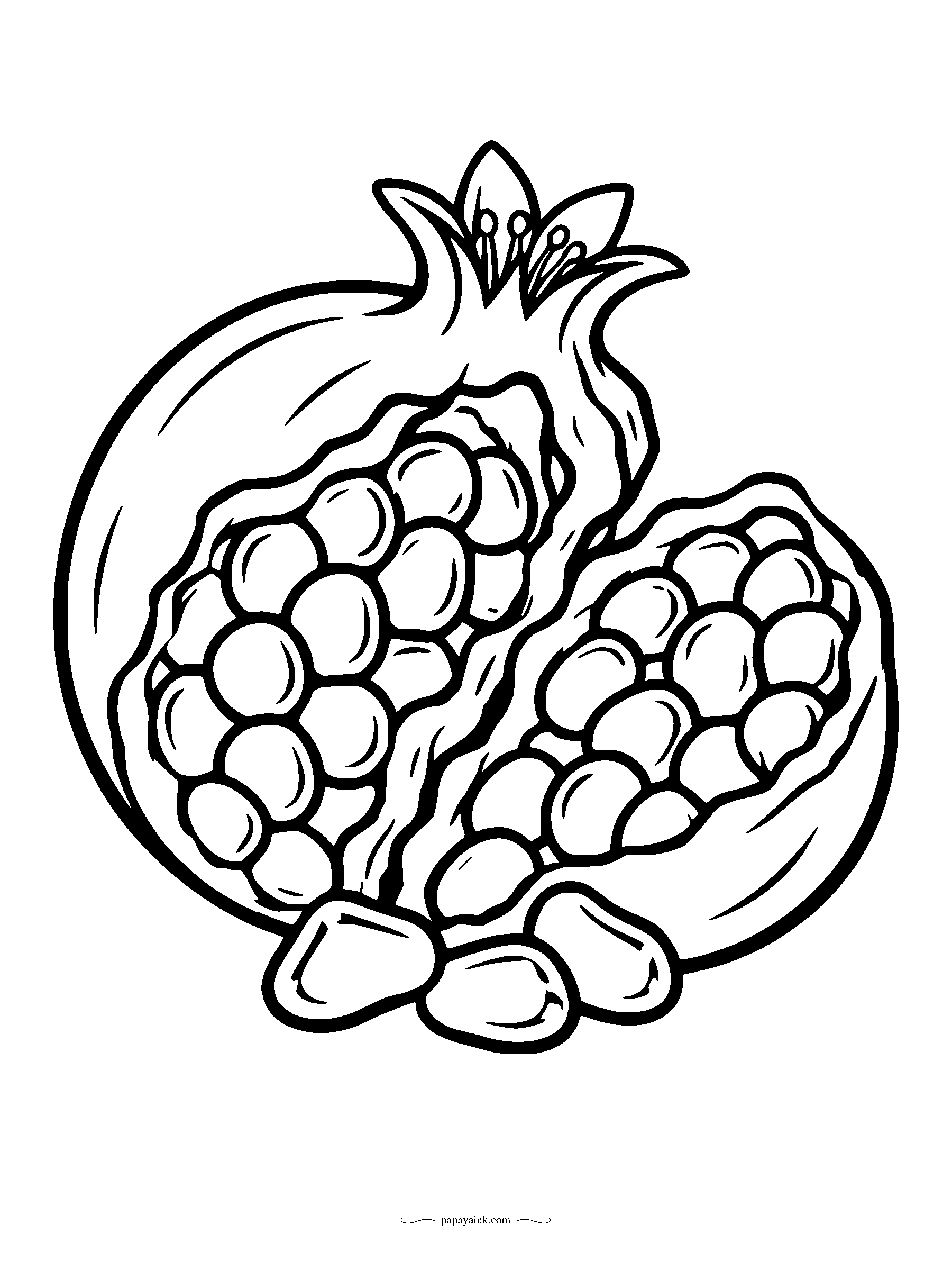
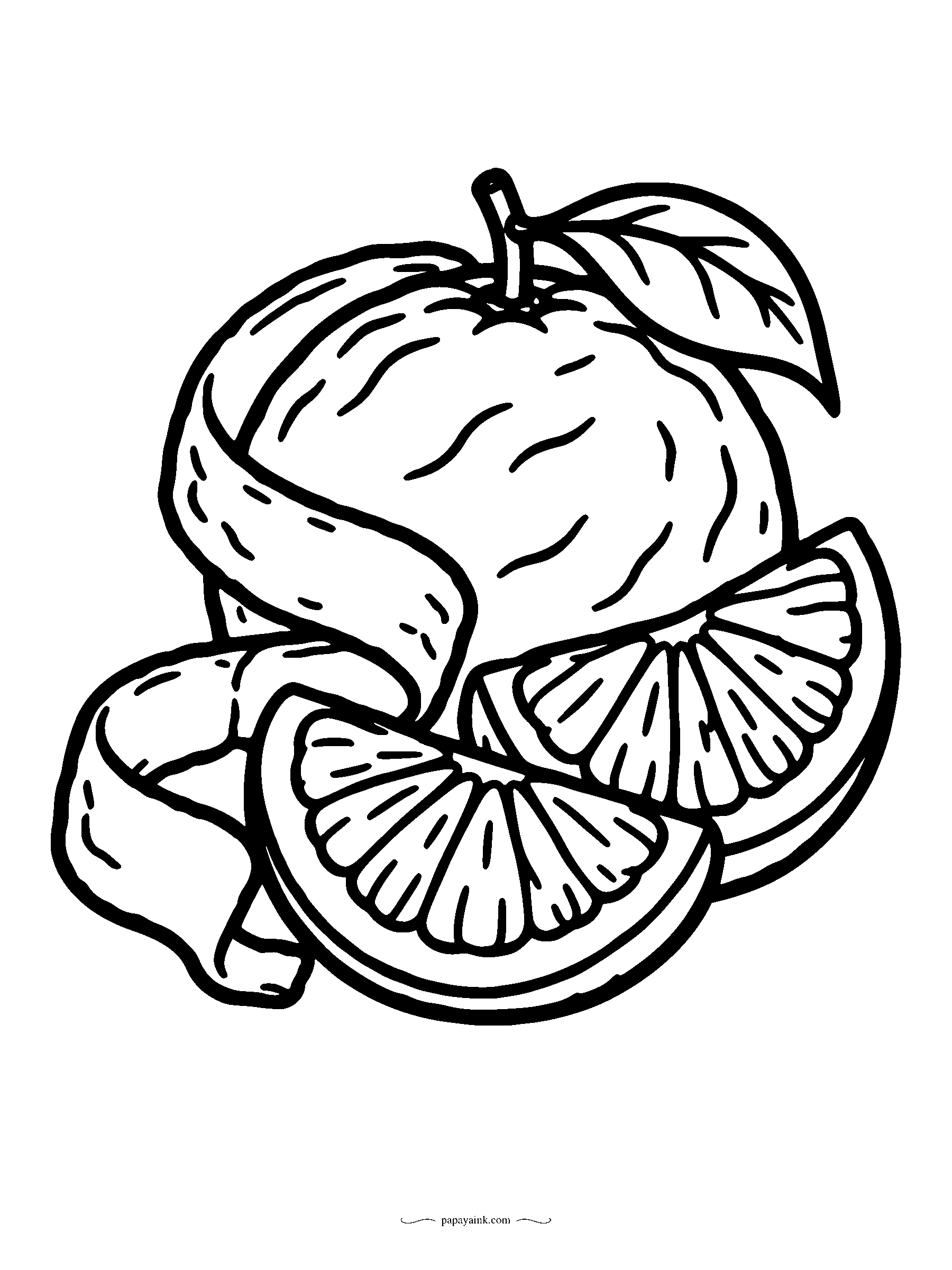
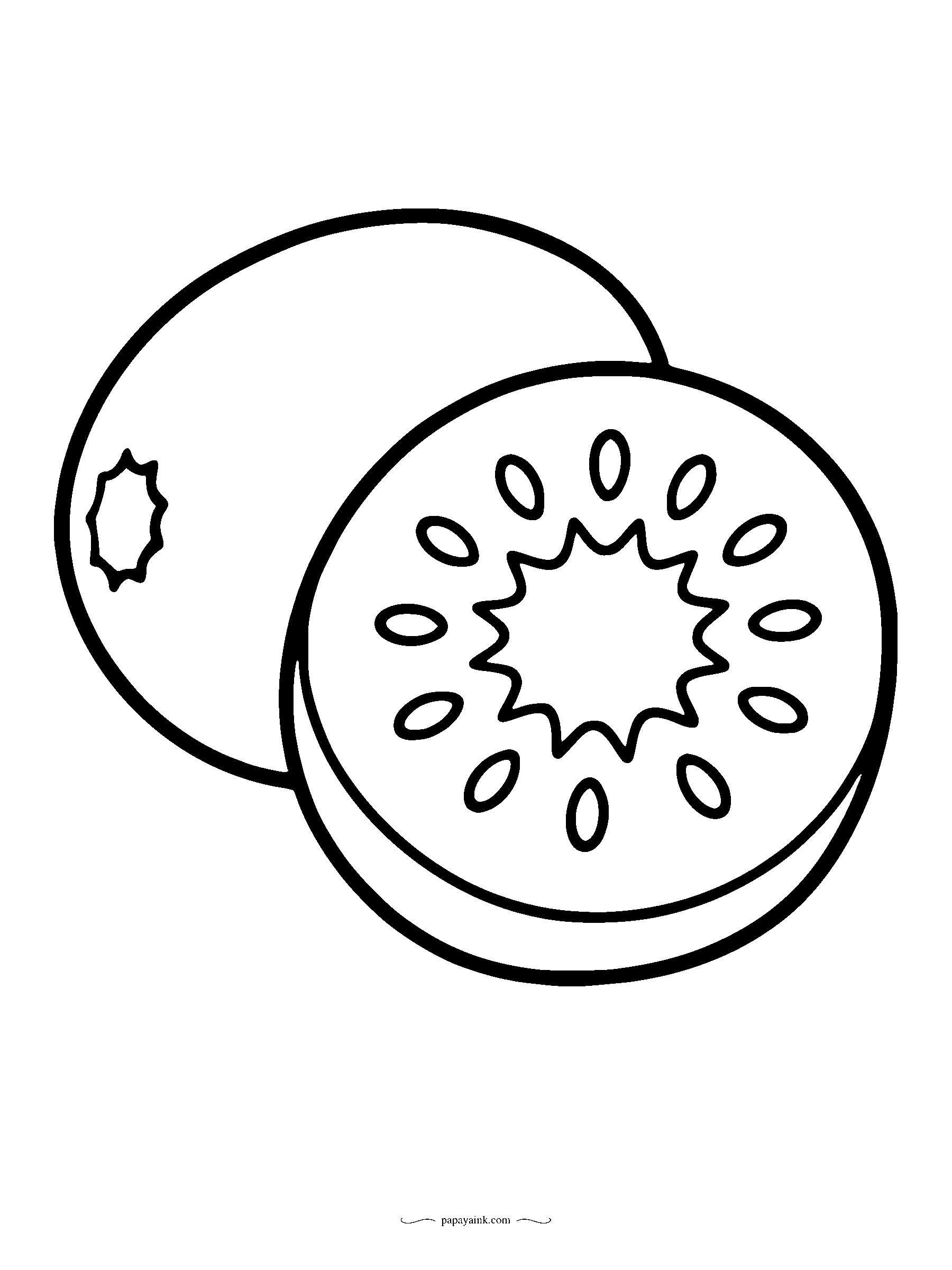
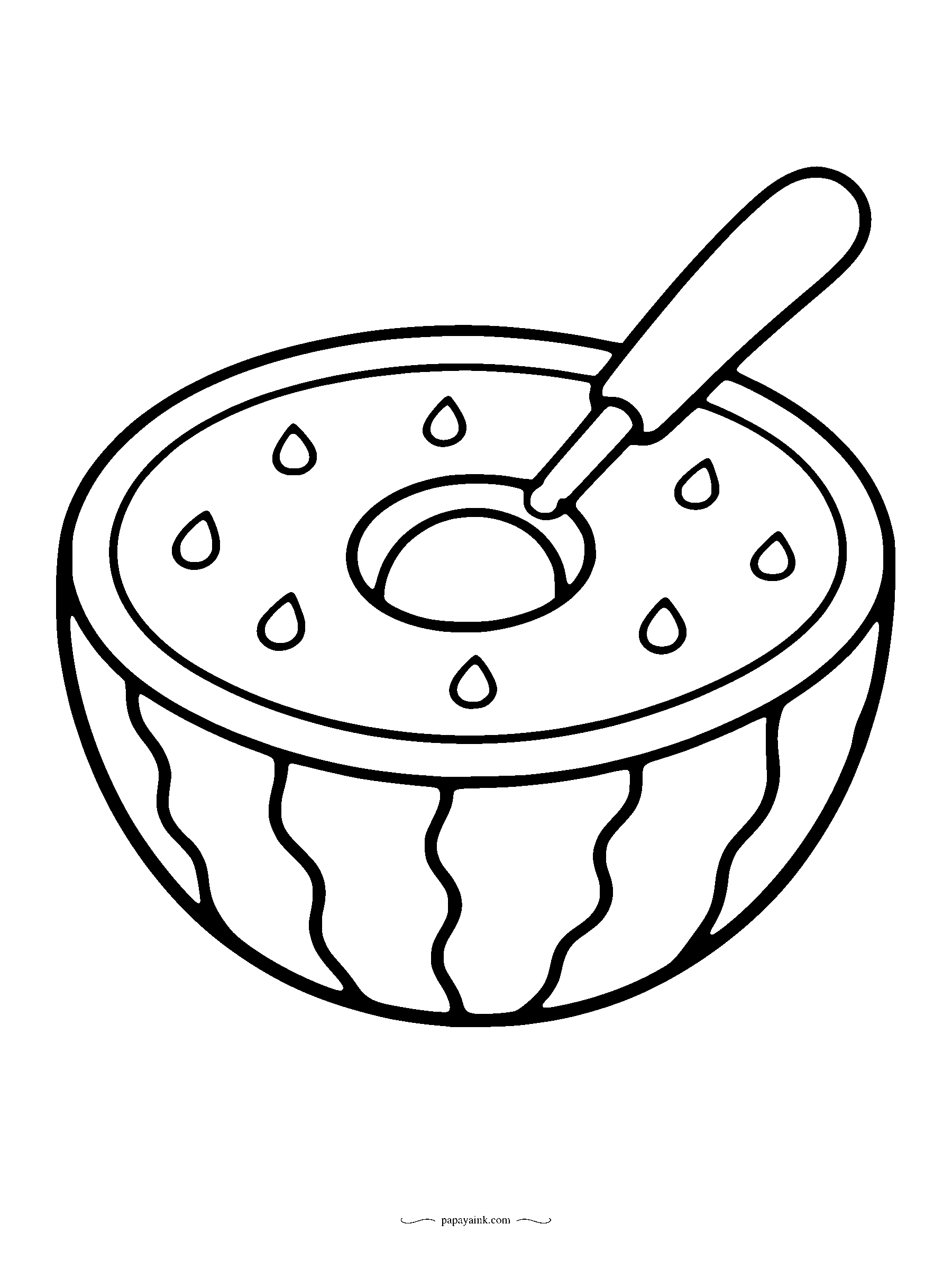
Fruit appears in several states. Some pages show it whole, with a stem and a leaf. Many show it cut, because the inside of a fruit is often the most interesting part: the segments of citrus, the seeds of a melon or a pomegranate, the pit of a peach, the star in the middle of a kiwi. You can find familiar fruit such as apples, pears, grapes, berries and bananas next to tropical kinds such as mango, papaya, pineapple and dragon fruit.
Vegetables from Root to Leaf
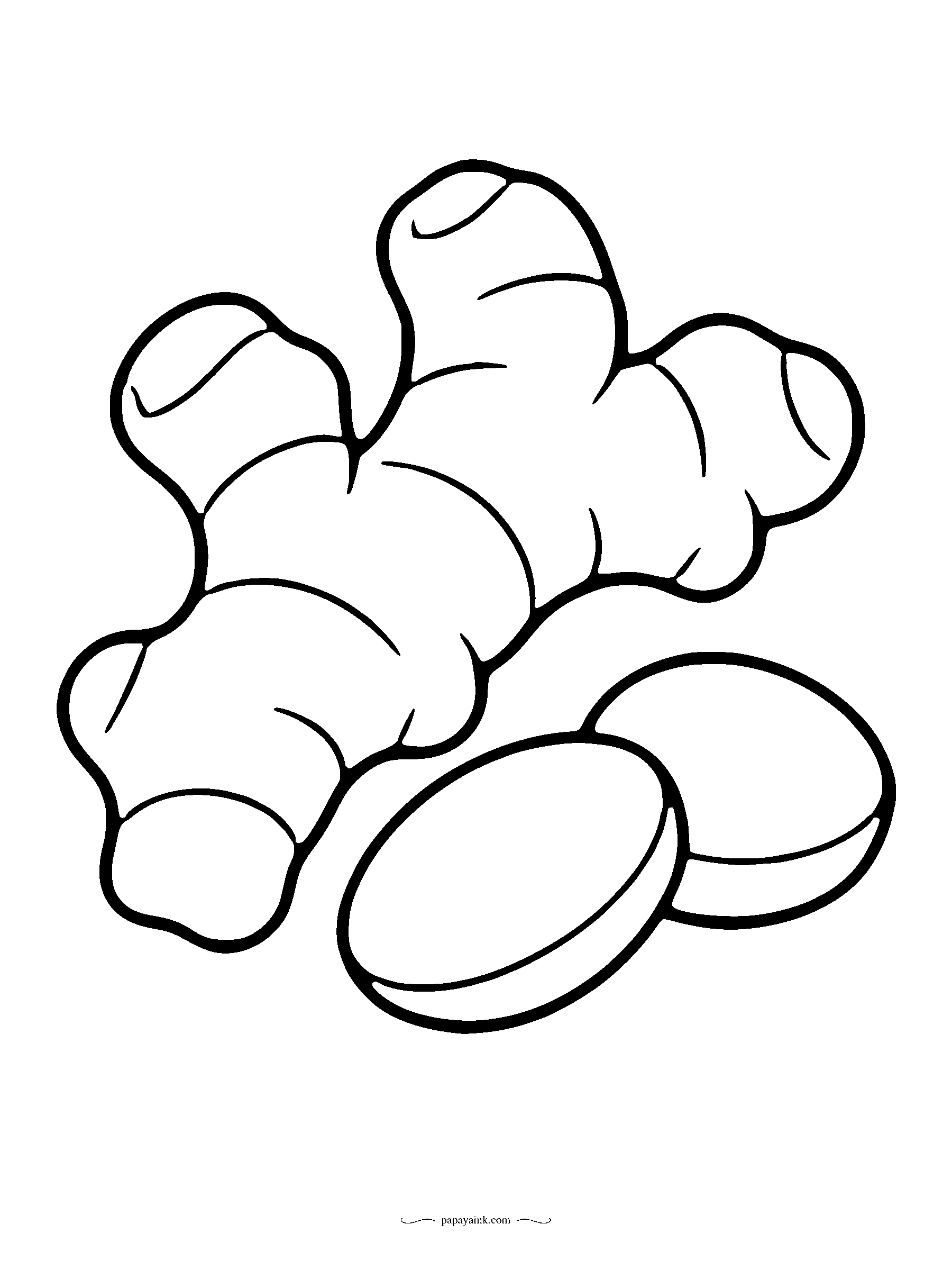
The vegetable pages cover roots and bulbs, leafy heads, pods, squashes, peppers, tomatoes and more. Some are drawn the way they come from the garden, with tops, roots or a blossom still attached. Others are sliced to show rings, chambers or layers, which turns a plain vegetable into a pattern.
Baskets, Bags and Plates
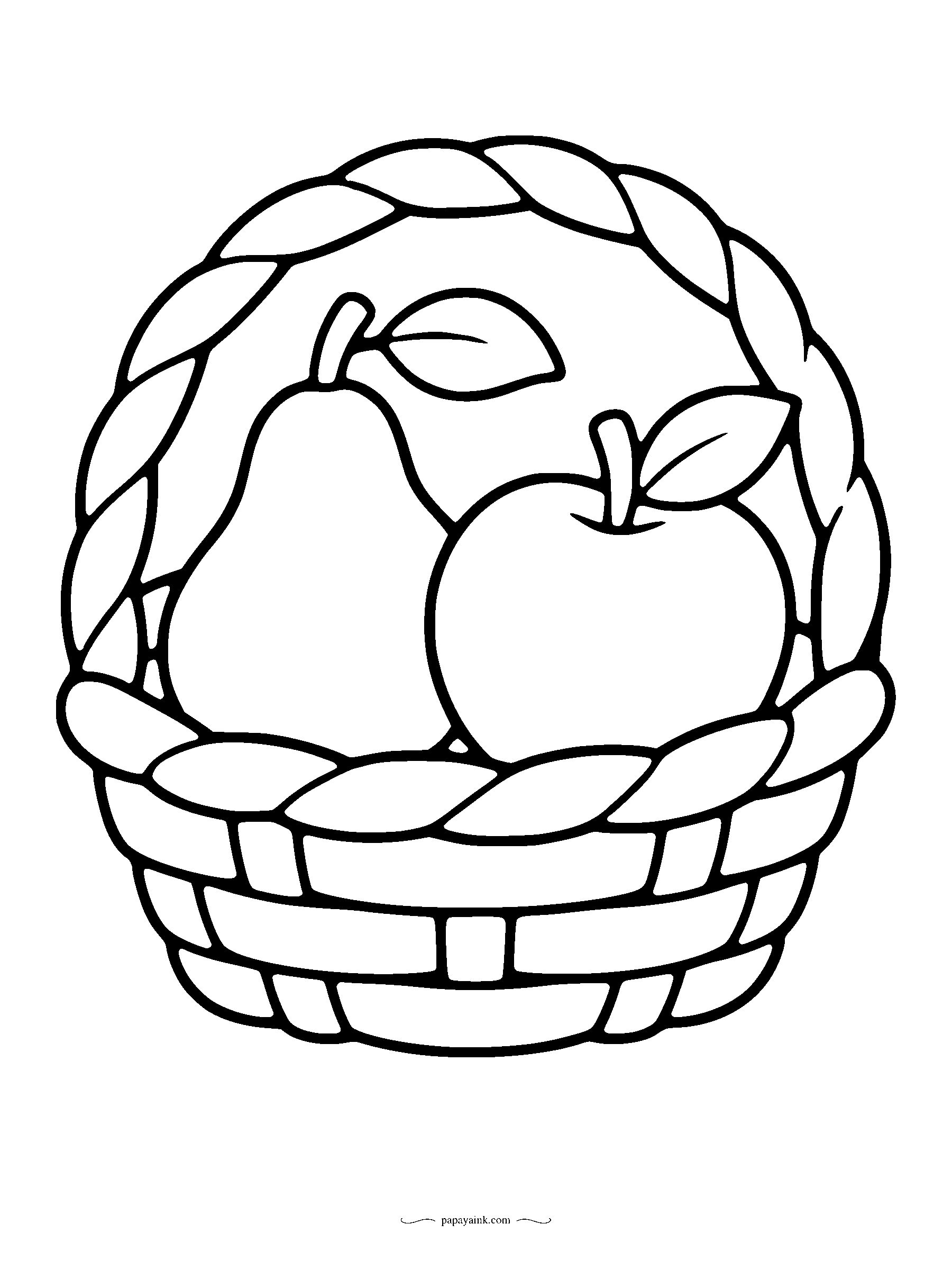
On some pages the produce comes with something to hold it: a wicker basket, a paper bag or cone, a wooden scoop, a tray, a plate, a large leaf. These add a few straight or woven shapes around the rounded ones and give you a second material to color.
Natural Colors
Fruit and vegetables are a good subject for true-to-life color, because the real colors are strong and easy to remember: red tomatoes and strawberries, orange citrus and squash, yellow lemons and bananas, green leaves and pods, purple grapes, eggplant and cabbage. If you are unsure about a less common item, a quick look at a photo settles it.
Many kinds also come in more than one color. Apples can be red, green or yellow, grapes green or purple, peppers anything from green to red, and onions yellow, red or white. That leaves a choice even when you stay true to nature.
Skin and Flesh
A cut fruit has two areas, and they are usually different colors. One simple approach is to pick a strong color for the skin and a much lighter one for the inside, then add the seeds last in a dark shade. A thin band of white left between skin and flesh, as on a watermelon or a citrus slice, makes the cut look fresh.
Colors of Your Own
Nothing says the page has to match the market. A blue pear, a rainbow pineapple or a bunch of grapes in which every grape is a different color can be more fun than the real thing. A set of sheets colored in the same four or five shades also makes a matching series for a kitchen wall.
Flat Color and Simple Shading
The wide shapes take flat marker color well, and that alone gives a clean, graphic result. For more depth, one option is a second, darker layer along the lower edge of a round fruit. Another is a small highlight: a streak or dot kept white near the top of a cherry, a tomato or a grape makes it look glossy.
Small Additions
Open areas leave space for your own marks. Seeds, speckles and pores can be added with a fine pen. Veins can be drawn on a leaf, drops of water on an apple, a pattern on a basket or a paper bag. A few lines under the fruit are enough to suggest a table or a shadow.
Background Ideas
The white of the paper is a perfectly good background and keeps the produce bold. If you prefer color, you could try a solid circle behind the fruit, a band of tablecloth in checks or stripes, or a soft wash of a contrasting shade, such as pale blue behind an orange or light pink behind green leaves.
Markers, Pencils or Crayons
Markers suit the thick lines and large areas, and both alcohol-based and water-based kinds work. Colored pencils are slower on big shapes, though they are good at the gradual change from yellow to red on a peach or from light to dark green on a leaf. Crayons give a slightly rough texture that fits rinds, husks and peel. Combining tools is another route: a marker base with pencil shading over it.
Printing the Pages
Every page is a PDF sized for US Letter paper, and it prints well on A4 too. The lines are pure black on white, so a basic home printer is enough. For markers, heavier paper or cardstock holds the ink better than thin copy paper, and a spare sheet underneath protects the table.