Home›Easy Coloring Pages — Free Printable PDF
 By: Papaya Ink Team · Last updated: November 22, 2026
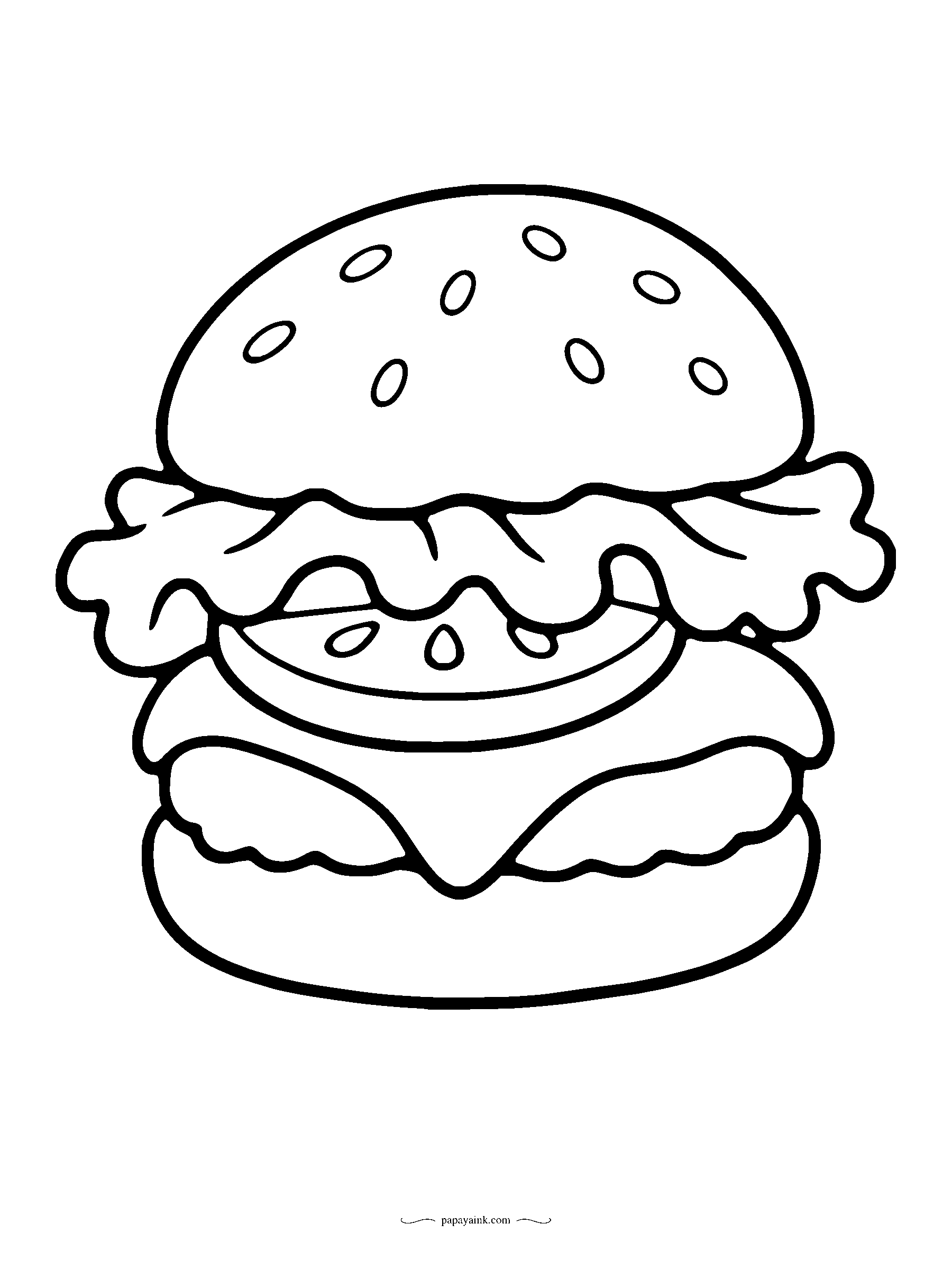
Easy food coloring pages put one dish in the middle of the sheet and draw it with a thick, even black line. A burger, a wedge of pie, a bowl of noodles or a single vegetable is built from a few large shapes, so a marker stays inside the outline and the color goes down smooth, the way it does in cozy coloring books. The open areas also leave room for patterns, shading and details of your own.
Show me
Showing only black & white pages.
Showing only pages with a color sample. 70 other pages are hidden.
No black & white pages here yet – showing everything.
No pages with a color sample here yet – showing everything.
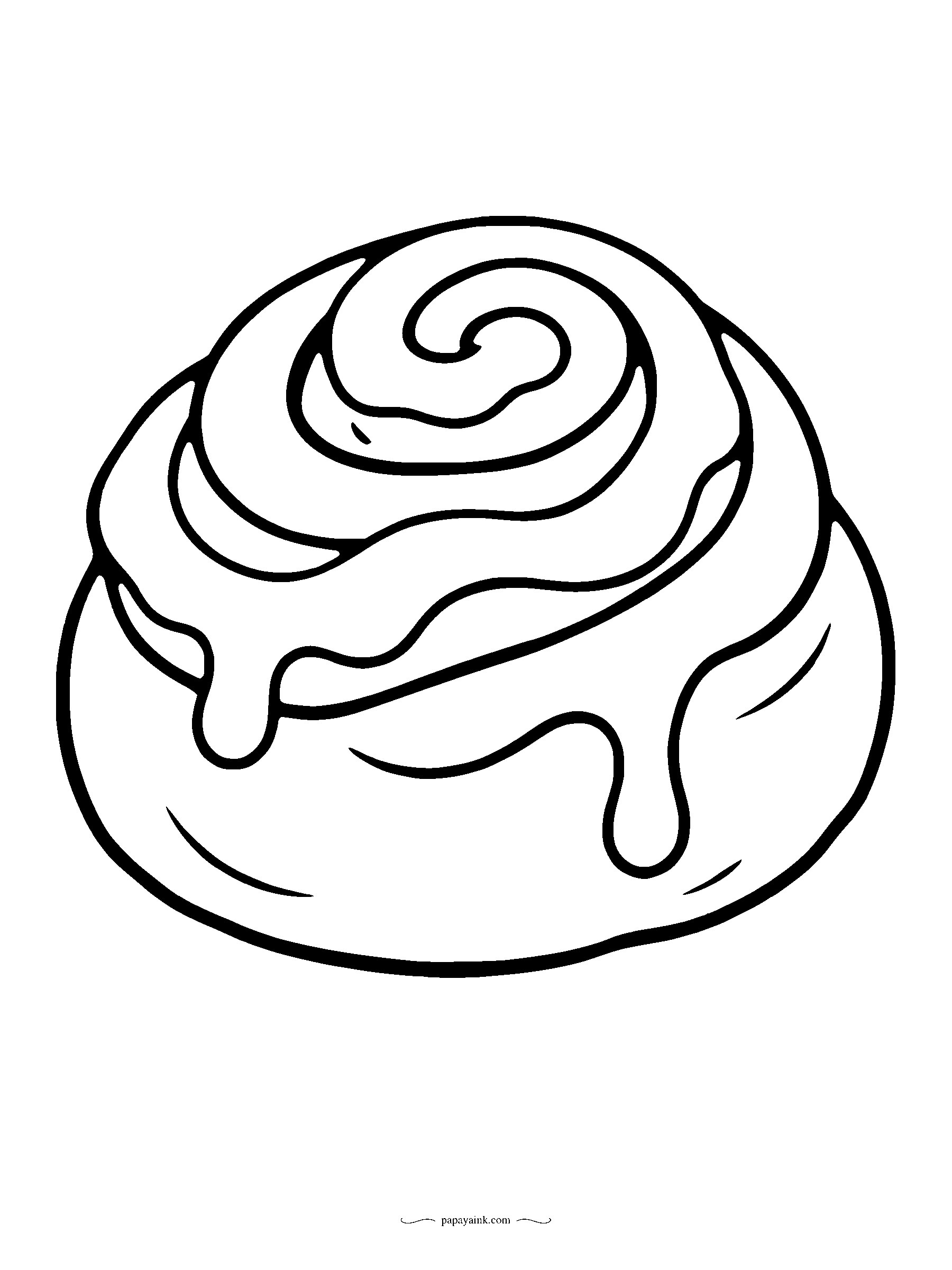
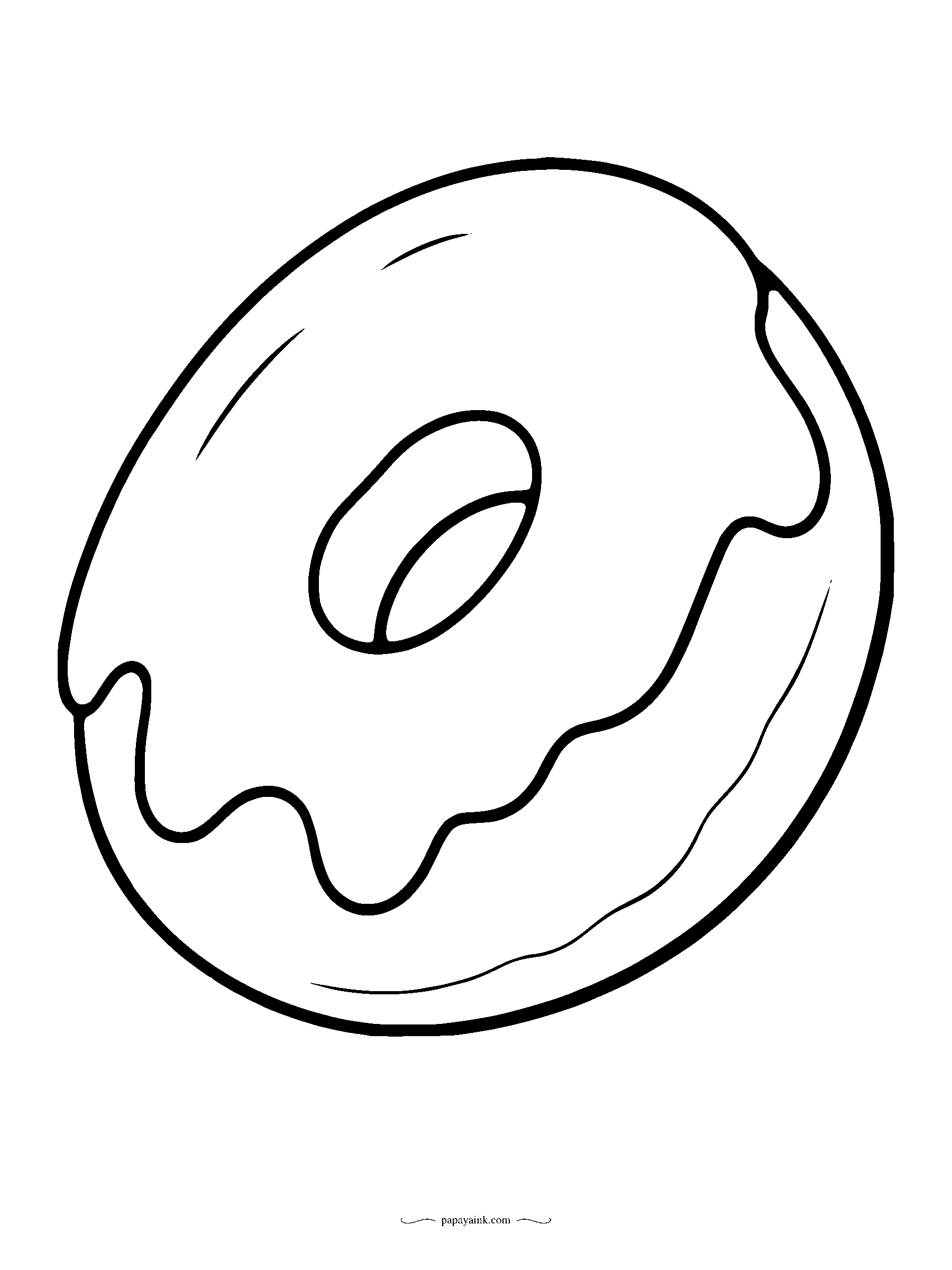
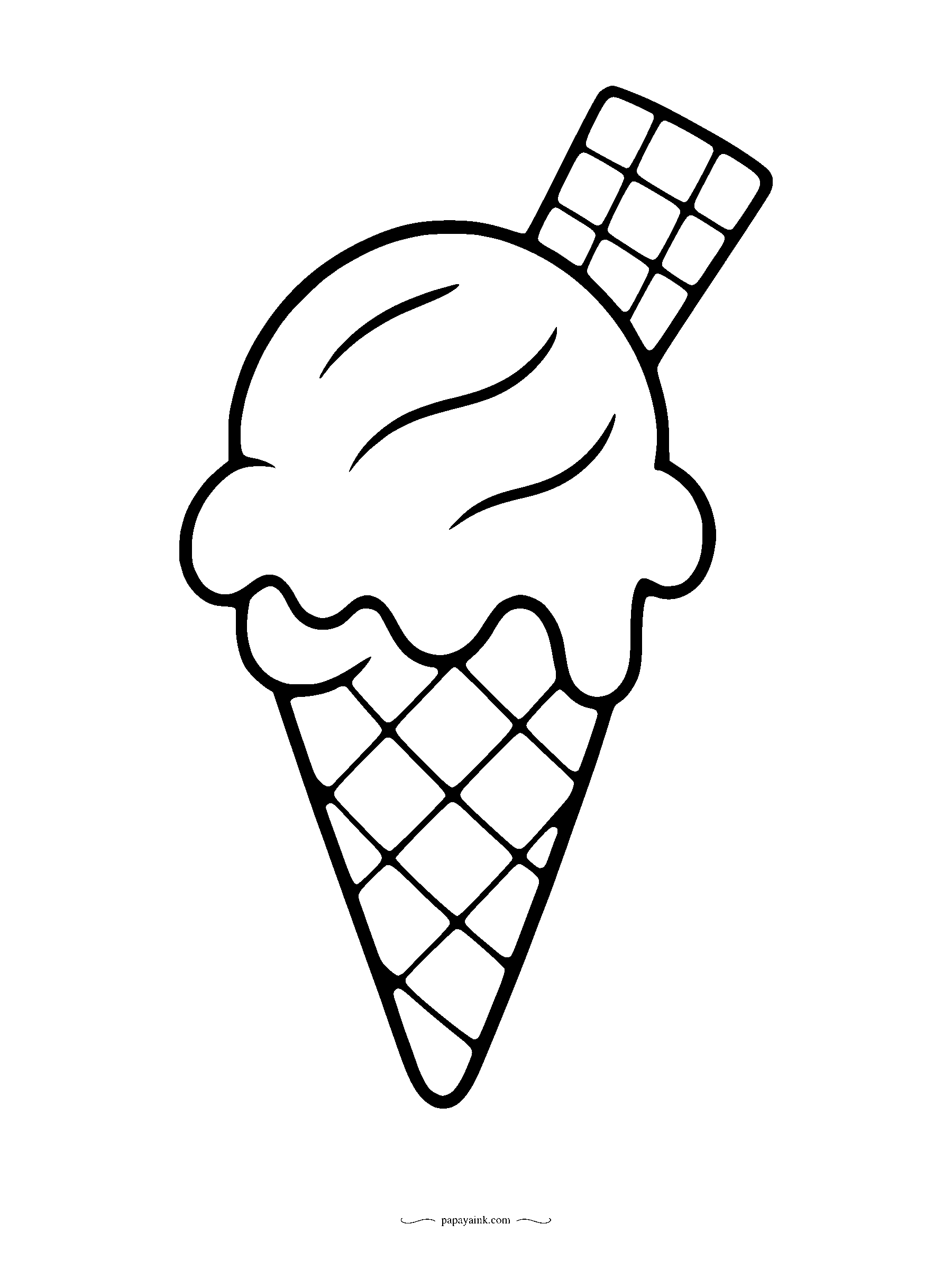
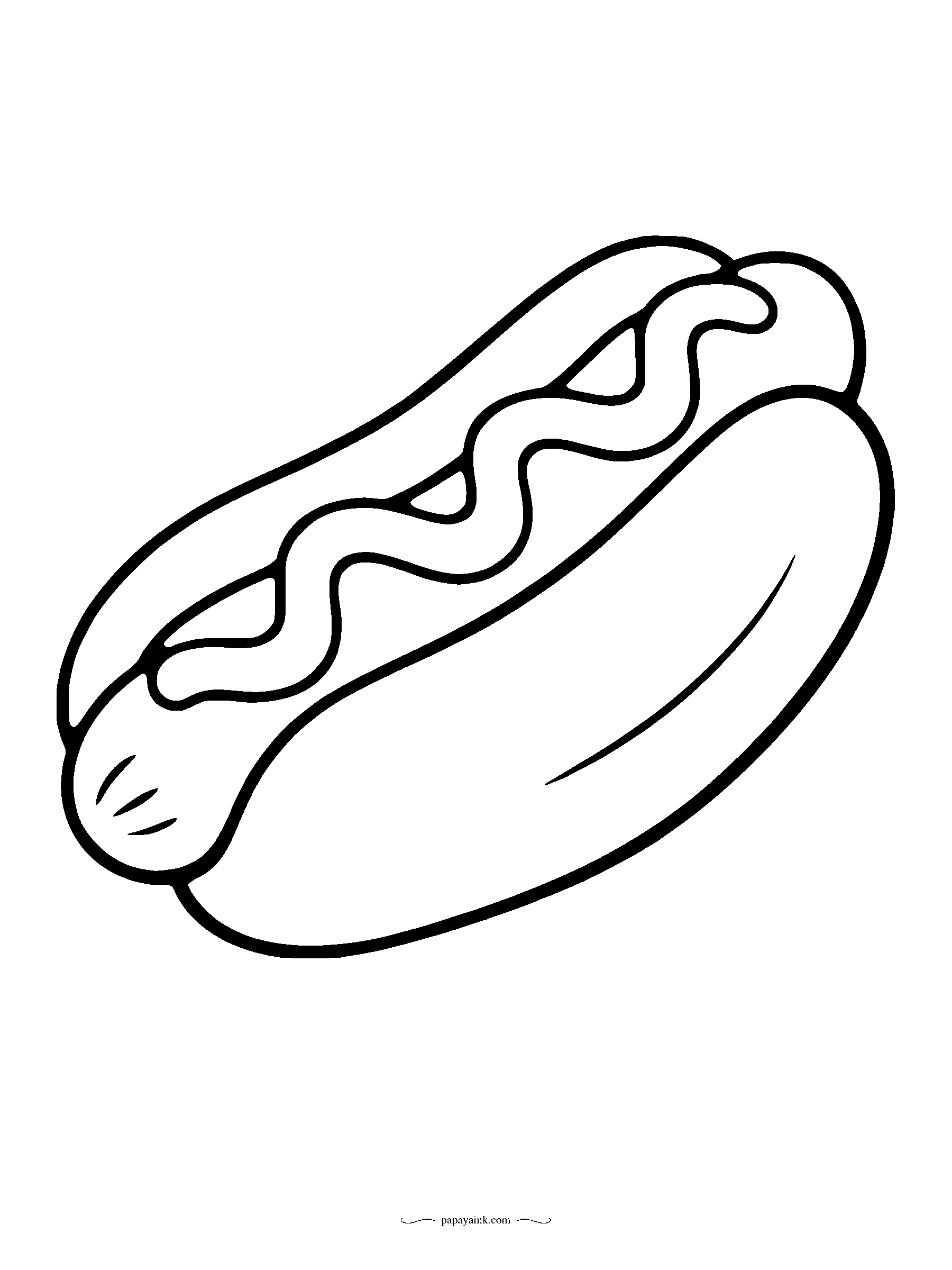
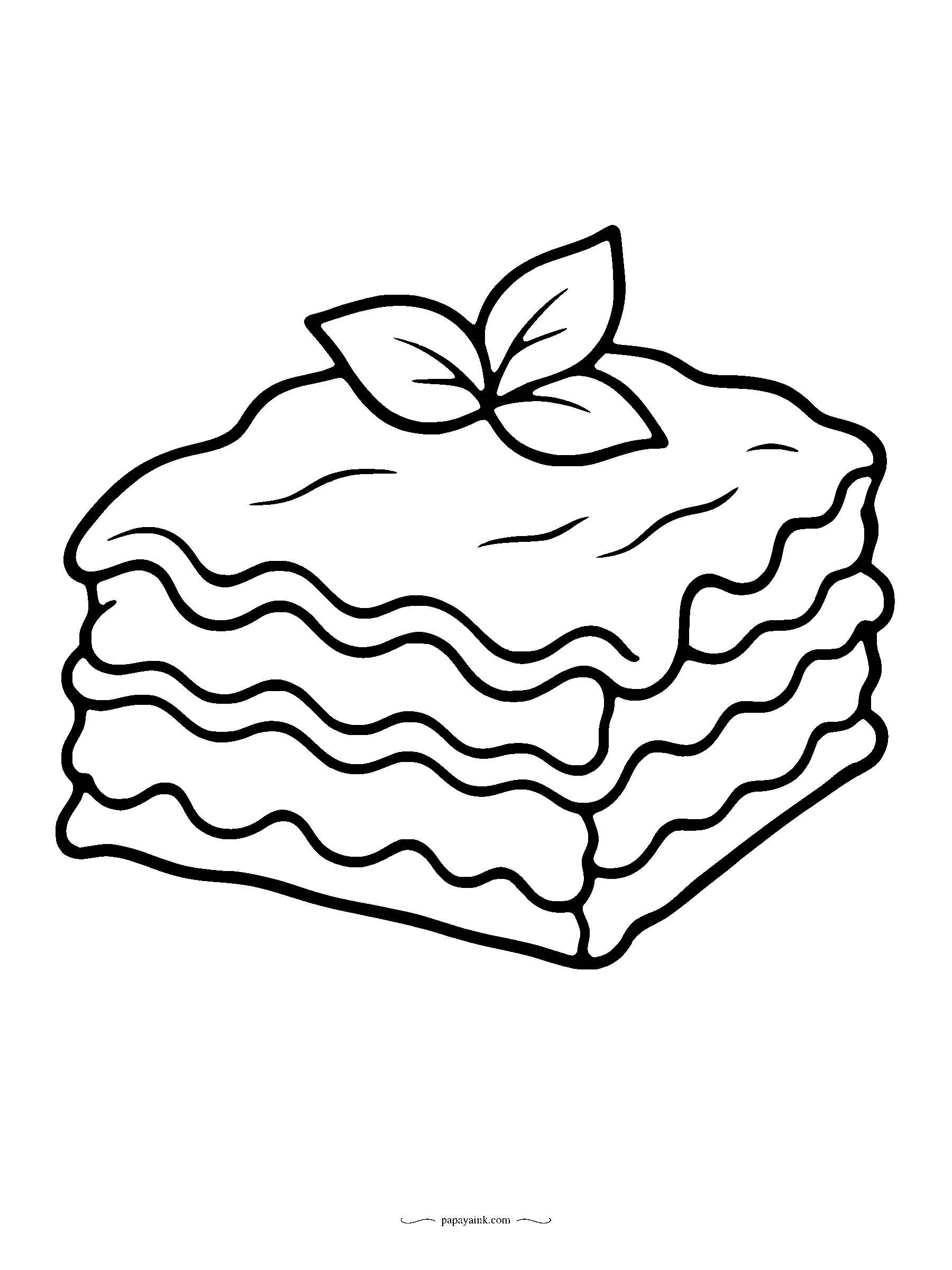
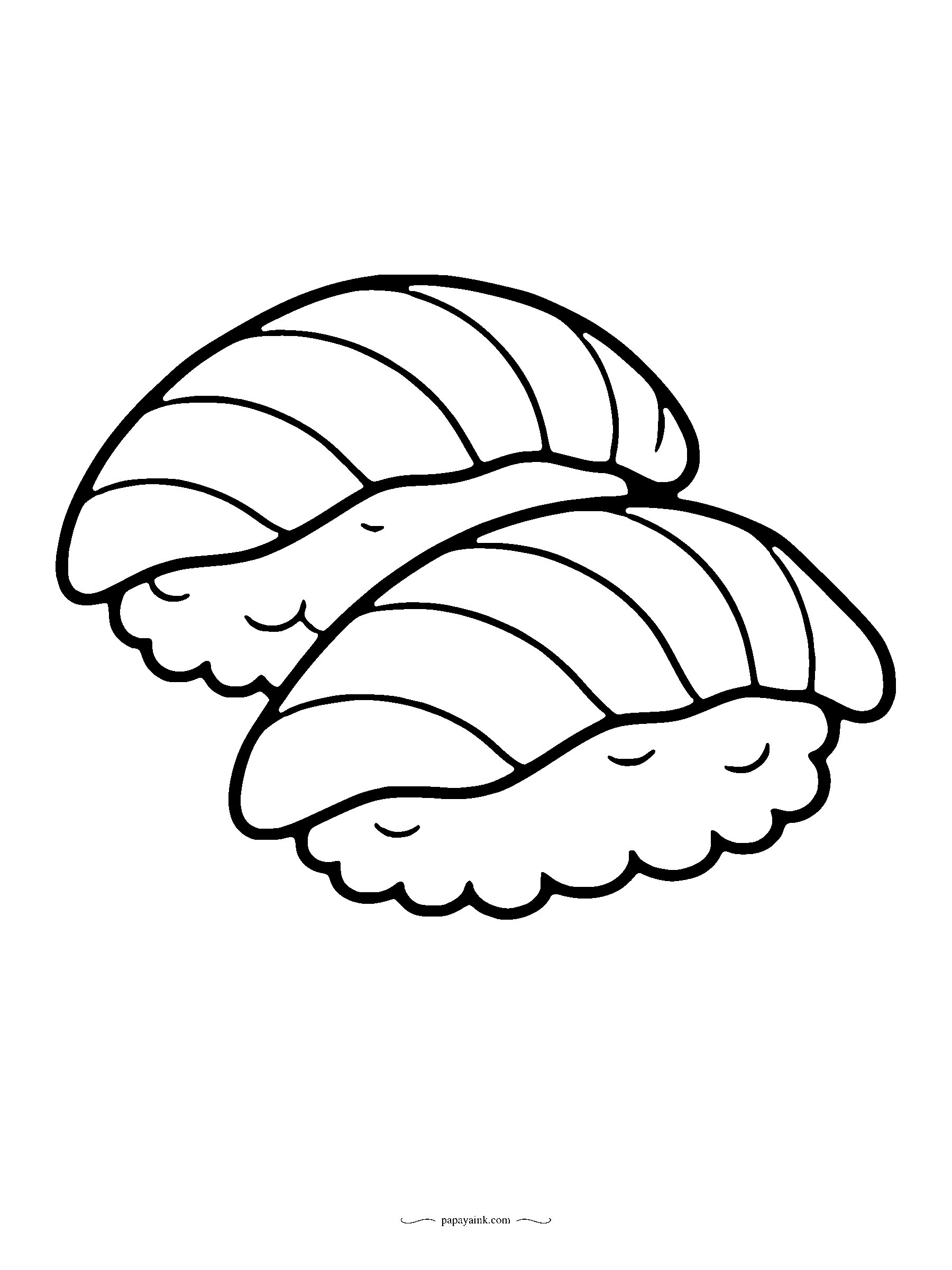
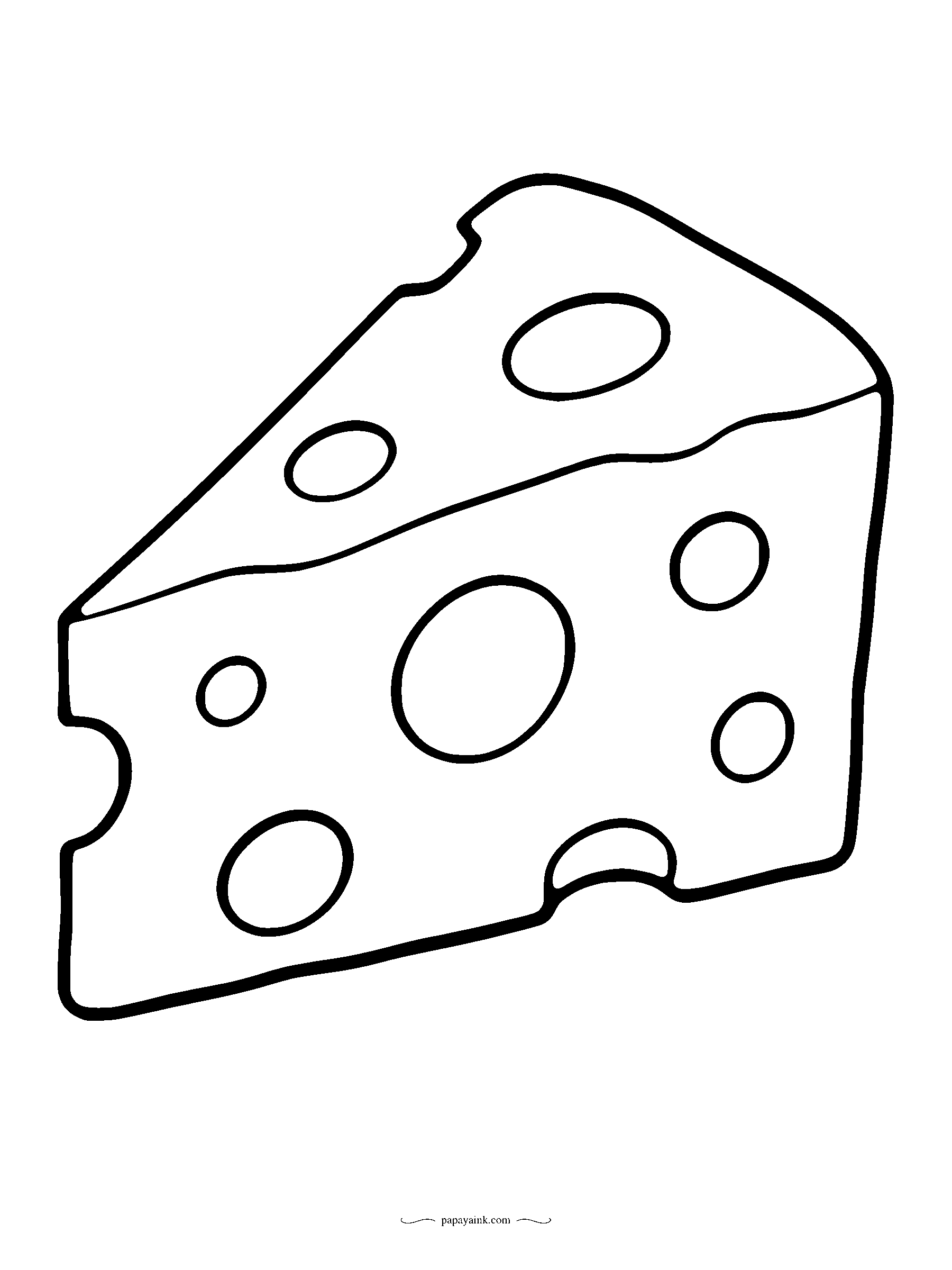
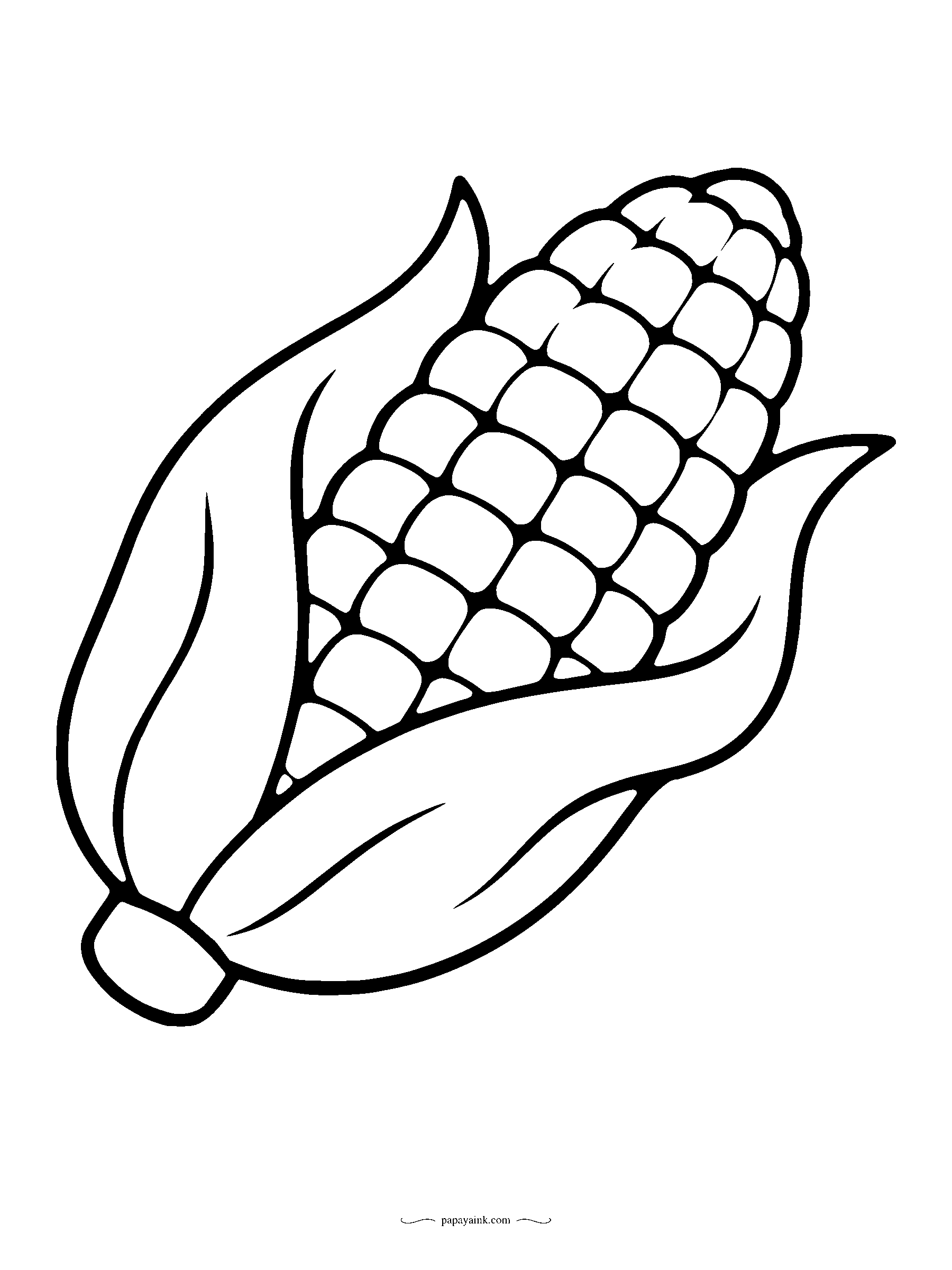
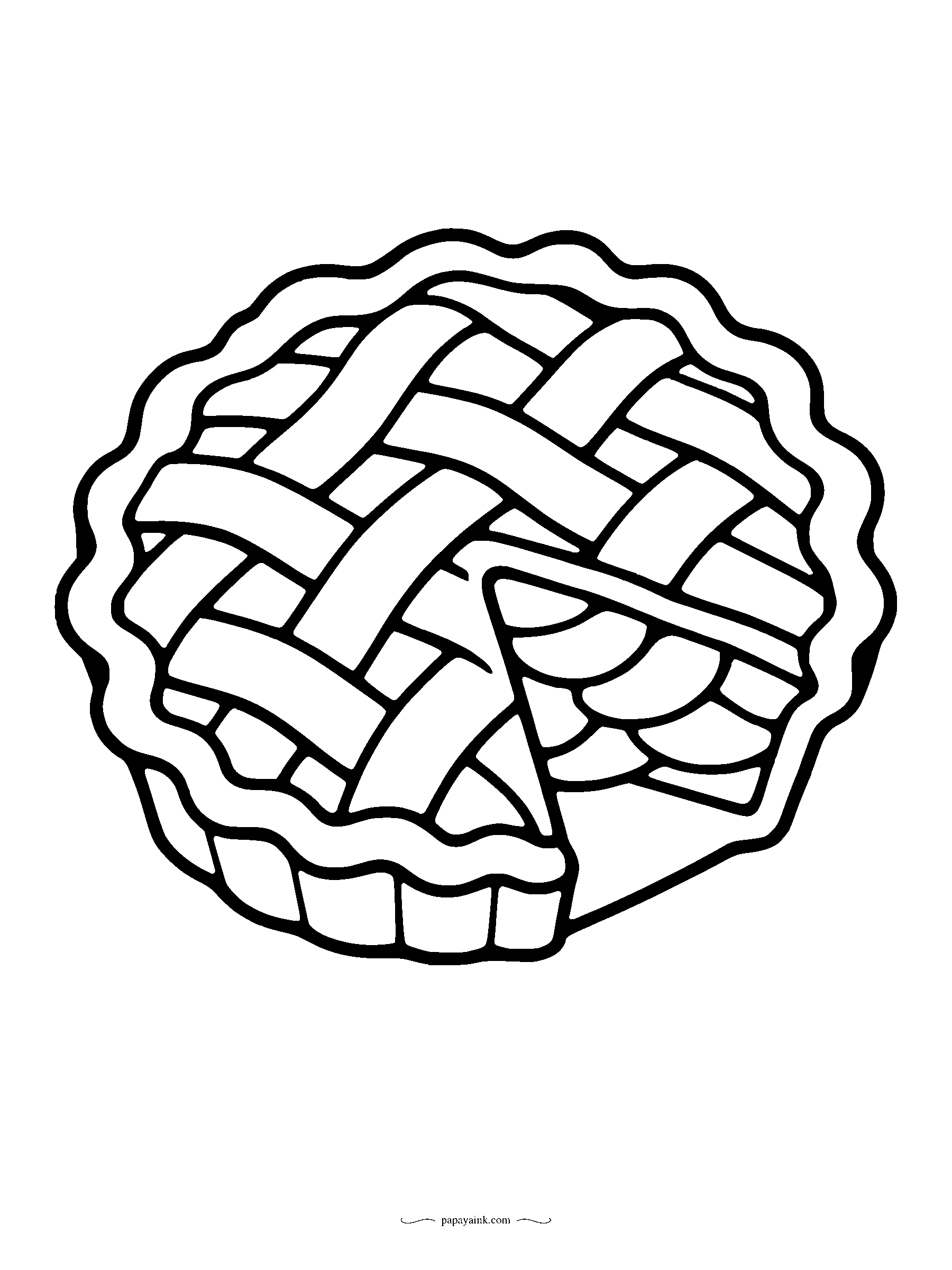
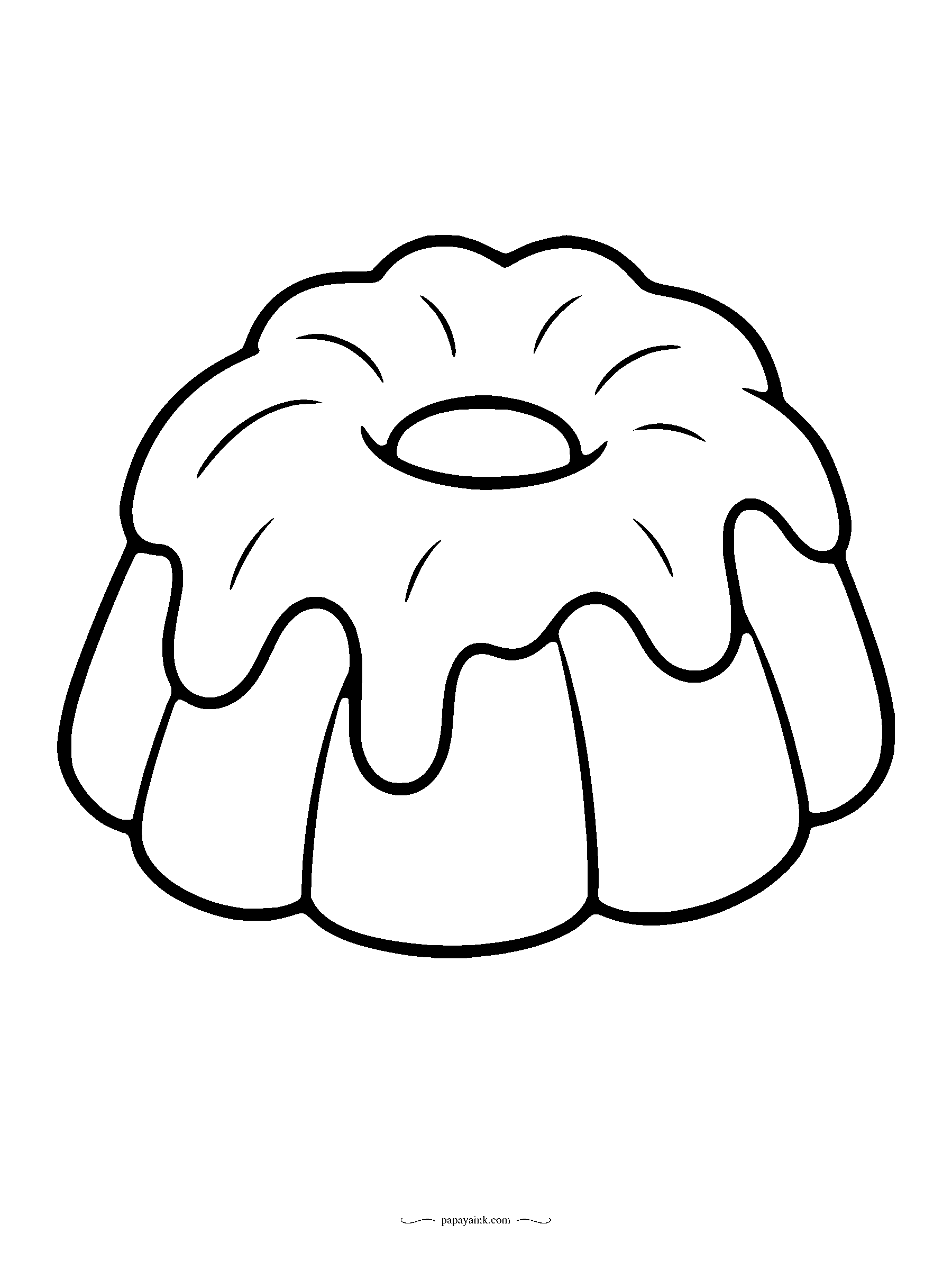
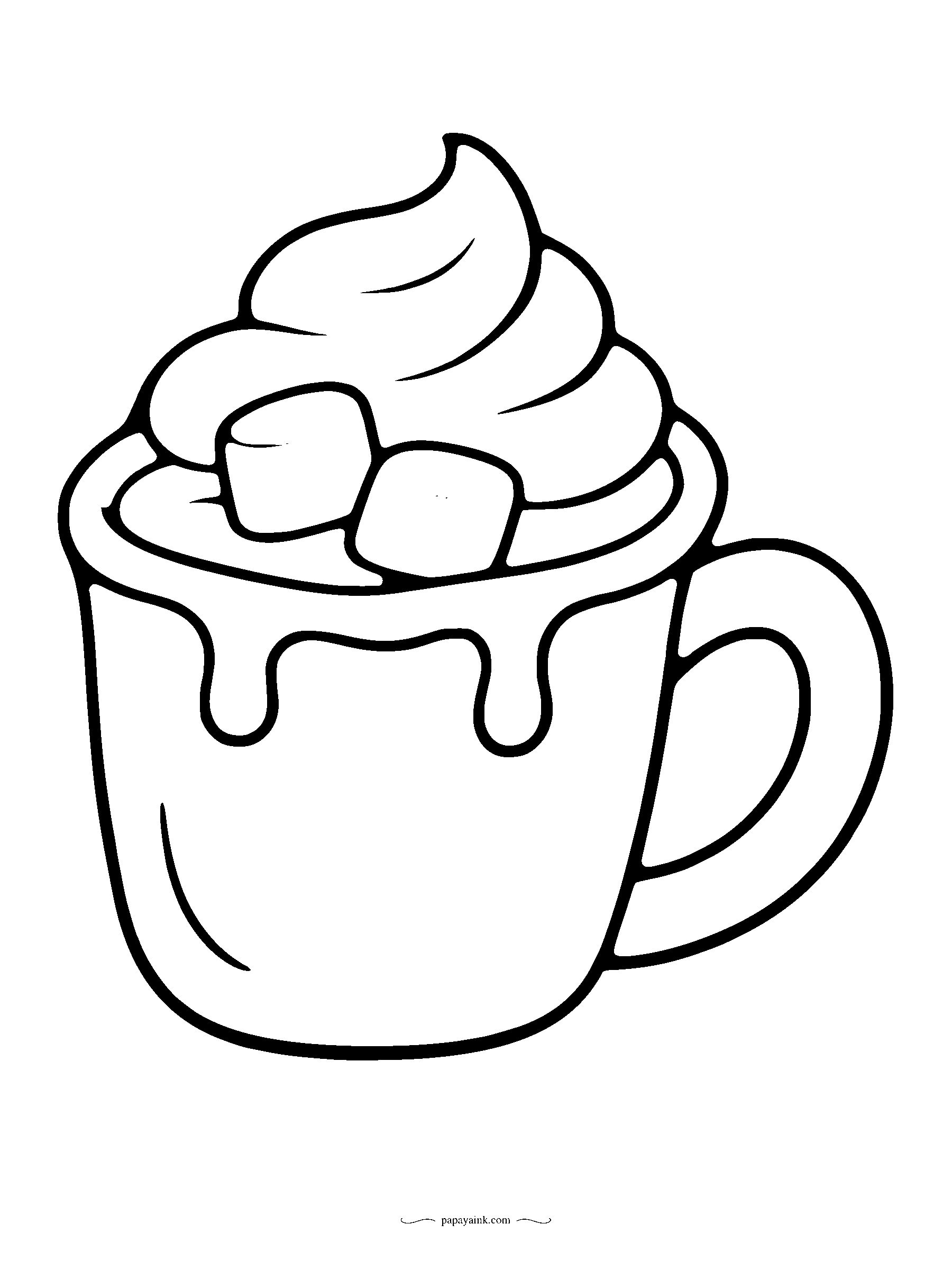
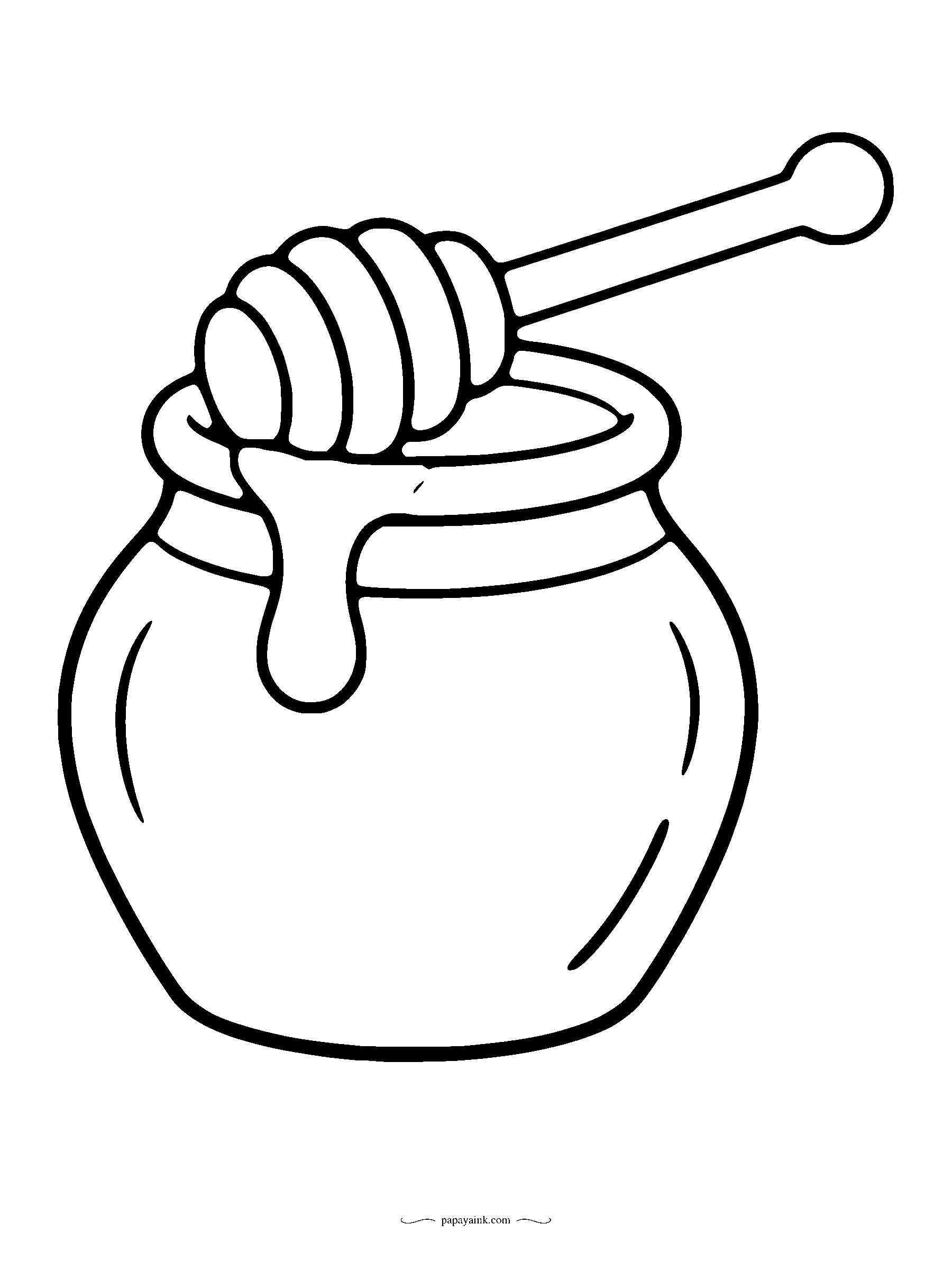
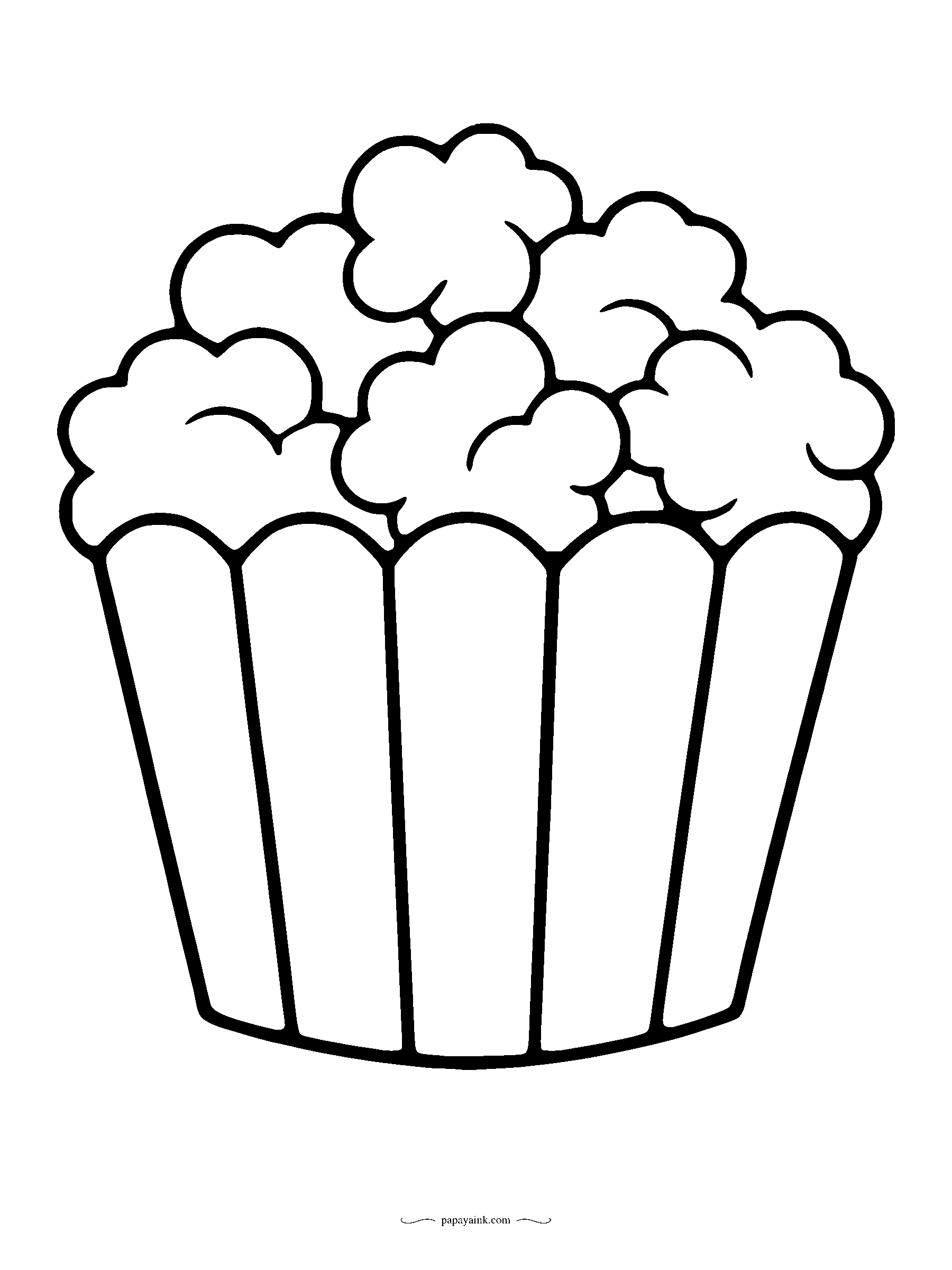
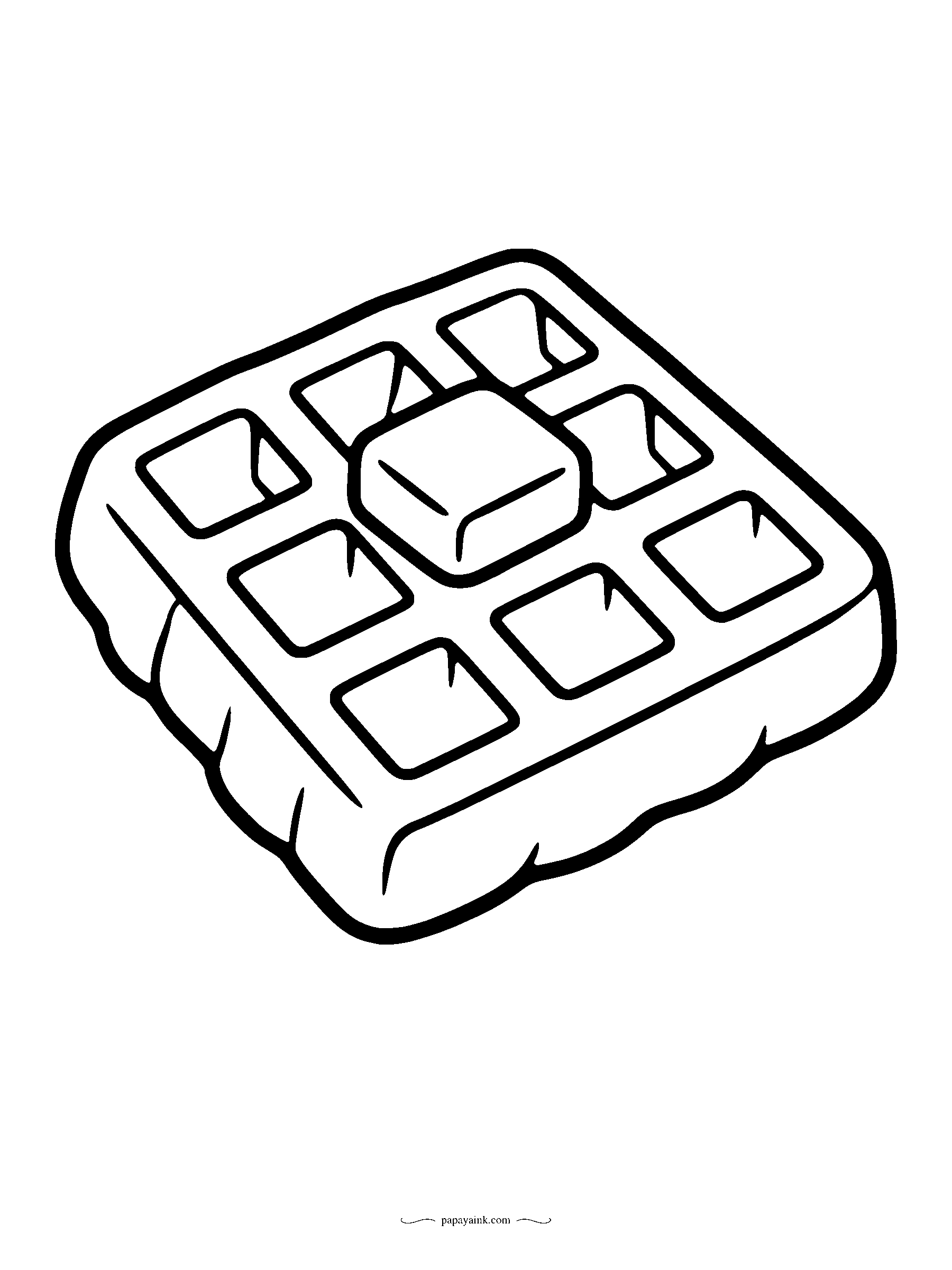
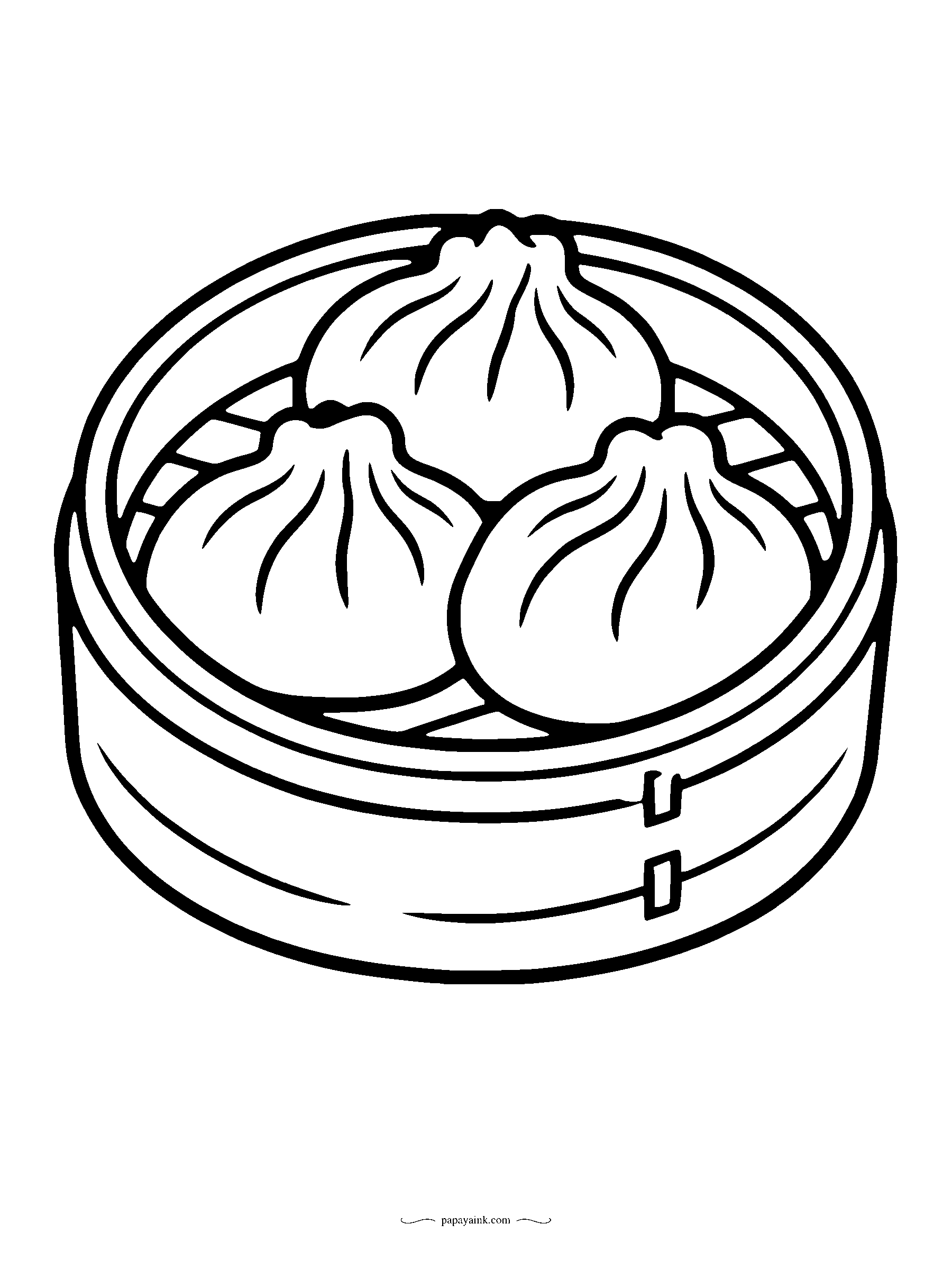
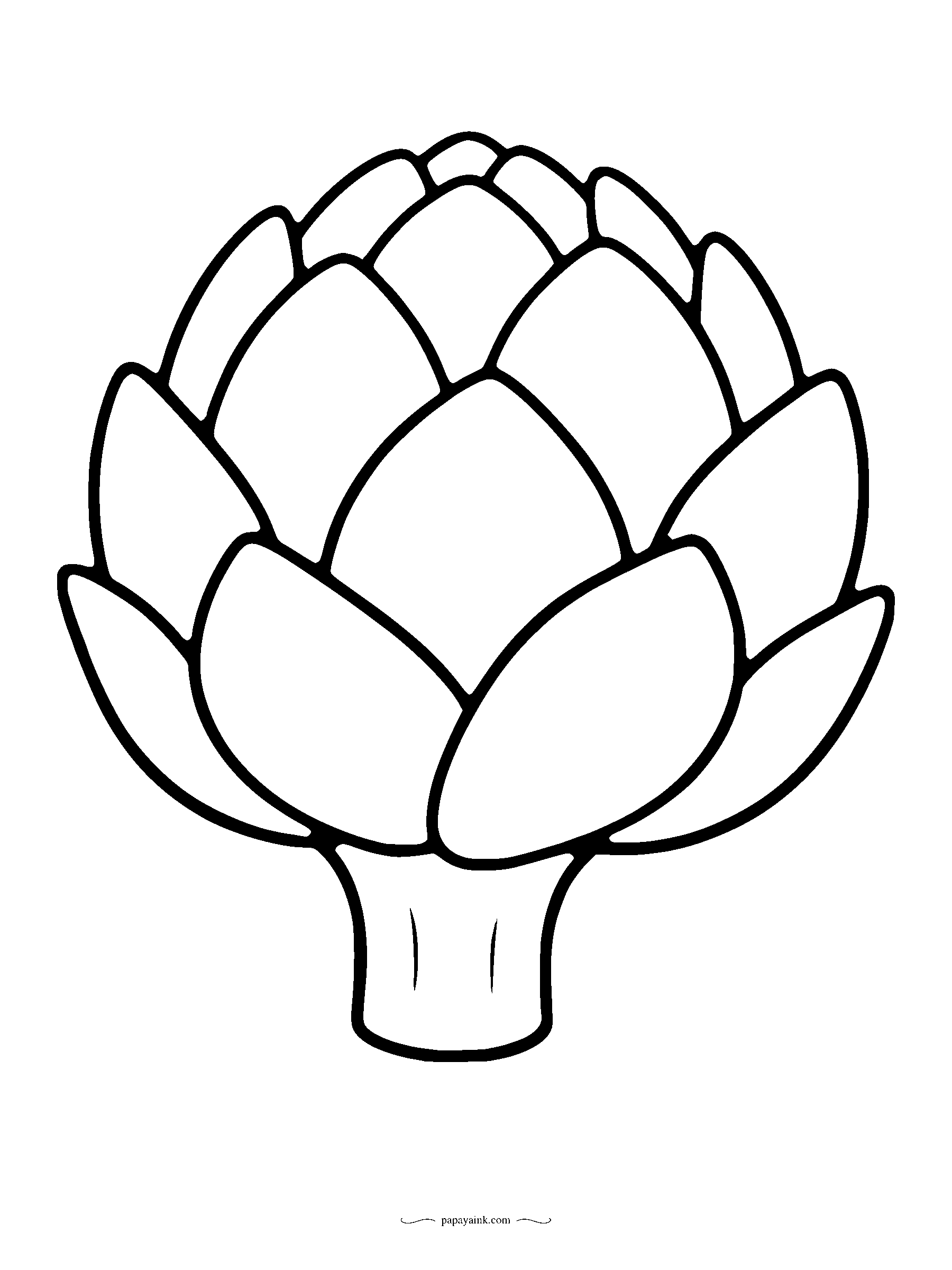
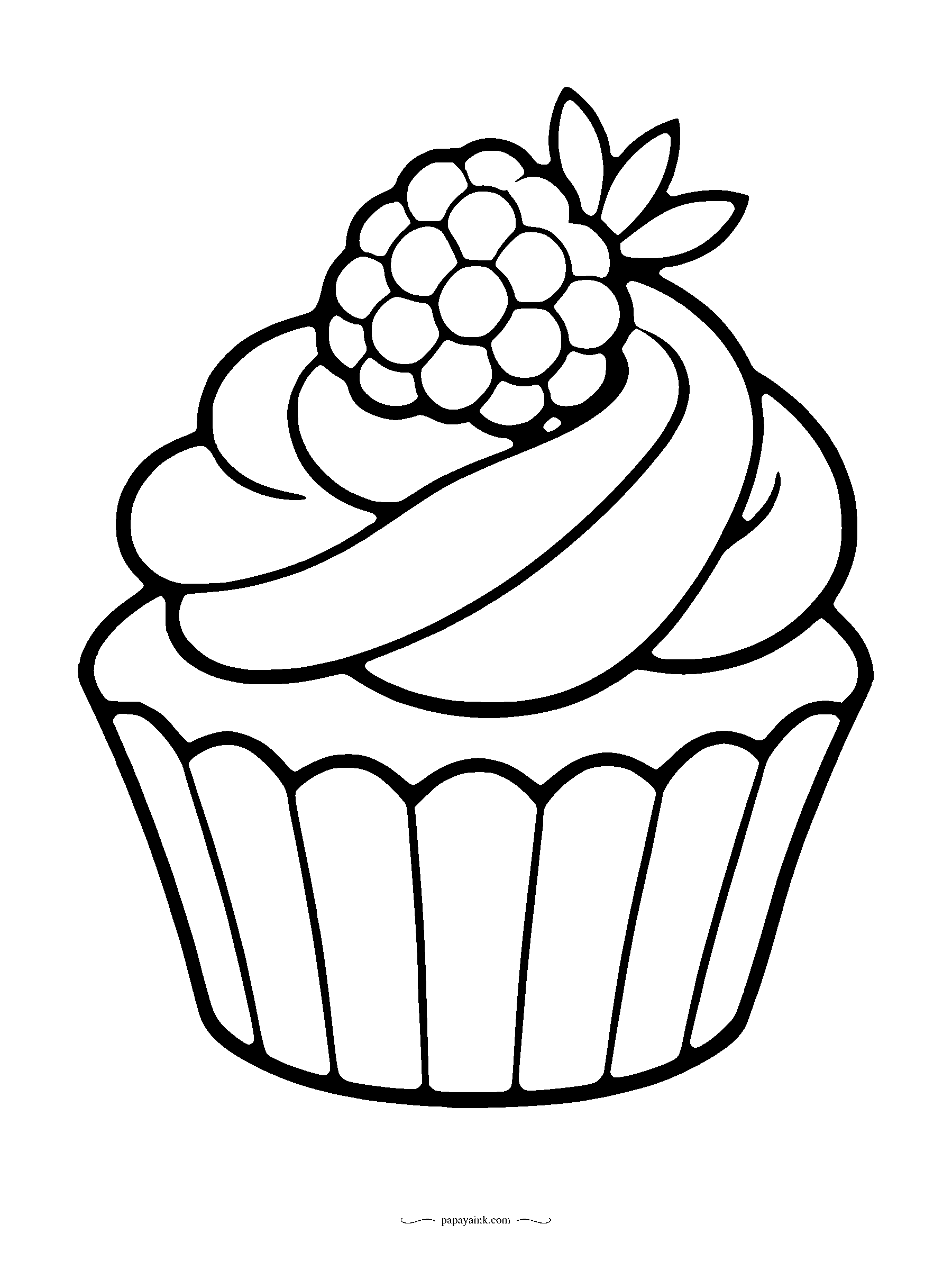
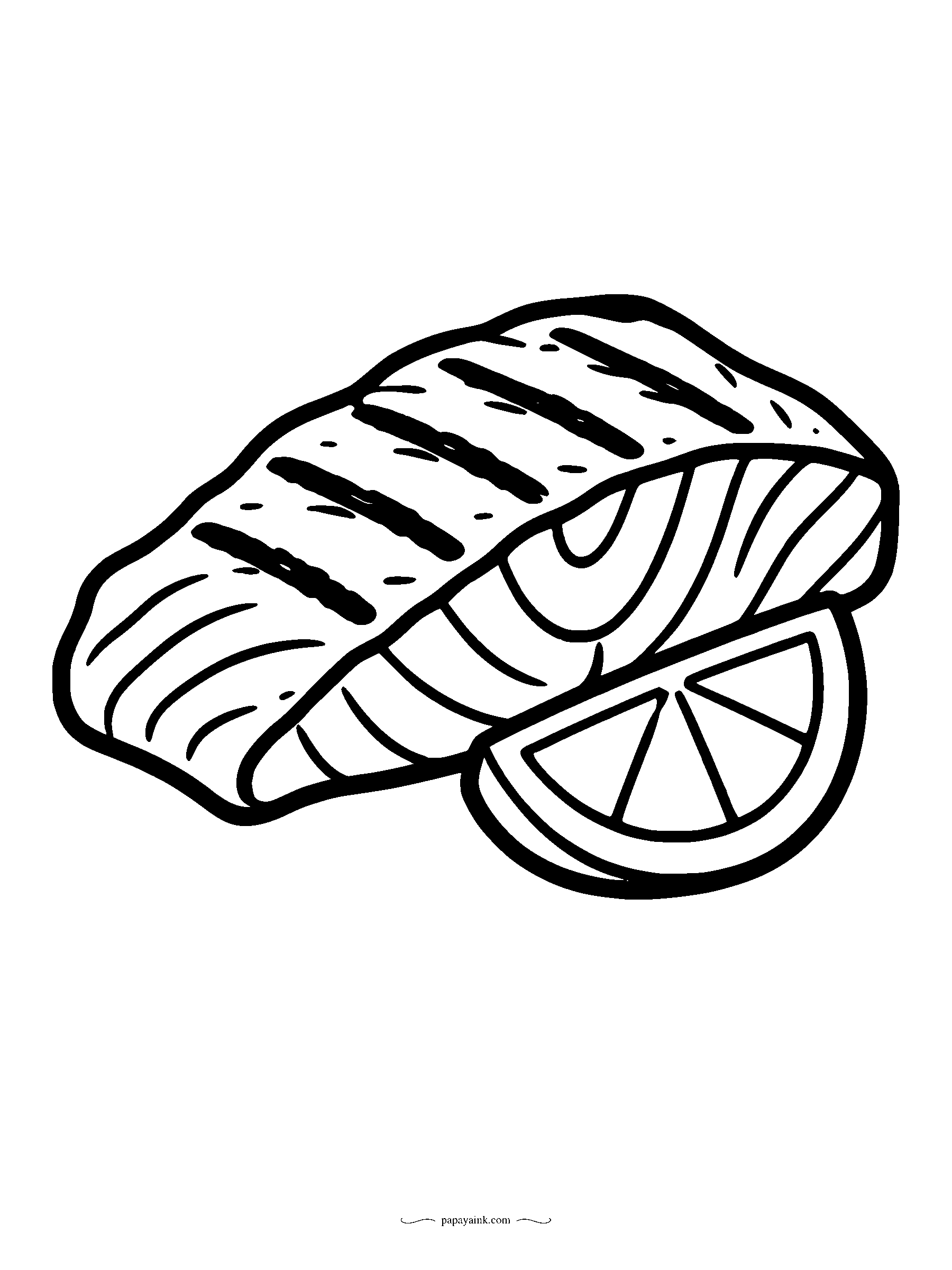
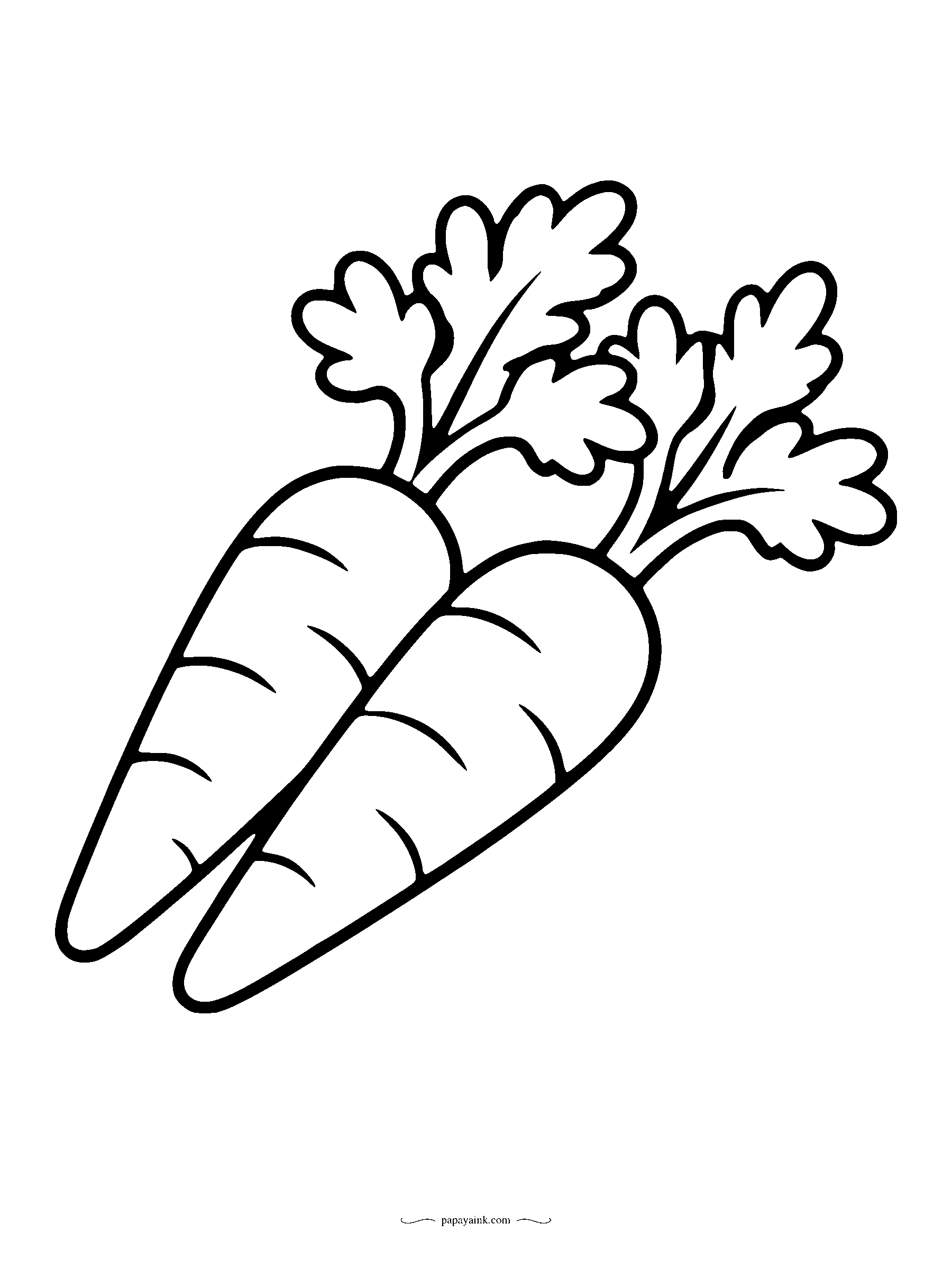
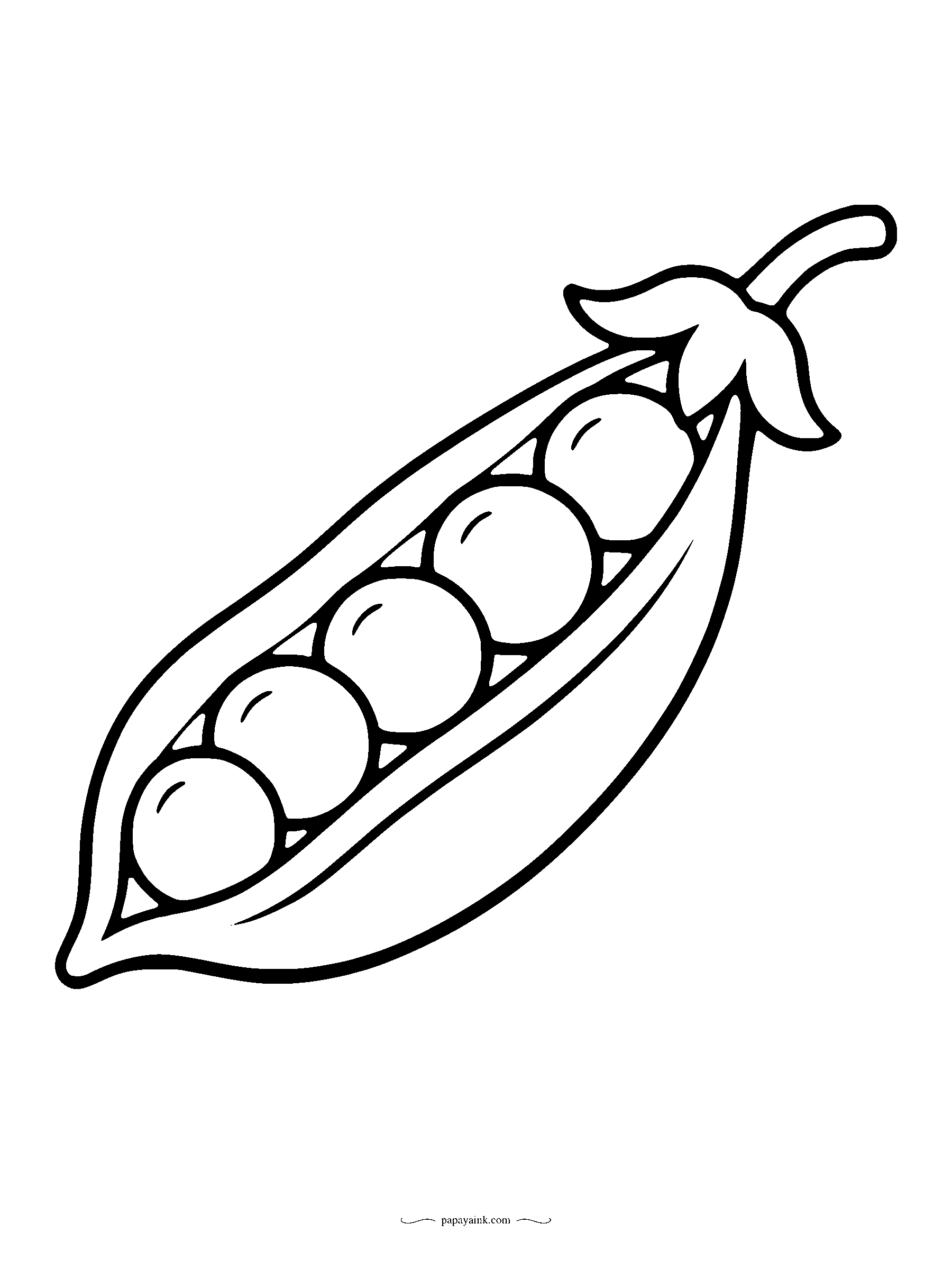
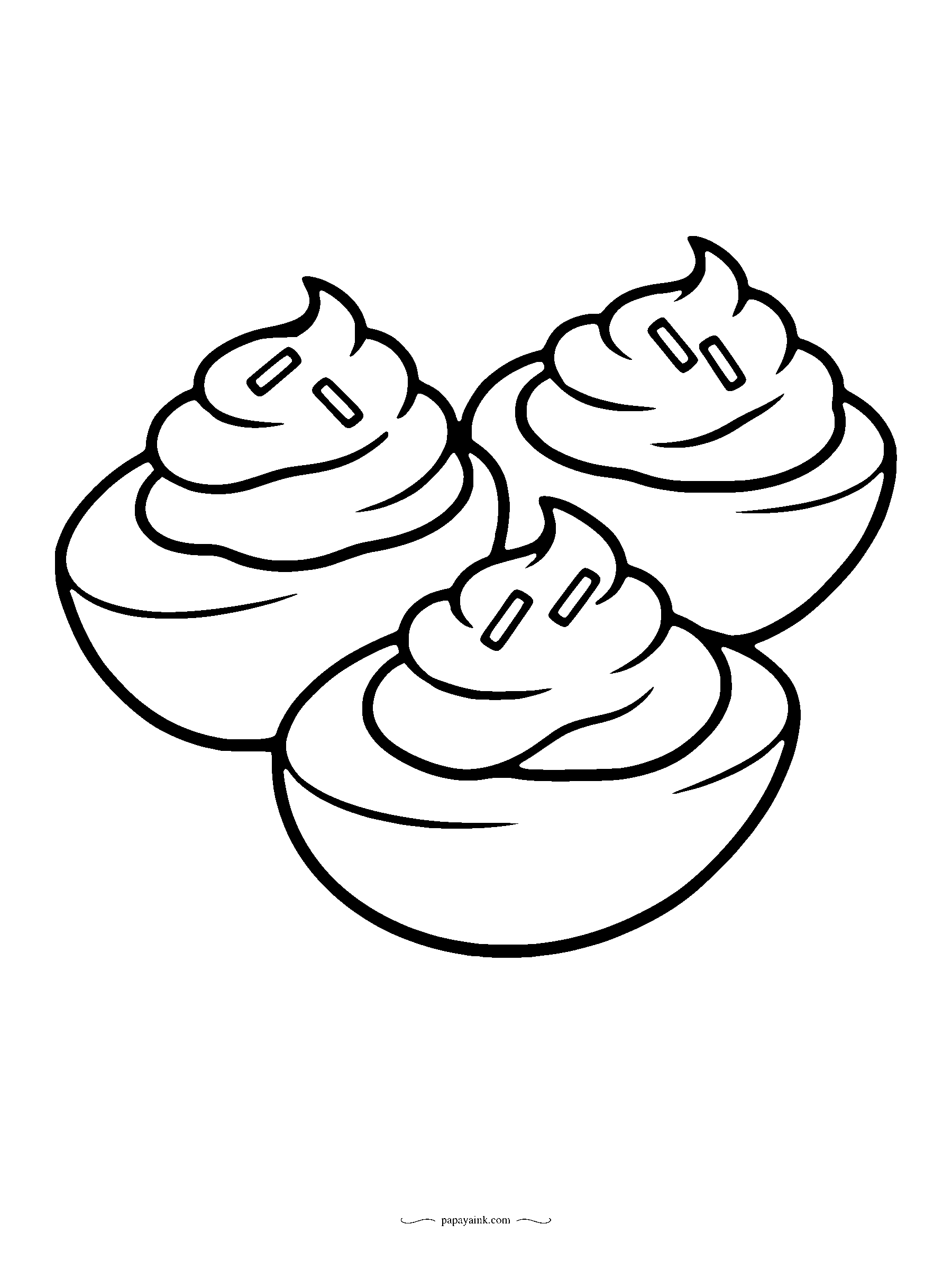
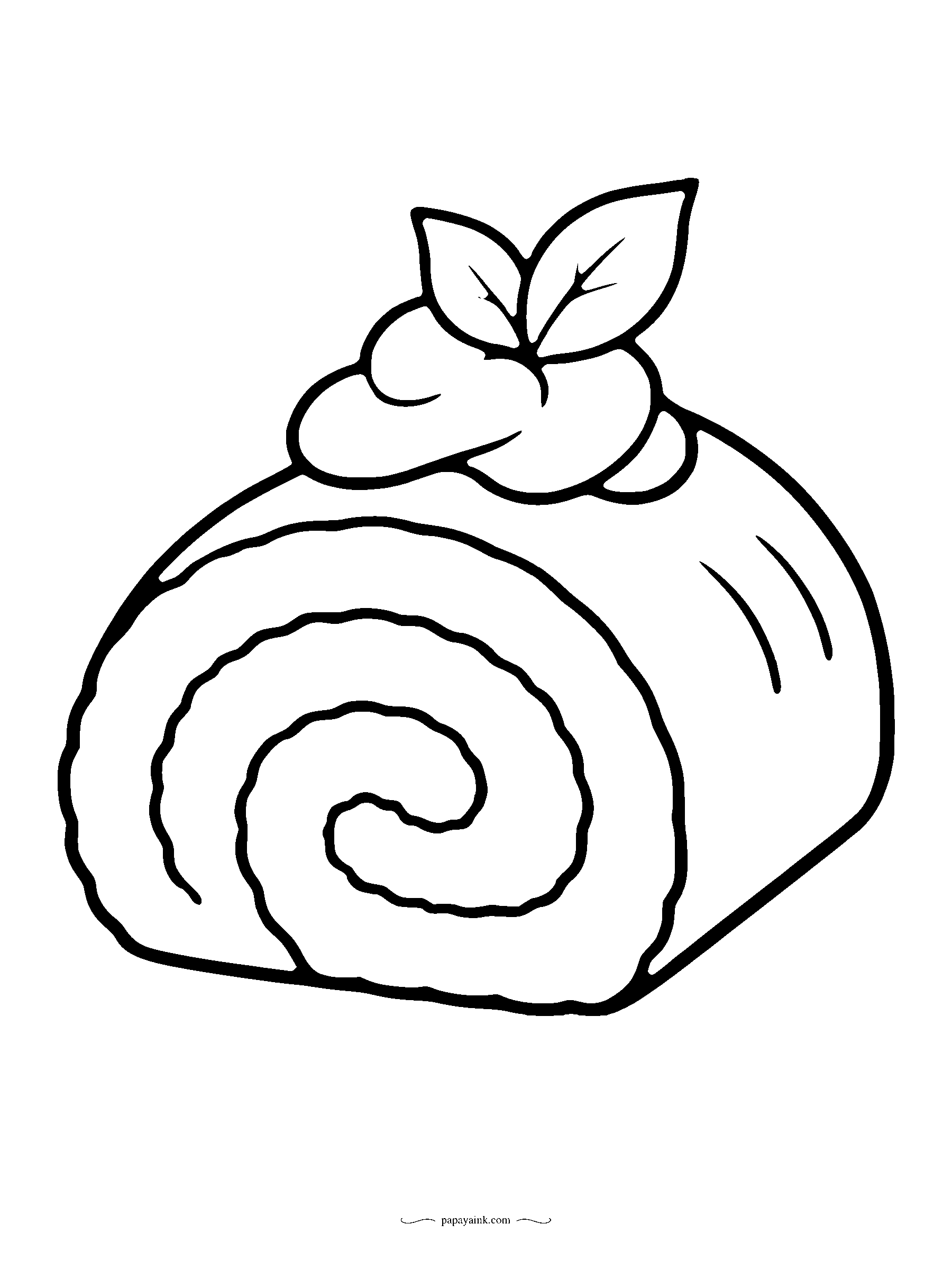
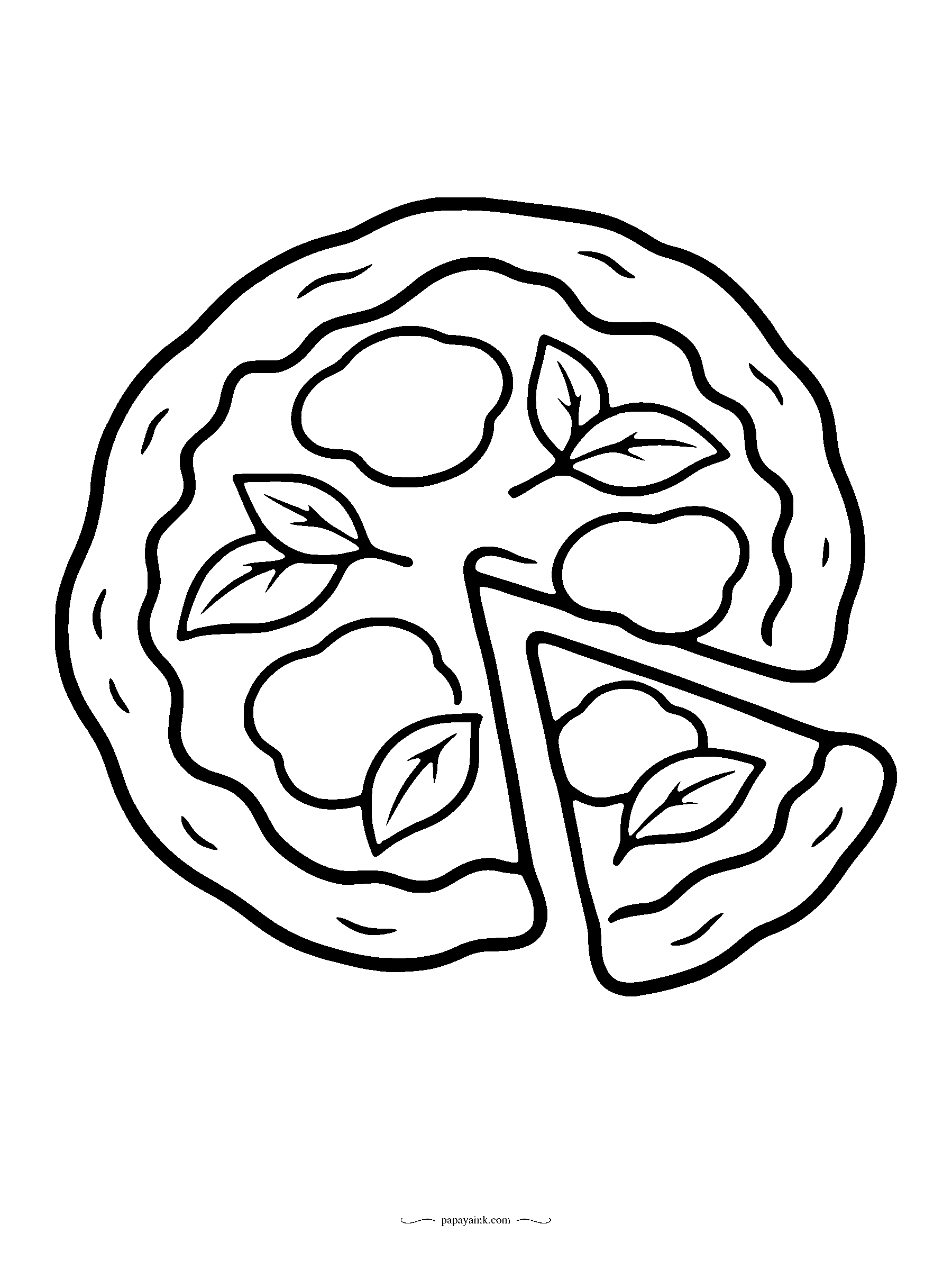
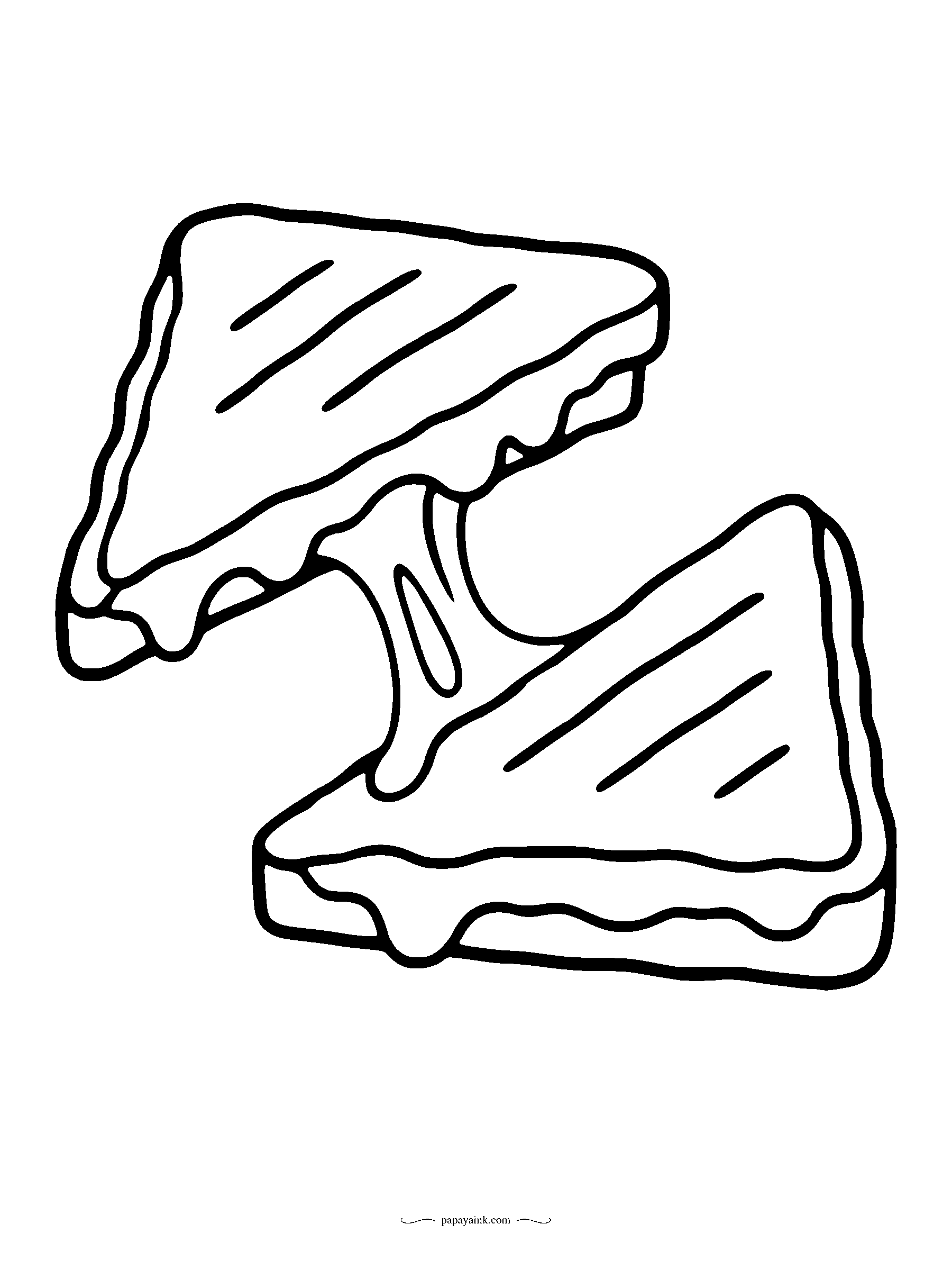
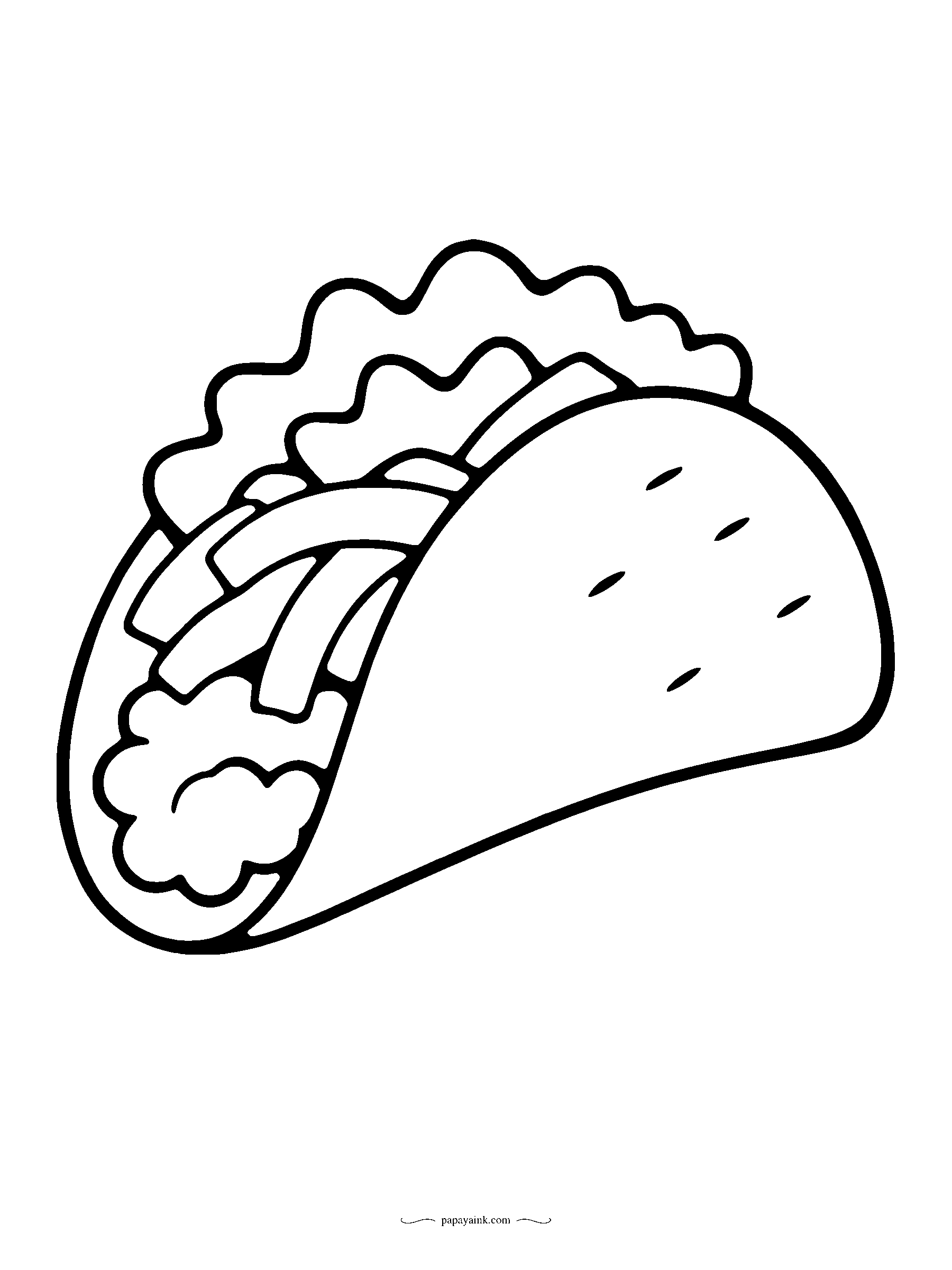
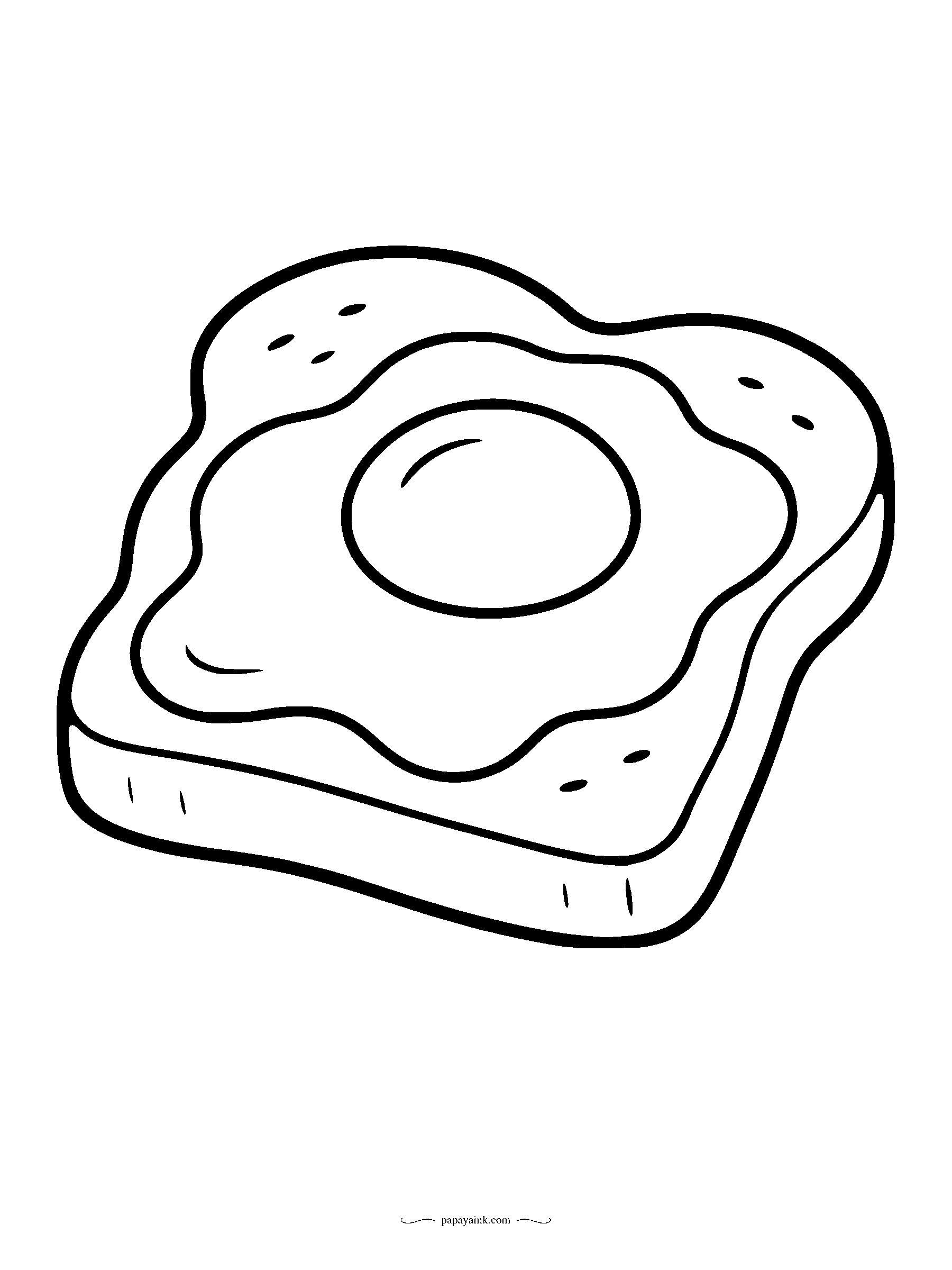
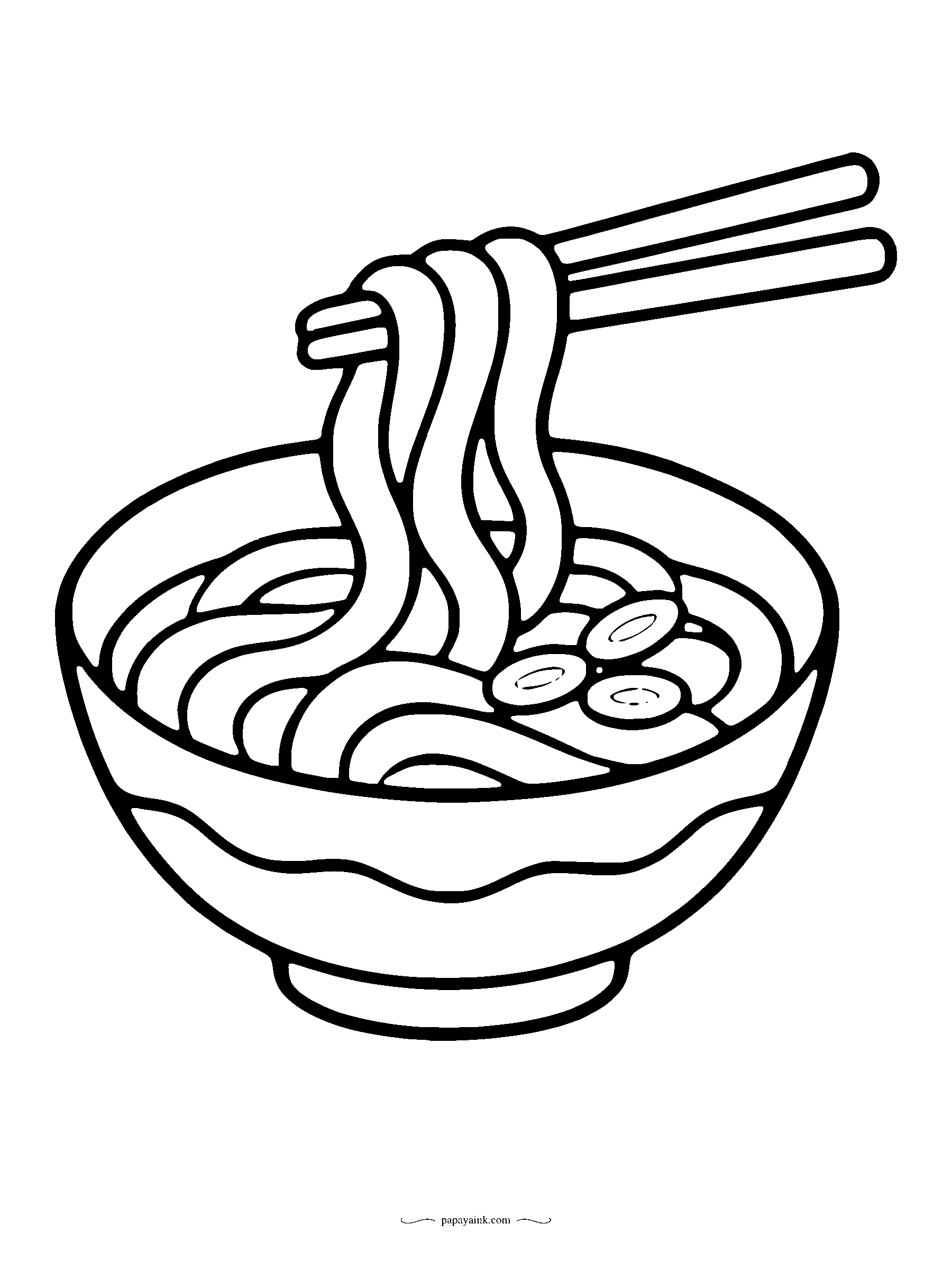
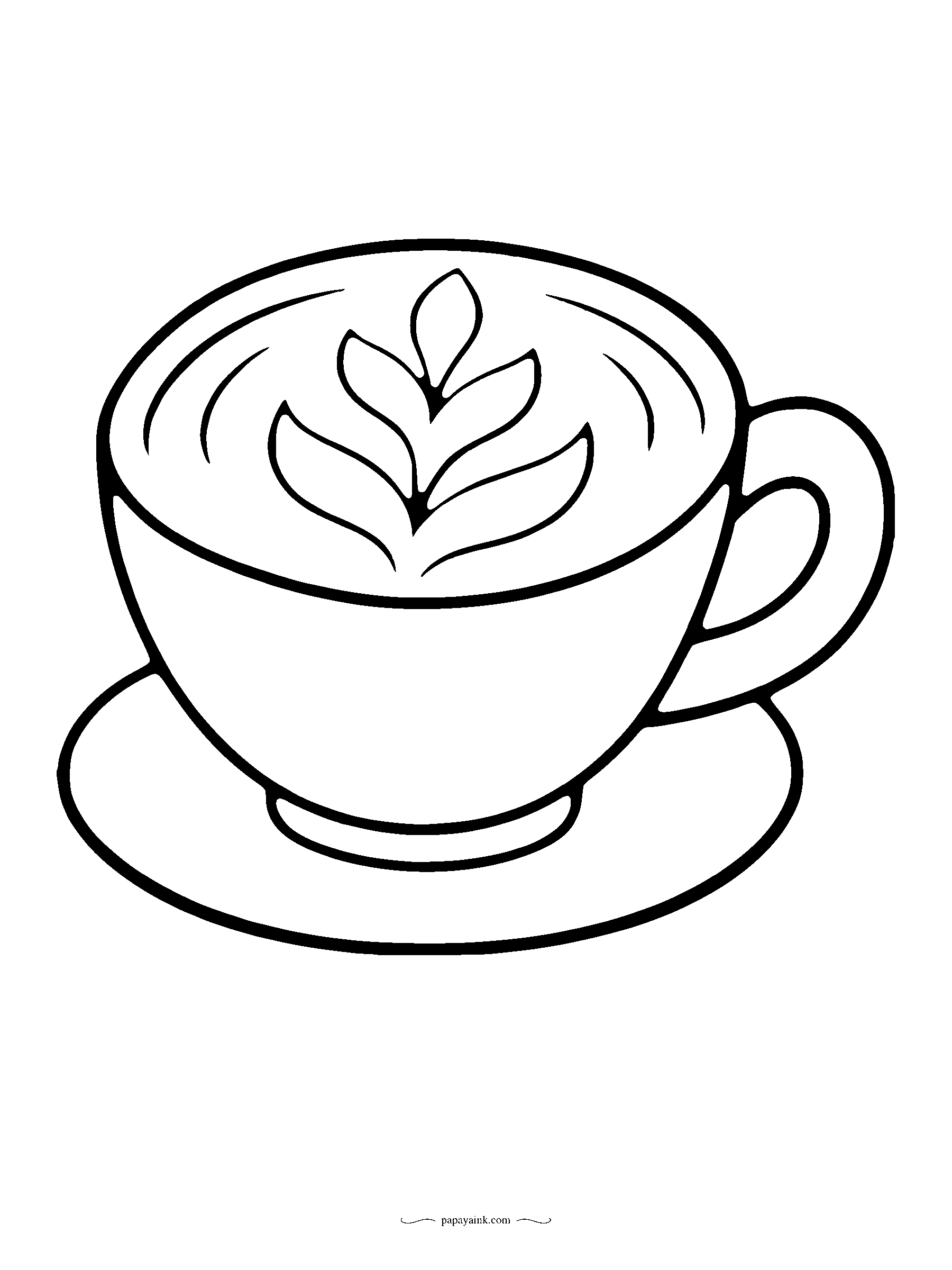
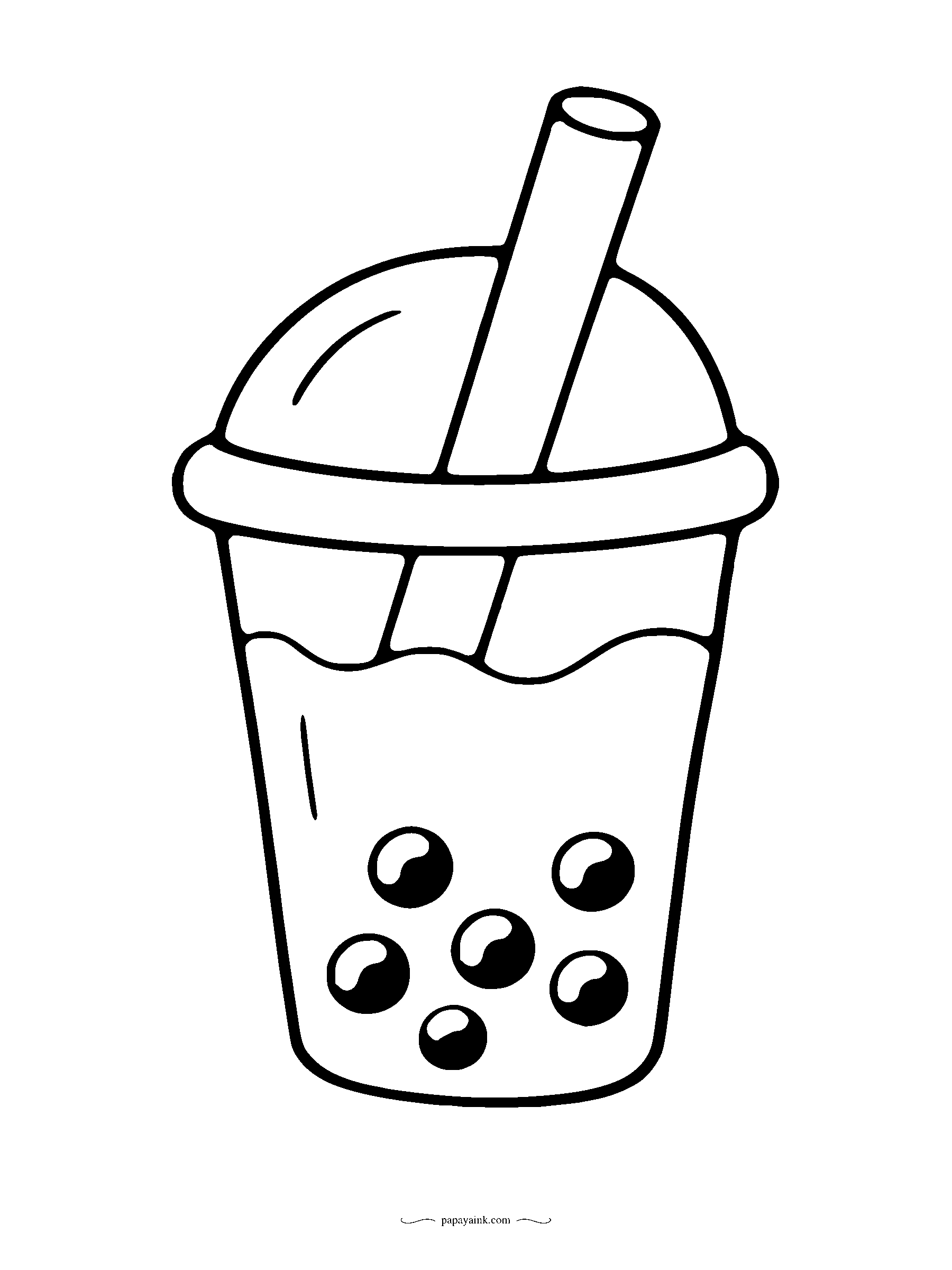
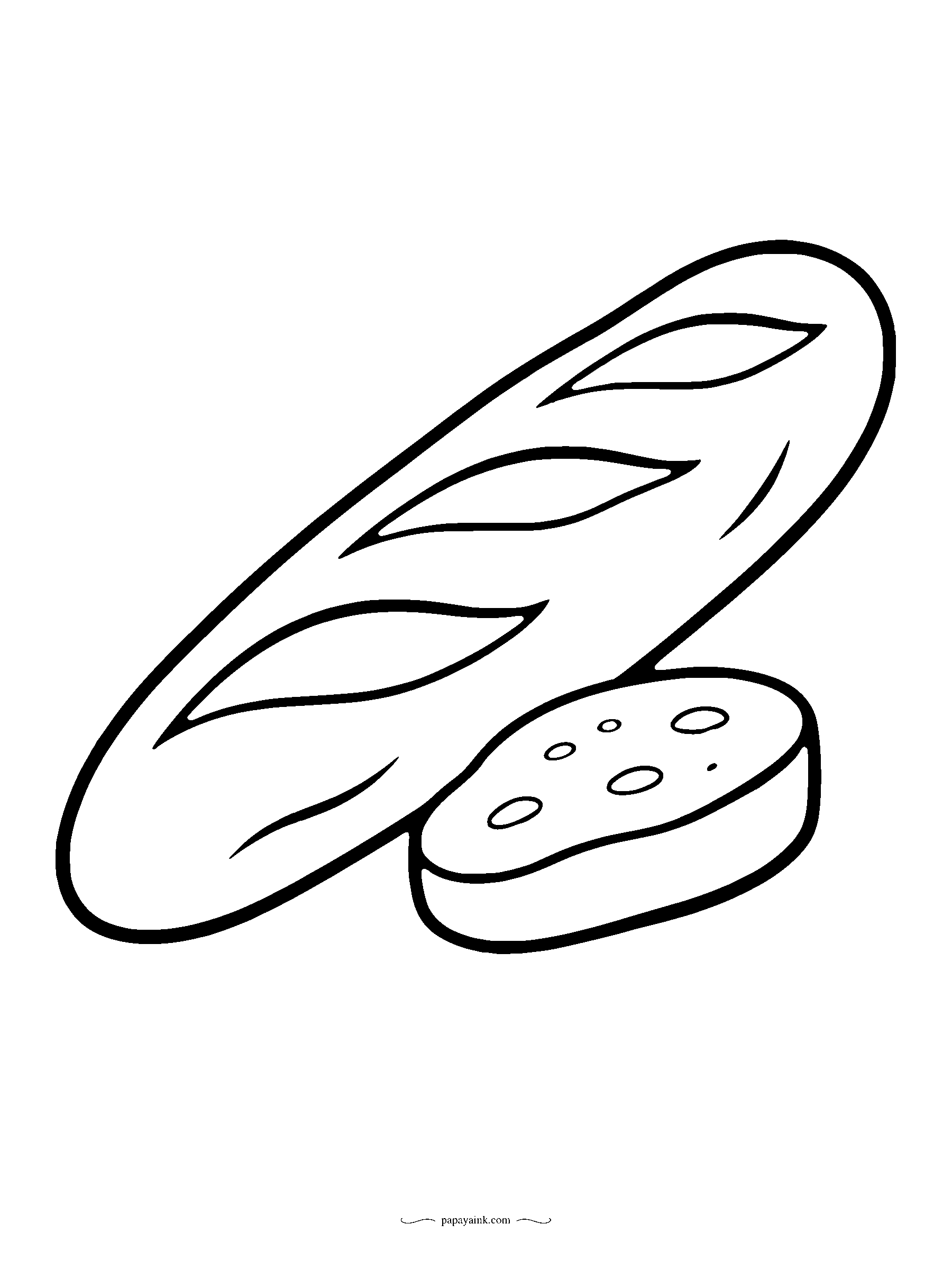


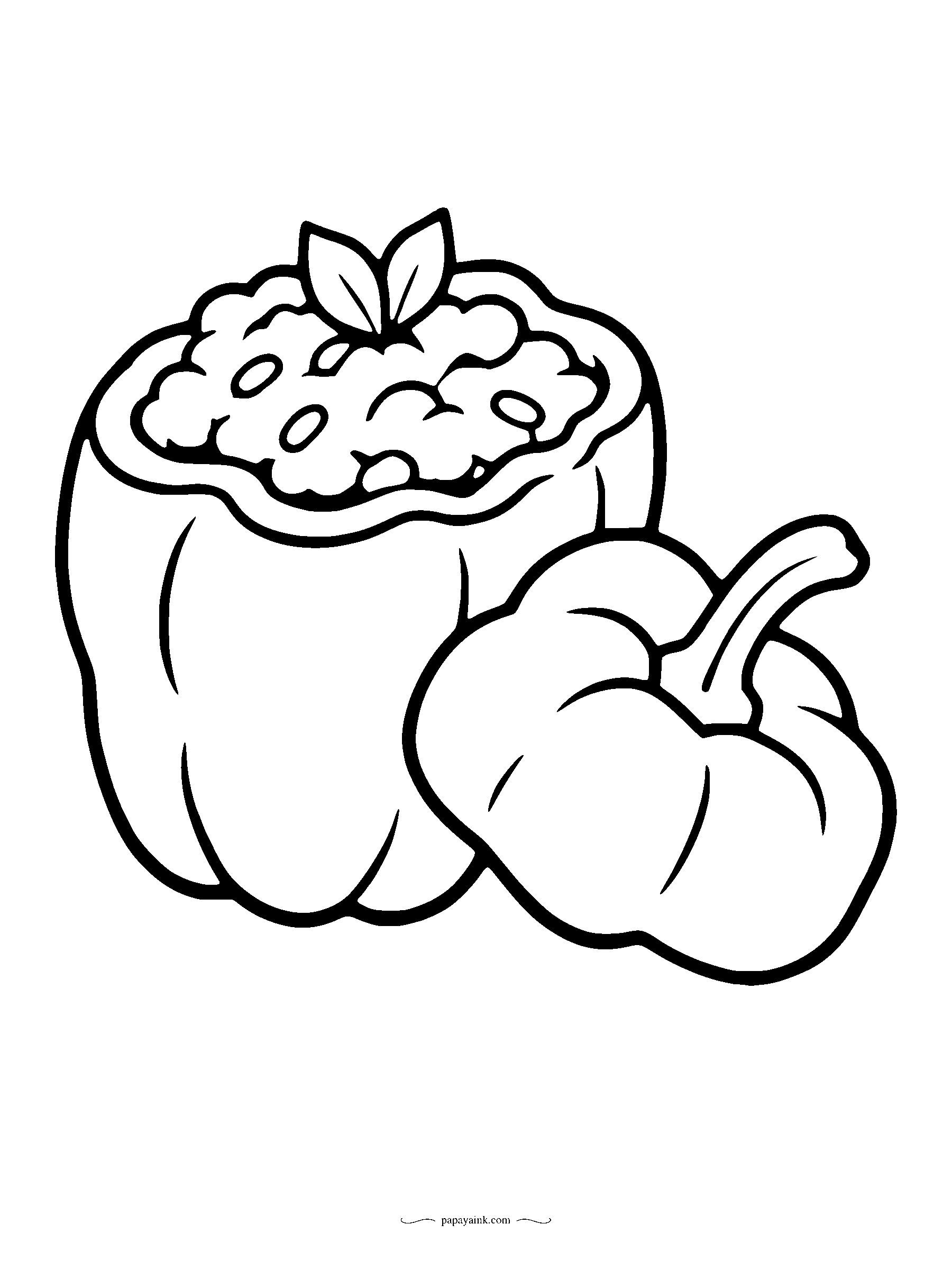
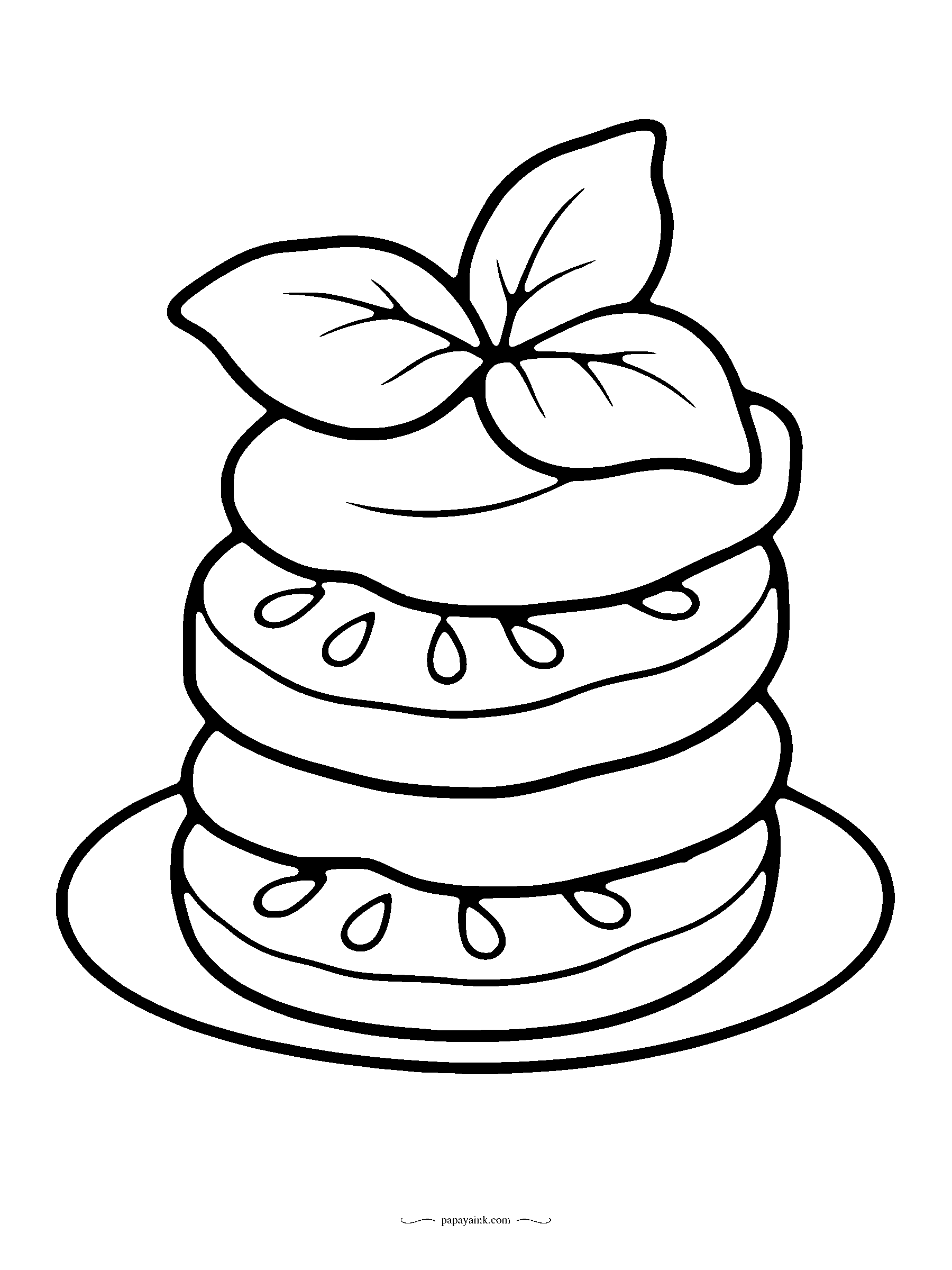


About Easy Food Coloring Pages
One Dish, Drawn Large
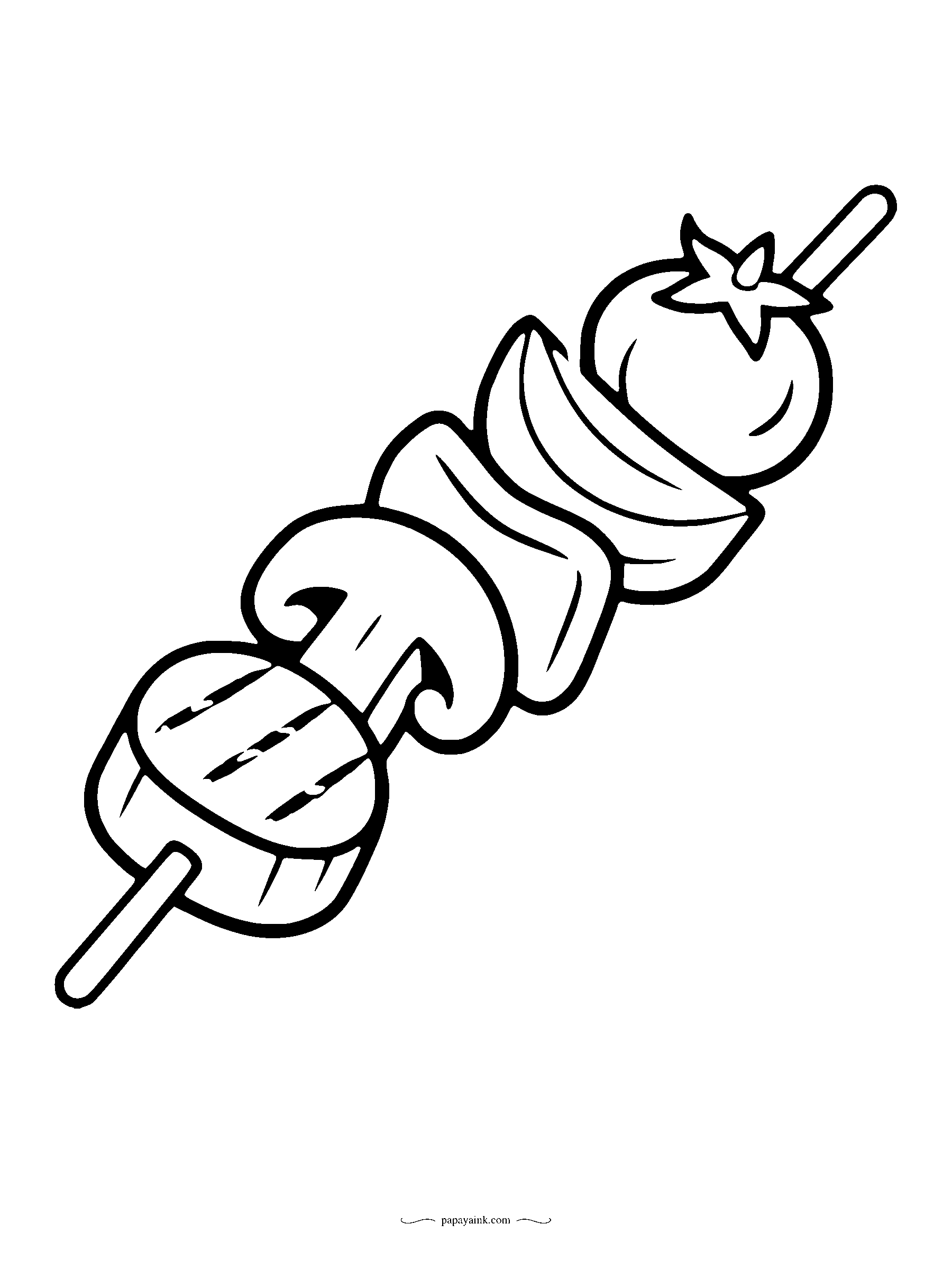
Each sheet shows a single dish, snack or ingredient, placed in the middle of the page with white space around it. The outline is thick and black, and the inside is divided into a small number of generous shapes: a bun, a slice of cheese, a scoop, a leaf. The shapes are left open, without printed shading, so how the food looks in the end is up to you.
Meals from Breakfast to Dinner
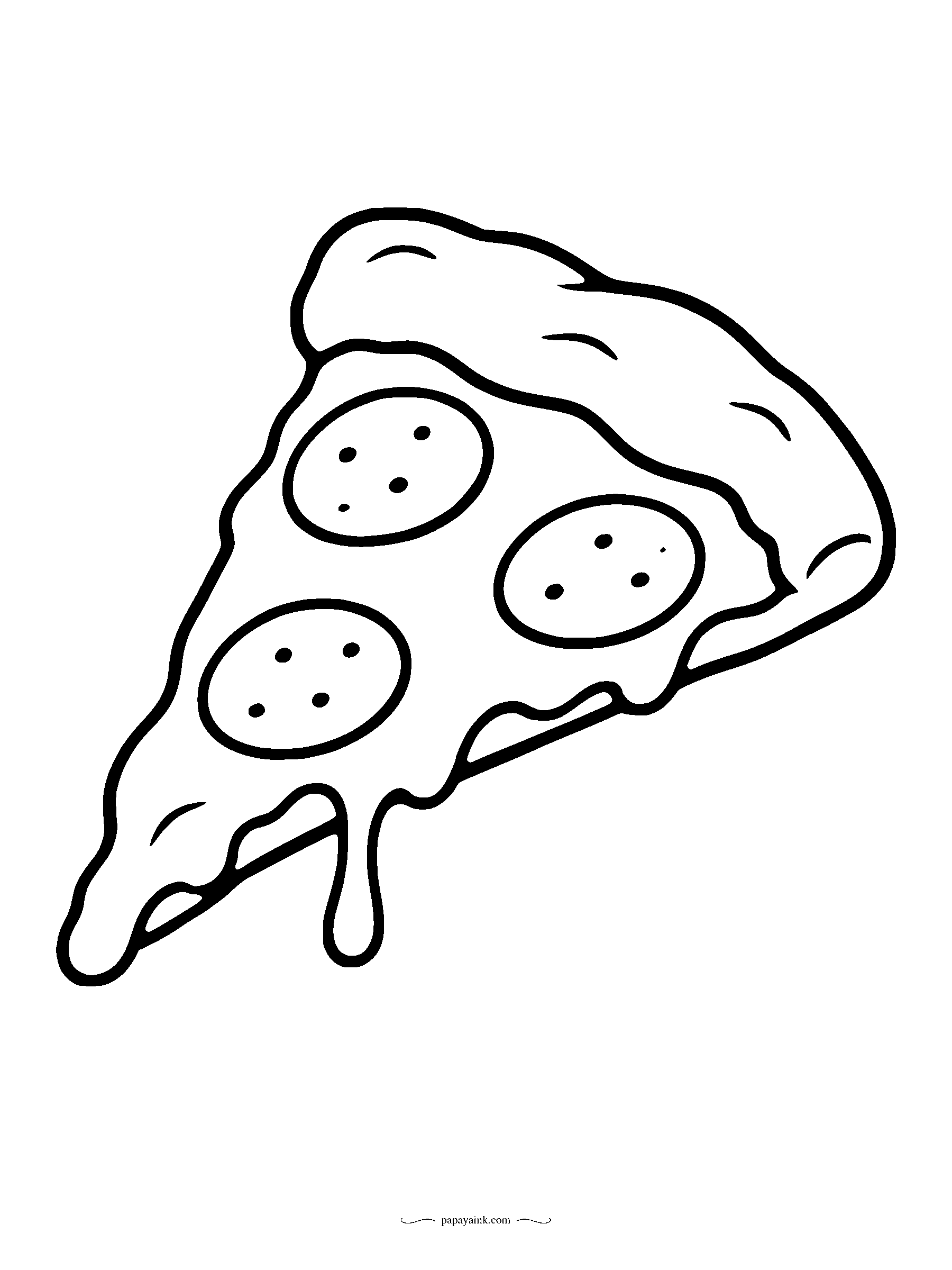
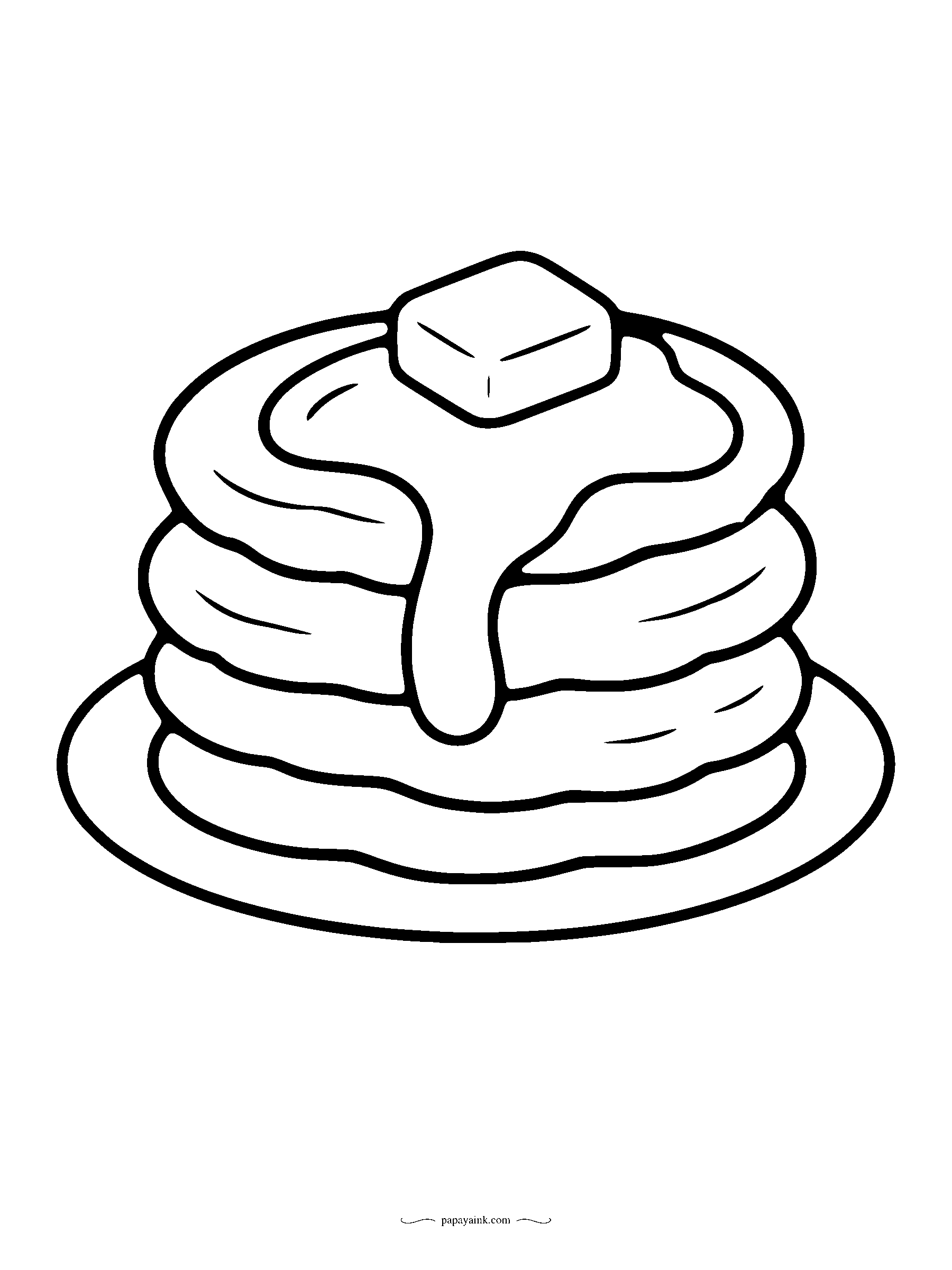
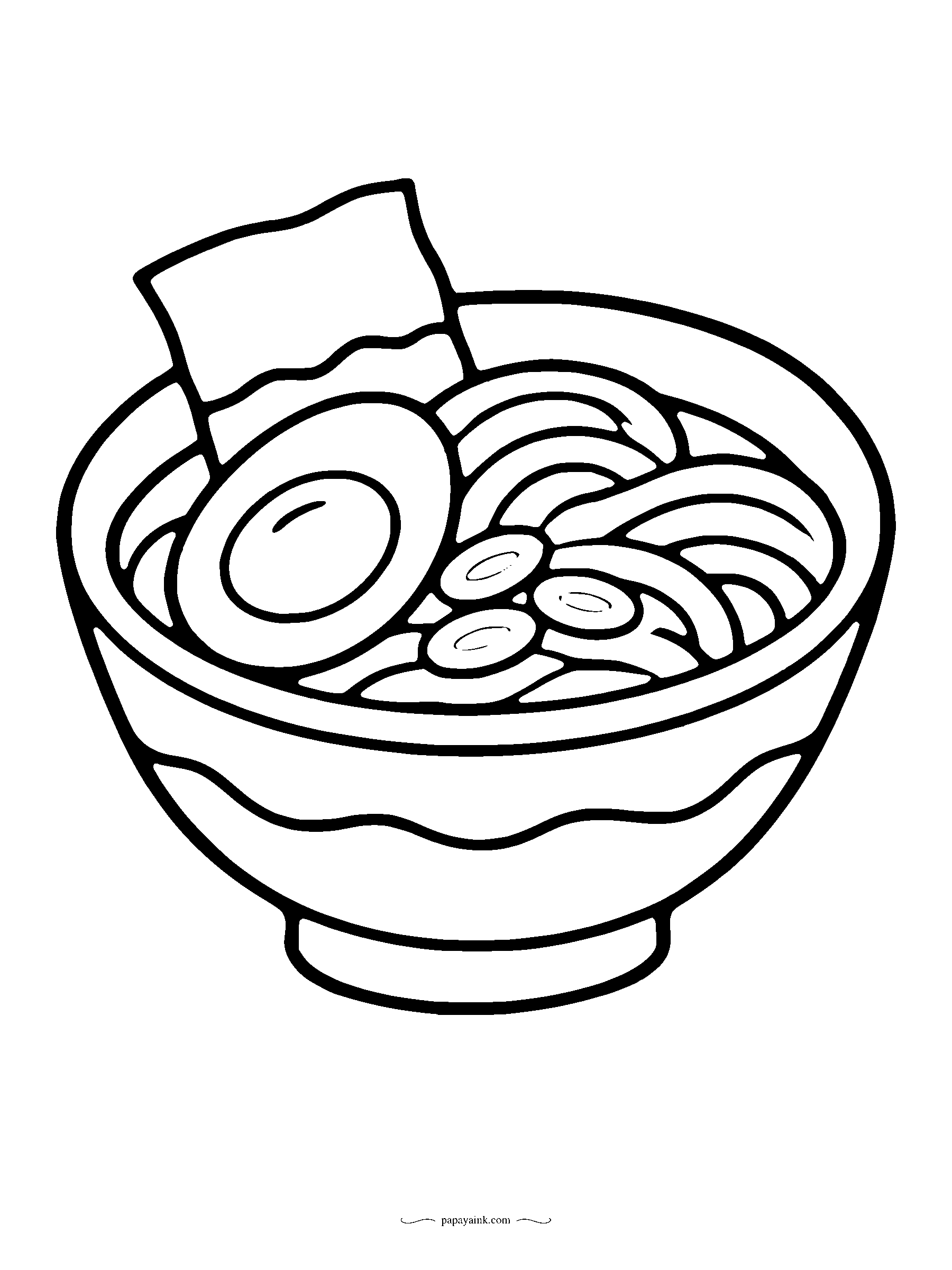
A large part of the collection is everyday meals. You can find breakfast plates such as pancakes, waffles, toast and eggs, lunch-counter classics such as burgers, sandwiches, hot dogs, tacos and pizza, and dinner dishes such as pasta, soup and fish. Dishes from different cuisines sit side by side: noodles in a bowl, sushi, dumplings, Italian pasta, tacos and burritos.
Bread, Cheese and Vegetables
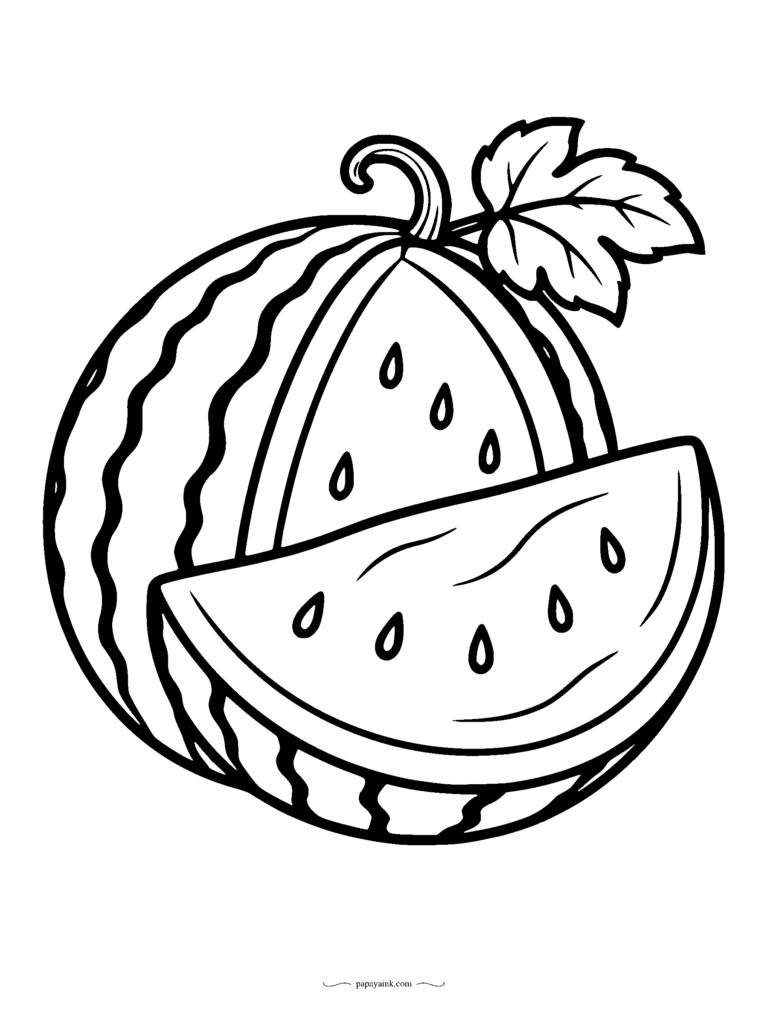
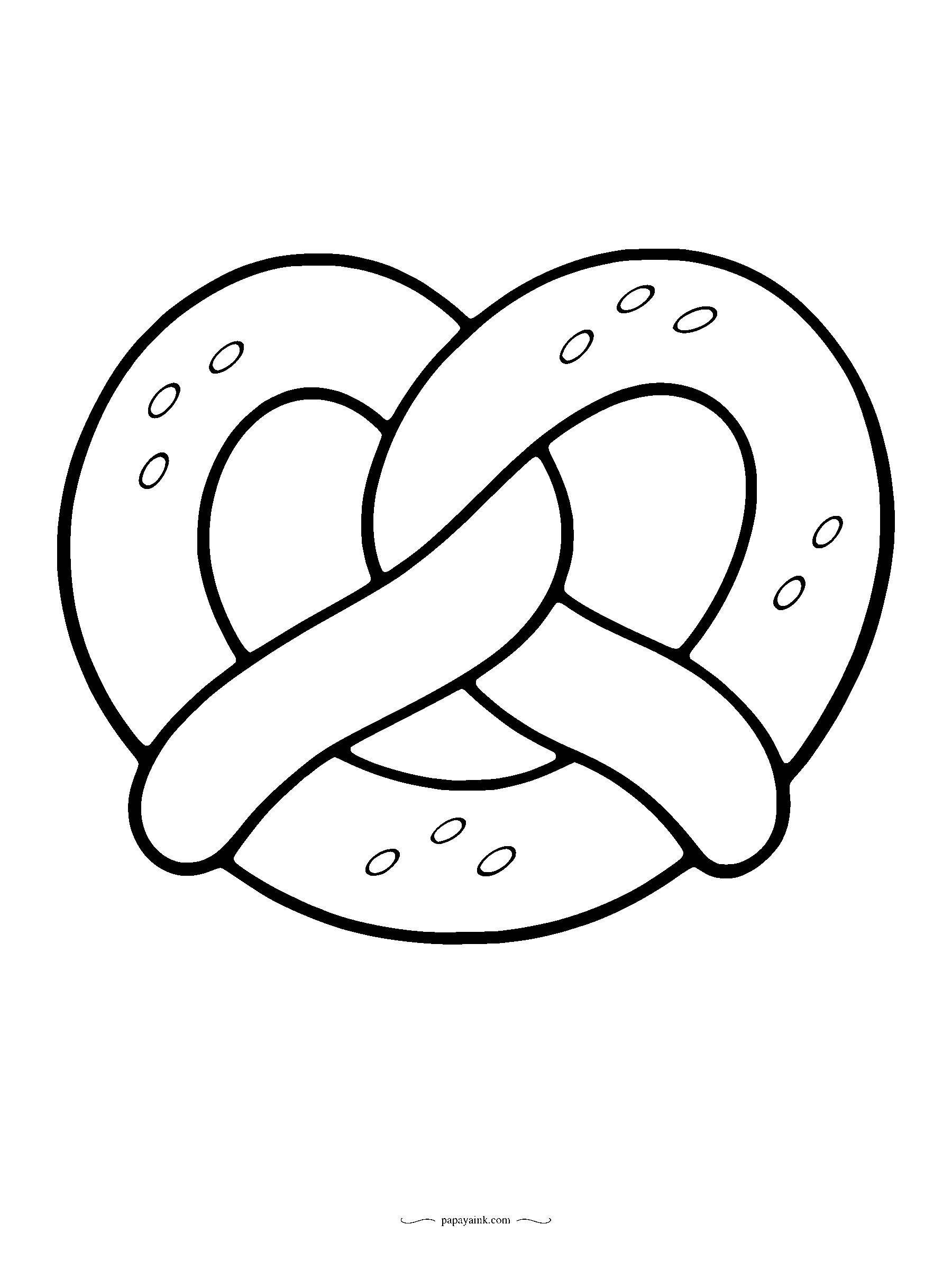
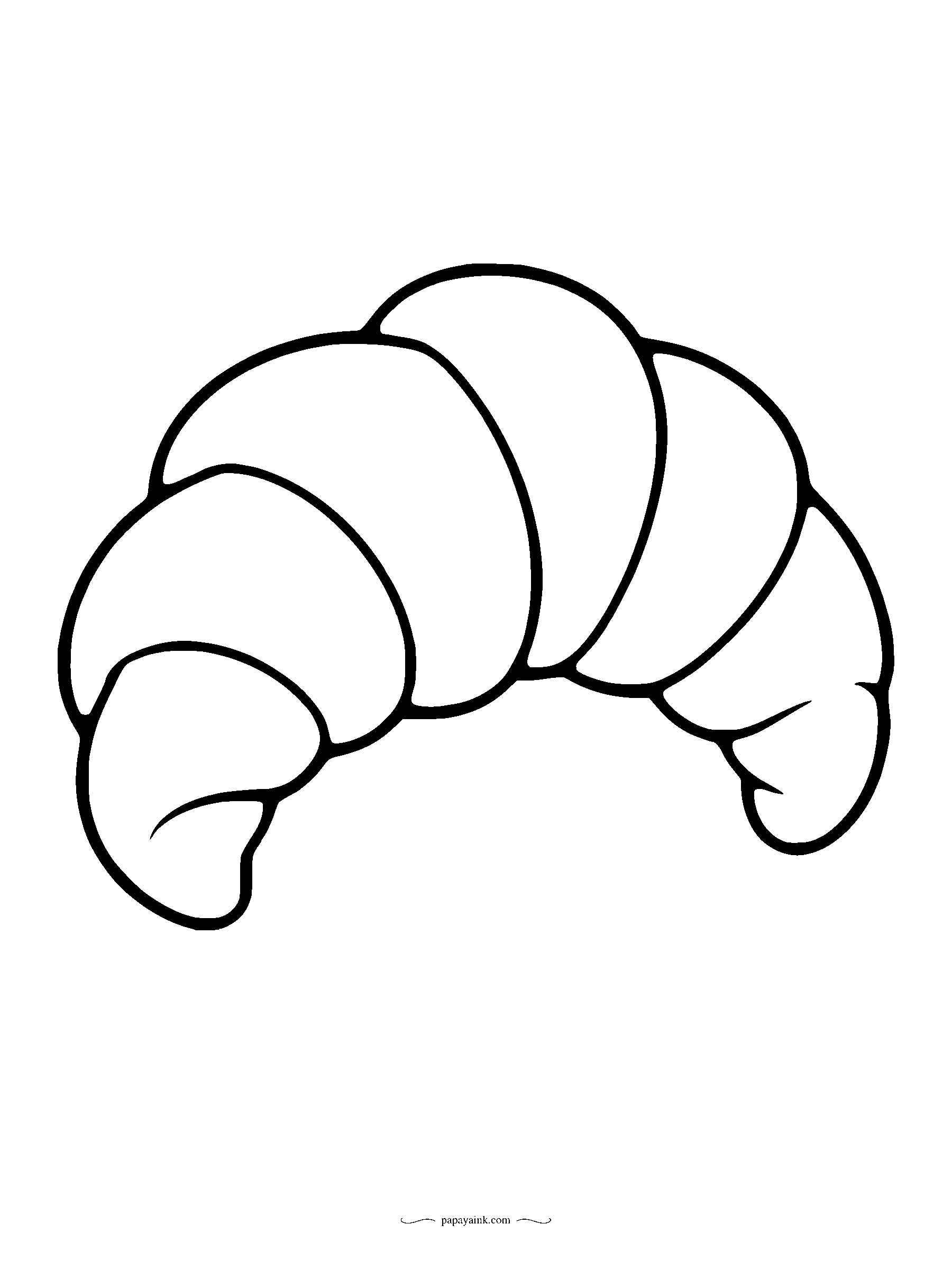
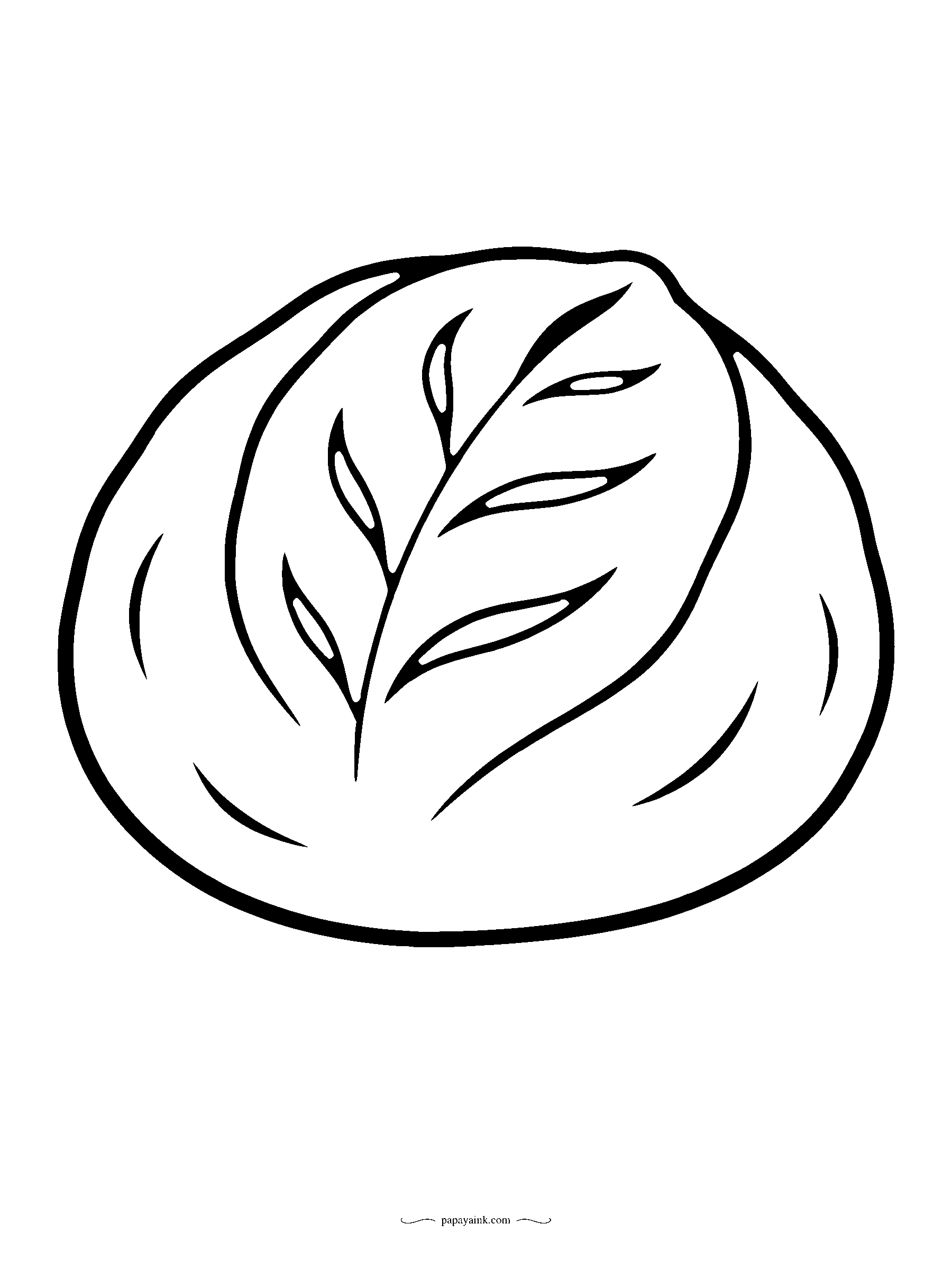
Some pages focus on one simple item. Loaves of bread, a pretzel or a croissant are drawn as plain rounded forms with a few score lines or folds. Cheese appears as wedges and wheels. Vegetables and fruit are shown whole or cut open, which adds seeds, ribs and layers to color.
Desserts, Sweets and Drinks
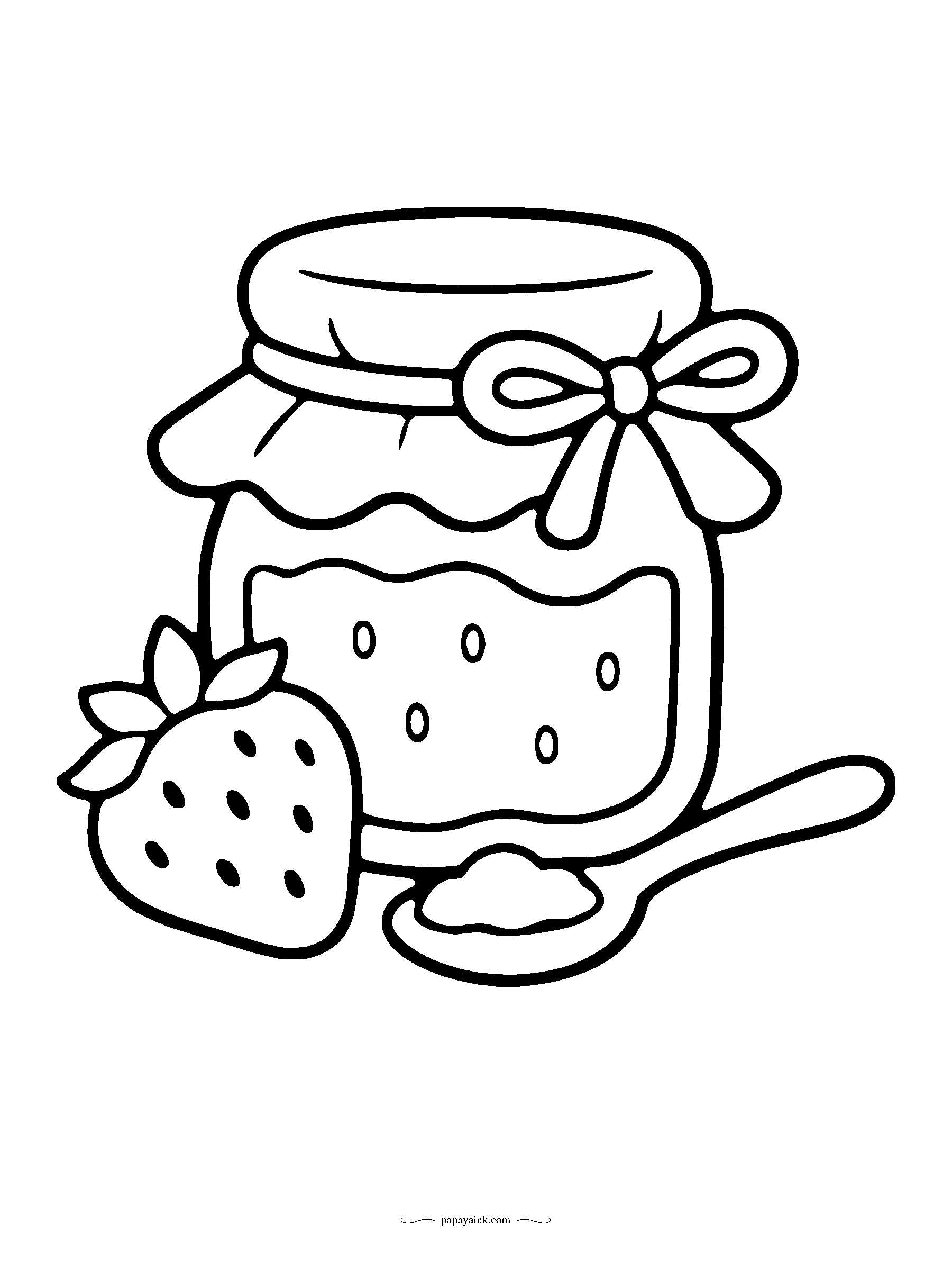
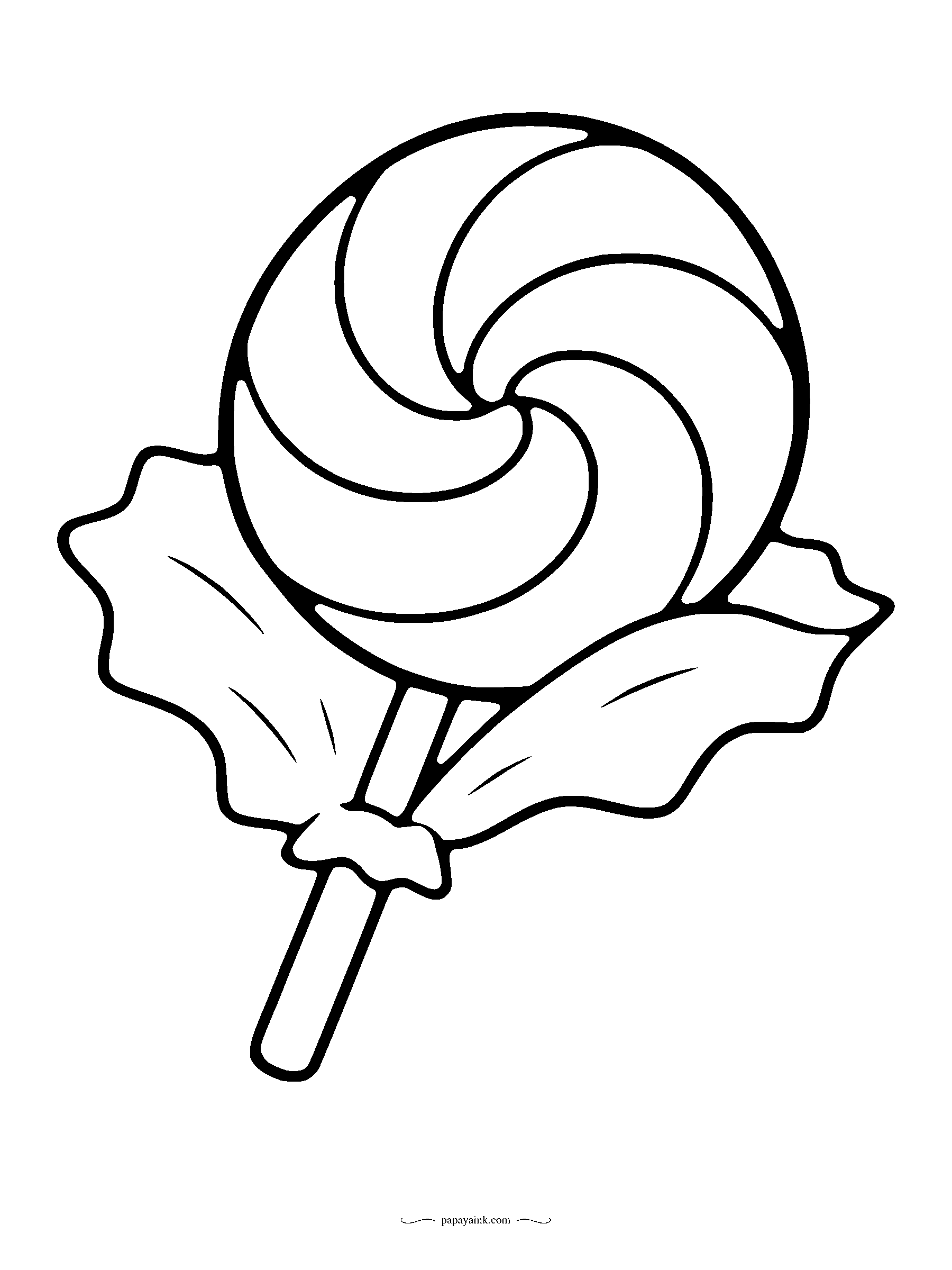
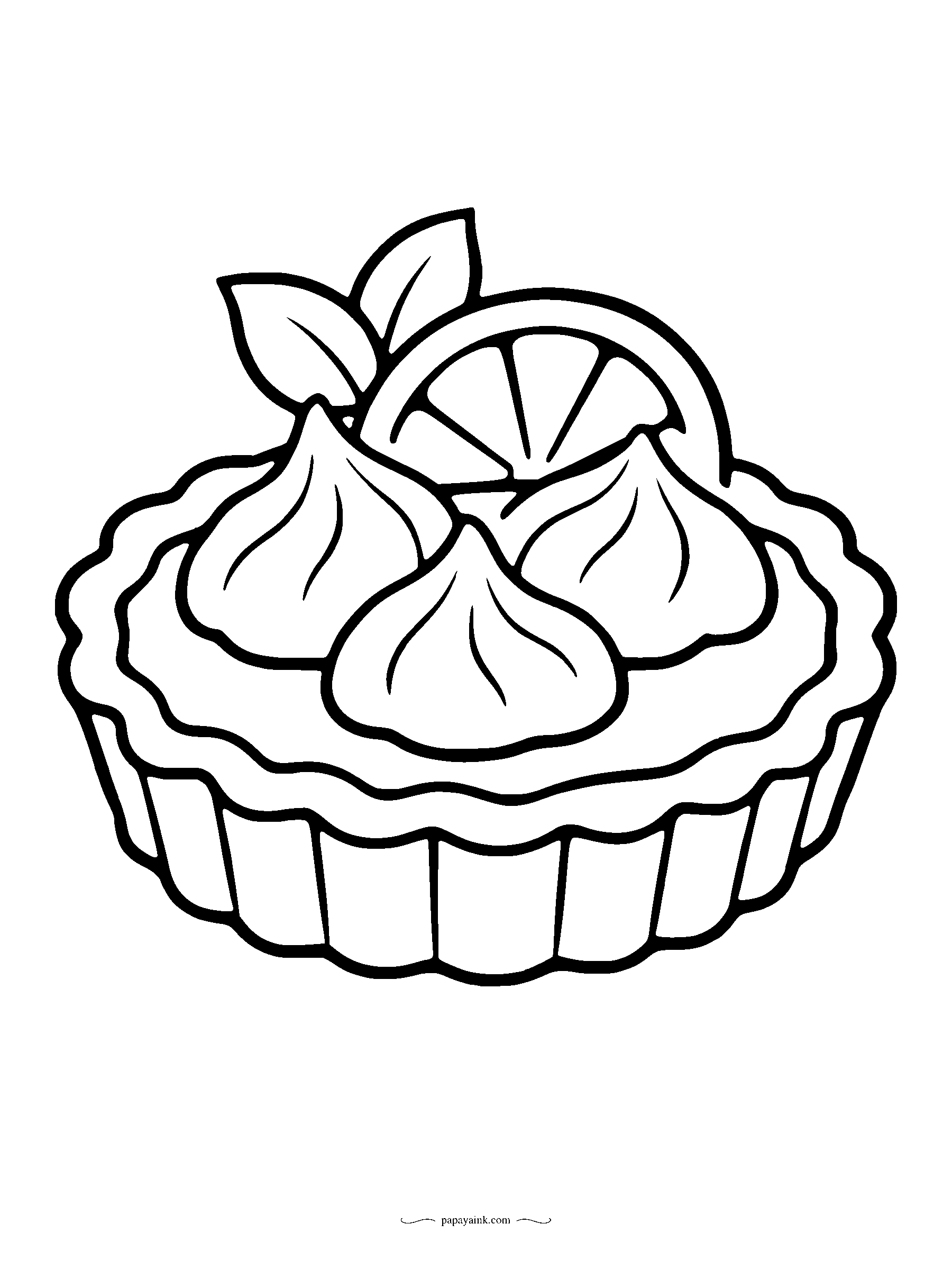
The sweet pages include cakes, pies, tarts, pastries, donuts, ice cream, candy and chocolate, along with mugs, cups, jars and pitchers. Icing, cream, syrup and melted chocolate are drawn as smooth drips and swirls, and they make clear borders between one color and the next.
True-to-Life Colors or Your Own
One way to color food is to stay close to the real thing: golden brown for crust, red for tomato, green for lettuce and herbs, yellow for cheese and butter, pink and orange for salmon. Looking at a photo of the dish can help with the choice.
Another way is to treat the page as a design and ignore the menu. A lavender donut, a mint-green pretzel or a pizza in three shades of blue can look just as good on the wall. A limited palette of four or five colors used across the whole sheet gives a calm, tidy result, and it works with either approach.
Flat Color with Markers
The thick outlines hide the small overlap where a marker meets the line, so these pages suit the smooth, flat look of cozy coloring books. You can fill each shape with one even color and stop there. You can also go a step further: add a second, slightly darker shade along one side of a shape for a soft shadow, or keep a small white streak or dot uncolored as a highlight on icing, glass or a glossy pepper.
Adding Details of Your Own
The open shapes can be a starting point as well as a finished drawing. Sprinkles on icing, seeds on a bun, grill marks, dots on a strawberry and bubbles in a drink are easy to add with a fine pen or a darker marker. Plain surfaces such as a mug, a carton, a wrapper or a bowl take stripes, checks, polka dots or a short word. You can also draw a setting around the dish: a plate under it, a napkin, a fork, steam above a hot cup.
The Space Around the Dish
The background can stay white, which keeps the food bold and the page quick. Other options are a circle or a soft blob of one color behind the dish, a checkered tablecloth, a simple shadow underneath, or a scatter of small stars, hearts or dots. A pale background in a color that contrasts with the food, such as light blue behind a golden pastry, makes the dish stand out.
Markers, Pencils or Crayons
Markers are a natural match for these pages. Alcohol markers give the smoothest fill and blend well, and water-based markers and brush pens also cover the large shapes fast. Colored pencils take longer on a big area, but they allow gentle transitions, for example on a crust that goes from pale to dark. Crayons and oil pastels add a grainy texture that suits bread and pastry. Tools can be combined: marker for the base color, pencil on top for shadows.
Choosing a Page
All of the pages are simple, though some are simpler than others. A single item such as a loaf, a wedge of cheese or a popsicle has only a few areas and can be finished in minutes. Dishes with layers or many small pieces, such as a stacked sandwich, a bowl of noodles or a fruit salad, give more to do. You can choose by the time you have, or just by what looks tasty.
Printing the Pages
Every page is a PDF sized for US Letter paper, and it prints well on A4 too. The lines are pure black on white, so any home printer handles them. For markers, heavier paper or cardstock holds the ink better than thin copy paper, and a spare sheet placed underneath protects the table from any color that soaks through.