Home›Flower Coloring Pages — Free Printable PDF
By: Papaya Ink Team · Last updated: October 18, 2026
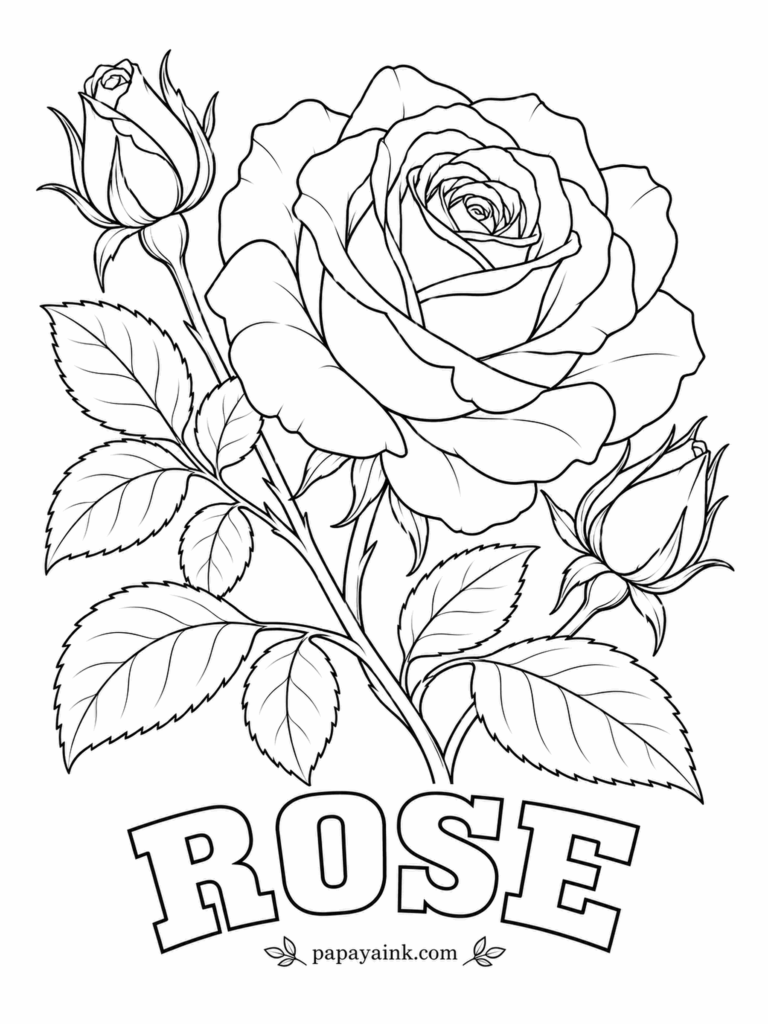
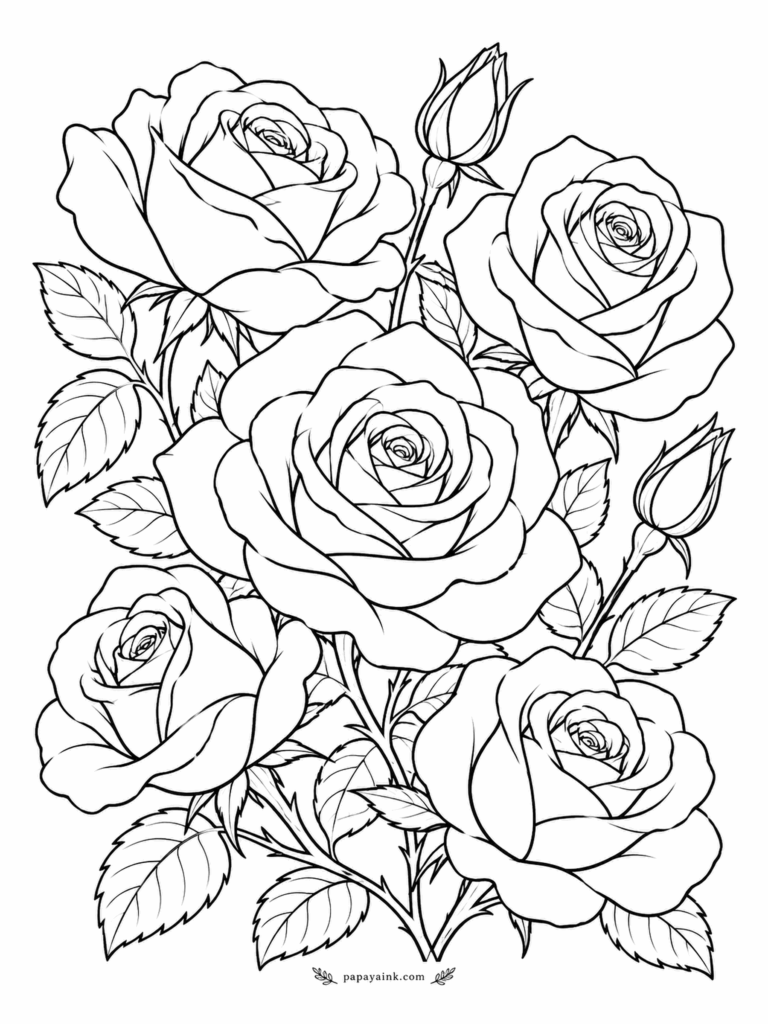
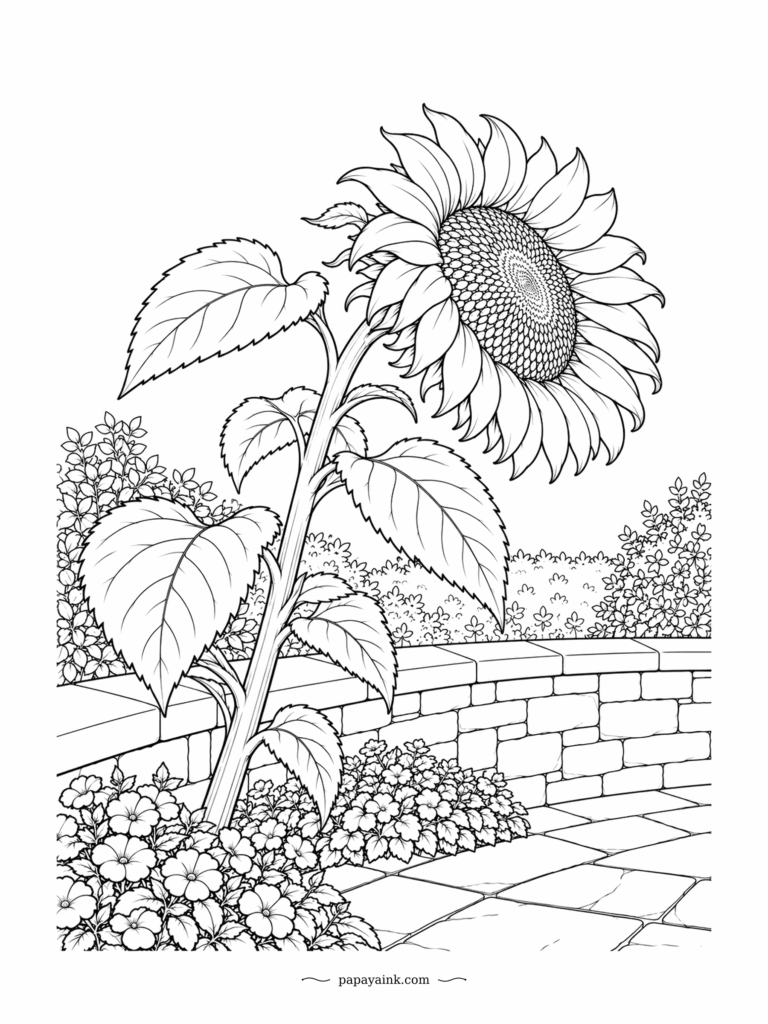
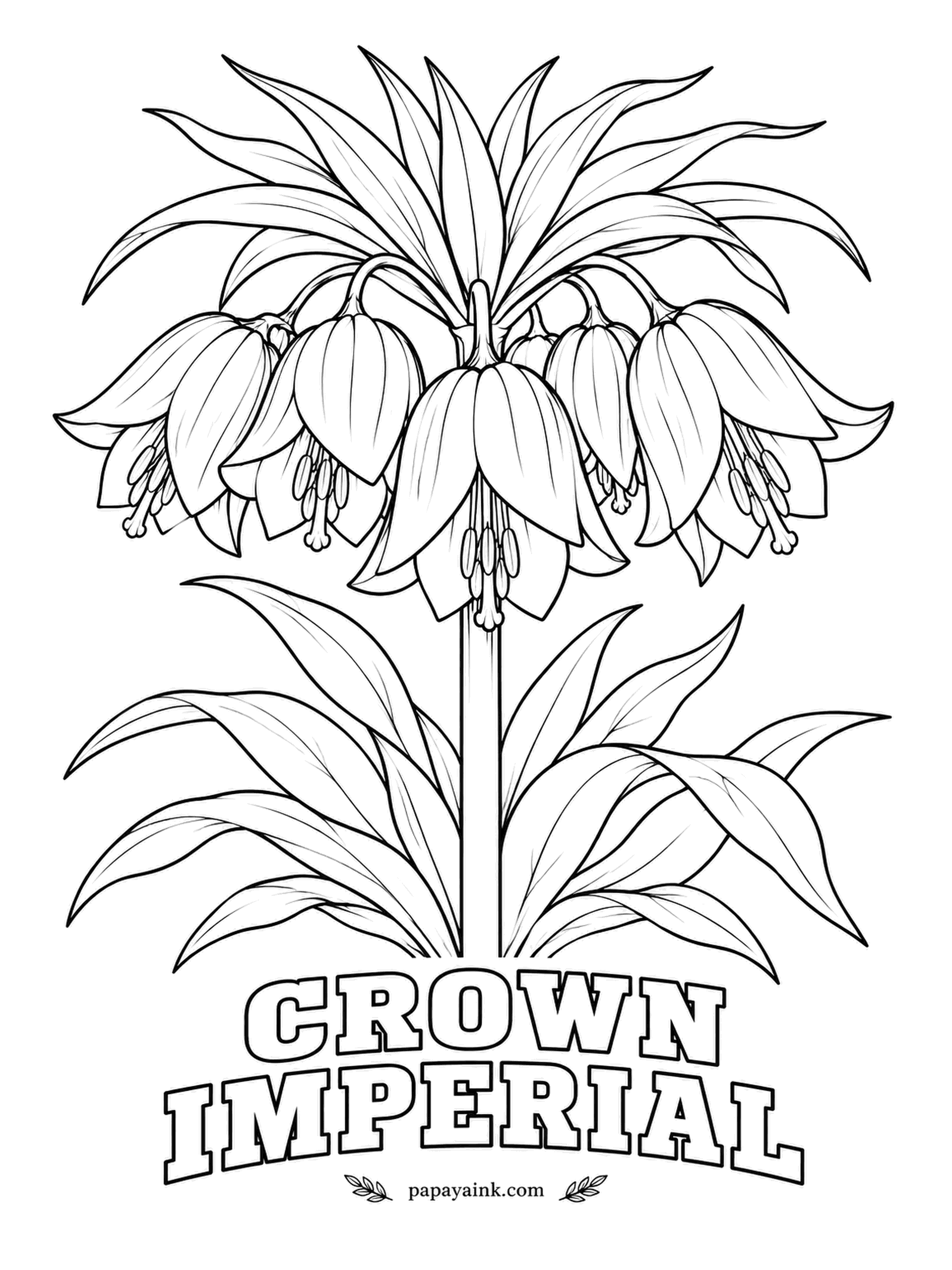
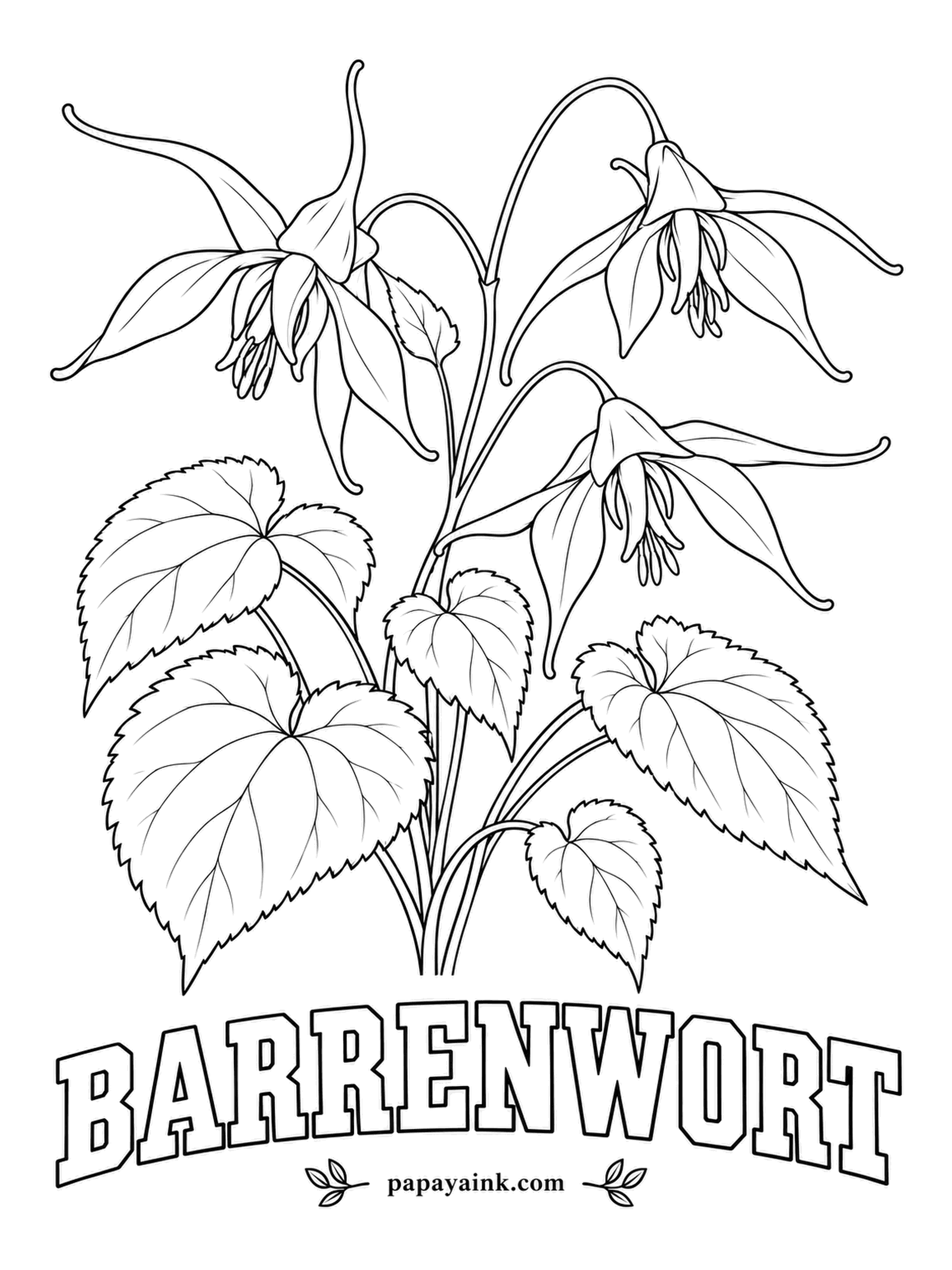
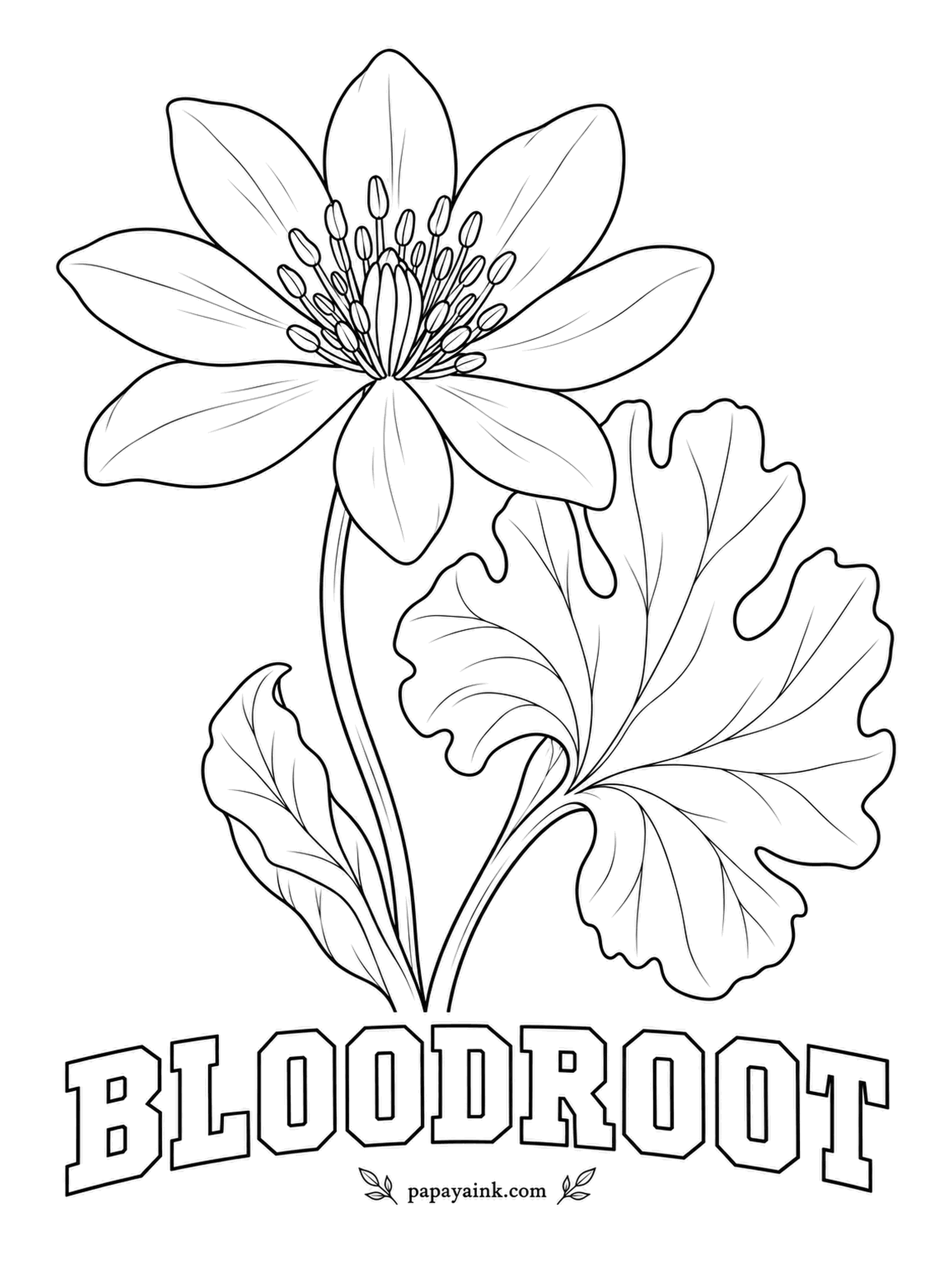
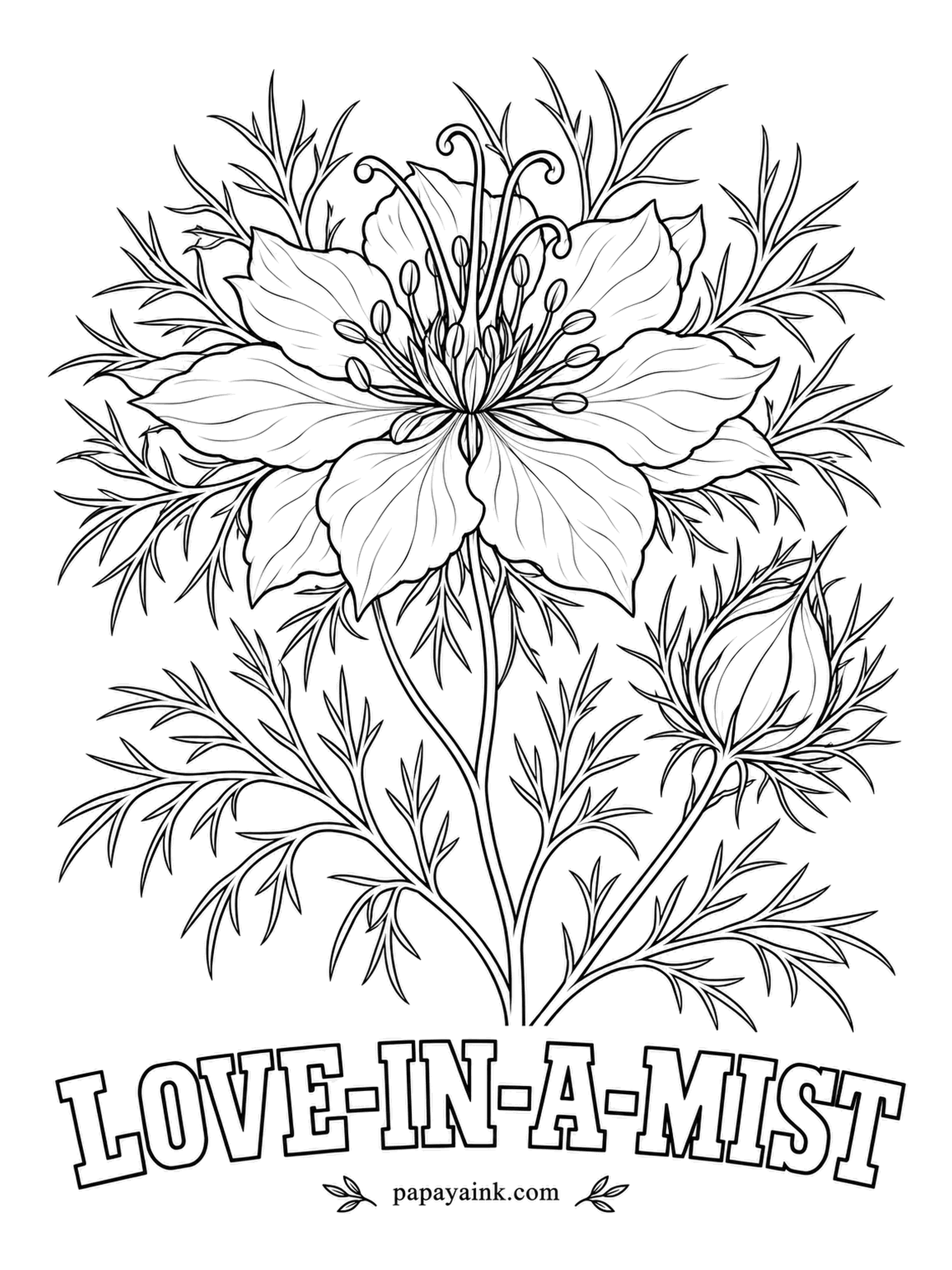
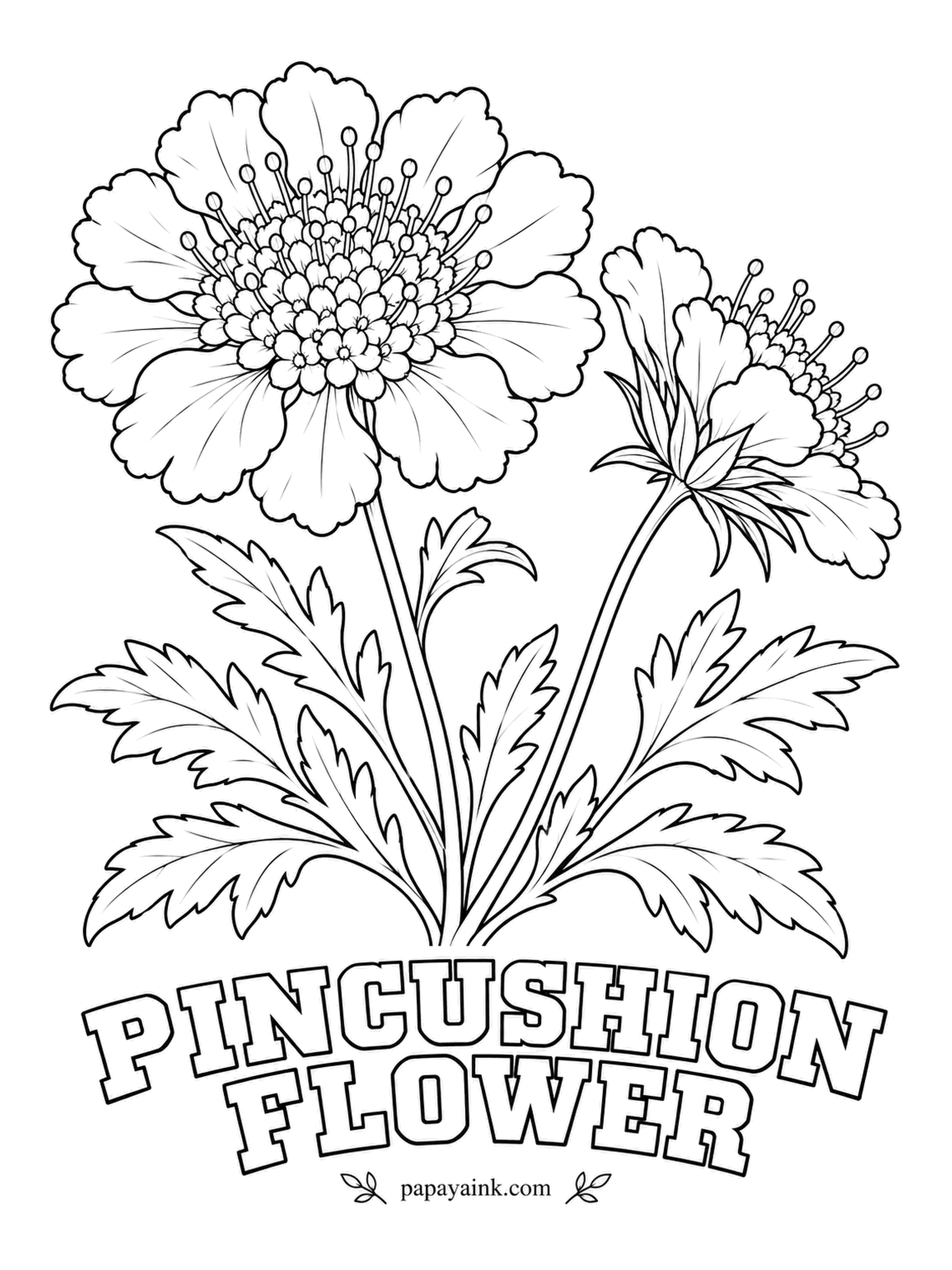
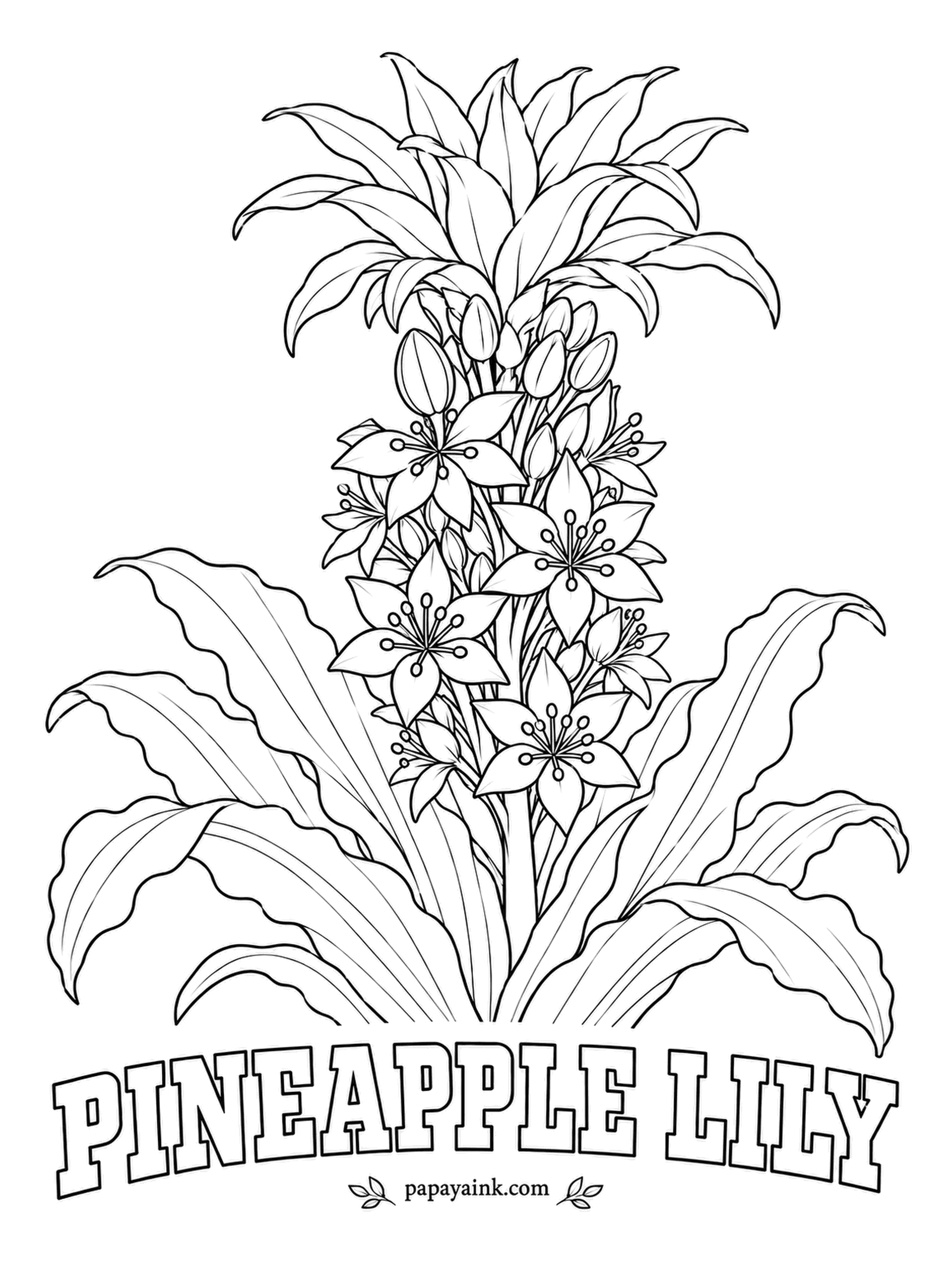
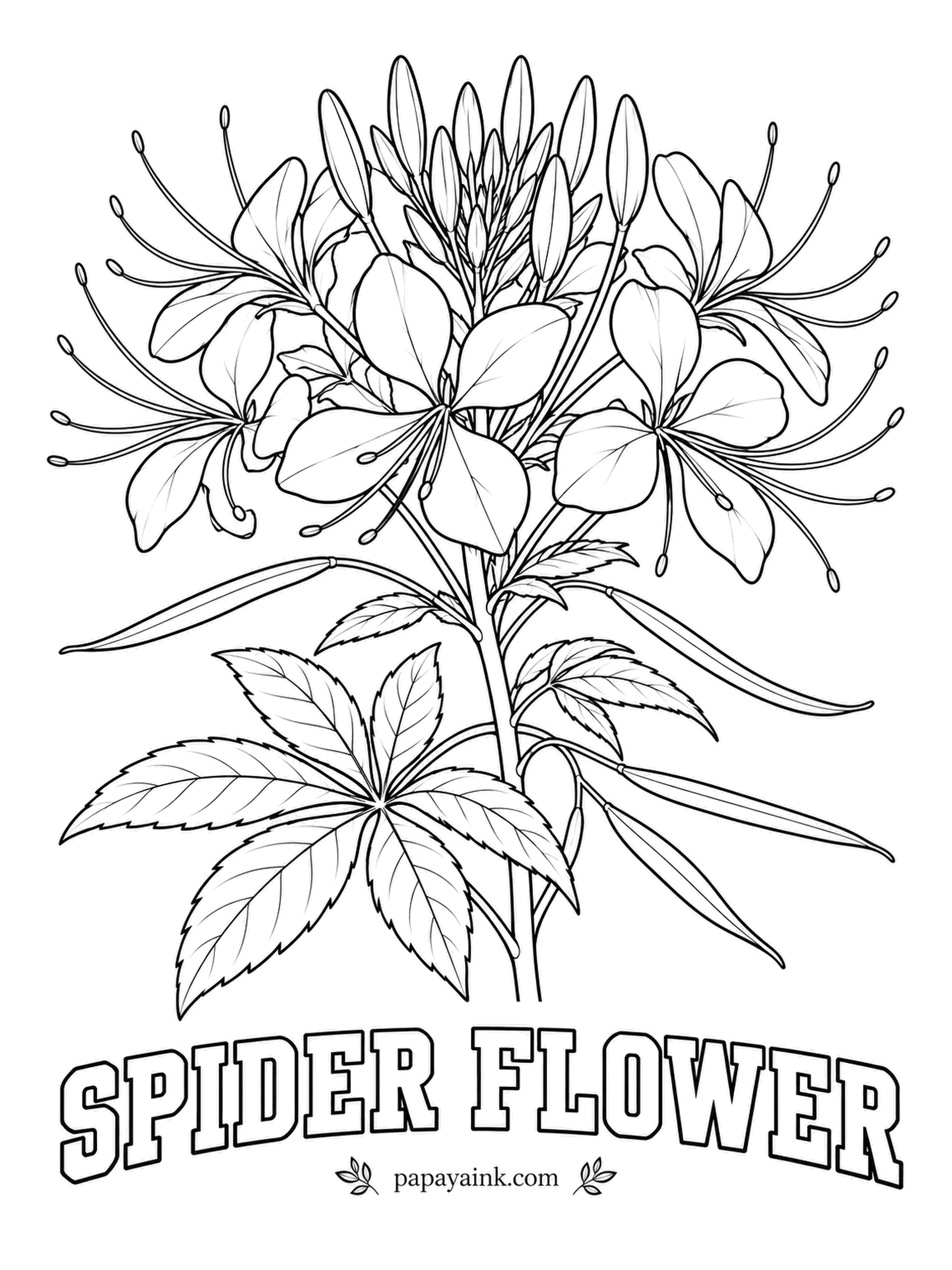
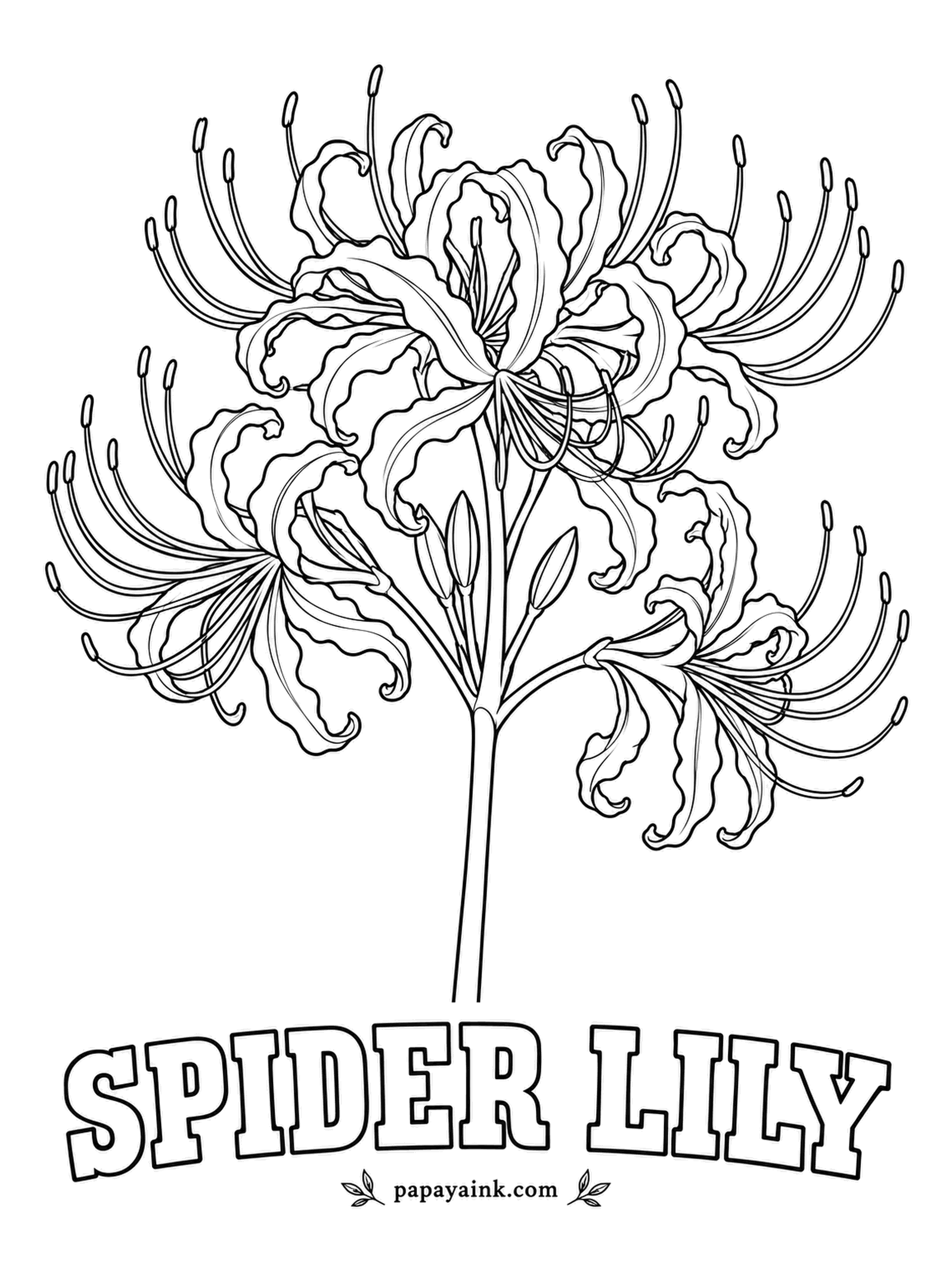
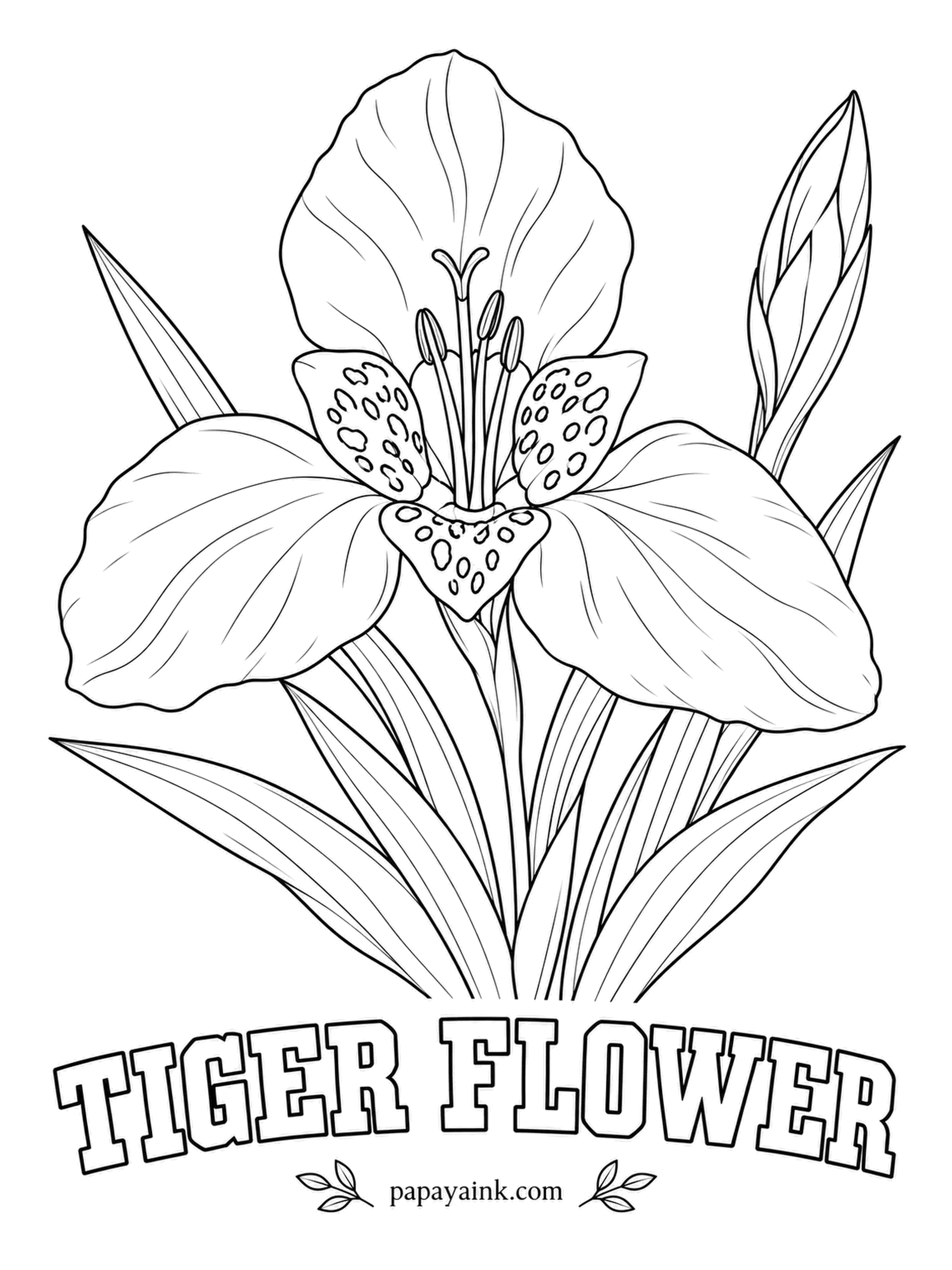
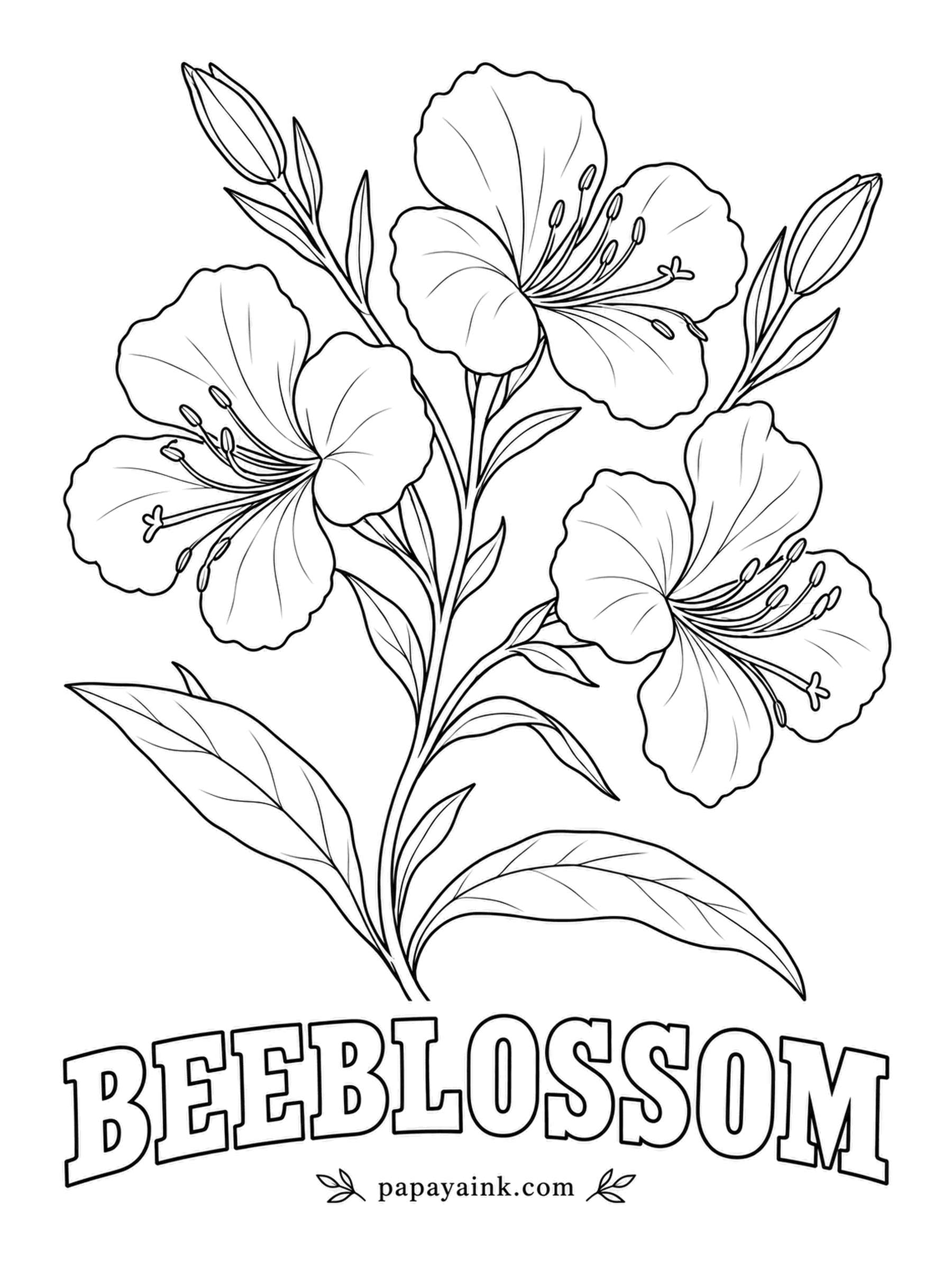
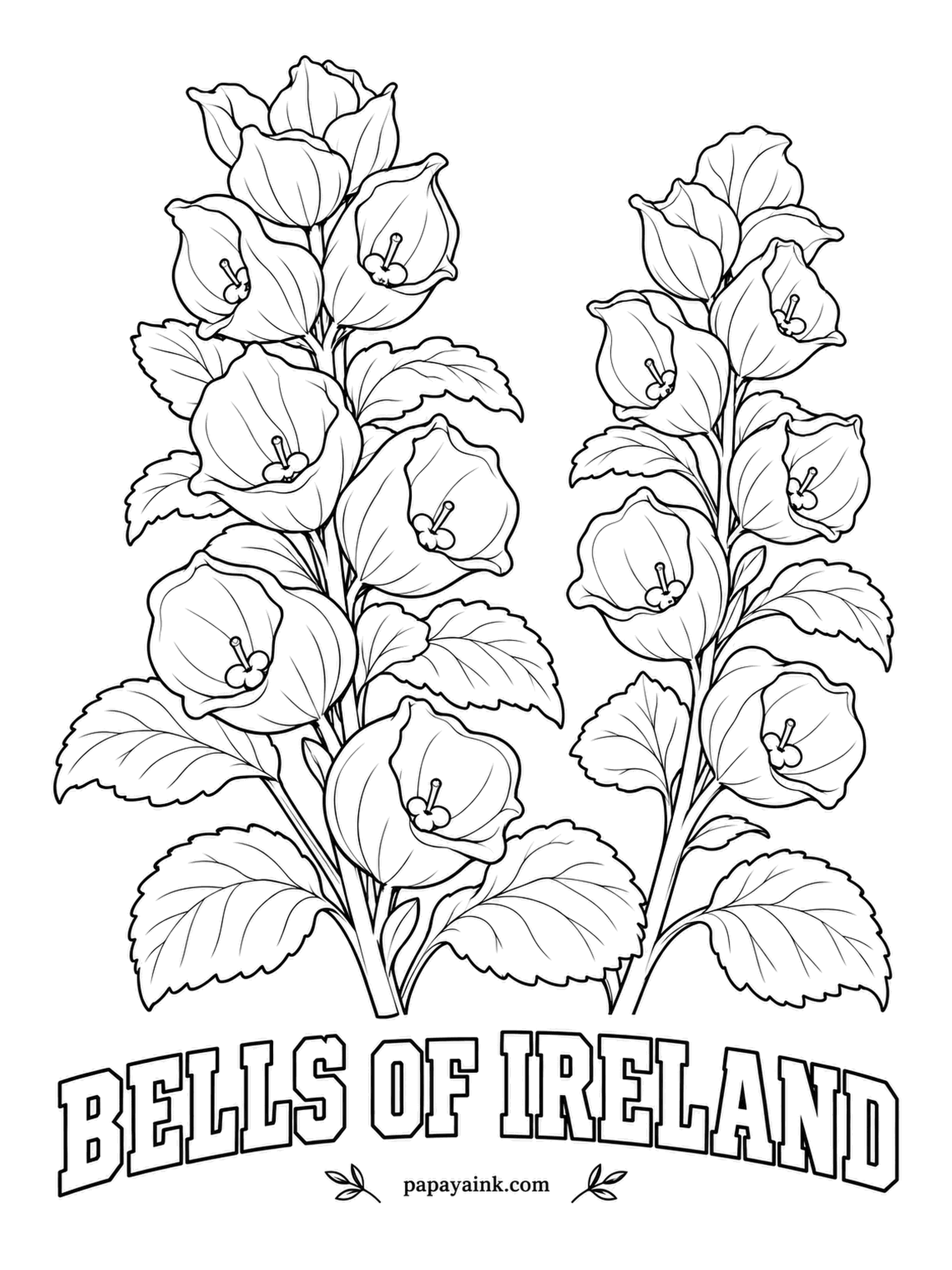
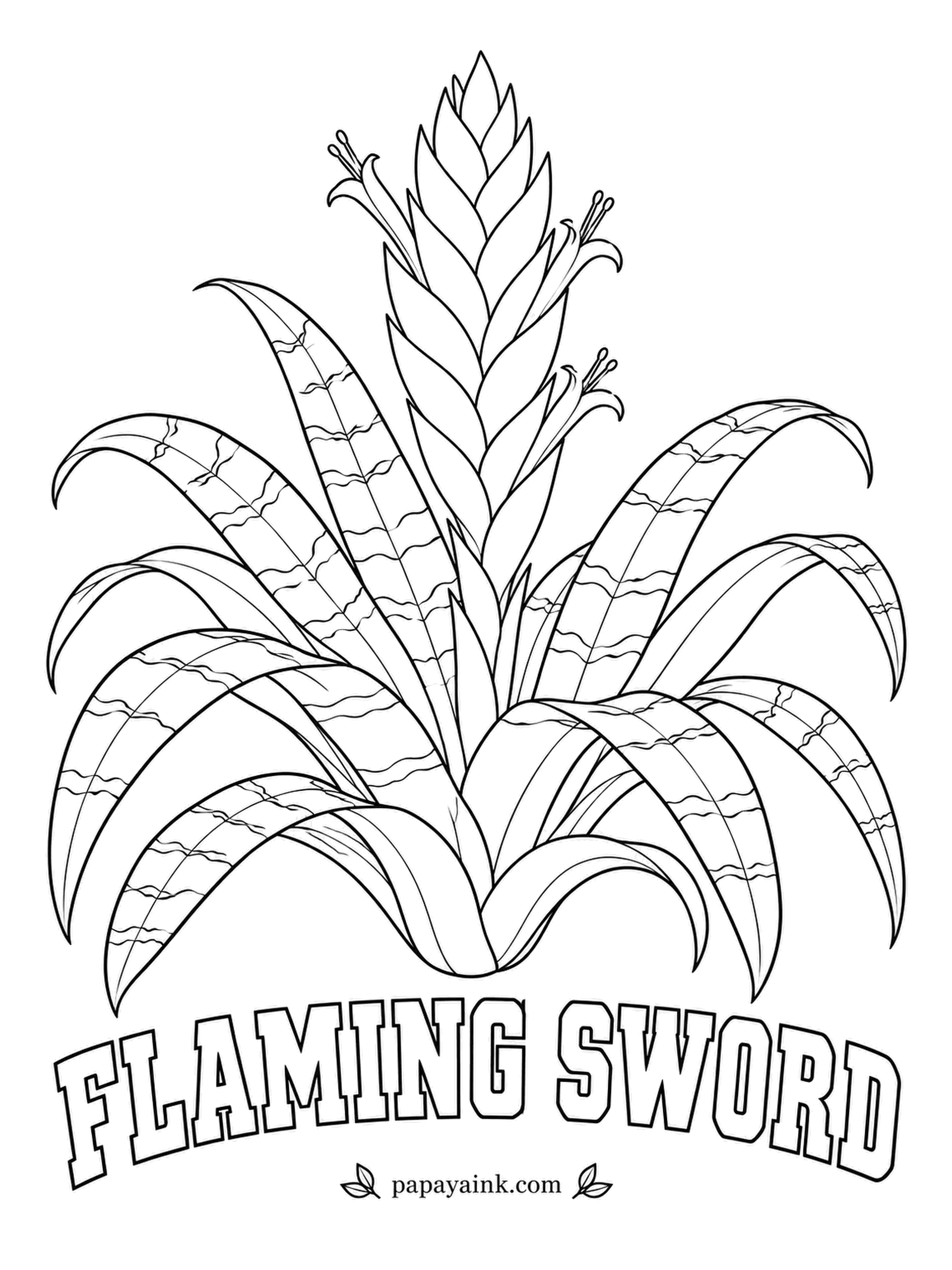
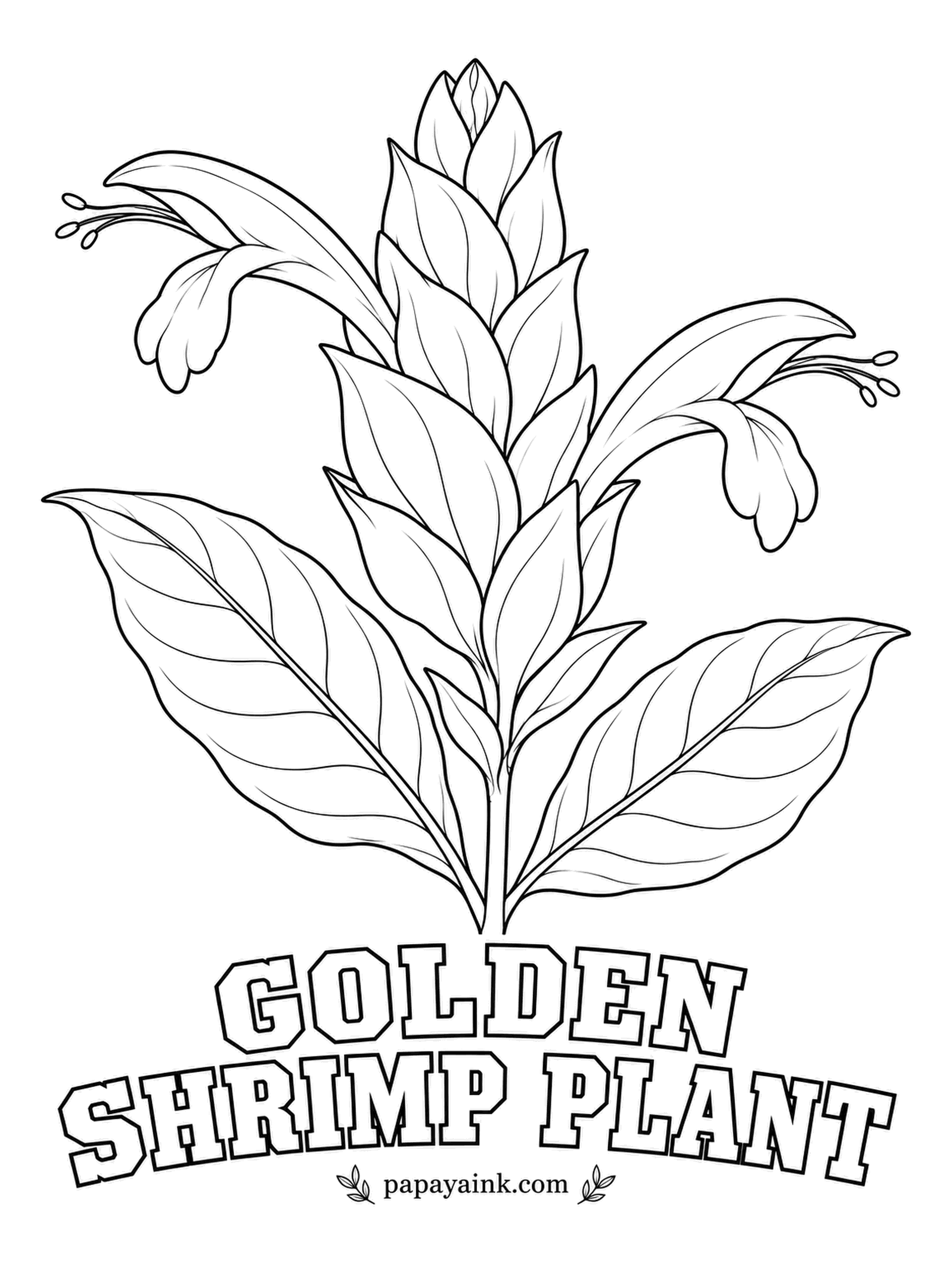
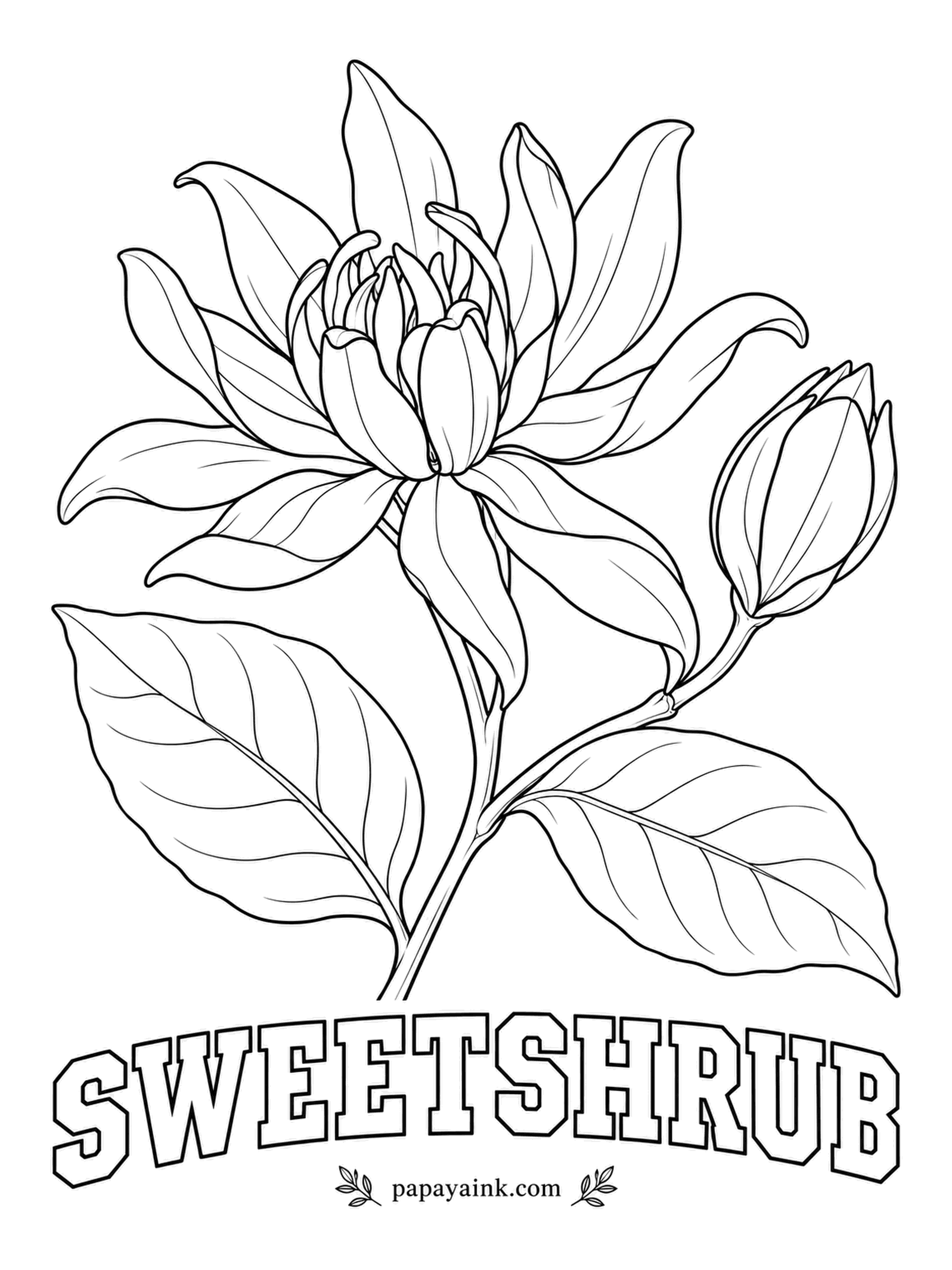
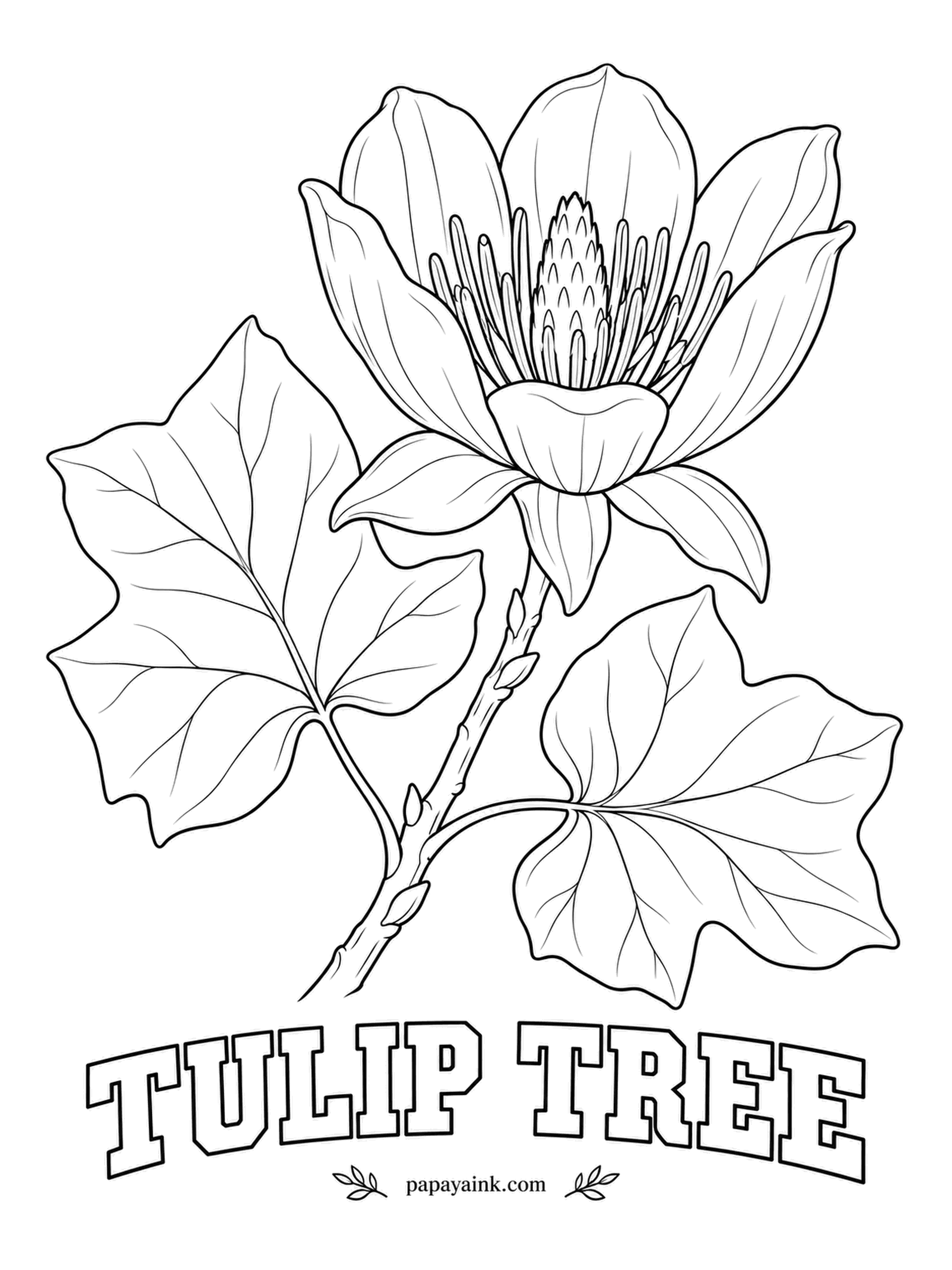
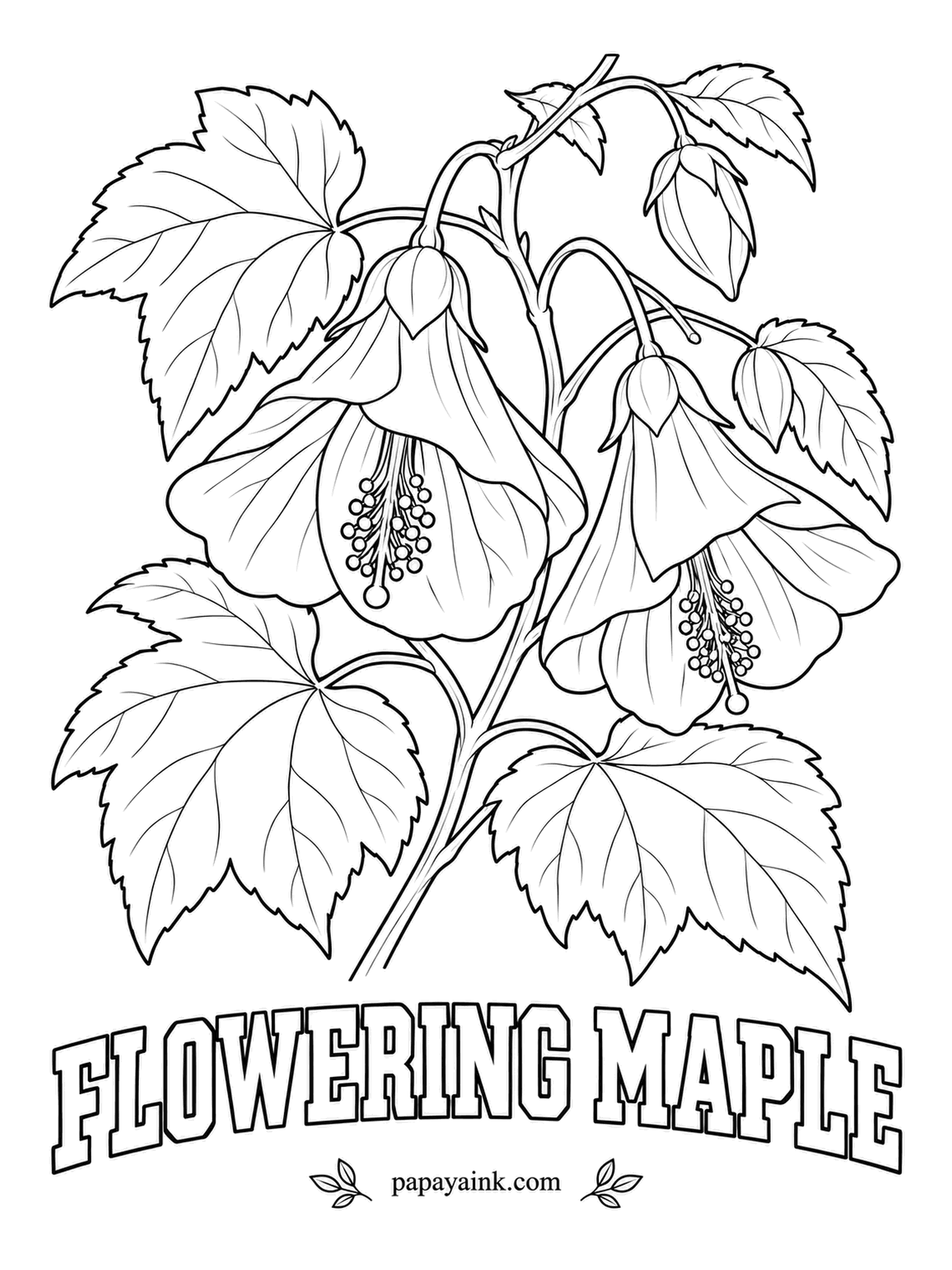
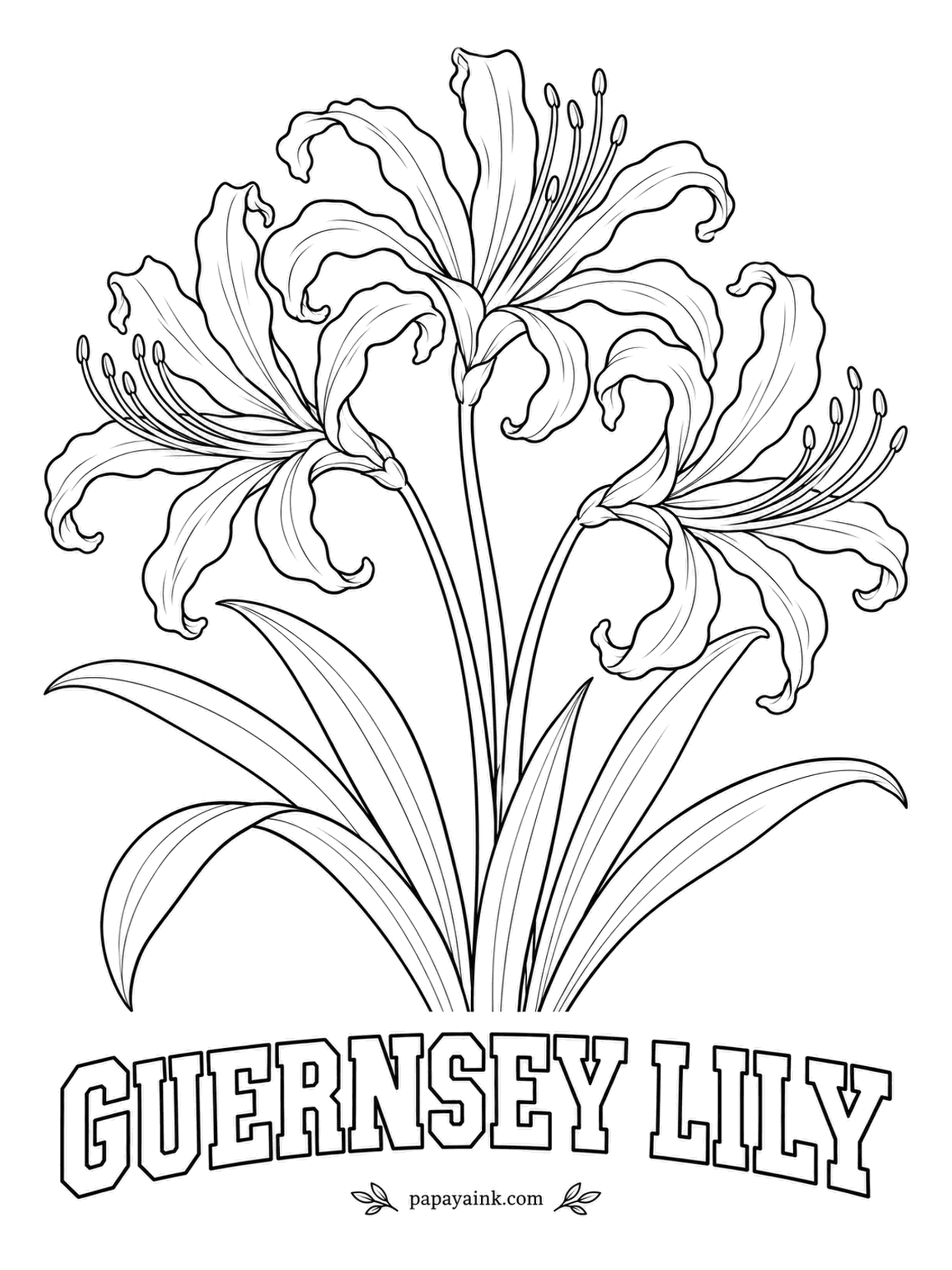
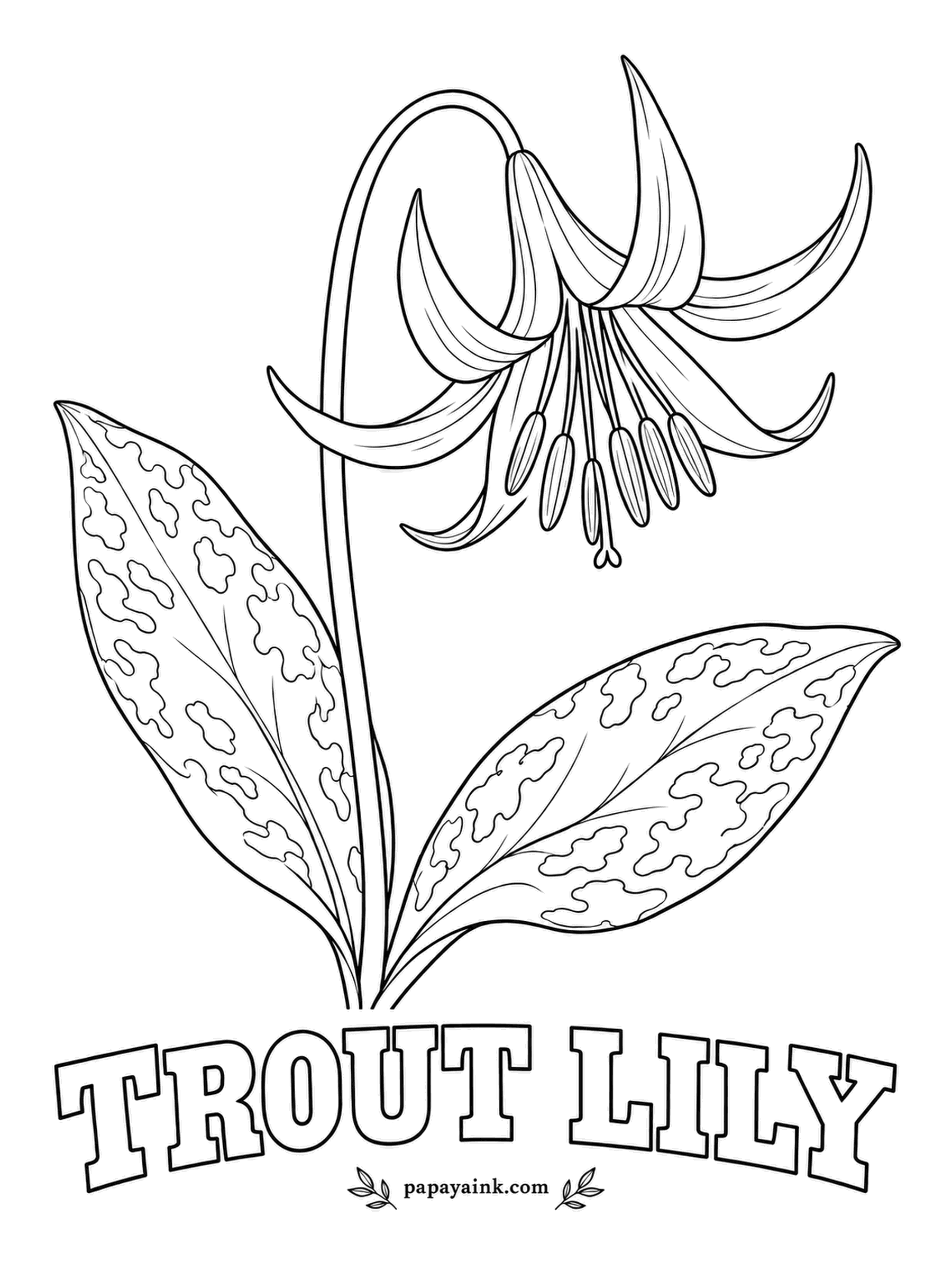
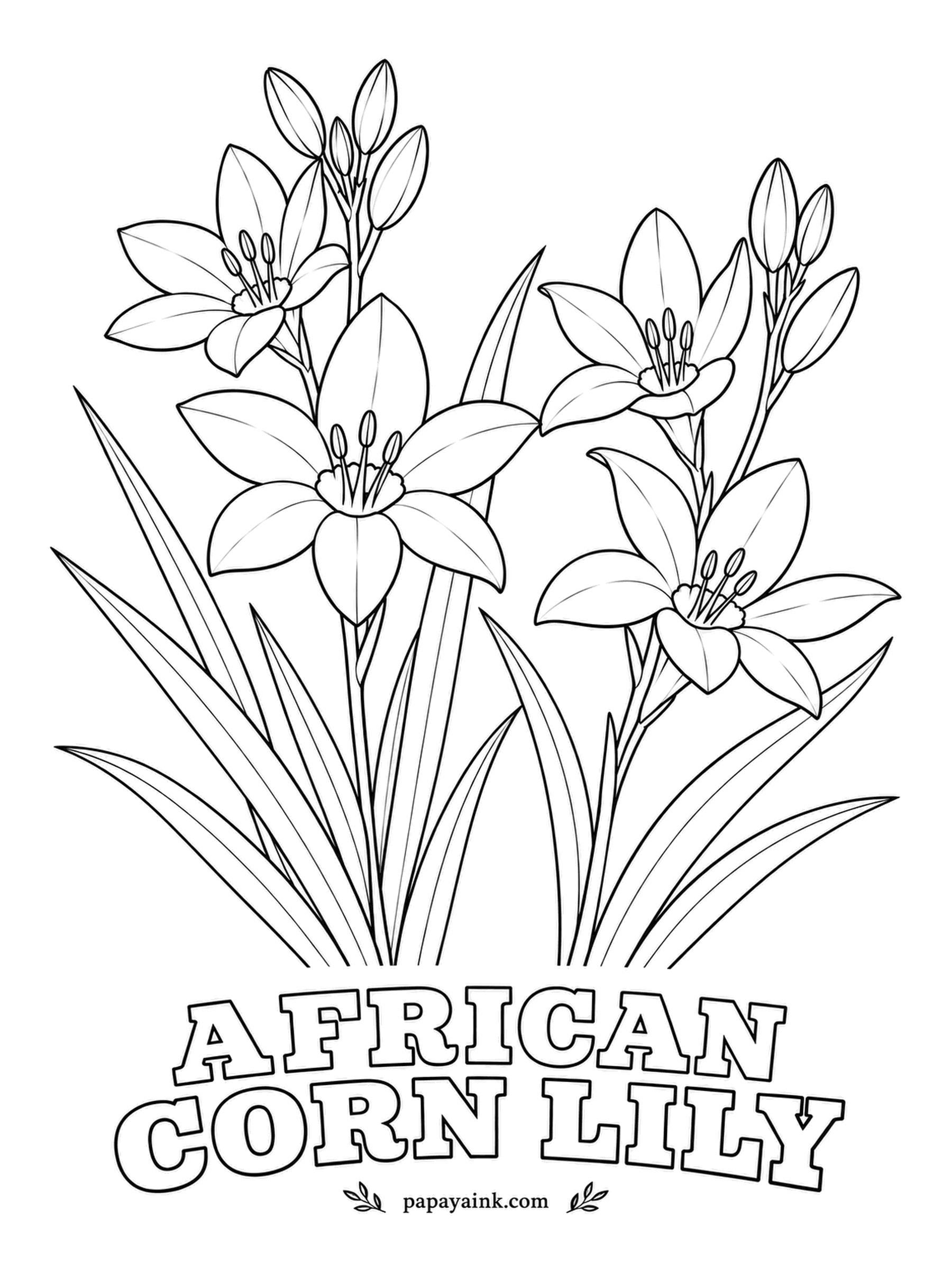
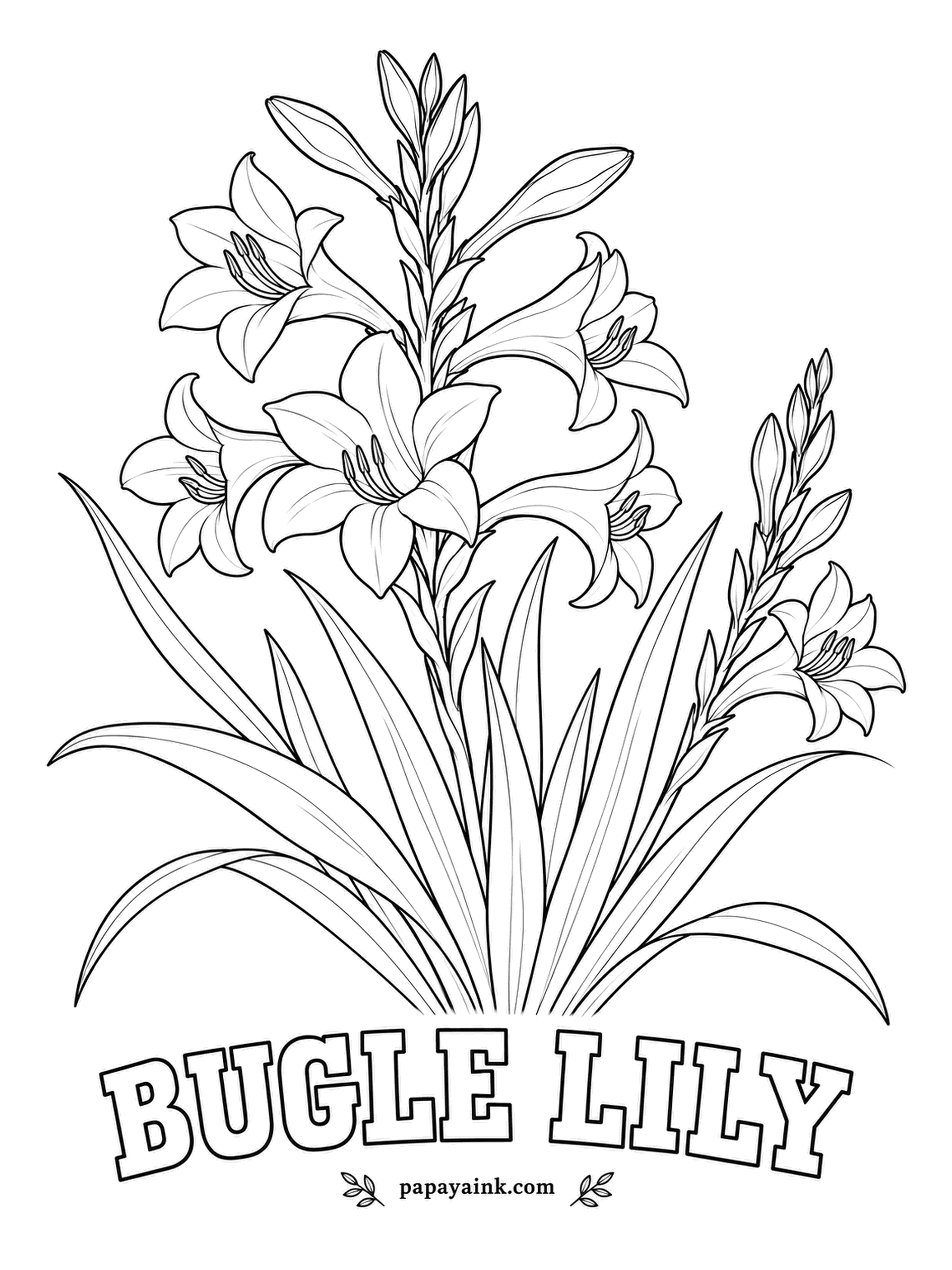
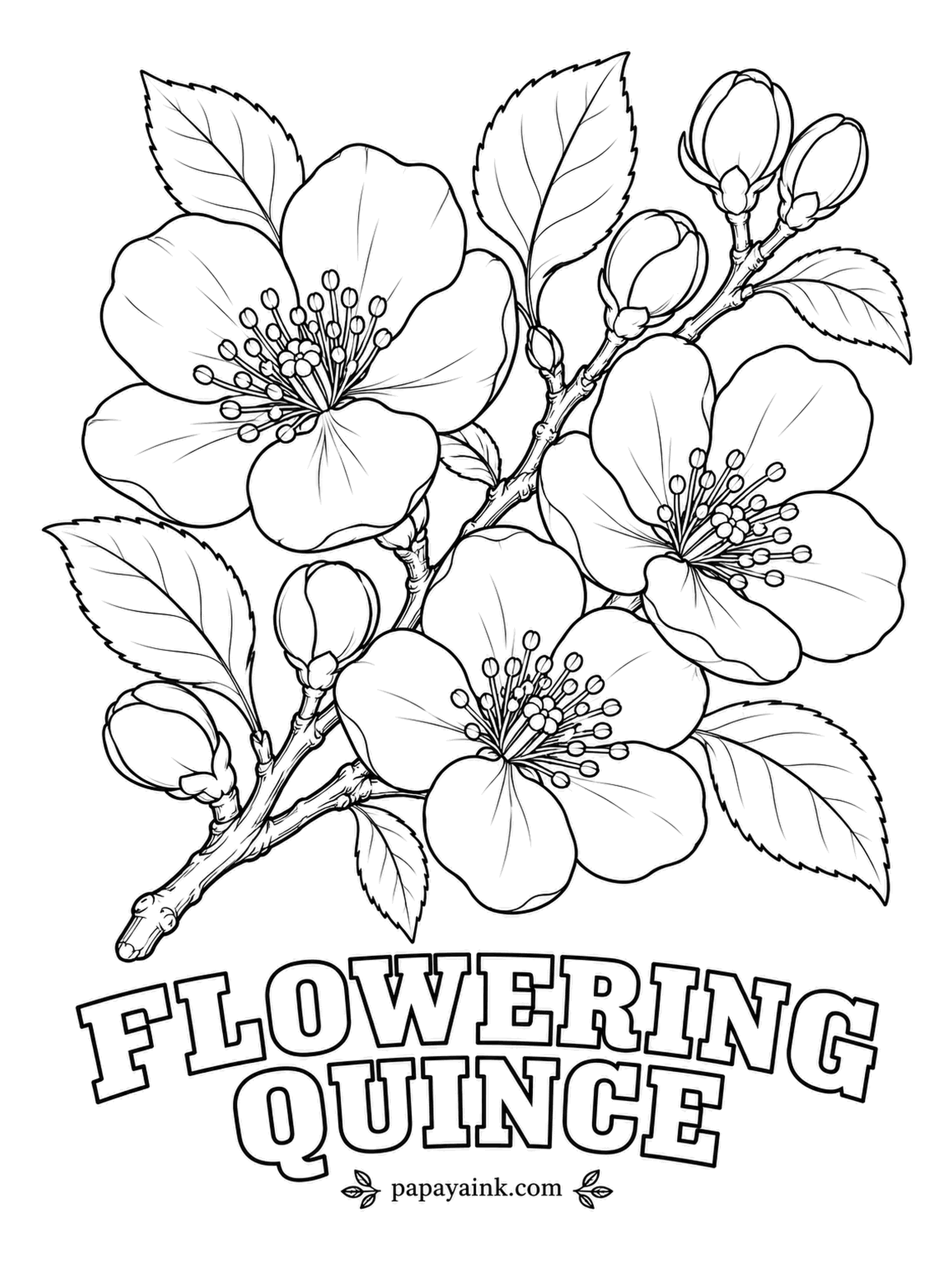
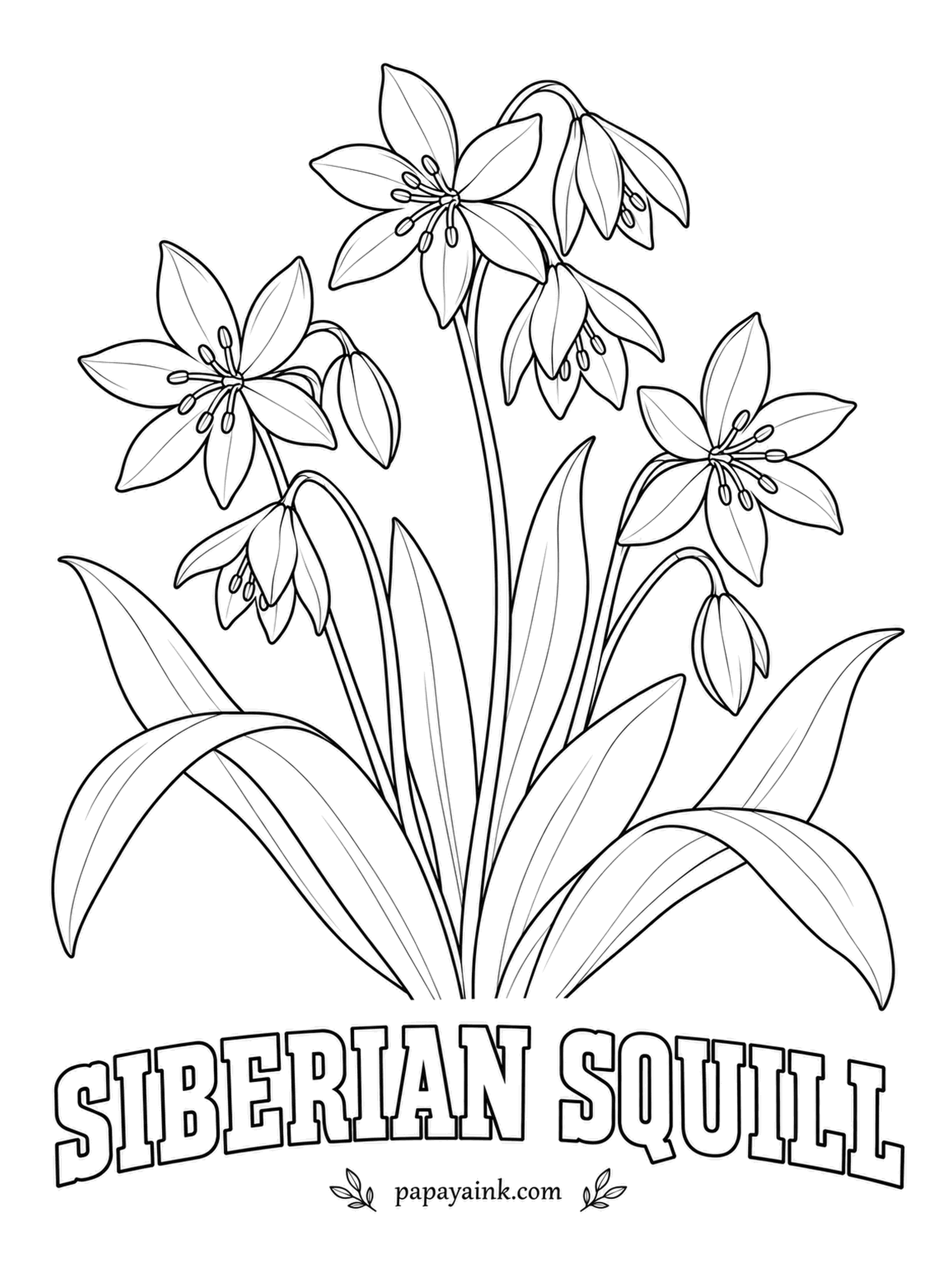
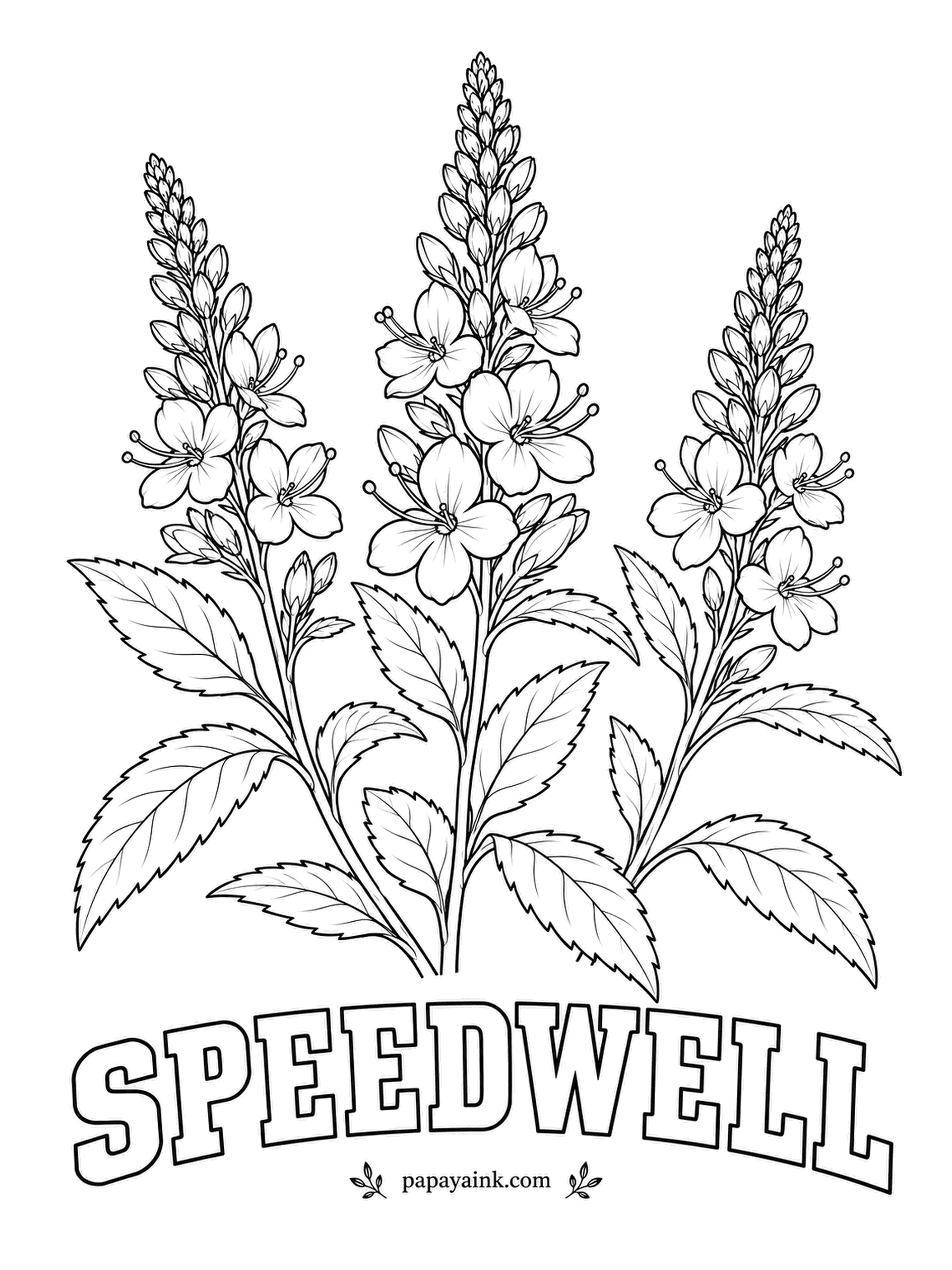
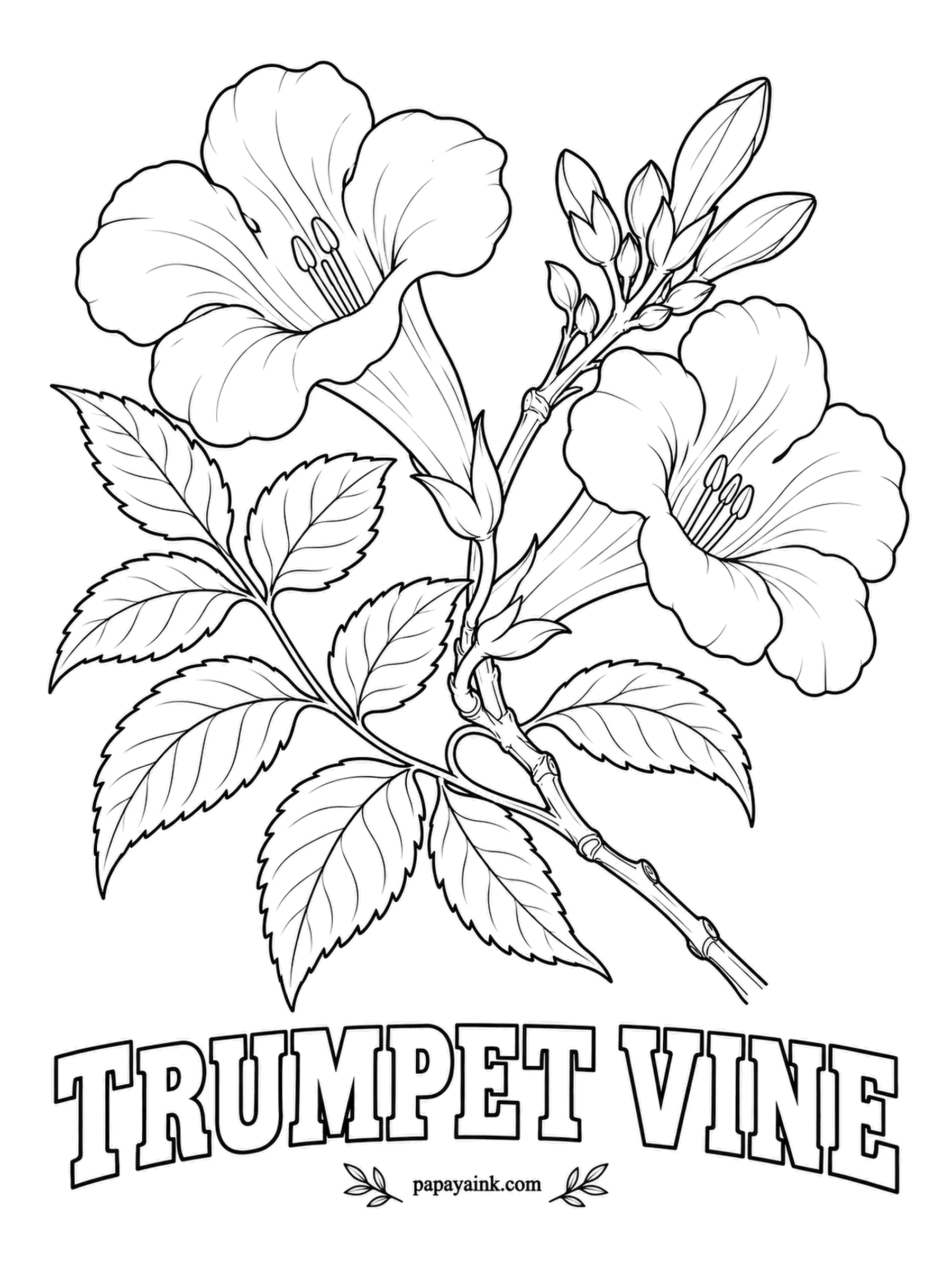
Roses and tulips have had their turn. This collection is for the flowers most people have walked past without ever learning the name: the woodland bloomers that open for a day or two in early spring, the oddballs with a nickname instead of a Latin label, the ones that look like they were designed by a committee of insects. Every sheet here is a botanical portrait of one real plant, drawn from its true shape – the spurs, hoods, ruffs and spotted throats are all accurate – with the common name lettered along the bottom so you learn it while you color.
Click any card and the sheet opens as a PDF in a new tab, ready to print on US Letter paper; it fits A4 without cropping. The line work is clean and medium-weight, with plenty of open petal space for beginners and enough stamens, veins and bracts to keep an experienced colorist busy. There is nothing to sign up for.
The fun of these flowers is that most of them have a true color you probably do not know, so each caption below tells you what the real plant looks like. Follow it for a botanical page, or ignore it entirely – the true shade is accurate, the invented one is yours. Colored pencils handle the fine stamens best; markers are great for the big petals and the leafy backgrounds. If you want a pressed-flower look, color the bloom only and leave the leaves in plain line.
Show me
Showing only black & white pages.
Showing only pages with a color sample. 98 other pages are hidden.
No black & white pages here yet – showing everything.
No pages with a color sample here yet – showing everything.






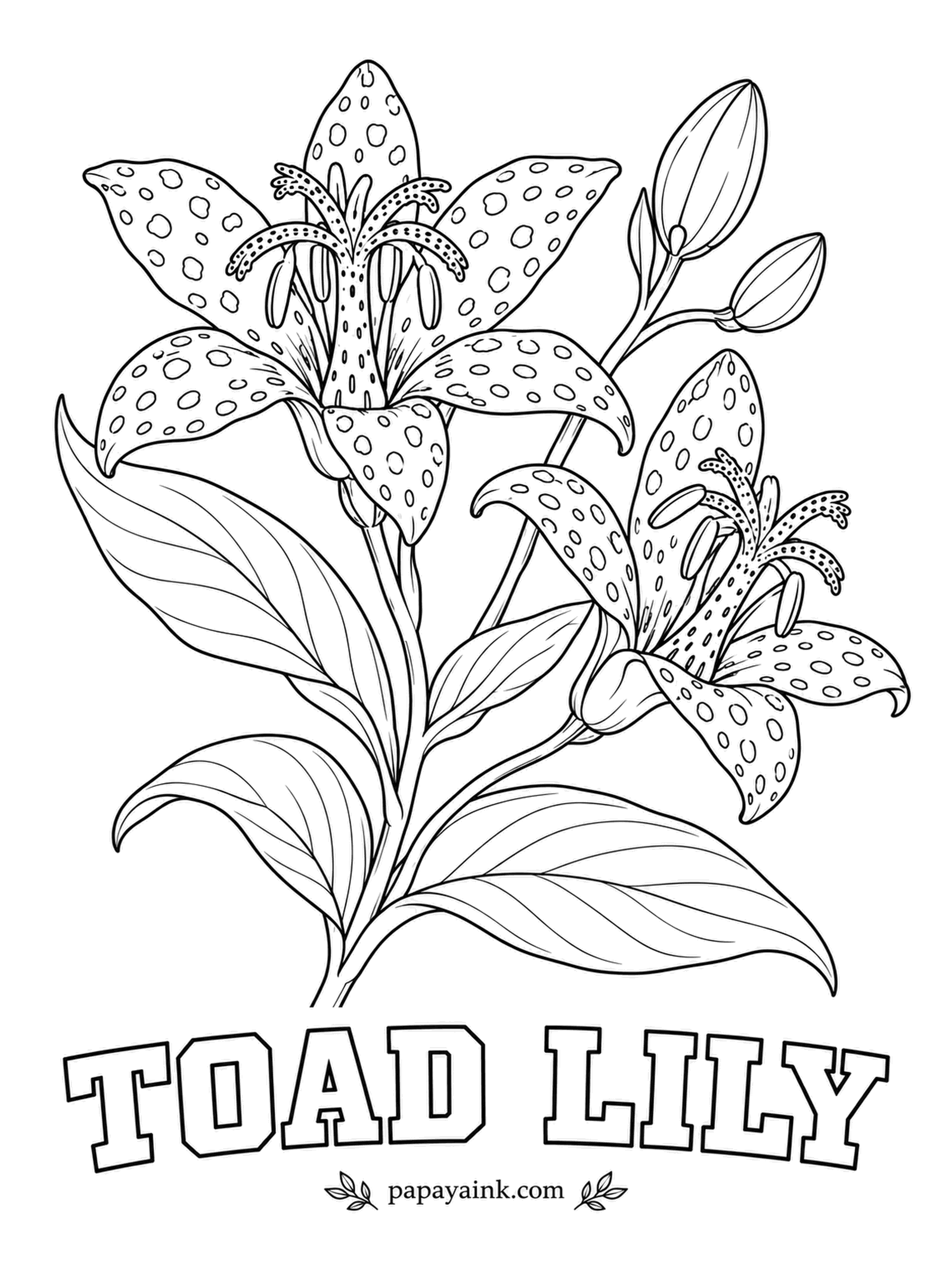

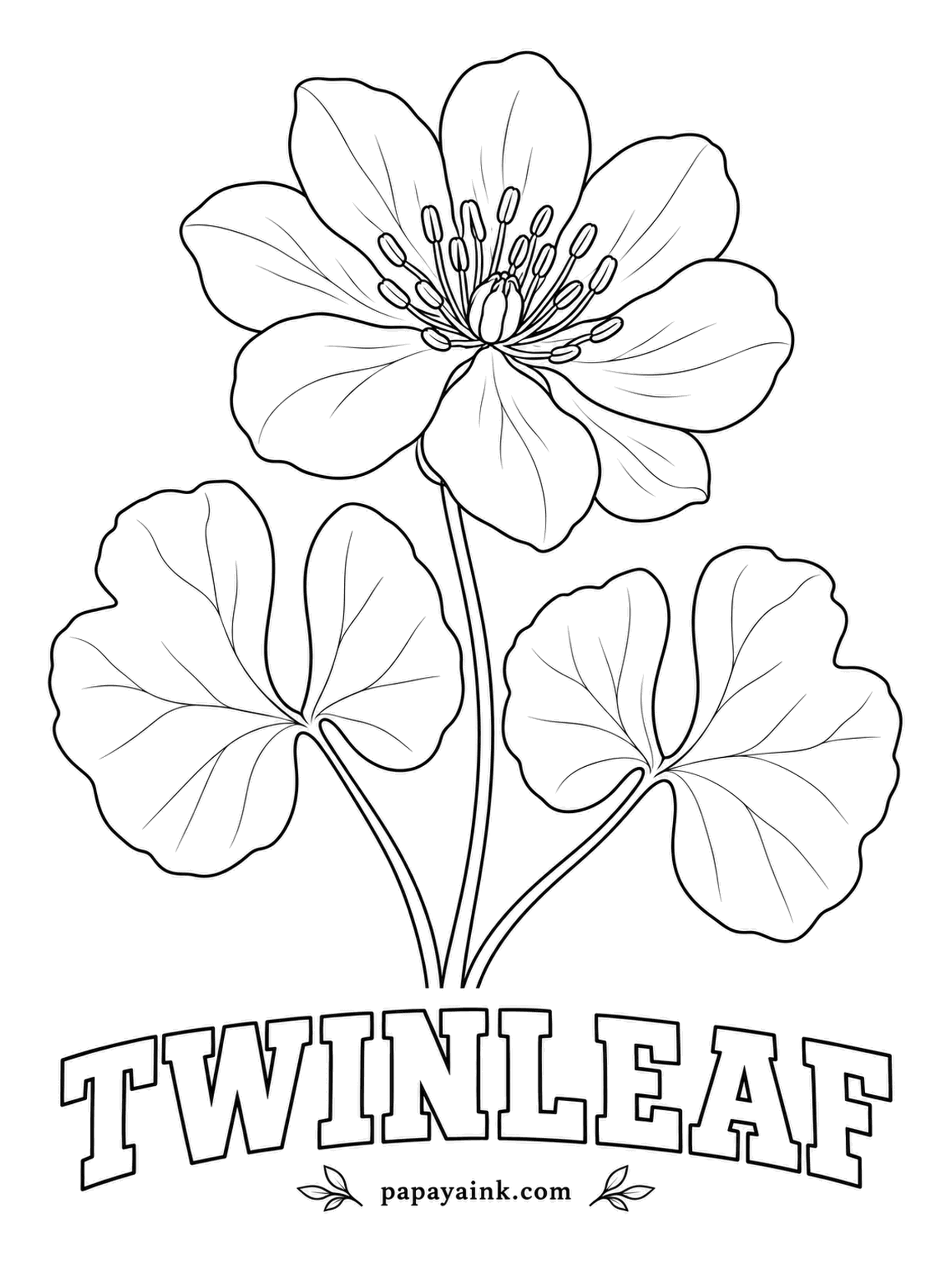

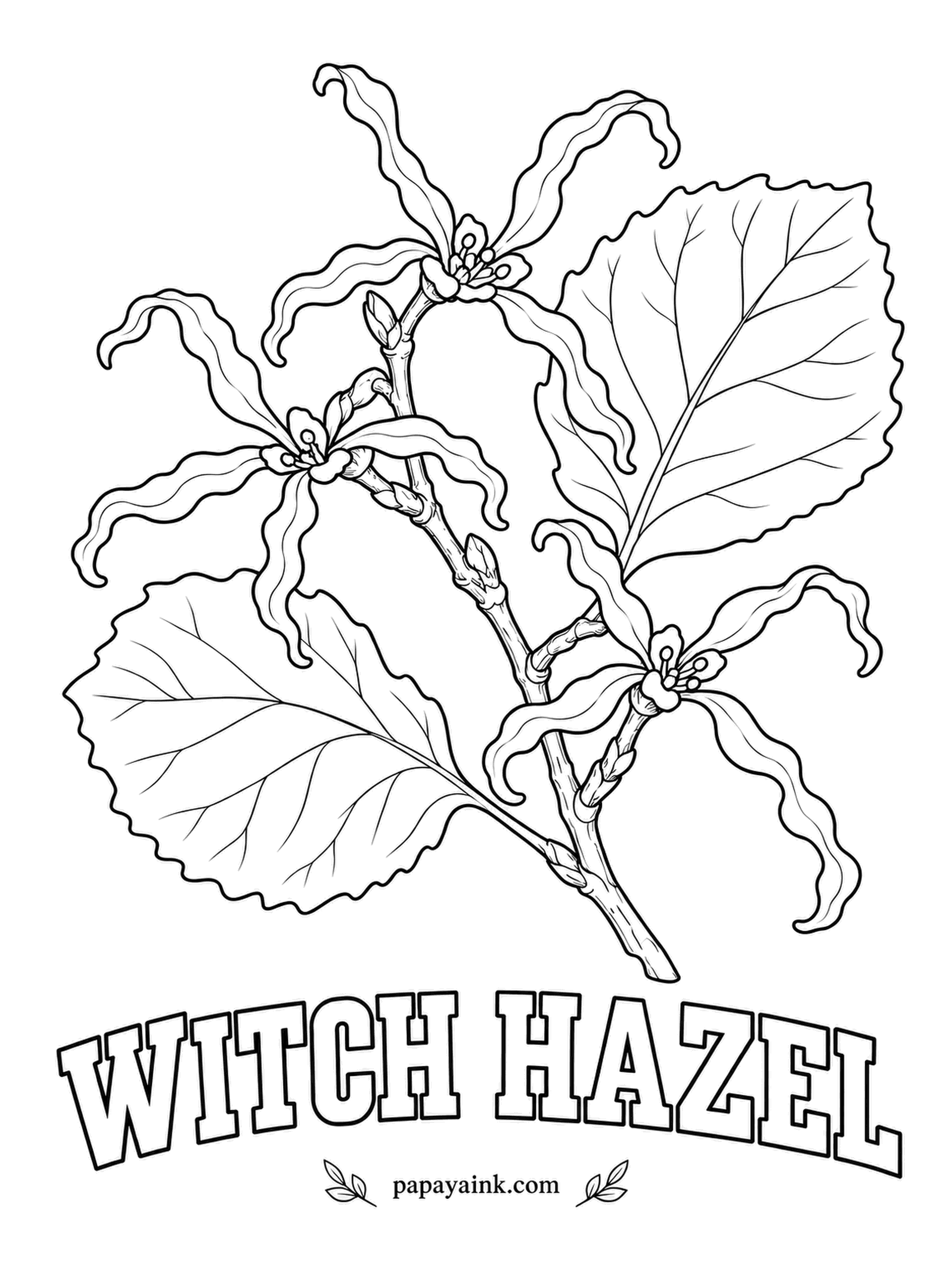
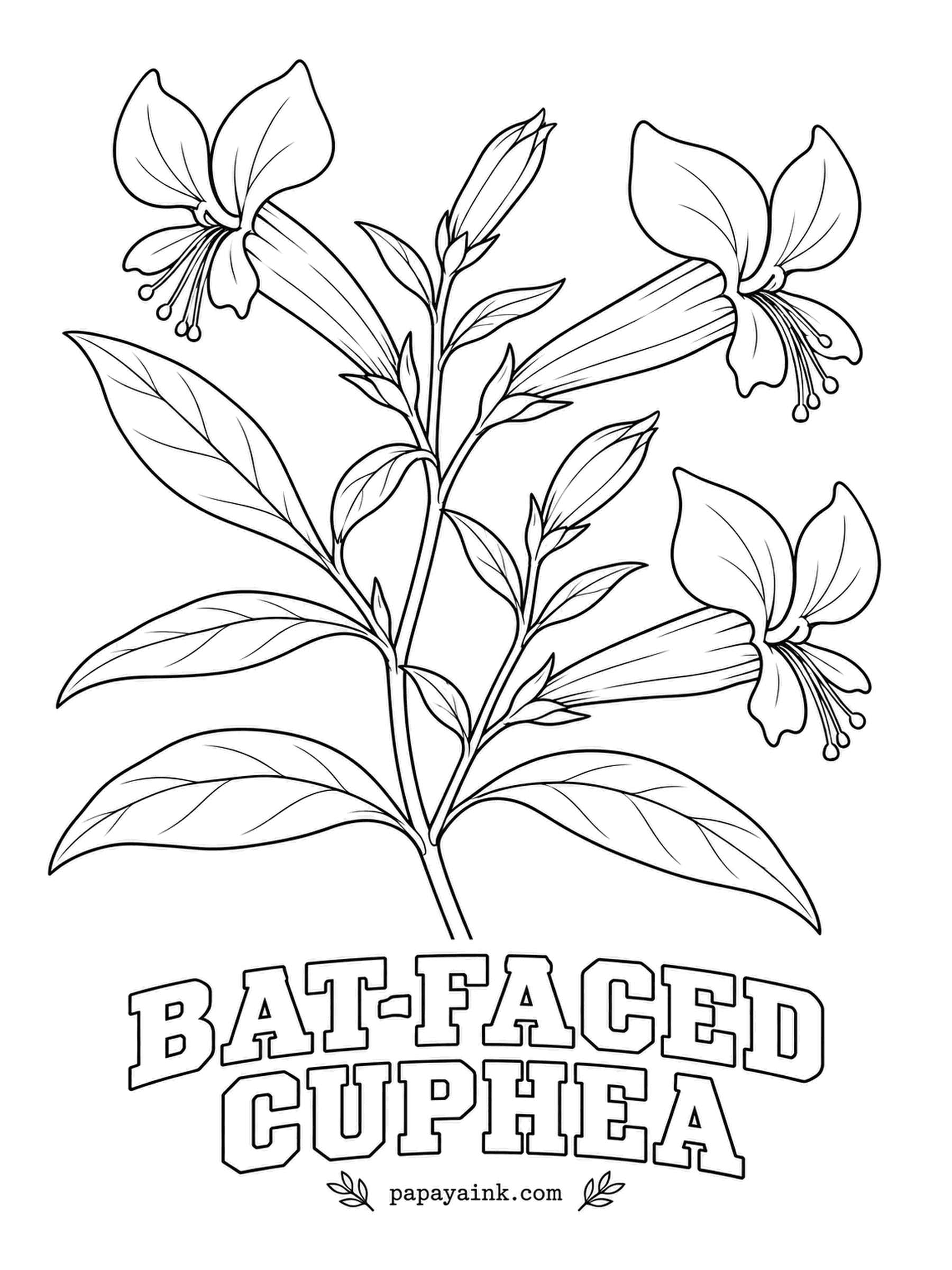


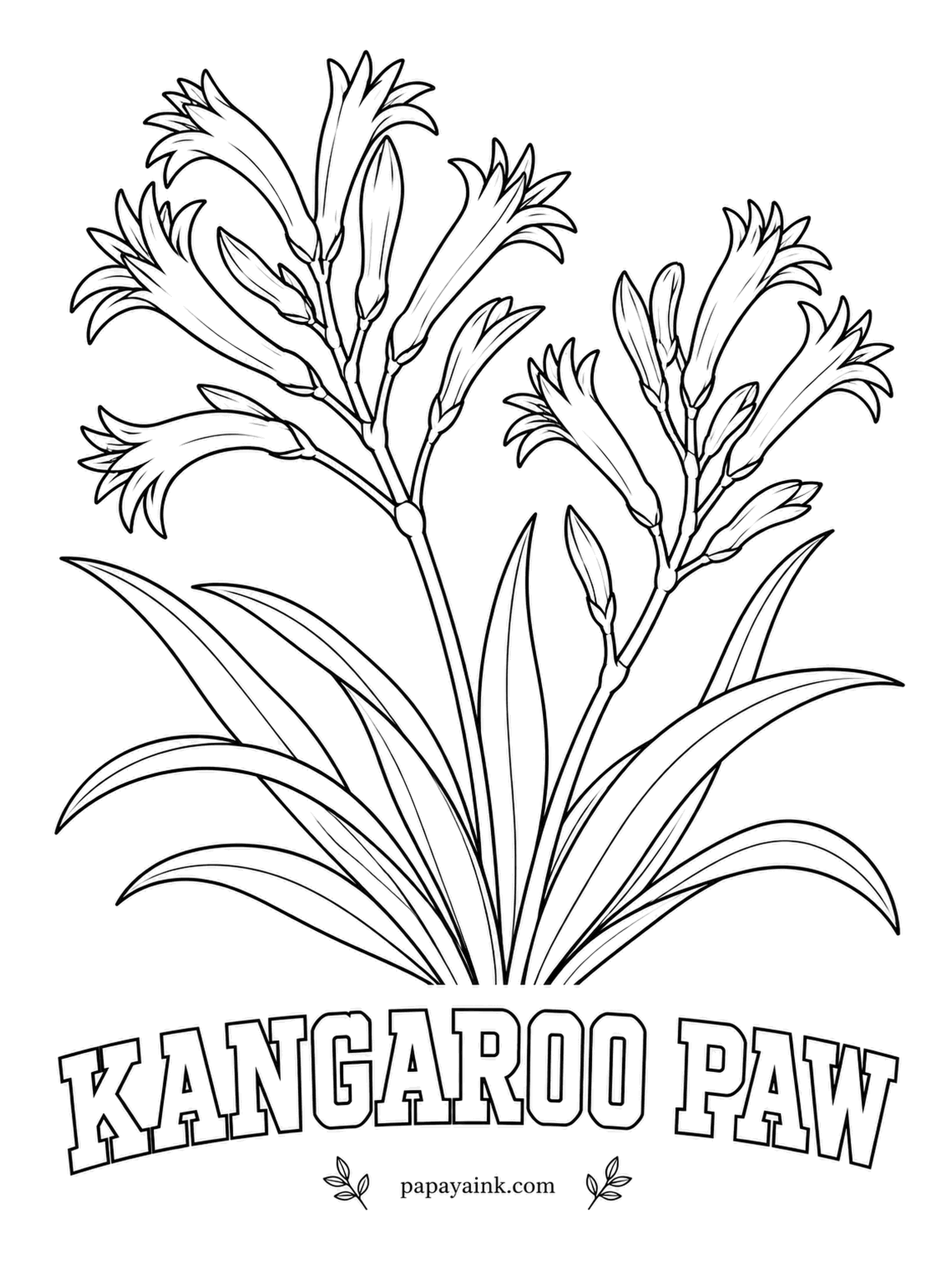
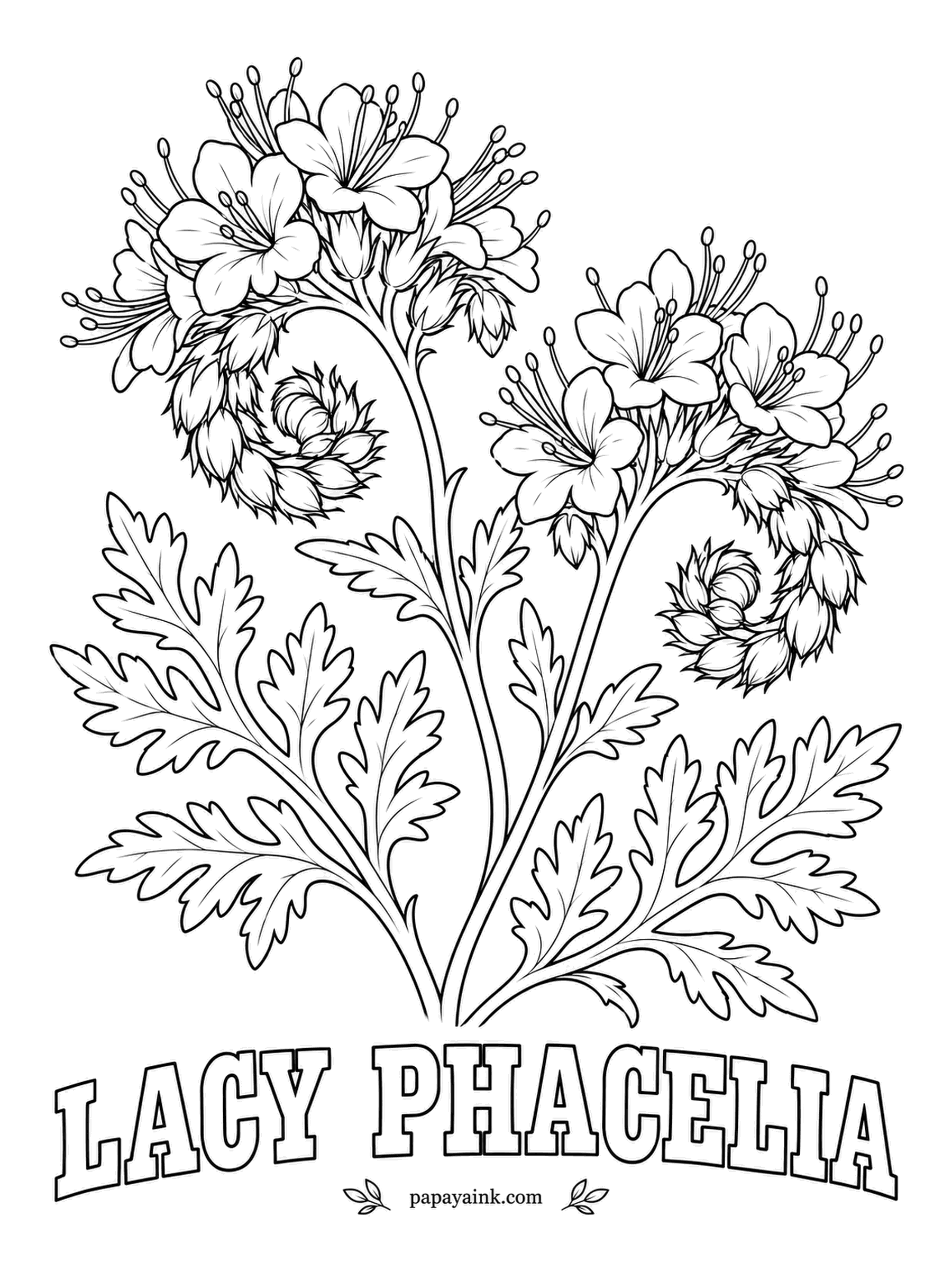


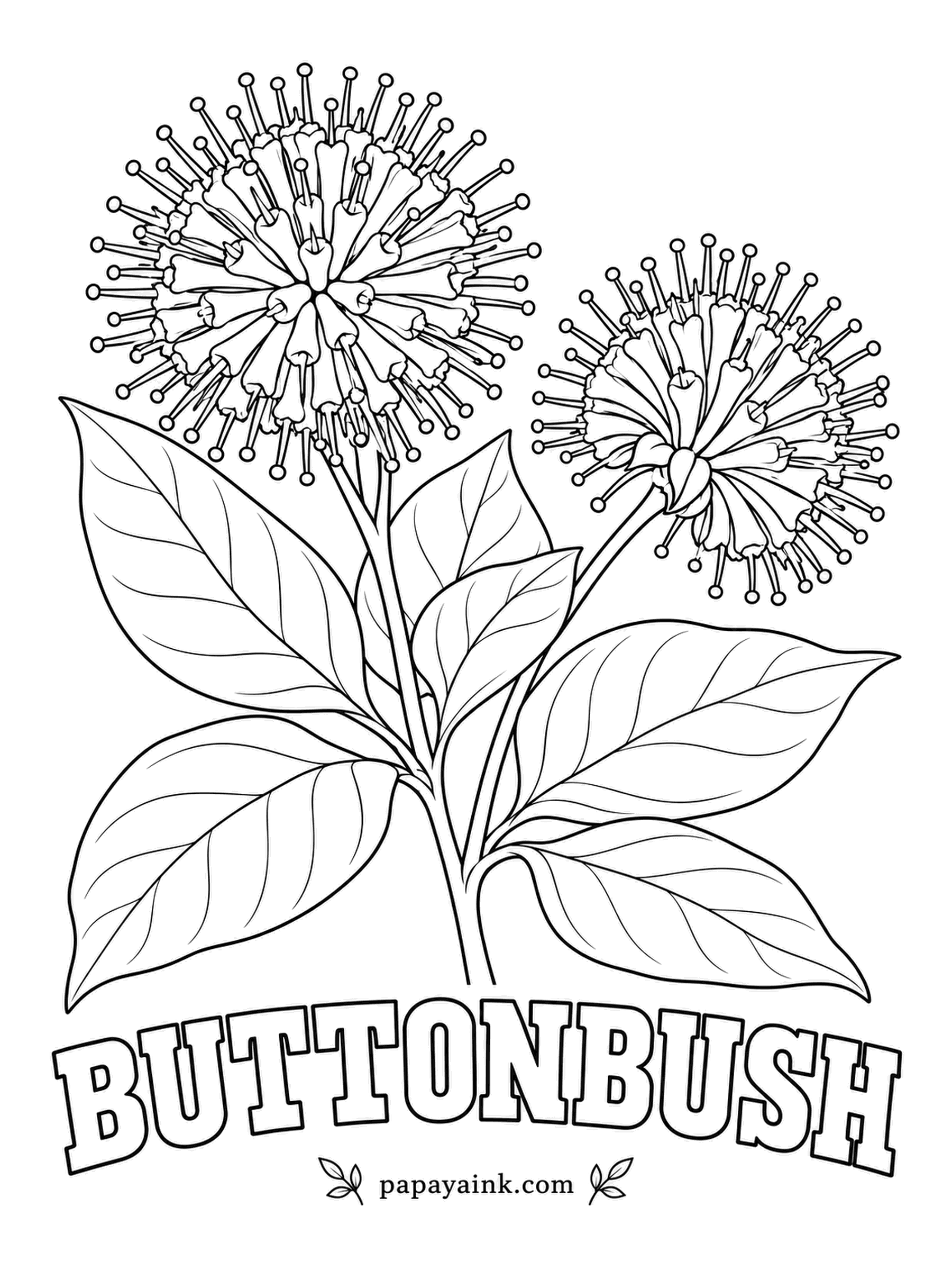


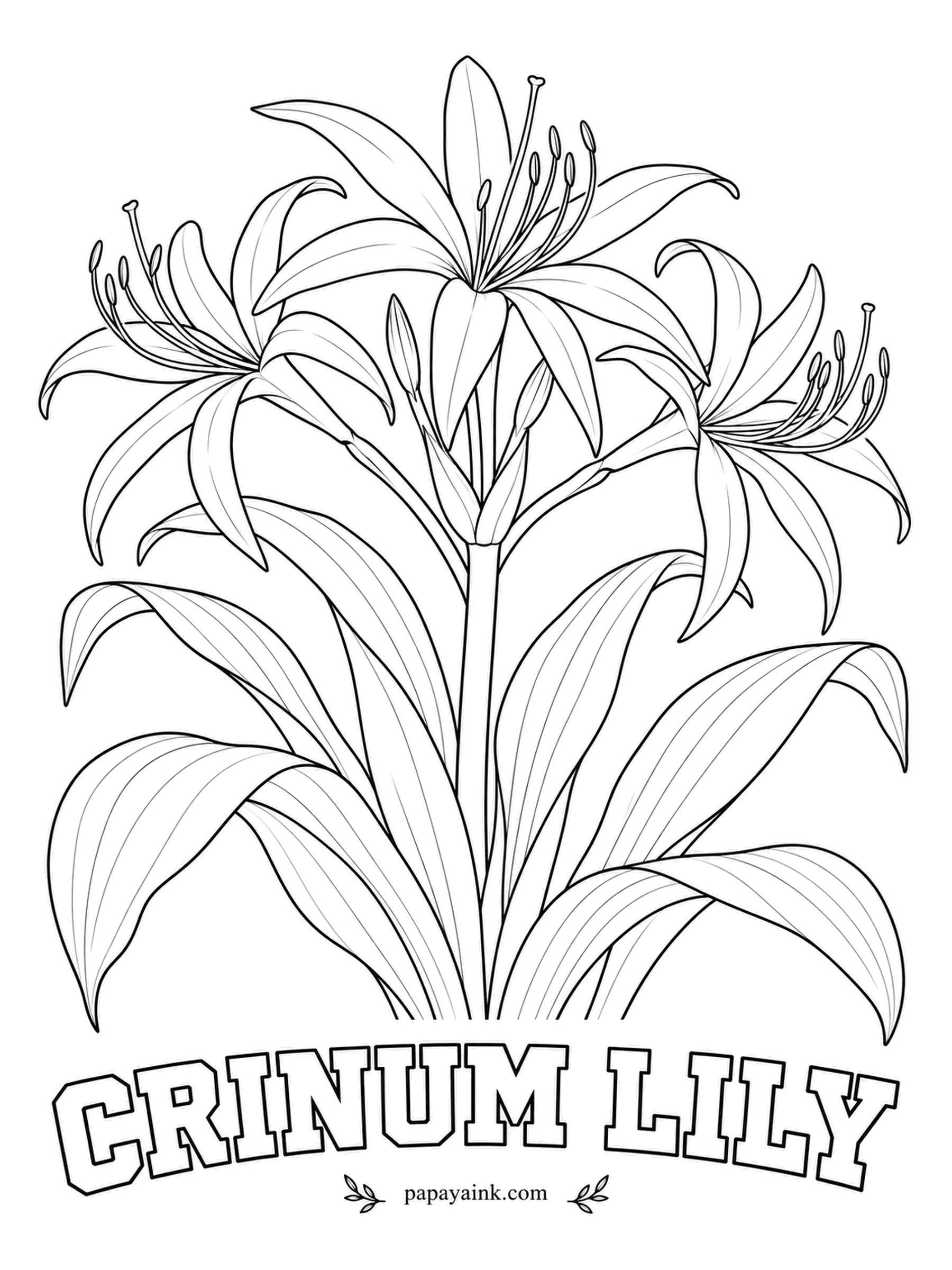






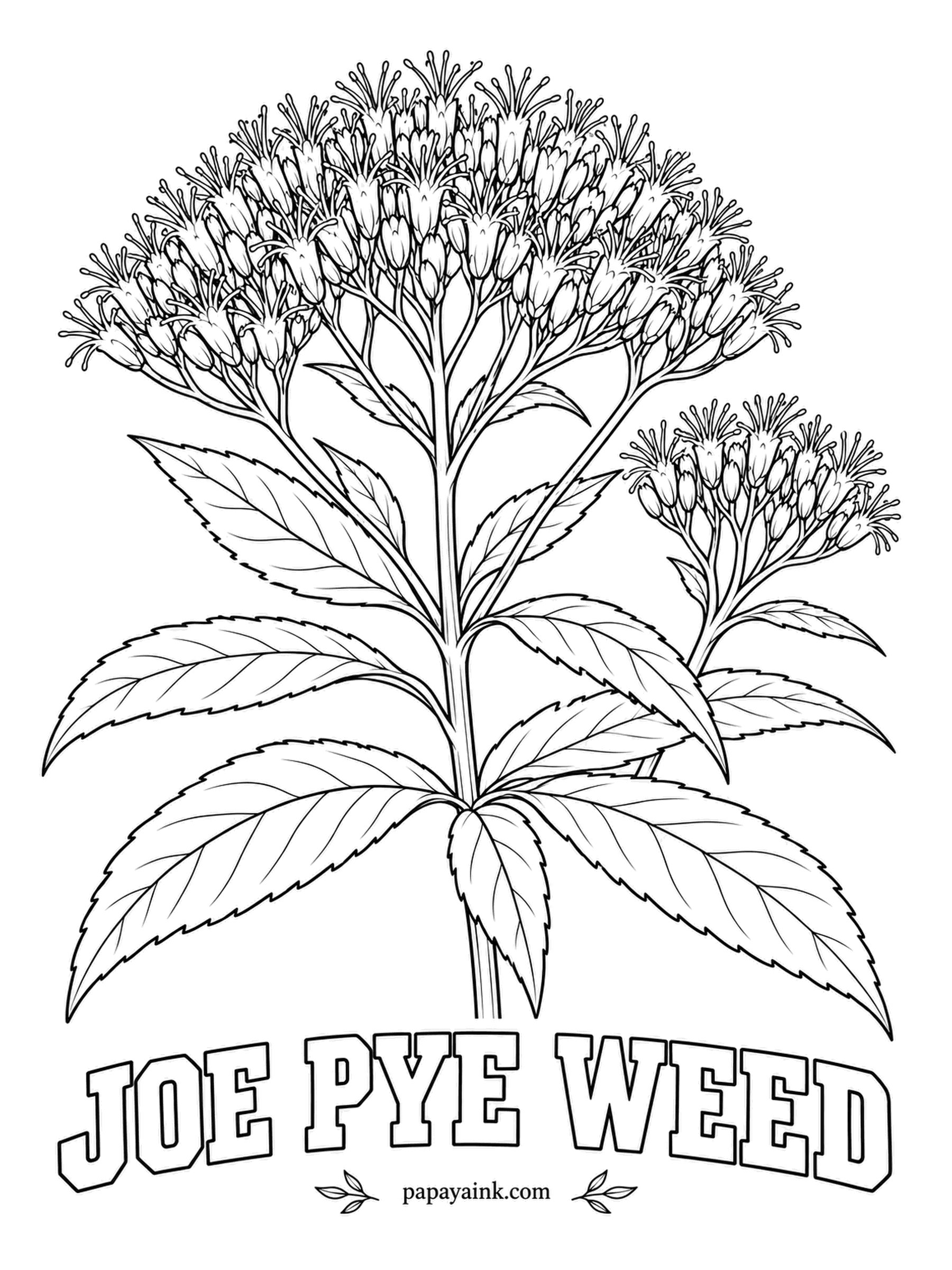

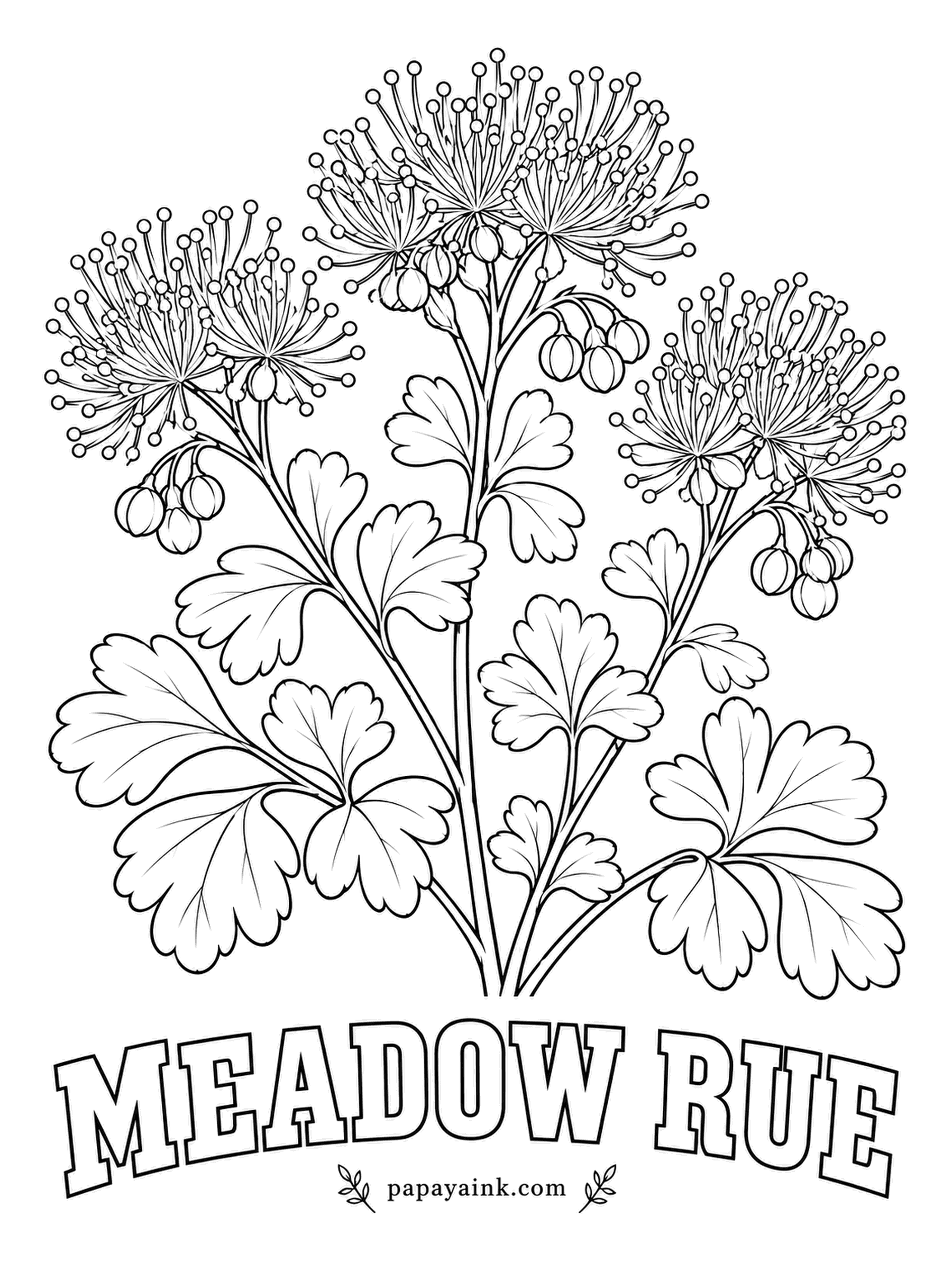
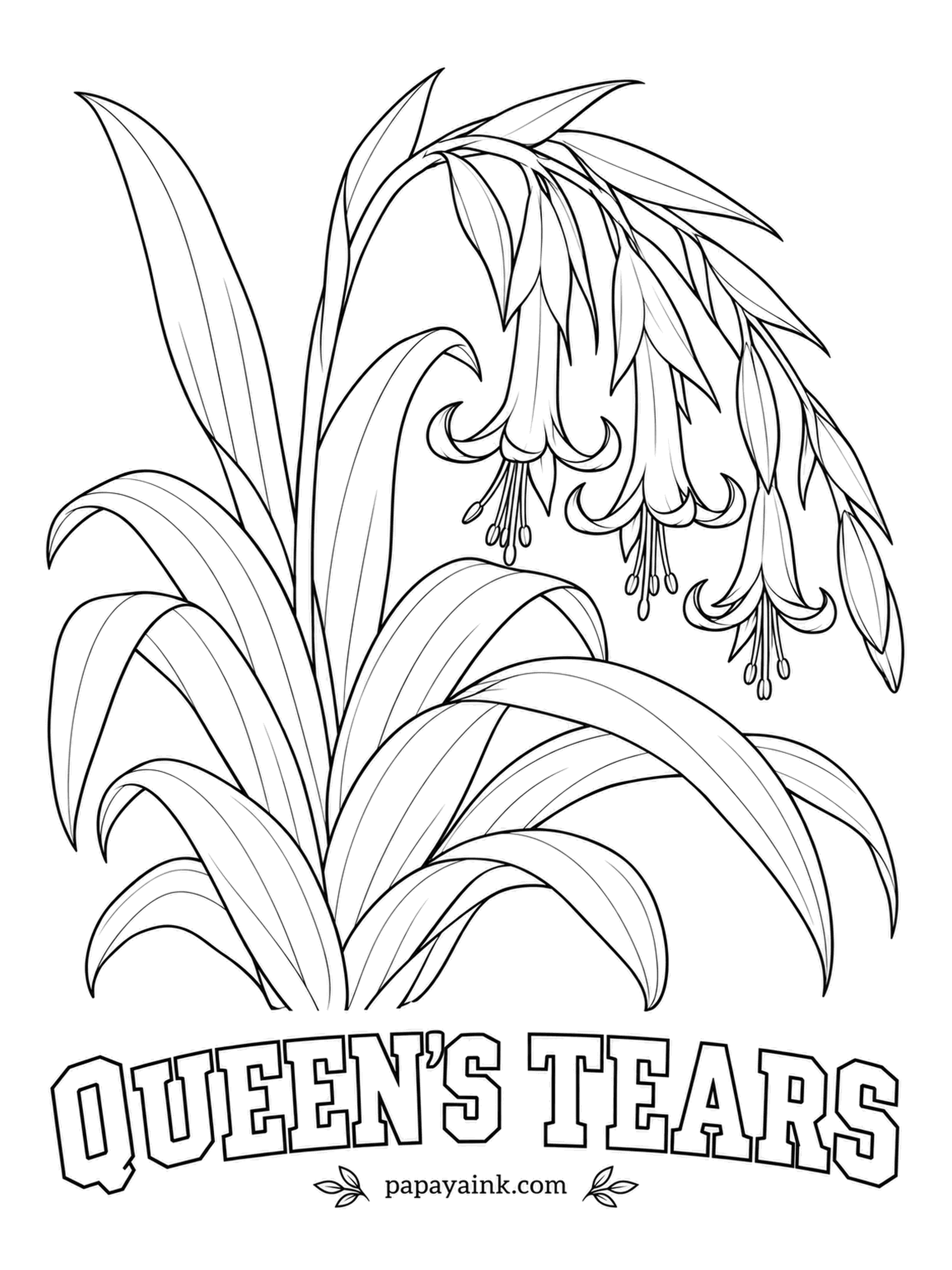

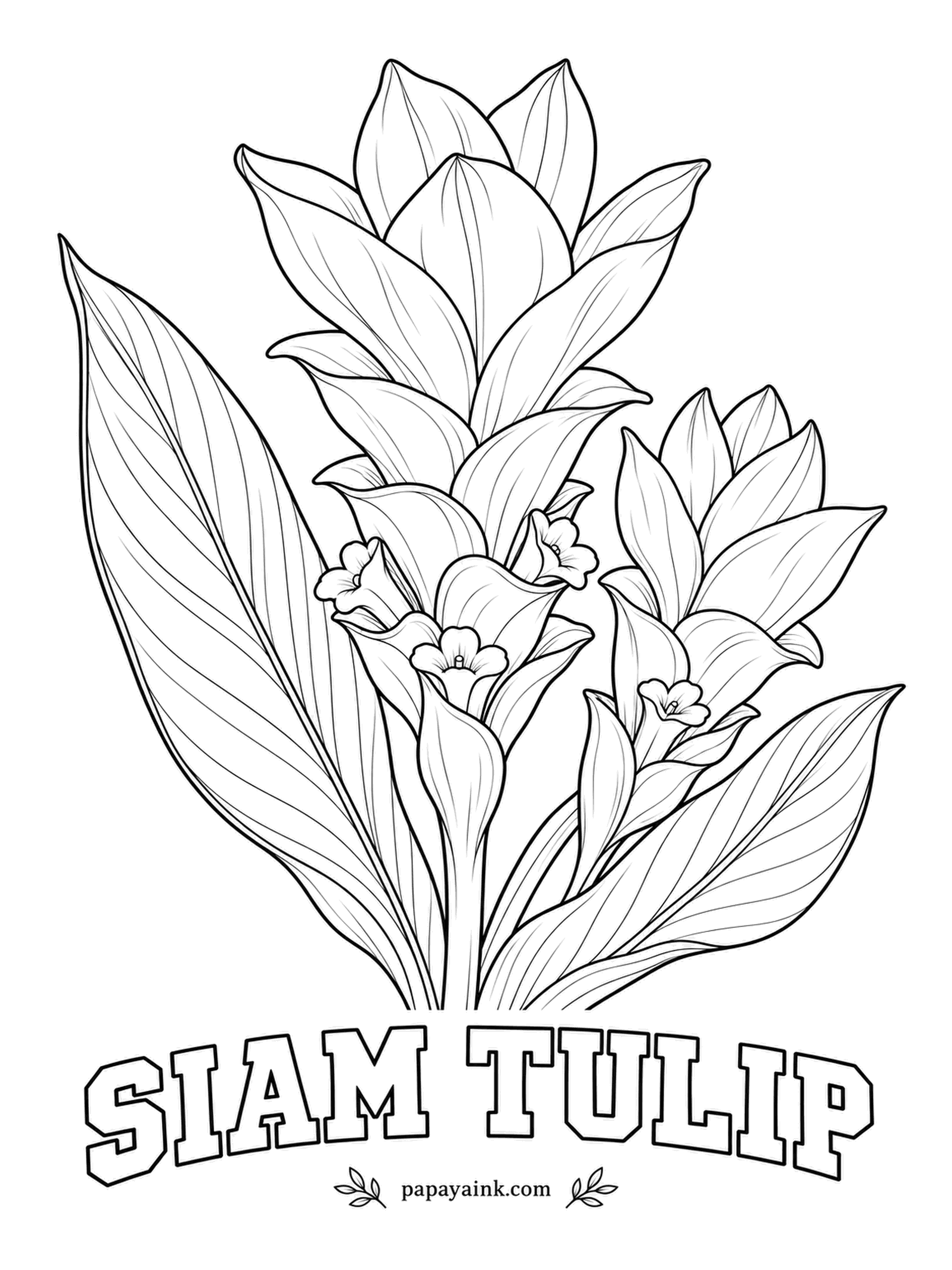











Fun Things to Make with These Coloring Pages
- Field guide booklet – color a set of sheets, trim them to the same size, and staple them along the left edge inside a folded sheet of cardstock. Write the common name on the cover list and add one fact per page from the captions. It makes a personal wildflower guide that no bookstore sells.
- Botanical gallery wall – choose three or four finished pages with similar colors, mount each on a sheet of black or kraft cardstock with a narrow border, and hang them in a row. The uniform lettering at the bottom of every sheet ties the set together like a museum print series.
- Pressed-flower effect – color only the bloom in full color and leave the leaves and stem as plain line art, then brush a thin wash of weak tea or diluted brown watercolor over the whole page. Once dry, the sheet looks like an old herbarium specimen.
- Seed packet envelopes – cut a finished flower out with a small border, glue it to the front of a plain paper envelope, and write the flower name and planting notes on the back. Fill with real seeds for gifts, or with paper petals for a pretend garden shop.
- Two-color challenge – pick exactly two colors plus a pencil for shading and finish an entire sheet with them. A blue flower in two blues or a yellow one in two golds forces you to think about light and shadow instead of hue, and the result looks surprisingly sophisticated.
- Name-tracing practice – the chunky outline letters at the bottom of each sheet are made for tracing. Younger artists can fill the letters with a color that matches the flower, then trace the word with a marker, learning a new plant name with every page.
- Garden plan collage – color several sheets, cut the plants out, and arrange them on a large piece of green paper by height: tall ones at the back, ground-huggers at the front. Glue them down and label the bed. It is a painless way to learn which plants grow where.
- Watercolor over line – print on heavier paper, color with watercolor pencils, then go over each area with a damp brush. The waxy lines hold the paint in place, and the petals blend into soft, realistic gradients that dry pencil cannot quite reach.